
Why Guangzhou Is Still the Heartbeat of Global Bag Sourcing
I have been standing behind my counter in the Baiyun District for over twenty years. While the world talks about supply chains shifting and factories moving to Vietnam or India, I see something different right here on the ground. The real pulse of the global bag industry beats strongest in Guangzhou. If you are an overseas buyer looking for genuine sources, you need to understand that this isn't just a market; it is an ecosystem. People often ask me why they should fly all the way here instead of ordering online from Alibaba. The answer is simple: you cannot feel the leather, smell the stitching, or gauge the quality of a zipper pull through a screen. When you walk into the Baiyun Leather City, you are stepping into the source.
Navigating the Labyrinth of Baiyun Leather City
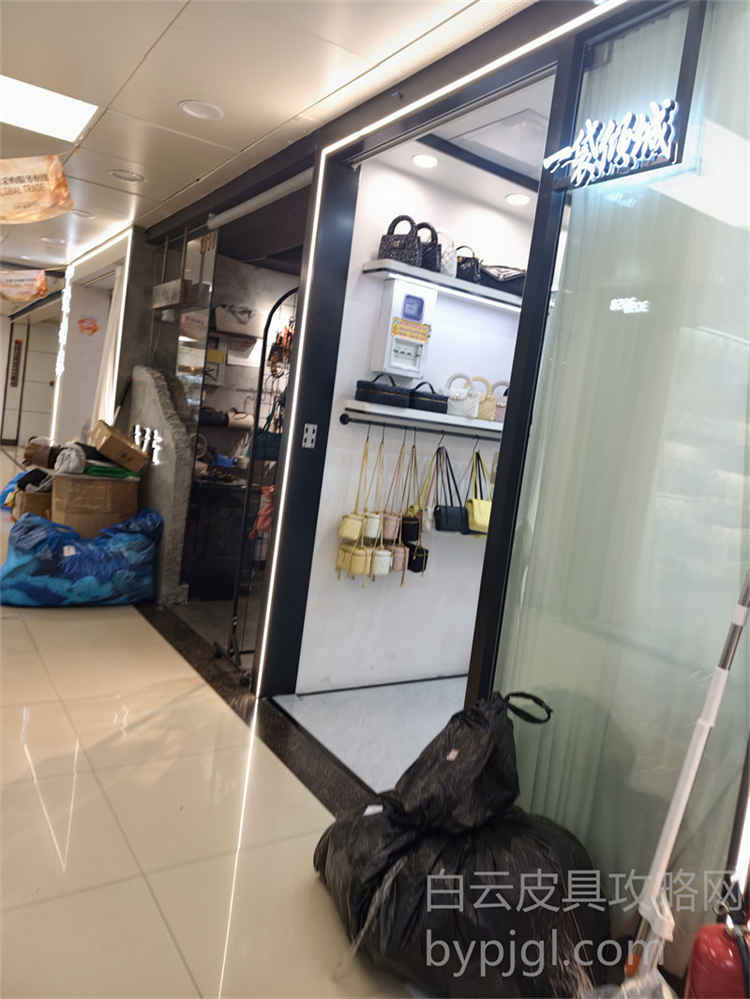
The first thing you must realize is that the Baiyun area is not a single building. It is a sprawling network of interconnected complexes, each with its own personality and price point. There is the Shide Building, known for high-end craftsmanship, and the nearby Qianjin Market, which caters to volume buyers. When I guide new clients, I tell them to forget the maps on their phones. These markets change layout every few months as vendors expand or relocate. You need to rely on local knowledge. Start at the main entrance of the most prominent complex, but do not rush. Walk slowly. Look at the displays. Notice which shops have fresh stock and which ones are clearing out old inventory.
Finding the Right Stall Without Getting Lost
Many buyers get overwhelmed by the sheer number of stalls. They wander aimlessly until they find a shop that looks nice but sells low-quality goods. My advice is to look for the "showroom" style setups rather than the cluttered backrooms. A good stall will have a clean display table, organized racks, and staff who speak enough English to handle basic negotiations. Avoid the guys shouting prices from the street corner; those are usually middlemen trying to resell your order later. Go straight to the permanent counters wher the owners sit. In my experience, the best deals are found in the smaller, family-run booths tucked away on the upper floors, not the flashy storefronts on the ground level.
The Art of Selecion: What to Look For Before You Buy
once you have identified a promising stall, the real work begins. This is wher most international buyers make mistakes because they focus too much on the design and ignore the materials. In Guangzhou, we pride ourselves on our material sourcing. I always tell my customers to touch the leather. Real cowhide feels warm and has natural grain variations. Synthetic materials feel cold and uniform. Run your fingers along the edges. Are they painted neatly? Do the threads match perfectly? A cheap bag might look fine from three feet away, but up close, the flaws are obvious.
Inspecting Hardware and Stitching Details
Hardware is the second biggest indicator of quality. Pick up the zippers, the clasps, and the buckles. Do they feel heavy? Cheap zinc alloy will feel light and flimsy. High-quality brass or stainless steel has weight and a smooth finish. Check the plating; if it looks like it will rub off after a week of use, put it down. Then, look at the stitching. Count the stitches per inch. Consistent tension is key. If you see loose threads or uneven spacing, that factory does not care about quality control. As a local vendor, I know that my reputation depends on these details. If I send a customer a bag with bad stitching, they will never come back, and word travels fast in this community.
Negotiation Tactics and Building Long-Term Relationships
Here is the part that scares many foreign buyers: negotiation. In the West, you might expect a fixed price tag. Here, the price is fluid. It depends on your order quantity, your relationship, and how well you know the product. Do not be afraid to haggle, but do not be rude. Start by asking for the wholesale price, not the retail price. If you say you want to buy fifty pieces, you will get a better rate than if you say you want one. However, remember that extremely low prices usually mean compromised quality. I once had a client try to force a price so low that I had to refuse. He ended up buying from a competitor, got terrible bags, and came back to me six months later begging for help.
Understanding MOQ and Sample Policies
One of the most common questions I get is about Minimum Order Quantity (MOQ). Some stalls require hundreds of units, while others are flexible with small batches. Be honest about your needs. If you are testing the market, ask for samples first. Most reputable vendors in Baiyun will sell you a sample at a slightly higher price, which can be deducted from your bulk order later. This is a standard practice. Never demand free samples unless you are a massive distributor. Also, clarify the lead time. Production schedules can shift based on raw material availability. Always build a buffer into your timeline. Communication is everything. If you can establish a rapport with the owner, they will prioritize your orders when things get busy during peak seasons.
Avoiding Pitfalls and Ensuring Safe Transactions
Even with the best intentions, scams can happen if you are not careful. One major pitfall is paying 100% upfront without any protection. While many transactions happen via bank transfer, I always recommend using secure payment methods or escrow services for large orders. Another issue is the "sample vs. bulk" discrepancy. Sometimes the sample you approve is perfect, but the mass production comes out different. To avoid this, insist on a pre-production sample made from the actual materials you will receive. Take photos and videos of this sample and agree on it in writing before production starts.
Logistics and Shipping Considerations
Finally, think about logistics early. Guangzhou has excellent shipping infrastructure, but customs regulations vary wildly by country. Ask your supplier if they have experience shipping to your region. Many stalls in Baiyun have long-term partnerships with freight forwarders who specialize in handling delicate goods like handbags. They can help you consolidate shipments from multiple vendors, saving you money on shipping costs. Do not try to ship everything yourself unless you are an expert in international logistics. Let the professionals handle the paperwork and the transport. By following these steps and leveraging the deep expertise of the local vendors, you can build a reliable supply chain that lasts for years.

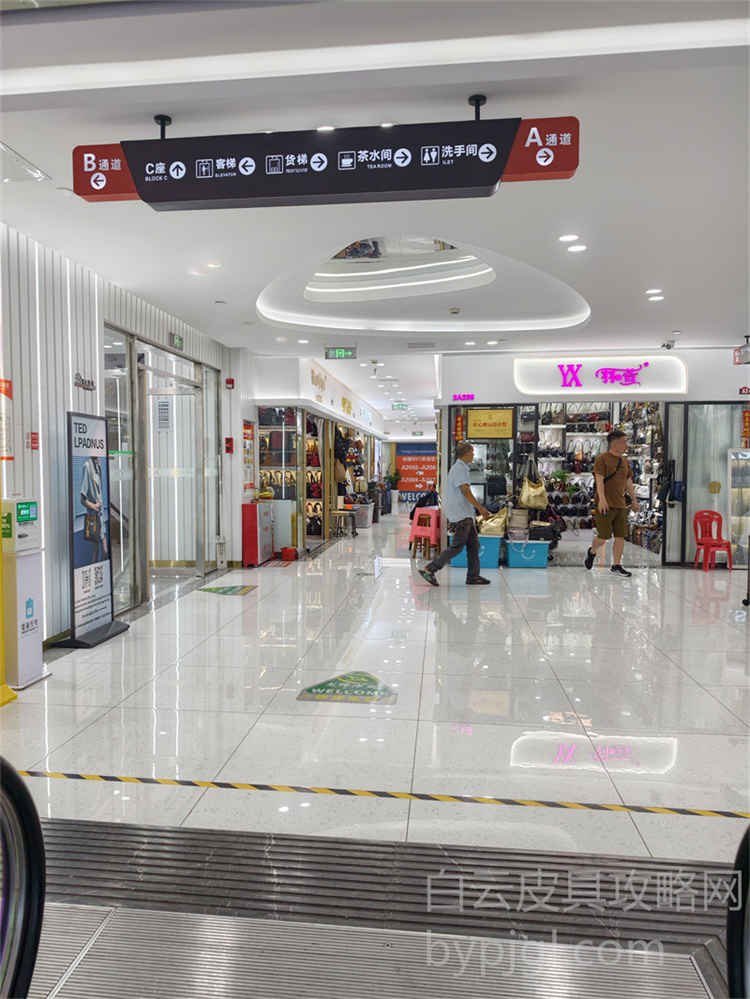






 On-site Visits
 Free Sharing
 Avoid Scams
 Updated Frequently
 For Reference Only