

Walking the Floors: My Real Talk on Sourcing Bags in Guangzhou
Welcome to my shop. I have been standing behind this counter in the Baiyun District for over twenty years, watching the seasons change and the trends shift from one style to another. You are probably asking yourself how to find the best source for those trendy small leather goods that everyone is talking about online. Let me tell you, the secret isn't just in a website; it is in the dust, the noise, and the endless rows of tables at the Baiyun Leather City.
Many overseas buyers think they can order everything from their laptop with a few clicks. That is a mistake. The real deals, the ones that actually make your business profitable, happen when you are here, touching the leather, smelling the glue, and looking into the eyes of the person who made it. This city is not just a market; it is a living ecosystem of craftsmanship and commerce. If you want to succeed, you need to understand the rhythm of these streets.
Navigating the Labyrinth of Baiyun Market
The First Step: Arriving at the Right Gate
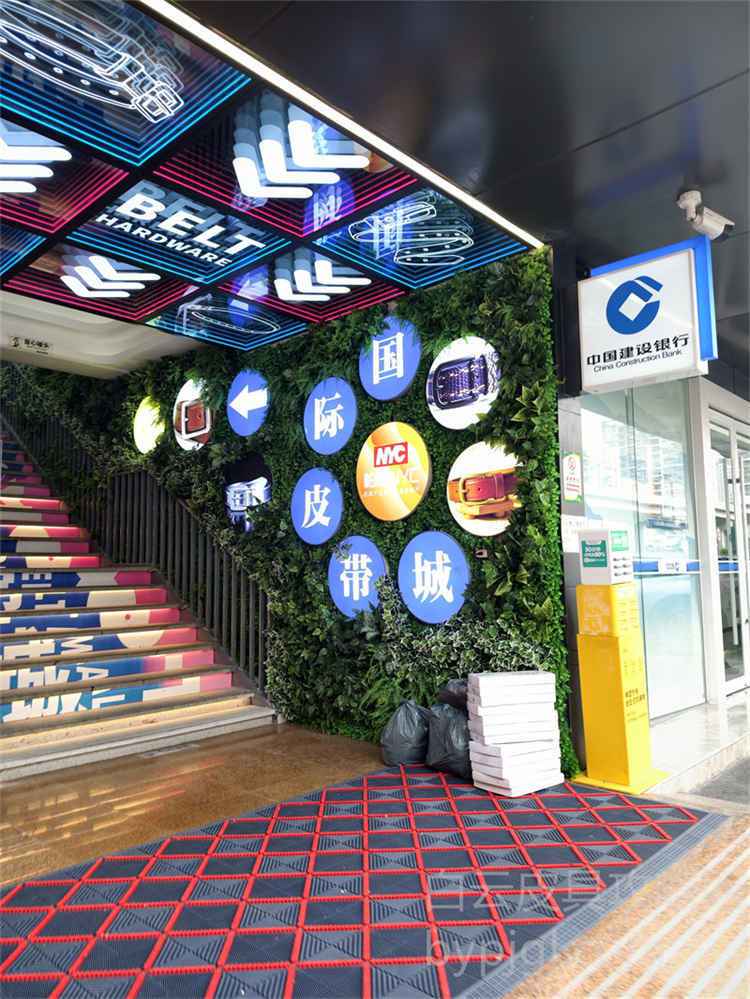
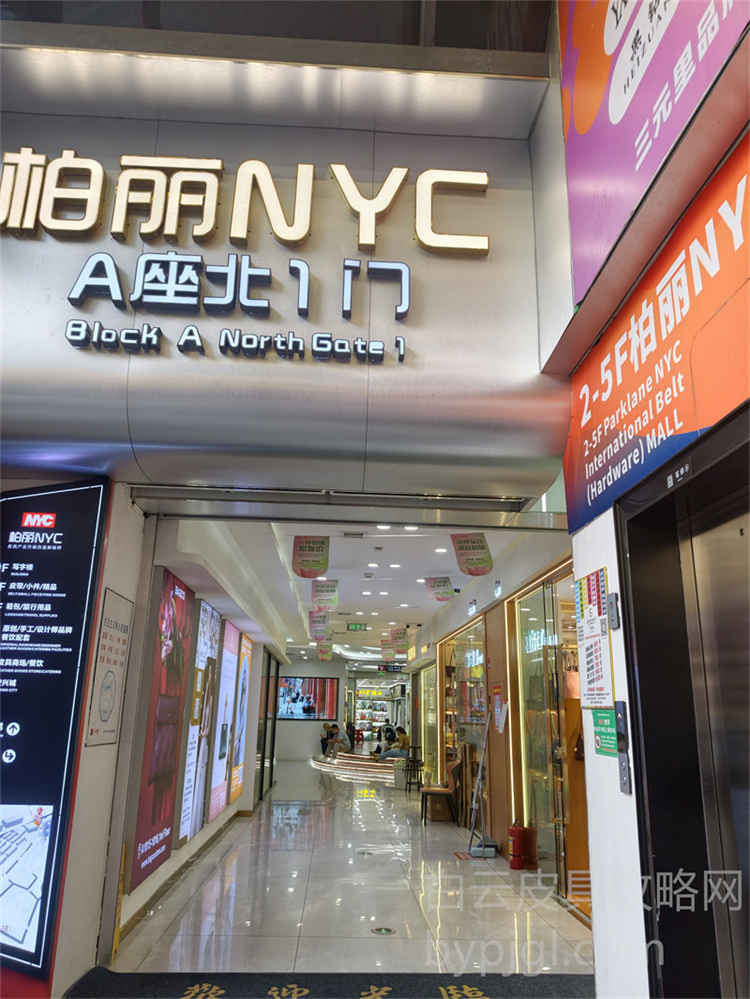
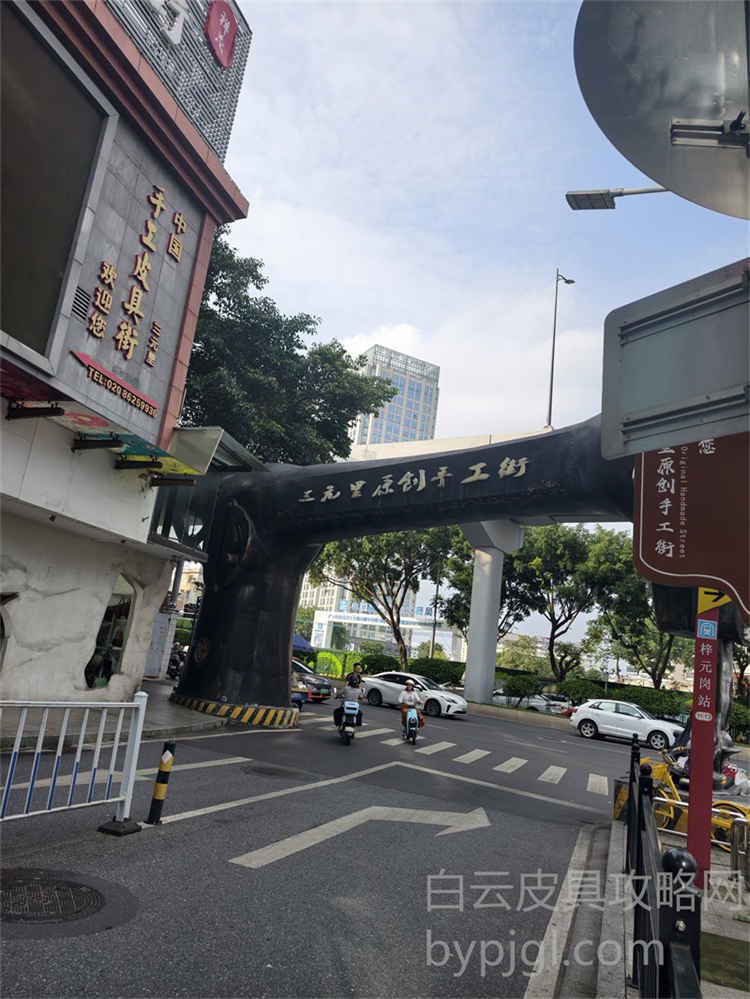
When you first step off the bus or out of the taxi, do not get lost in the confusion. The Baiyun area is massive, but the heart of the action is concentrated around specific entrances. I always tell my regulars to head straight for the main thoroughfares wher the big signs hang. You will see thousands of people walking, carrying boxes, and shouting prices. It sounds chaotic, but there is a method to the madness. This is wher the supply chain breathes.
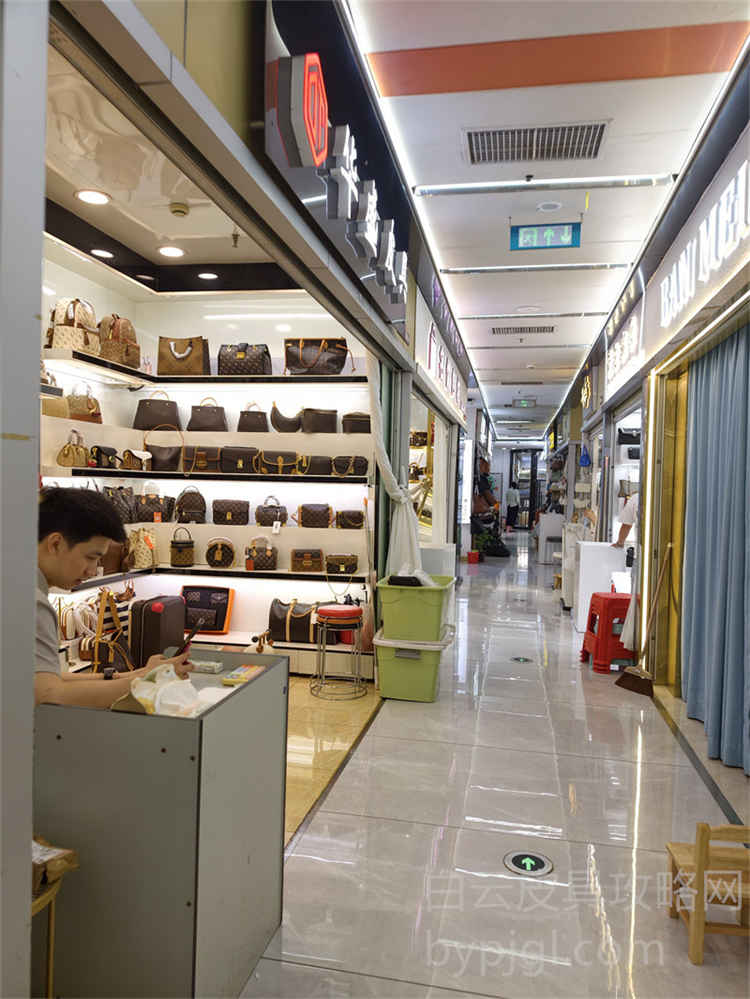
You need to know which building houses the quality you are looking for. Some buildings are filled with mass-produced items meant for the lowest price point, while others hold the workshops that produce the finer details. Do not be afraid to walk past the flashy storefronts. Often, the best stock is tucked away in the back rooms or on the upper floors wher the foot traffic is lighter. Take your time. Walk every aisle. Look at the piles of materials on the floor. If you see high-quality zippers and thick stitching scraps, you are in the right place.
Reading the Room: Identifying Genuine Suppliers
once you are inside, you need to spot the real dealers versus the middlemen. A middleman will try to sell you a story about "exclusive distribution" while pointing to a generic catalog. A genuine factory owner or a primary distributor will show you the raw materials. They will talk about the type of cowhide, the origin of the lining, and the hardware plating process. When I meet a buyer who knows what they want, I skip the sales pitch and take them straight to the sample room.
Look for the shops that have stacks of unsold inventory in the corner. These are the places that move volume. They are confident enough to keep stock ready because they know the demand. Ask questions about lead times. If they say they can ship anything tomorrow without checking, run. Real production takes time. If they hesitate and say they need to check with the workshop, that is a good sign. It means they are managing actual production, not just reselling someone else's goods.
The Art of Selecion and Inspection
Tactile Testing: Feel Before You Buy
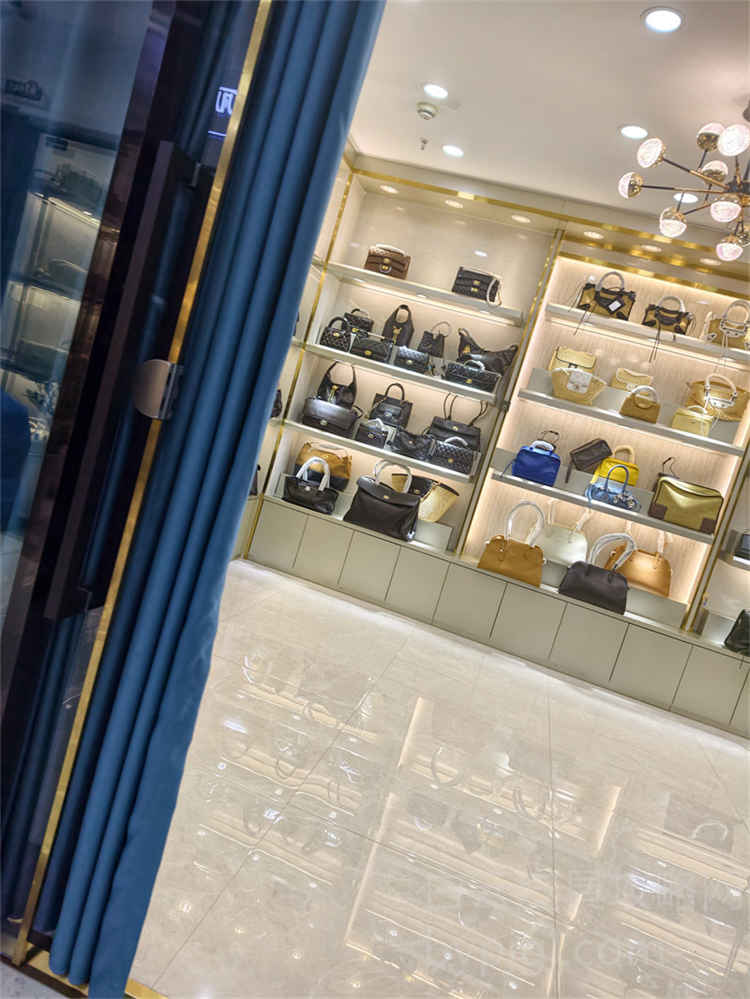
In this industry, sight deceives, but touch never lies. When you are picking up a bag, do not just look at the shape. Run your fingers over the surface. Is the grain consistent? Does the leather feel soft yet durable, or does it feel like stiff plastic? I have seen too many buyers fall in love with a picture only to receive a product that feels cheap in their hands. Here, we judge by the weight of the zipper pull and the smoothness of the interior lining.
Check the stitching closely. Are the stitches even? Is the thread color matched perfectly to the leather? In our workshops, we pride ourselves on double-stitching the stress points. If you see loose threads or uneven spacing, put it down immediately. This is not just about aesthetics; it is about longevity. A bag that falls apart after a month will ruin your reputation faster than any bad marketing campaign.
Hardware and Details: The Devil is in the Small Stuff
The difference between a good product and a great one often comes down to the hardware. Open the clasps. Listen to the click. Does it sound solid or hollow? Check the engraving on the metal parts. Is it sharp and clear, or blurry and shallow? We use zinc alloy for durability, but the plating must be thick to prevent tarnishing. When you inspect the bags, pay attention to the pockets inside. Are they lined properly? Do the zippers glide smoothly without catching?
Do not rush the inspection. Bring a magnifying glass if you have to. Look for glue stains on the edges. Good craftsmanship leaves no residue. If you find glue marks, it means the worker was rushed or the quality control is non-existent. As a local seller, I would never send such an item to my customers. We stand by our products, and that means we reject anything that does not meet our standards before it ever leaves the warehouse.
Building Relationships and Closing the Deal
Negotiation: Respect Over Aggression
Price is important, but relationship is everything. Do not start by screaming about the lowest possible cost. Start by showing interest in the quality. Ask about the production capacity. Show that you are serious about building a long-term partnership. When you treat us with respect, we treat you with better prices and priority service. In Guangzhou, we value loyalty. If you come back season after season, you will get access to the new designs before anyone else.
Be realistic about your budget. If you want premium materials, you cannot expect the price of a synthetic alternative. We can adjust the specs to fit your target price, but we need to be honest about what is possible. Sit down with the manager, have a cup of tea, and discuss the terms. Discuss payment methods, shipping logistics, and return policies. Clarity prevents disputes later on.
Avoiding Pitfalls: Shipping and Quality Control
One of the biggest mistakes overseas buyers make is skipping the final check before shipment. Never let a container leave without a thorough inspection. Hire a third-party inspector if you are unsure, or bring a trusted friend to help you count and check the goods. Verify the quantity against the packing list. Ensure the packaging is secure so nothing gets damaged during the long journey across the ocean.
Also, be wary of suppliers who promise unrealistic delivery dates. Logistics in China can be unpredictable due to holidays or customs checks. Build a buffer into your timeline. Communication is key. Keep in touch with your supplier throughout the process. Ask for photos of the finished goods before they are packed. This simple step can save you from receiving a box full of wrong items. Trust, but verify. That is the golden rule of doing business in Baiyun.


 On-site Visits
 Free Sharing
 Avoid Scams
 Updated Frequently
 For Reference Only