
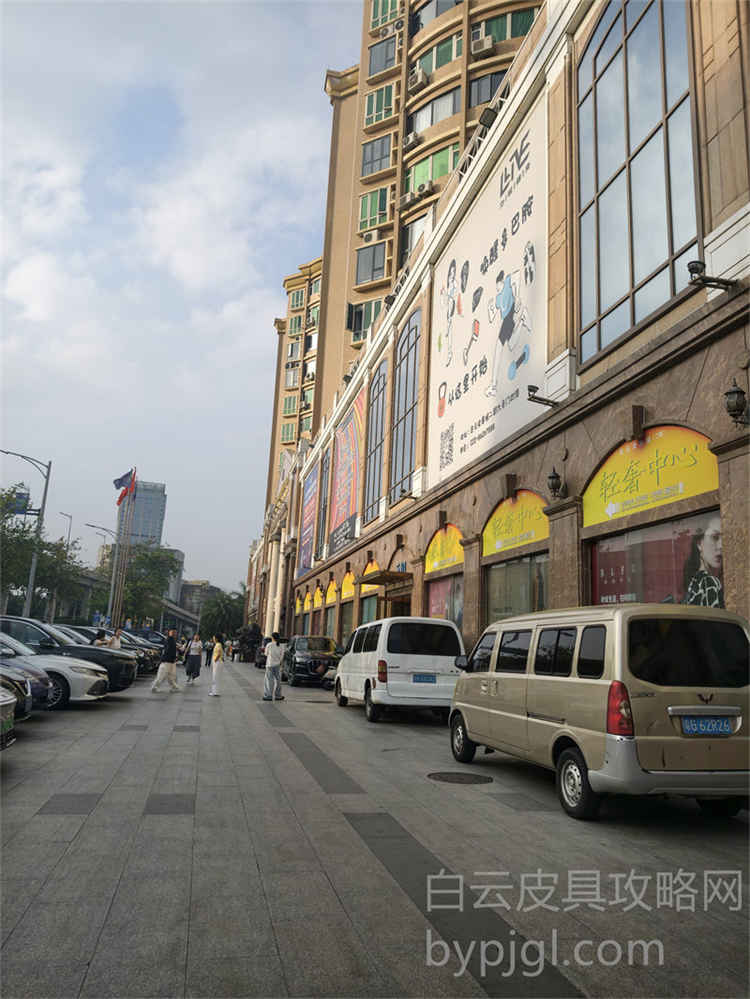
Stepping Into the Heart of Guangzhou Leather: My Real Talk on Sourcing
Welcome to my shop. I have been standing behind this counter in the Baiyun District for over fifteen years, watching the crowds come and go, from first-time buyers to seasoned importers who know exactly what they want. You are probably here because you heard about the "China money bucket bags" or those trendy tote styles that are flying off shelves overseas. Let me tell you straight: if you think you can just walk into a mall and find these goods at wholesale prices, you are dreaming. The real action happens in the back alleys of the Baiyun Leather City, wher the air smells like fresh leather and the noise is deafening.
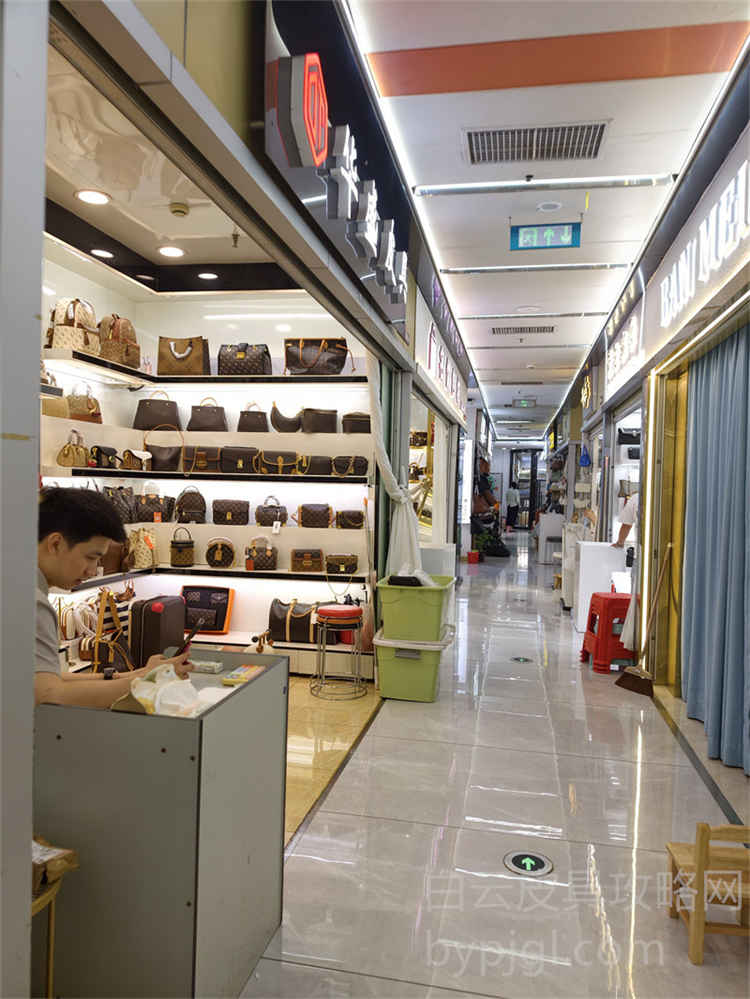
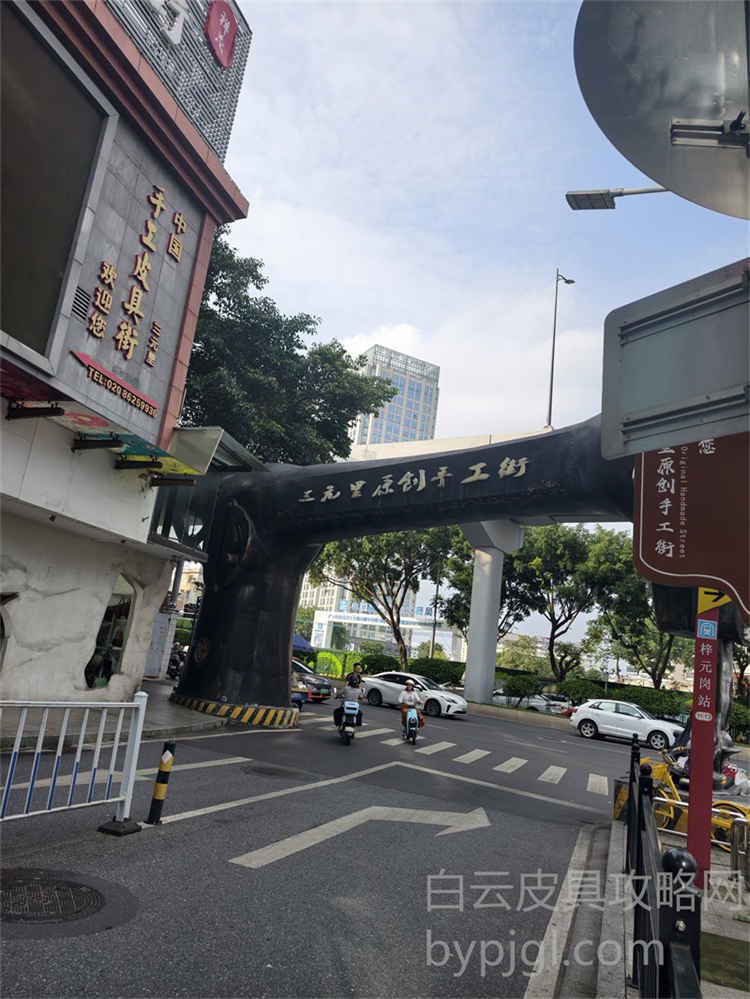
I am not going to give you some polished corporate speech about "global supply chains." I am going to talk to you like a neighbor. When you step into the massive complex known as Baiyun International Leather City, you are entering a battlefield of negotiation. The stalls here are packed tight, often two deep, with racks of bags hanging from the ceiling to the floor. This is wher the magic happens, but it is also wher many newbies get lost or scammed. You need to know how to navigate this maze without getting burned.
Navigating the Market: Wher to Actually Find the Goods
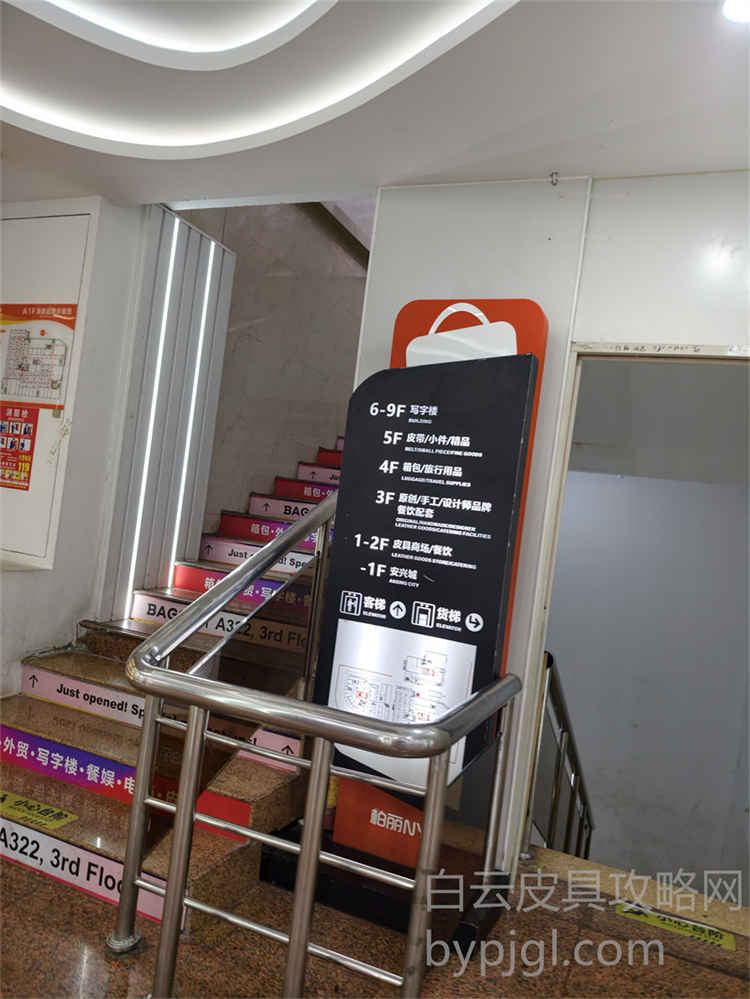
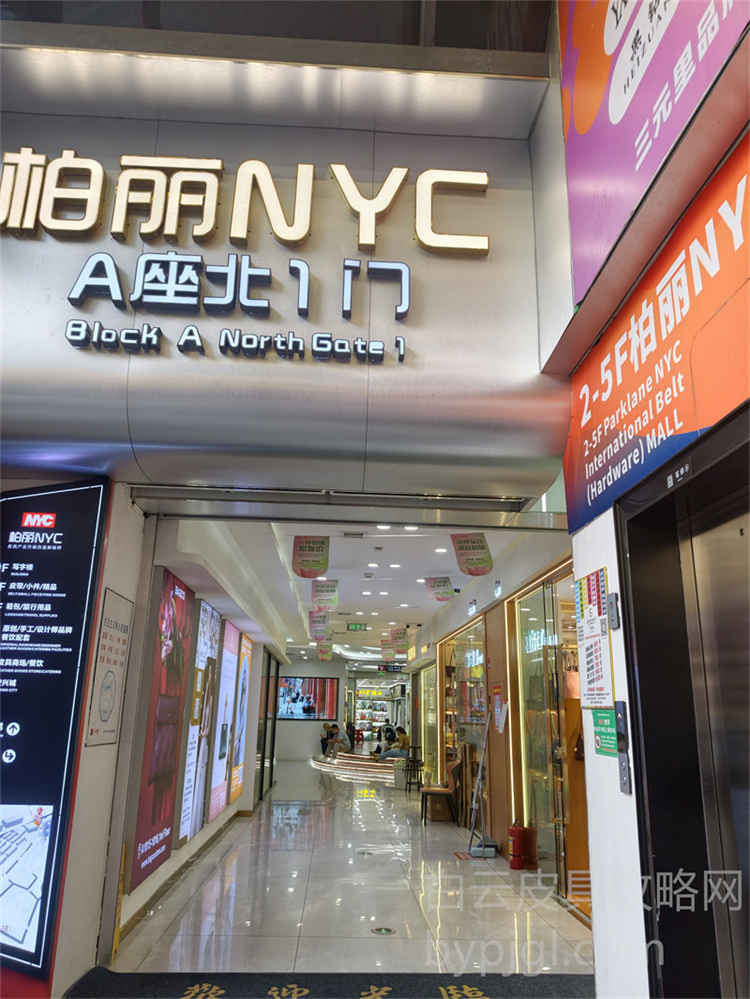
First things first, forget the fancy showrooms in the front lobby. Those are for tourists and people looking for retail prices. If you want the real source, you need to head deeper into the building, specifically towards the older sections wher the local wholesalers operate. The layout changes every few months as shops move, so do not rely on old maps. Just ask the security guards or the delivery guys pushing carts; they know which aisle has the best stock for the current season.
Finding the Right Stall Among the Noise
When you walk down an aisle, ignore the flashy displays. Look for the stalls that look busy. If you see a group of young men sitting around a table counting cash or packing boxes, that is your target. These are the active sellers. They usually do not have big signs saying "Wholesale Only" because everyone knows that is how business works here. Approach them casually. Do not start by asking for a price list immediately. Ask what is moving fast right now. In our market, trends change faster than the seasons. One week it is all about the structured bucket shape, and the next week, it is soft slouchy totes. A good supplier will tell you exactly what is hot before you even ask.
The Art of the First Greeting
Do not pretend to be a huge buyer if you are not. Honesty goes a long way here. Tell them you are sourcing for a specific market abroad. If you say you are buying for a boutique in New York or London, they will treat you differently than if you say you are just browsing. But be careful not to lie too much; we have seen thousands of people, and we can tell when someone is bluffing. A simple "I am looking for high-quality leather goods for export" is enough to open the door. once they see you are serious, they will pull out their best samples from under the counter, not the ones displayed on the rack.
Selecing Quality: How to Spot the Good Stuff
This is the most critical part. Many people come here and buy based on looks alone, only to find out later that the leather peels or the stitching falls apart after a month. As a local owner, I can tell you that quality varies wildly between stalls. You need to train your eyes and your hands.
Touch and Feel: The Leather Test
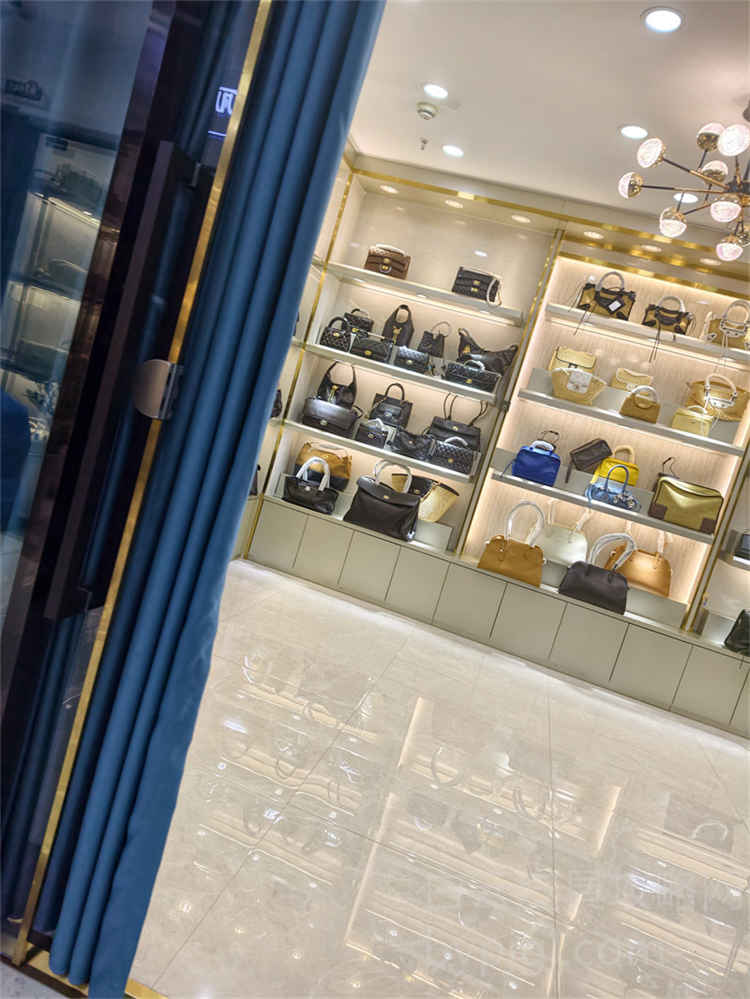
Pick up the bag. Press your thumb into the leather. Does it spring back quickly? That is a sign of good grain. If it leaves a dent, it is likely lower-grade material or synthetic. For the popular bucket style, the leather needs to hold its shape but still feel supple. Run your fingers along the seams. Are they tight? Is there any loose thread? In our market, we pride ourselves on finishing touches. If the lining is flimsy or the zipper sticks, walk away. We have plenty of other options. Do not settle for "good enough" when you are planning to sell these items to customers who expect durability.
Checking the Hardware and Stitching
Look at the zippers and buckles. Are they heavy or light? Cheap hardware feels tinny and scratches easily. High-quality metal should have weight to it and a smooth finish. Check the stitching count per inch. It should be consistent. If you see uneven spacing or knots, that stall is cutting corners. Also, check the inside pockets and the branding tags. Even if you are not using a brand name, the attention to detail in the interior construction tells you everything about the factory's standards. A well-made bag has clean edges, no glue stains, and reinforced stress points.
Negotiation and Logistics: Closing the Deal
once you have picked your items, the real work begins: the negotiation. Prices here are never fixed. Every number you hear is a starting point. Do not be afraid to haggle. It is expected. Start by offering a price that is slightly lower than what they asked, then meet in the middle. If you are buying in bulk, you have more leverage. Mention that you plan to return next month with larger orders. Suppliers love repeat business, and they will often give you a better deal to secure that future relationship.
Understanding Minimum Order Quantities
Be clear about your MOQ (Minimum Order Quantity). Some stalls require you to buy ten pieces of each color, while others might let you mix and match five pieces per style. This depends on the specific factory capacity. If you are testing the market, look for suppliers who allow mixed styles. However, remember that the lowest prices are usually reserved for full cartons. If you are just taking a few samples, expect to pay a bit more per unit. Do not try to force a wholesale price on a single sample order; it will annoy the seller and you will get poor service.
Shipping and Payment Safety
Never pay via personal bank transfer unless you trust the person completely. Use Alipay or WeChat Pay with a verified merchant account, or arrange payment through a trusted freight forwarder. Most of us in Baiyun have relationships with shipping agents who handle customs clearance for overseas clients. Ask them to recommend a reliable courier. They know the latest regulations and can help you avoid delays at the border. Also, always inspect the goods one last time before they leave the shop. Take photos of the serial numbers or unique markings if possible. If something is wrong, fix it right there before the truck leaves.
Avoiding Pitfalls: What Not to Do
There are traps everywher in this market. One common mistake is falling for the "too good to be true" offer. If a bag looks perfect and costs half the market rate, it is likely a scam or made of terrible materials. Another pitfall is ignoring the seasonality. Buying winter styles in summer might mean you get stuck with inventory until next year. Always ask the supplier what the trend forecast is for the coming quarter.
Building Long-Term Relationships
Finally, do not treat every transaction as a one-off. The best deals come from relationships. If you find a stall that delivers quality consistently, stay loyal to them. Bring them coffee, chat about your business, and show respect. In Guangzhou, business is built on trust and face. If you treat the shop owners like partners rather than just vendors, they will prioritize your orders, alert you to new arrivals first, and give you the best prices when the market gets tough. That is the secret sauce of sourcing in Baiyun. Come back often, keep learning, and you will build a supply chain that lasts for years.


 On-site Visits
 Free Sharing
 Avoid Scams
 Updated Frequently
 For Reference Only