
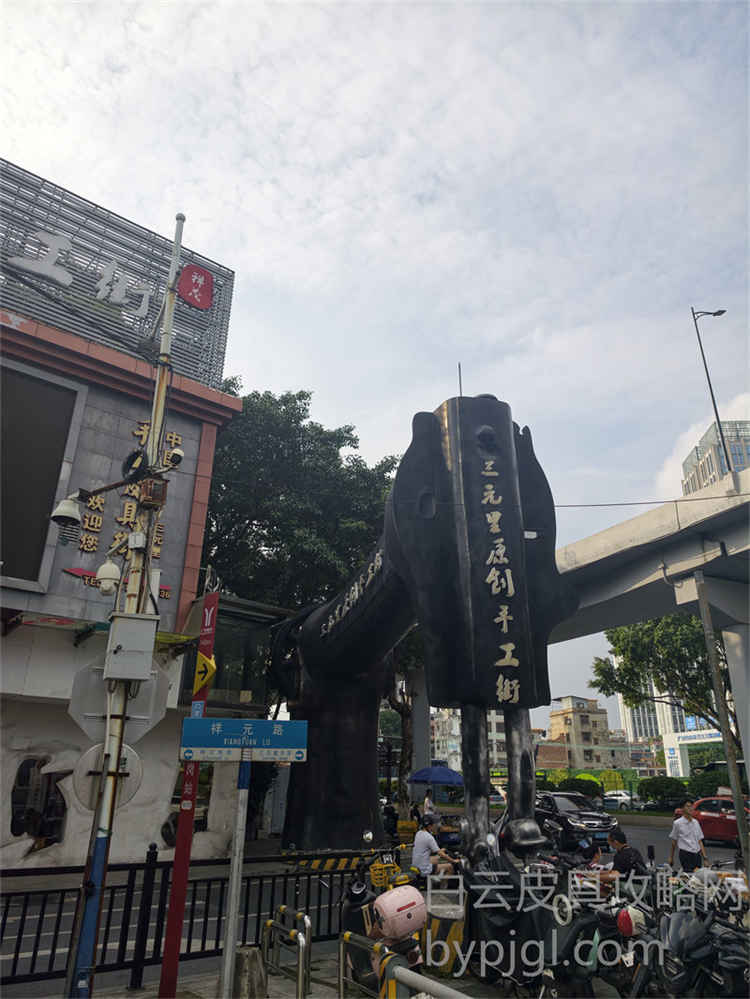
Walking the Floors: My Real Talk on Sourcing from Guangzhou
I have been standing behind this counter in the Baiyun Leather City for over fifteen years. While you might see glossy brochures online or read generic guides, let me tell you what actually happens when you step off the bus and into the chaotic, electric atmosphere of these markets. People often ask me about finding high-end leather goods here, but they usually come with a mindset that is completely wrong for this environment. They expect to walk in, point at a shelf, and buy a "perfect" bag instantly. That is not how it works. This is a wholesale ecosystem built on relationships, trust, and an eye for detail that takes time to develop.
The First Step: Leaving the Tourist Traps
When you first arrive in Guangzhou, your instinct is to go to the main entrances wher the signs are bright and the crowds are thick. I advise against starting there if you want serious quality. Those areas are designed for tourists who want souvenirs, not for buyers looking for top-tier craftsmanship. The real action happens deeper inside the buildings, specifically in the upper floors of the major complexes like the World Trade Center or the specific sections dedicated to premium manufacturing. You need to ignore the flashy displays and look for the doors that are slightly less polished. These are the offices of the factories that supply the big brands globally. If a shop looks too clean and has no stock visible, walk away. You want to see piles of materials, sewing machines humming in the back, and workers focused on stitching. That is wher the magic happens.
Navigating the Market: How to Spot Quality Without Getting Scammed
One of the biggest misconceptions I hear is that everything here is fake. It is not. There is a massive spectrum of quality, ranging from cheap synthetic materials to genuine leather that rivals anything you will find in New York or London. The key is knowing how to inspect the product before you even think about negotiating a price. When I show my regular clients around, we spend the first hour just touching and feeling. We do not look at the logo; we look at the grain, the smell, and the hardware weight.
The Tactile Test: Leather and Stitching
Never rely on photos sent via WhatsApp. A picture can be edited, but the texture cannot. When you are standing at a stall, press your thumb into the leather. Good material should bounce back immediately without leaving a deep crease. Run your fingers along the stitching. In the lower-quality batches, you will see loose threads, uneven spacing, or glue stains. In the premium tier, the stitching is tight, consistent, and often done by hand in critical areas. Pay attention to the edges. High-end production involves edge painting that is smooth and layered, not a single coat of paint that chips off after a week. If you see a bag that feels light as a feather, put it down. Quality leather has substance and weight.
Building Relationships: The Art of Negotiation and Trust
This is wher most foreign buyers fail. They treat every interaction as a one-time transaction. In Guangzhou, business is personal. If you walk in acting like a tourist, you will get tourist prices. If you act like a partner, you get access to the best inventory. I always tell my customers to bring a local contact or speak some basic Mandarin if possible, but more importantly, to show respect. Do not rush the owner. Sit down, drink tea, and ask questions about their process. Ask wher the leather comes from, who makes the zippers, and how long they have been in the industry.
Starting Small to Build Credibility
Do not try to order fifty bags on your first visit. Start with a small sample order. This allows you to test the consistency of their work without risking a huge investment. once you have received a sample and verified the quality, you build a rapport. The owners remember who treats them well. Over time, you move from being a stranger to a trusted client. At that stage, they will show you items that are not even on the floor yet. They will pull out samples from the back room that are reserved for their VIPs. This is the only way to get the absolute best versions of any style. It is about proving you are serious about building a long-term supply chain, not just hunting for a bargain.
Logistics and Avoiding Common Pitfalls
once you have seleced your items, the next challenge is getting them out of China safely and efficiently. Many buyers get stuck because they do not understand the shipping logistics. The market is full of agents who promise the world but deliver nothing. Always use a freight forwarder who specializes in leather goods and has experience handling customs declarations. Be honest about the contents. Trying to hide the nature of the goods often leads to seizures or delays.
Inspection Before Shipment
Never ship directly from the factory without a final check. Even the best workshops make mistakes. Hire a third-party inspection service or, if you are nearby, go back to the stall yourself. Check every single bag for dust, scratches on the hardware, or misaligned patterns. Ensure the packaging is secure so the bags do not get crushed during transit. I have seen beautiful bags ruined because the box was flimsy. Take your time with this step. It is better to delay shipment by two days than to receive damaged goods three weeks later. The cost of fixing a mistake is always higher than the cost of prevention.
Final Thoughts: Patience is Your Greatest Asset
Sourcing from the Baiyun Leather City is not a quick fix; it is a journey. It requires patience, observation, and a willingness to learn the nuances of the trade. The market changes every day, new styles emerge, and quality standards evolve. But if you take the time to walk the floors, talk to the people, and understand the craft, you will find opportunities that simply do not exist anywher else in the world. Do not rush. Build your network. Trust your eyes, not just the pictures. That is the secret to success in this city.

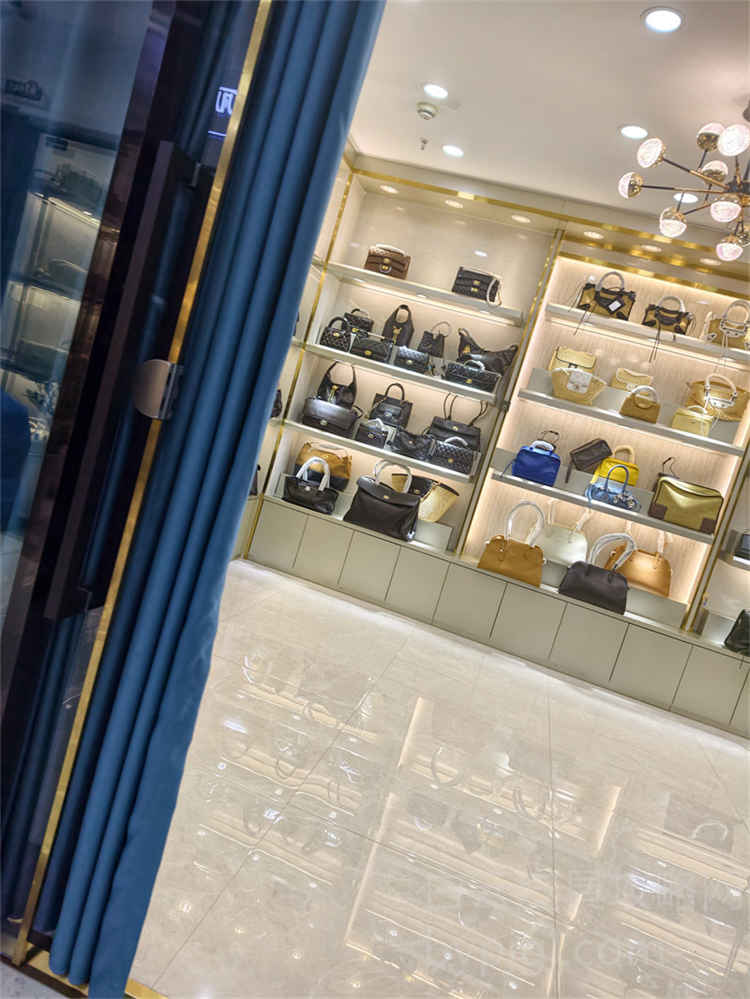






 On-site Visits
 Free Sharing
 Avoid Scams
 Updated Frequently
 For Reference Only