

Stepping Into the Heart of Guangzhou Leather: A Veteran's Guide
Welcome to the real deal. I've been standing behind this counter in the Baiyun district for over fifteen years, watching the seasons change and the styles evolve. You might have heard whispers about "luxury source goods" coming from here, but let me tell you, the reality is far more nuanced than what you read on random forums. If you are flying in from overseas specifically to source high-end leather goods, you need to know that this isn't a shopping mall experience. It is a battlefield of negotiation, inspection, and relationship building. The streets outside are chaotic, filled with delivery trucks and locals rushing to catch the morning market, but inside the buildings, it is a different world entirely.
The first thing you must understand is that we do not sell "fake" products in the way you might imagine. We talk about top-tier craftsmanship, premium materials, and exact specifications. When you walk into the massive complexes like the Baoma or the nearby wholesale hubs, you will see rows upon rows of counters. Do not be intimidated by the sheer volume. My advice? Leave your preconceived notions at the door. This place runs on cash flow and trust, not fancy marketing brochures.
Navigating the Market Floor: Wher to Start
Finding Your Way Through the Labyrinth
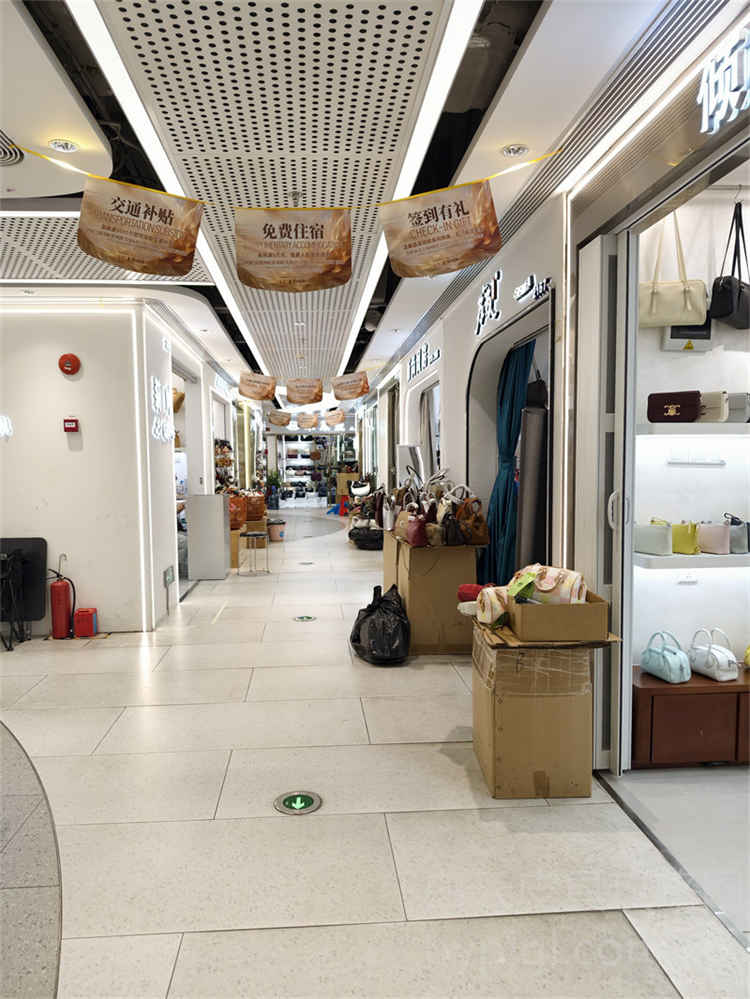
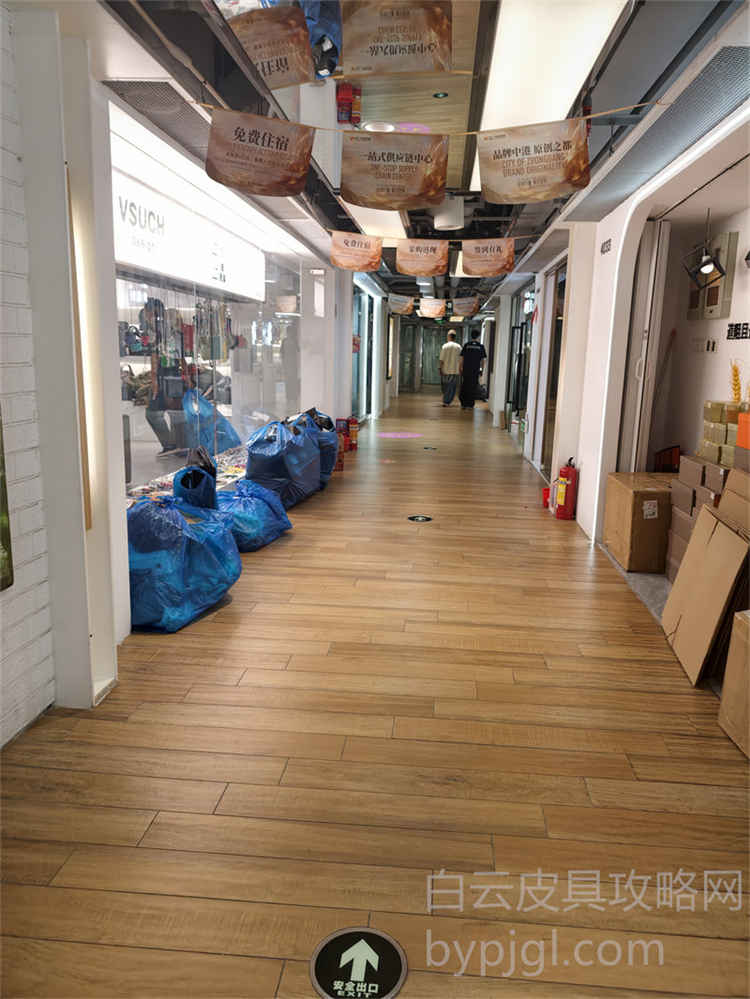
When you first arrive, the layout can feel overwhelming. There are dozens of buildings, each with its own specialty. Some focus on bags, others on wallets, belts, or shoes. For someone looking for high-quality leather handbags, you want to head straight to the dedicated sections wher the larger brands operate their showrooms. These are usually on the upper floors or in the newer wings of the complex. Avoid the ground floor stalls if you are looking for serious stock; those are often for tourists or low-volume retail. Go up. That is wher the real business happens.
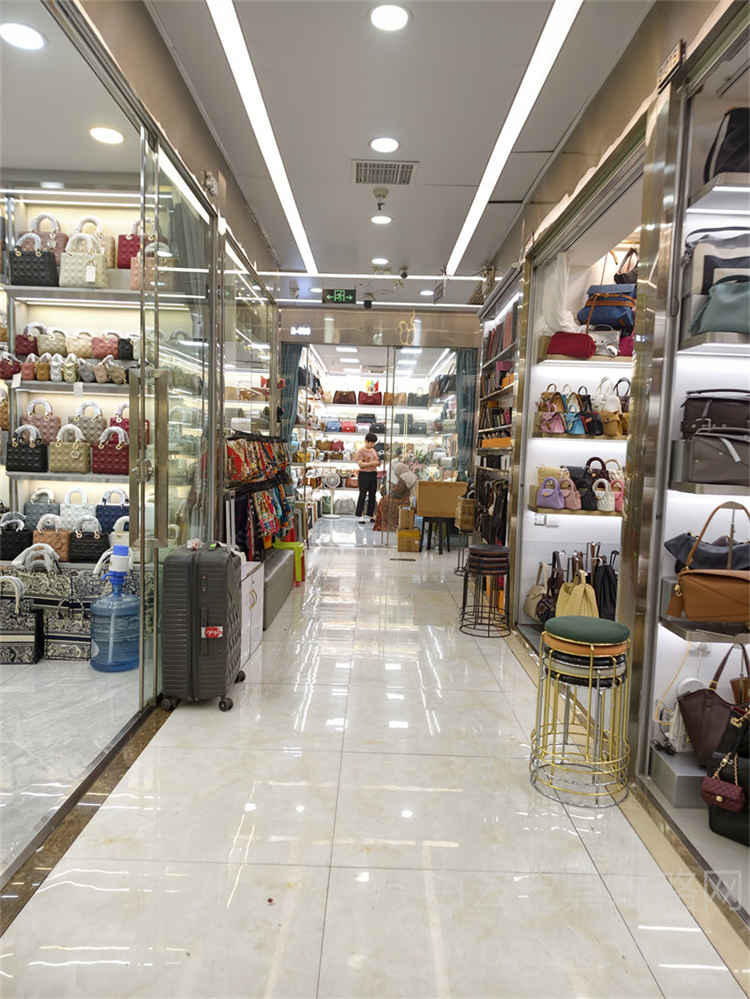
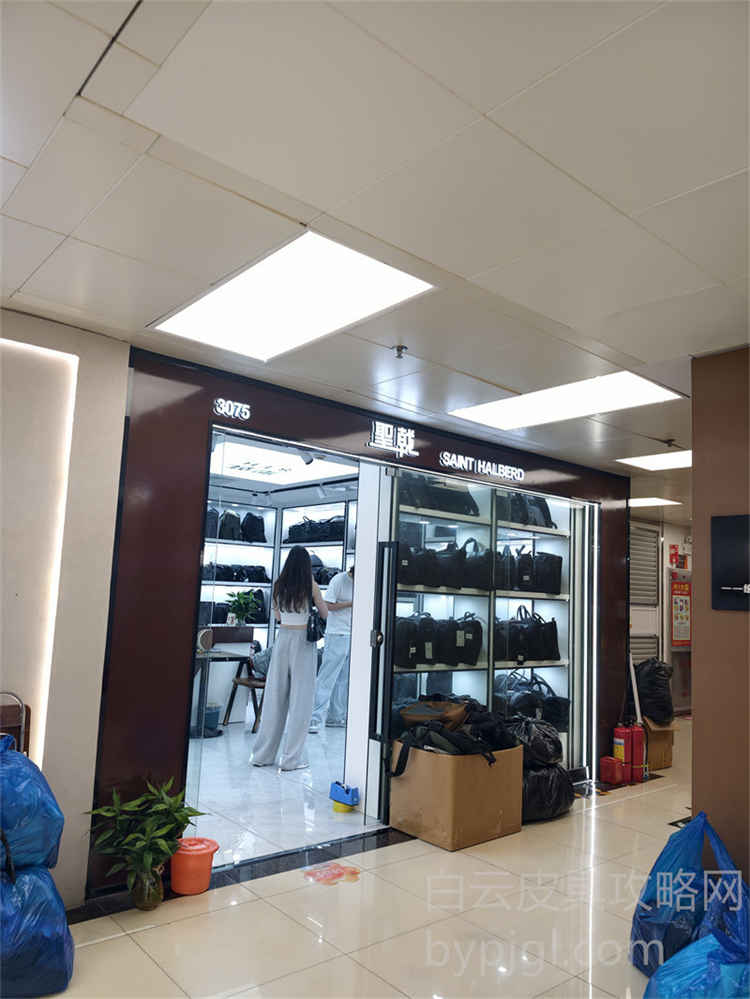
I always tell my international clients to bring a local guide or use a trusted translator, but honestly, the best way to learn is to just walk. Look for the shops with glass display cases rather than open racks. Those are the ones holding the inventory you care about. Notice how the lighting is set up? It is designed to make the leather grain pop. That is a sign of a serious vendor who cares about presentation. If a stall looks messy or disorganized, move on. Quality control starts with how they present their goods.
The Art of Selection: What to Look For
Inspecting Materials and Craftsmanship
once you find a promising counter, the real work begins. Do not just ask for the price list. In this industry, prices vary wildly based on the material used. Ask specifically about the type of cowhide, calfskin, or lambskin. Are they using imported Italian leather or domestic Chinese hides? The difference is palpable. Run your fingers over the surface. High-grade leather should feel soft yet resilient, not stiff or plastic-like. Check the stitching. It should be even, tight, and consistent. No loose threads, no skipped stitches. If you see uneven lines, walk away immediately.
Another critical detail is the hardware. Zippers, clasps, and buckles should feel heavy and substantial. Cheap vendors use lightweight alloys that tarnish quickly. Real quality means solid brass or zinc alloy with a durable plating. Open and close the zippers repeatedly. They should glide smoothly without catching. Also, check the interior lining. Is it made of high-quality fabric or cheap polyester? The lining is often overlooked, but it defines the longevity of the bag. If the lining frays after a few uses, the whole product is compromised.
Negotiation and Building Relationships
Talking Business Like a Local
This is wher many foreigners stumble. You cannot just point at a bag and say "I want ten." You need to build rapport. Start by asking questions about their production process. Show genuine interest in their craft. once you establish a connection, the conversation shifts to volume and pricing. Remember, the lowest price is not always the best deal. Sometimes, a slightly higher price gets you better priority in production and stricter quality checks. Negotiate based on your order size. If you are planning a large purchase, leverage that. But be realistic. If you expect luxury-level quality at rock-bottom prices, you will be disappointed.
We value long-term partnerships over one-off sales. If you treat us with respect and pay on time, we will treat you with the same. Do not try to play games or haggle aggressively over small amounts. That signals you are not a serious buyer. Instead, focus on terms like payment schedules, shipping logistics, and return policies for defective items. These are the details that matter when you are importing goods back to your home country.
Avoiding Pitfalls: Safety and Logistics
Protecting Your Investment
There are risks involved in any cross-border trade, especially in a bustling market like this. Never carry large amounts of cash on your person. Use bank transfers or secure payment methods whenever possible. Always inspect the goods before making the final payment. Take photos and videos of every item, checking for any defects under different lighting conditions. If something is wrong, address it immediately while you are still at the counter. once you leave, it becomes much harder to resolve issues.
Logistics is another area wher mistakes happen. Make sure you have a reliable freight forwarder who understands customs regulations in your destination country. Shipping these goods requires proper documentation to avoid seizures. Do not rely on the vendor to handle everything; take an active role in arranging the shipment. Finally, trust your instincts. If a deal feels too good to be true, it probably is. Stick with established vendors who have a physical presence and a reputation to uphold. The market is full of opportunities, but only for those who are prepared, patient, and knowledgeable.




 On-site Visits
 Free Sharing
 Avoid Scams
 Updated Frequently
 For Reference Only