
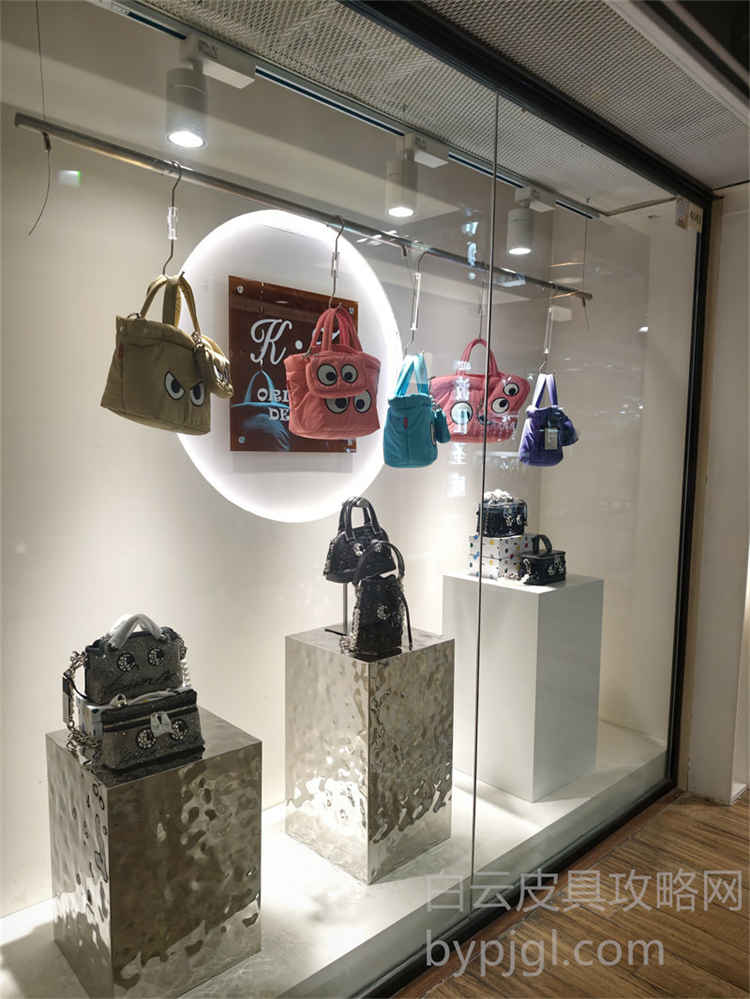
Why Guangzhou Remains the Global Hub for Bag Sourcing
I have been standing behind my counter in the bustling streets of Guangzhou for over two decades. While the world talks about supply chains shifting and factories moving to Southeast Asia, I am here telling you that if you want real volume, real speed, and real variety in handbags, you still need to be on the ground in China. Specifically, you need to know the difference between the wholesale markets in Liuhua and the historic lanes of Shisanhang. Many overseas buyers come to me asking wher to find the best stock, and my answer is always the same: it depends on what kind of business you are running.
The Distinct Vibe of Shisanhang vs. Baiyun
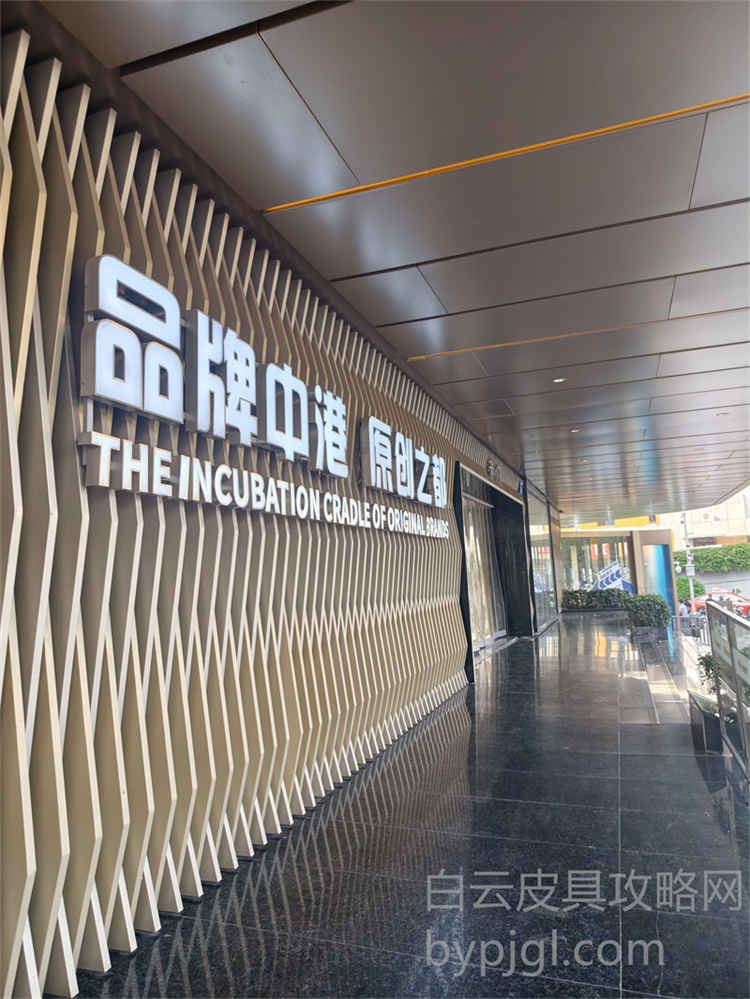
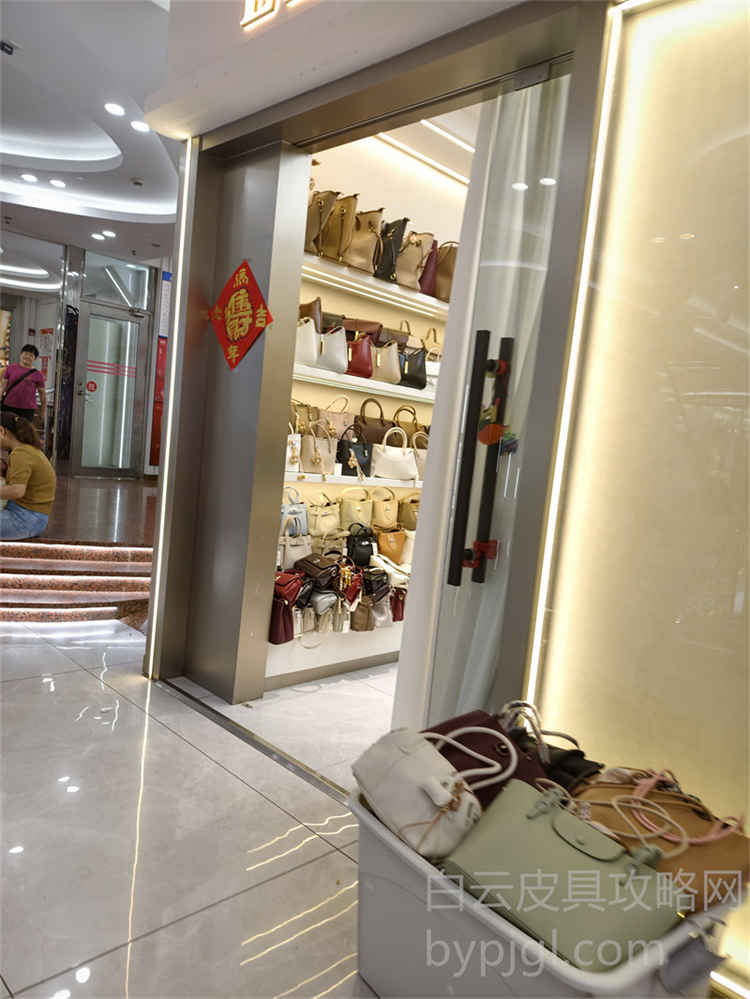
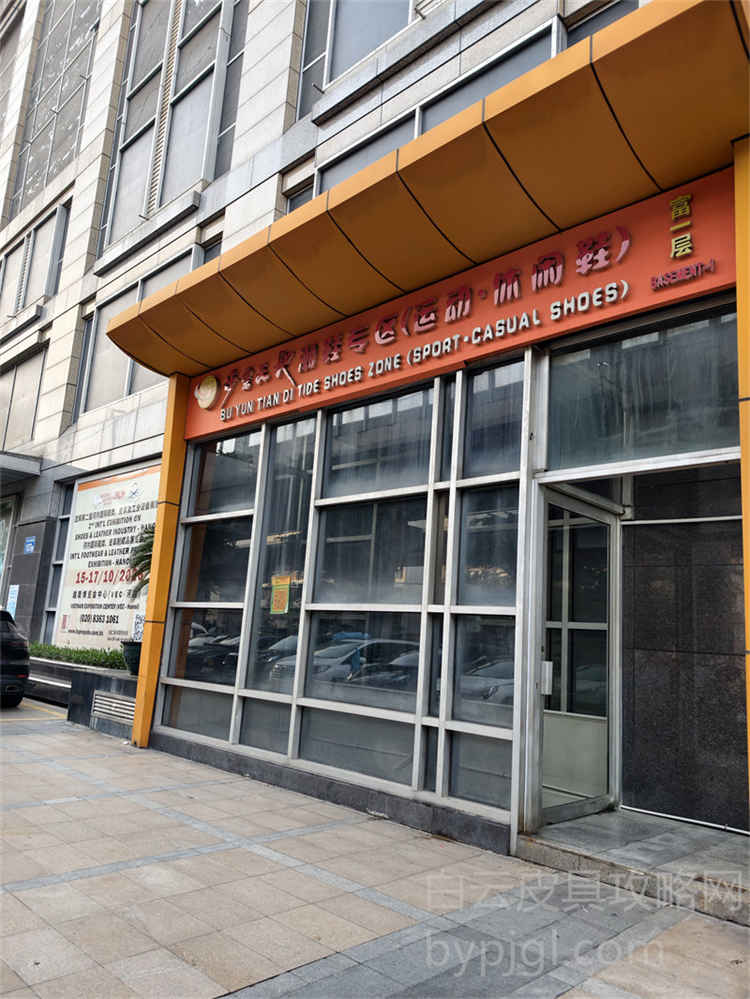
You will hear a lot of people mention the Baiyun Leather City when they talk about leather goods. It is true; that massive complex near the train station is famous for high-volume production and export-oriented manufacturing. However, if you are looking for trendy styles, fast turnover, and the pulse of the fashion industry, Shisanhang is your destination. Located just south of the city center, this area is not just about bags; it is a fashion ecosystem. The buildings there are packed with dozens of floors, each dedicated to specific styles ranging from luxury-inspired designs to casual canvas totes. When I walk through the narrow corridors of Shisanhang, I see buyers from everywher—Europe, America, Africa, and South America—all hunting for the next big thing.
Navigating the Market Floors Like a Local
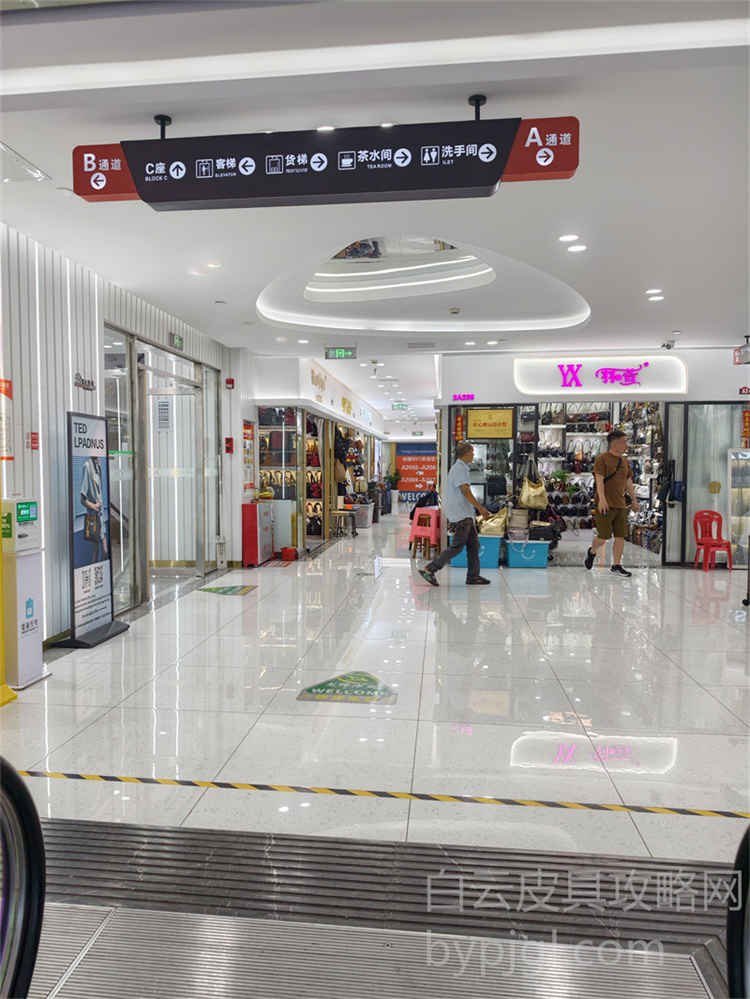
Walking into these markets without a plan is a recipe for disaster. The sheer scale can overwhelm anyone who has never seen a Chinese wholesale market before. In Shisanhang, the layout is vertical. You enter a building, and the lower floors often hold older stock or bulkier items, while the upper floors house the newest collections. My advice is simple: do not try to visit every single shop. That is impossible. Instead, pick one or two buildings that specialize in the style you need.
Reading the Room at the Counter
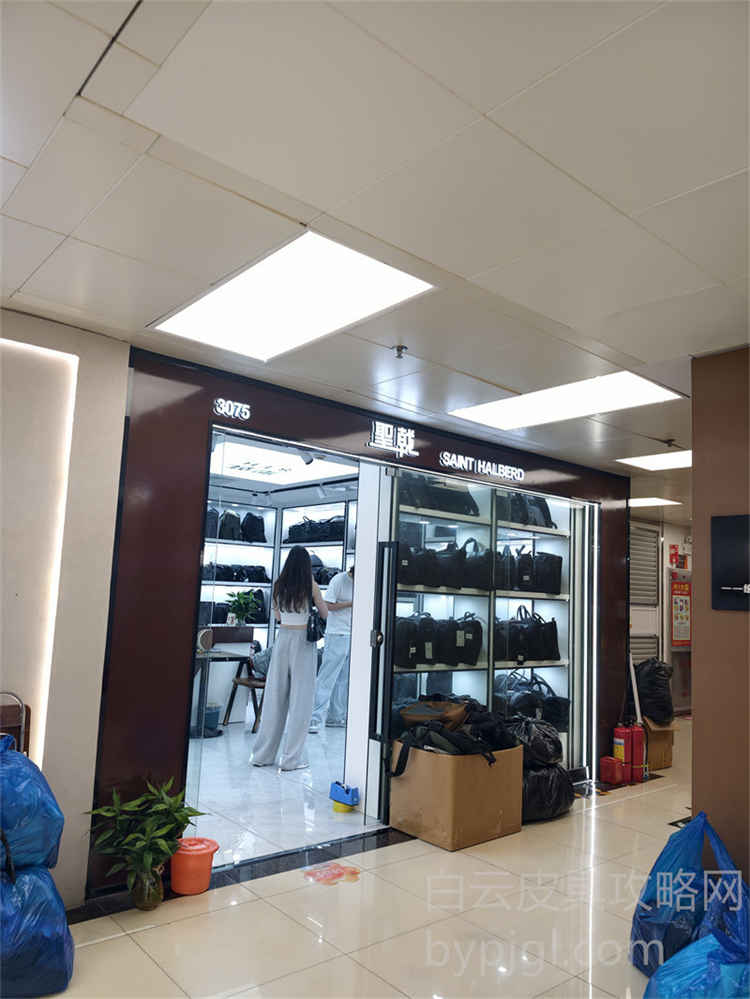
When you approach a stall, look at how busy the staff is. If they are constantly talking on the phone or packing boxes for delivery drivers, that is a good sign. It means their products move fast. Do not be shy about asking questions. In my experience, the most successful transactions happen when you treat the owner like a partner, not just a vendor. Ask them about their lead times, their minimum order quantities, and whether they offer customization. Most of the time, the owners speak broken English, but they understand gestures and pictures perfectly. Bring a folder with photos of the styles you are interested in. This saves hours of back-and-forth confusion.
The Art of Selecion and Quality Control
One of the biggest mistakes foreign buyers make is assuming that "high quality" means expensive materials. In Guangzhou, you can find incredible craftsmanship at various price points. The key is knowing what to look for. When I inspect a bag for my own clients, I check the stitching first. Are the stitches even? Is the thread color matching the leather? Then I check the hardware. Does the zipper glide smoothly? Is the metal plating thick enough to resist tarnishing? Finally, I smell the material. Real leather smells distinct, while synthetic materials have a chemical odor.
Verifying Stock Before Payment
Never pay for a shipment based solely on a photo sent via WeChat. Photos can be edited, and lighting can hide flaws. Always ask to see the actual item in the store. If the batch is large, ask to see a sample from the current production line. In Shisanhang, many shops keep a few samples on display specifically for serious buyers. If a seller refuses to show you the physical product, run. There are too many options in Guangzhou to risk working with someone who hides their inventory. Also, be wary of sellers who push for immediate payment without a contract or clear terms. A reputable supplier in the Baiyun area or Shisanhang will always be willing to discuss payment terms, especially for repeat customers.
Building Relationships and Avoiding Pitfalls
The secret to getting the best prices in Guangzhou is relationship building. Prices listed on the shelves are rarely the final price. They are starting points for negotiation. If you come back to the same shop three or four times, showing genuine interest in their products, the owner will start giving you better deals. They might offer free shipping upgrades, include extra accessories, or give you priority on new arrivals. This is how we operate locally. We treat our regulars as family.
Logistics and Shipping Considerations
once you have seleced your goods, the next challenge is getting them out of the country. Most shops in Shisanhang and Baiyun have partnerships with freight forwarders who handle customs clearance and international shipping. Do not try to arrange your own shipping unless you have a very experienced logistics team. These local forwarders know exactly which documents are needed for different countries and can help you avoid delays at the port. They also offer consolidation services, meaning if you buy from five different stalls, they can pack everything into one container for you. This saves a fortune on shipping costs.
Final Thoughts for the Overseas Buyer
Traveling to Guangzhou is an investment, but it pays off. The knowledge you gain by walking the floors, touching the materials, and talking face-to-face with suppliers cannot be replicated online. Whether you are sourcing from the historic Shisanhang lanes or the industrial giants of Baiyun, the goal is the same: finding reliable partners who can deliver quality products on time. Take your time, trust your instincts, and remember that in this business, a handshake and a smile go a long way. Come prepared, stay curious, and you will find the perfect source for your next collection right here in the heart of China's leather capital.


 On-site Visits
 Free Sharing
 Avoid Scams
 Updated Frequently
 For Reference Only