

Why Hua Du is the Real Heartbeat of Guangzhou's Bag Supply Chain
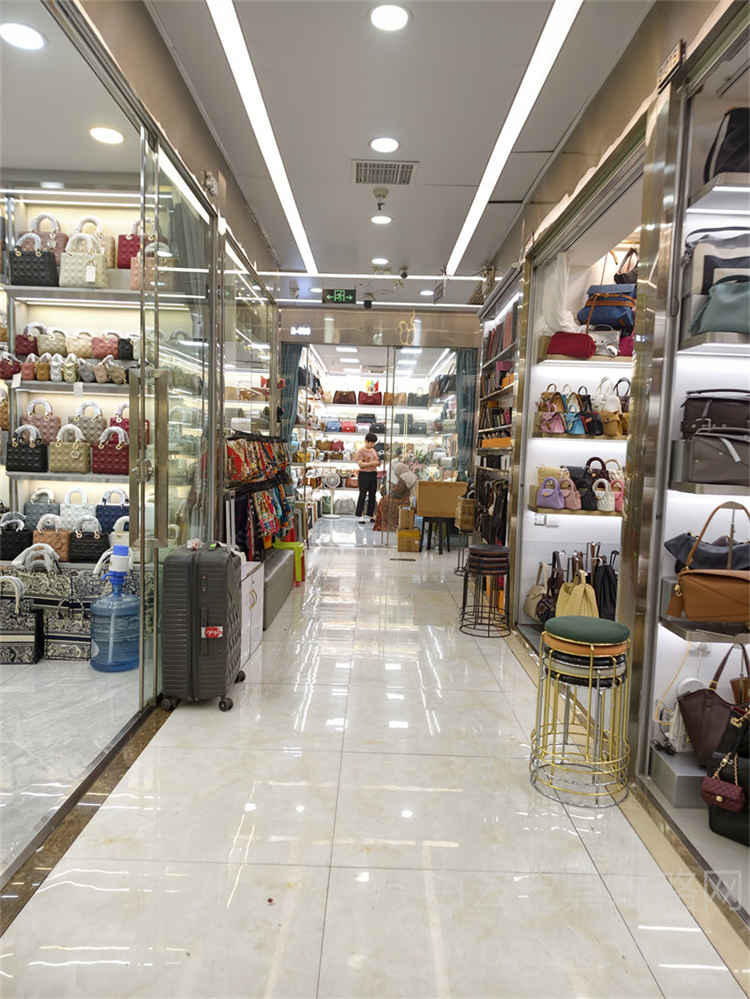
I've been standing behind my counter in the Baiyun Leather City for over fifteen years. While everyone talks about the flashy showrooms and the fancy hotels, I know the truth: if you want to understand the real pulse of the bag industry in China, you have to look at wher the goods actually come from before they even hit the main market floors. That place is Huadu.
Many overseas buyers ask me why we don't just sell everything out of our own warehouse. The answer is simple logistics and craftsmanship. Huadu is not just a district; it is the manufacturing engine. When you walk into a factory there, you aren't seeing finished products waiting on shelves. You are seeing the raw materials being cut, the leather being stitched, and the hardware being polished. This proximity allows us to control quality in a way that distant suppliers simply cannot match. If you are planning a trip to Guangzhou, skipping Huadu means you are missing the source code of the entire supply chain.
Navigating the Factory Floors: What to Expect in Huadu
The Difference Between Showroom and Workshop
When I tell clients to visit Huadu, I am not sending them to a shopping mall. It is an industrial zone filled with noise, smell of glue, and the hum of sewing machines. Unlike the polished boutiques in Baiyun District, the workshops here are functional. You will see rows of workers stitching zippers and attaching handles. This environment is crucial because it allows you to inspect the construction methods firsthand. In Baiyun, you might get a perfect sample, but in Huadu, you can see how that sample was made. Are they using double-stitched seams? Is the lining glued or sewn? These details define the longevity of the product.
Building Trust Before the Deal
Trust is the currency of this business. In Huadu, relationships matter more than price tags. When I bring a buyer to a factory, I do not just introduce them to the owner; I introduce them to the head stitcher. We sit down, often with tea, and discuss the specific requirements of your order. This face-to-face interaction eliminates the guesswork. You can point to a flaw in a prototype and watch the team adjust their process immediately. This level of communication is impossible when dealing with agents who never step foot in the production line.
Selecing the Right Products: A Buyer's Guide
Understanding Material Grades
One of the biggest mistakes new buyers make is assuming all leather is the same. In Huadu, you will find everything from top-grain cowhide to high-quality synthetic alternatives. As a local veteran, I always advise my partners to touch the material. Does it feel soft yet firm? Does it have that natural grain texture? We have access to tanneries right next door, so we can request specific finishes. Whether you need a matte finish for a professional look or a glossy sheen for evening wear, the factories in Huadu can customize the dye and treatment processes to meet your exact specifications.
Hardware and Durability Checks
Zippers, clasps, and chains are often the first things to fail on a bag. In Huadu, we test the hardware rigorously. I teach my buyers to pull on the straps and check the weight of the metal components. Heavy, solid hardware indicates better quality control. We also look at the plating thickness. Cheap plating peels off after a few months, but in our network, we insist on PVD coating which resists tarnishing. By visiting the sourcing hub, you can verify these specs before a single unit is mass-produced.
Logistics and Negotiation Tactics for Overseas Buyers
From Sample to Bulk Order
The transition from a sample to a bulk order is wher many deals go wrong. In Huadu, we follow a strict protocol. First, we create a pre-production sample based on your design. once you approve it, we lock in the mold and the pattern. Then, we move to the pilot run. This ensures that the final batch matches the approved sample exactly. I always recommend ordering a small trial batch first. It minimizes risk and allows you to test the market without committing thousands of dollars upfront. Our flexibility in handling small MOQs (Minimum Order Quantities) is one of the reasons international clients keep coming back.
Avoiding Common Pitfalls in the Market
Don't Rush the Inspection Process
Time is money, but rushing leads to costly errors. Many buyers try to squeeze three days of work into two. They skip the detailed inspection phase and hope for the best. This is a recipe for disaster. When you are in Baiyun or Huadu, take the time to check every corner of the bag. Look inside the pockets. Check the stitching density. Ensure the color matches your Pantone reference. As someone who has seen too many shipments rejected by customs due to poor quality, I urge you to be thorough. A good supplier in Guangzhou will welcome your scrutiny because it shows you are serious.
Beware of Middlemen
The internet is full of "agents" claiming to represent the best factories. While some are legitimate, many are just middlemen adding layers of markup and confusion. My advice is to bypass the middleman whenever possible. Go directly to the source in Huadu or the main trading hubs like Baiyun. When you deal directly with the manufacturer, you get better pricing, faster communication, and direct accountability. If a seller refuses to let you visit the workshop or insists on meeting only in a hotel lobby, that is a red flag.
Guangzhou's leather industry is vast, but the connection between the Baiyun markets and the Huadu factories is the secret sauce. It creates a seamless flow from design to delivery. By understanding this ecosystem, you position yourself not just as a buyer, but as a partner in the supply chain. Come to Guangzhou, walk the floors, talk to the people, and you will find that the quality and value available here are unmatched anywher else in the world.







 On-site Visits
 Free Sharing
 Avoid Scams
 Updated Frequently
 For Reference Only