
Walking the Floors: My Real Talk on Sourcing from Guangzhou
I have been standing behind this counter in the heart of Baiyun for over fifteen years. While the internet floods with photos and videos, nothing beats the smell of leather, the hum of the air conditioning, and the chaotic energy of the wholesale market when you are actually here. Many overseas buyers ask me how to navigate this place without getting ripped off or ending up with goods that don't match the pictures. Let me tell you, the secret isn't just about finding a cheap price; it is about understanding the ecosystem of the Guangzhou Baiyun Leather City area.
The First Step: Leave Your Expectations at the Door
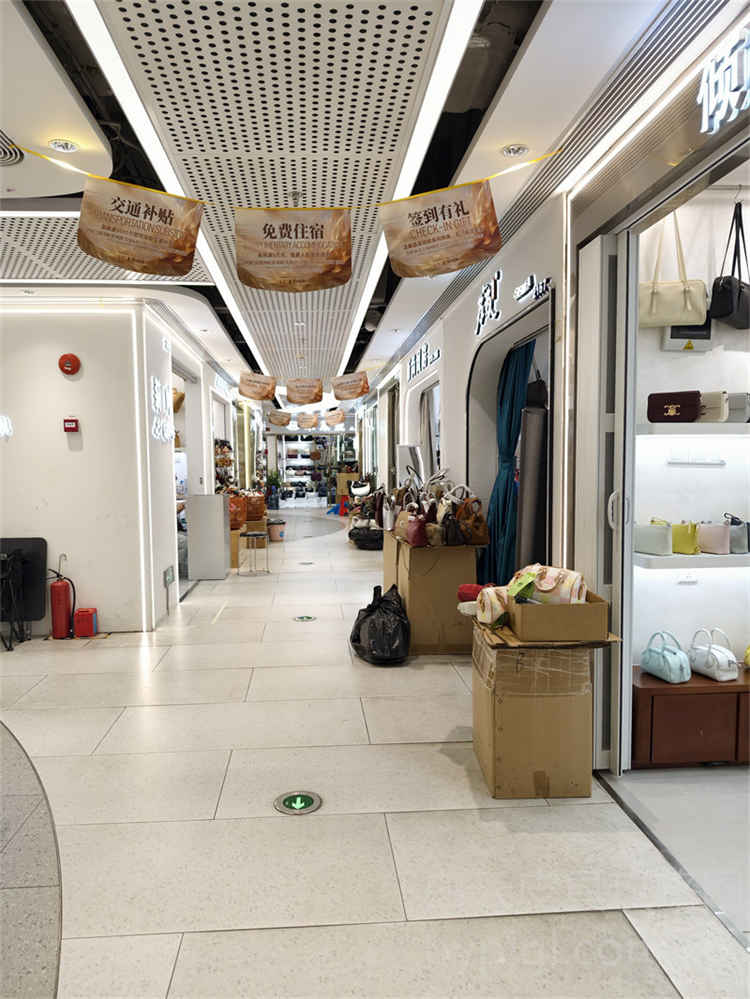
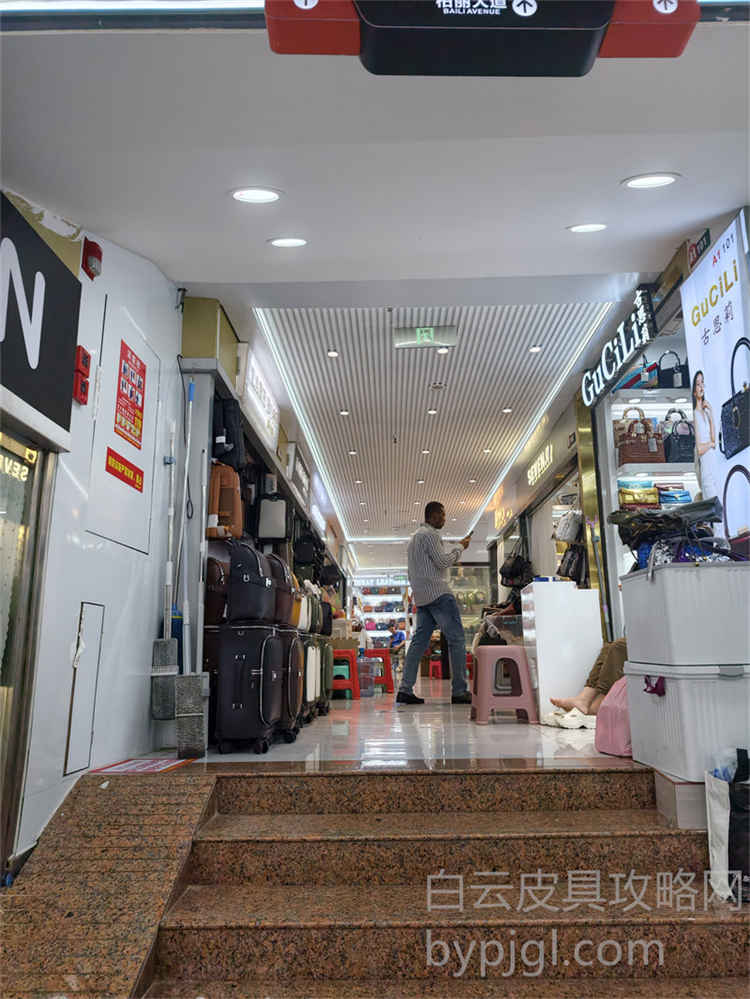
When you first step into the massive complex, do not expect a clean, organized showroom like you see in Western malls. This is a working factory floor wrapped in retail clothing. The corridors are narrow, packed with boxes, and filled with people rushing to catch the next delivery truck. If you walk in looking for a specific brand name, you will be ignored immediately. We deal in high-quality craftsmanship, not logos. The moment you mention a famous luxury house, the conversation stops. Instead, focus on the material, the stitching, and the hardware. Ask to see the "top tier" options. In our trade, we talk about quality grades, not names. Start by walking the perimeter of the main buildings before diving into any single shop.
Navigating the Market Layout and Finding the Right Stall
The Baiyun district is not just one building; it is a sprawling network of interconnected structures. Each building has its own vibe. Some floors cater to mass production, while others house the artisans who make the pieces that sell for thousands elsewher. I always advise my clients to start on the lower floors wher the volume is higher, but then head straight to the upper levels for the real gems. These upper-floor stalls often have smaller inventories but much better quality control.
How to Spot a Genuine Wholesale Partner
You need to look for the signs of a serious supplier. A stall that only displays finished bags on mannequins might be a middleman trying to resell your goods later. Look for the ones with open worktables in the back. You want to see someone sewing, someone gluing, and someone inspecting the lining. When you approach a stall, do not ask for a catalog. Catalogs are often outdated or fake. Instead, ask to see their current stock. A good owner will pull out a few samples from under the counter or from a storage room. If they hesitate or say they need to order it from a factory three days away, move on. We keep our best materials right here in the shop.
The Art of Inspection: What to Look For Before You Pay
This is wher most people fail. They trust the photo on the phone screen, which is often edited to hide flaws. When you are standing in front of the bag, you need to use your hands. Run your fingers along the edges. The stitching should be tight, consistent, and free of loose threads. Check the symmetry of the pattern if there is one. The leather should feel soft but durable, not stiff or plastic-like. Open the zippers. Do they glide smoothly? Are the metal parts heavy and solid, or light and hollow? In Guangzhou, we pride ourselves on using hardware that matches the weight and finish of the original molds. If the zipper feels cheap, the whole bag feels cheap.
Asking the Right Questions about Materials
Do not be afraid to ask what kind of leather is being used. Is it full-grain cowhide? Is it calfskin? A reputable seller will tell you exactly what they are selling. If they get vague or try to change the subject, that is a red flag. Also, ask about the lining. High-end linings are crucial for durability. We often use canvas or silk blends that resist tearing. When you inspect the interior pockets, check the seams again. If the inside looks messy, the outside will likely follow suit. Take your time. Spend ten minutes with one bag rather than rushing through twenty. Quality takes patience.
Negotiation and Logistics: Getting Your Goods Home
once you have picked your items, the negotiation begins. Prices in Baiyun are rarely fixed. They depend on quantity, payment terms, and your relationship with the seller. Do not be shy about asking for a discount if you are buying a full carton. However, never push so hard that the seller lowers the quality to meet your price. It is better to pay a fair price for top-tier goods than to haggle for a bargain that turns out to be junk. We value long-term partnerships over one-off sales.
Shipping and Customs Considerations
After the deal is done, you need to think about logistics. Most shops in the Baiyun area have established relationships with freight forwarders who specialize in international shipping. They can handle the packing, labeling, and customs declaration forms. Be honest with your forwarder about the contents. Do not try to hide the nature of the goods; that leads to seizures and delays. Ask for a consolidated shipment if you are buying from multiple stalls. This saves money on shipping costs. Finally, always request a video of the packaging process. Seeing your goods boxed up securely gives you peace of mind before they leave China.
Final Thoughts: Building Trust in a Complex Market
The Guangzhou Baiyun Leather City is a treasure trove for anyone looking for high-quality leather goods, but it requires a bit of street smarts. It is not a place for tourists; it is a place for buyers. By focusing on the physical inspection of the product, understanding the layout of the market, and building a genuine rapport with the stall owners, you can find incredible sources. Remember, the best deals are not found online; they are found face-to-face, shaking hands, and smelling the leather. Come prepared, stay curious, and you will walk away with products that speak for themselves.







 On-site Visits
 Free Sharing
 Avoid Scams
 Updated Frequently
 For Reference Only