
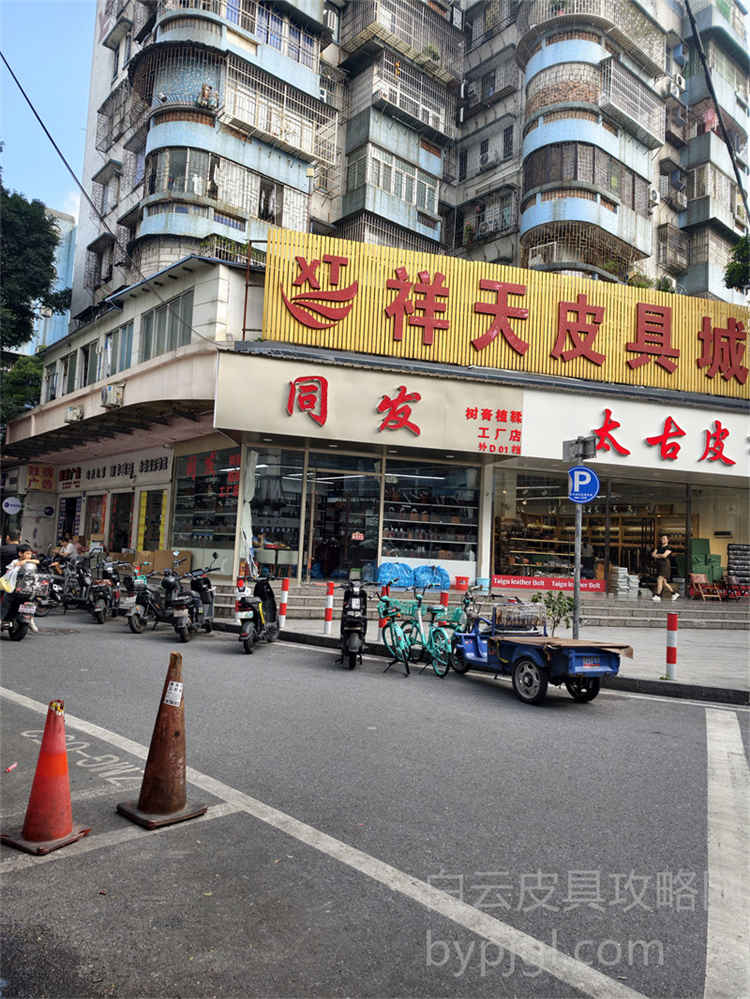
Stepping Into the Real Market: My Years in Guangzhou Leather
Welcome to my shop. I have been standing behind this counter in the Baiyun District for over fifteen years, watching the crowds come and go, from first-time buyers to seasoned importers who know exactly what they want. If you are reading this, you are probably planning a trip to Guangzhou or trying to navigate the supply chain from afar. Let me tell you something straight: there is no magic button online that replacs the experience of walking through these corridors. The internet is full of generic advice, but the real secrets are hidden in the dust, the noise, and the handshake deals you make face-to-face.
When people talk about sourcing high-end leather goods here, they often get confused by the maze of buildings. You need to understand that we are not talking about a single mall; it is an ecosystem. The main hub is the Grandview Plaza, also known as the Baiyun Leather City. It is massive, chaotic, and absolutely essential if you want to see the true quality of production. But do not stop there. The surrounding streets like Qianling and Shiqiao hold smaller workshops that produce even more specialized items. My job has always been to guide clients away from the tourist traps and into the actual factories wher the stitching happens.
Navigating the Floor: Wher to Look and What to Ignore
The Layout of the Main Hubs
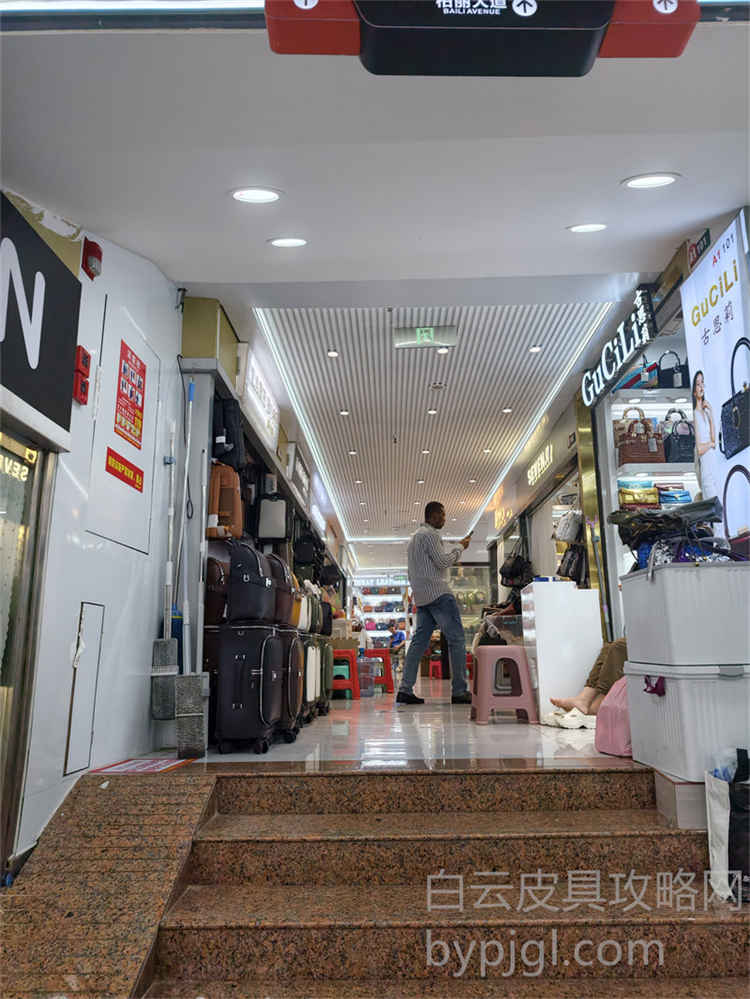
First things first, when you walk into the Grandview Plaza, ignore the flashy displays on the ground floor. Those are mostly for show, meant to catch the eye of casual shoppers or tourists looking for cheap souvenirs. The real action is on the upper floors, specifically the third and fourth levels. This is wher the serious wholesalers operate. These shops are not decorated with neon lights; they are packed with boxes, samples hanging on racks, and stacks of leather hides in the back room. You will notice that the staff here speak a mix of Cantonese, Mandarin, and broken English. Do not be intimidated. They are used to dealing with international buyers who want to cut out the middleman.
Distinguishing Quality Tiers
One of the biggest mistakes foreign buyers make is asking for "the best" without defining what that means. In our market, quality is tiered. There is the standard factory line, which is good for mass retail, and then there is the top-tier custom work that mimics the finest craftsmanship found globally. When you visit a stall, ask to see their "top grade" materials. Show them photos of the specific texture or hardware finish you need. A good owner will immediately pull out a sample from the back that matches your description. If they just point to the front display and say yes, run. That is usually a lower-quality batch meant for quick turnover, not for building a brand.
The Art of Inspection: Touch, Smell, and Stitching
Physical Verification is Non-Negotiable
You cannot judge the quality of a bag by a photo sent via WhatsApp. The lighting on a screen lies, and the texture feels different in reality. When you are at the counter, pick up the bag. Feel the weight. High-quality leather has a specific heft and grain that synthetic materials simply cannot replicate. Run your fingers over the edges. Are they finished smoothly? Is the glue visible? In my shop, we pride ourselves on hand-stitching details that machines miss. Ask to see the inside lining. Does it feel soft? Are the zippers heavy and smooth? These small details separate a premium product from a disposable one.
Checking the Hardware and Lining
Let's talk about the metal parts. Cheap plating fades within weeks. Inspect the clasps, buckles, and zipper pulls closely. Look for any scratches or uneven coloring. The hardware should feel solid, not hollow. Also, check the logo engraving. It should be crisp and deep, not shallow or blurry. Another critical area is the interior lining. Many suppliers use cheap fabric that tears easily. We insist on using durable canvas or genuine leather linings for our top orders. If you are buying for resale, this is wher your customers will notice the difference. A torn lining ruins the reputation of the entire brand.
Negotiation and Building Long-Term Relationships
Understanding MOQ and Pricing
Pricing in Guangzhou is never fixed. It depends on volume, material costs, and your relationship with the supplier. Do not be afraid to negotiate, but do not try to drive the price down to zero. That shows you do not understand the cost of labor and materials. Start by asking for their wholesale price list. Then, discuss the Minimum Order Quantity (MOQ). For new buyers, many shops are willing to start with a smaller batch to test the waters, perhaps 50 pieces, though the unit price will be slightly higher. As you grow, the price dros significantly. Remember, we are partners. If you promise consistent orders, we will give you priority on production slots and better pricing.
Payment Terms and Logistics
Never pay 100% upfront unless you have worked with this specific vendor for years. A standard deal involves a deposit, usually around 30%, with the balance paid before shipment or upon inspection. We accept various methods, including bank transfers and digital wallets, but always ensure you have a clear contract or order confirmation detailing the specifications. once the goods are ready, we can arrange shipping directly from our warehouse in Baiyun. We have relationships with freight forwarders who handle customs clearance efficiently. Just make sure you provide accurate documentation to avoid delays at the border.
Avoiding Common Pitfalls for Overseas Buyers
Beware of Fake Samples
One trick you might encounter is the "sample trap." A supplier sends you a perfect sample, but the bulk order arrives with inferior materials. To avoid this, always request a pre-production sample from the exact batch you intend to buy. Pay for it if necessary. Better yet, visit the factory yourself. If you cannot travel, hire a trusted local agent to inspect the goods before payment. I have seen too many buyers lose money because they trusted a photo instead of a physical inspection. Trust, but verify.
Communication Clarity
Language barriers can lead to costly errors. Be extremely specific about dimensions, colors, and hardware finishes. Use reference numbers or send detailed diagrams. Vague instructions like "make it look nice" will result in disappointment. Write everything down in an email after your verbal discussion. Confirm the timeline clearly. Production delays happen, so build in a buffer for shipping. By being organized and professional, you earn respect from the local vendors. They will treat you like a VIP rather than just another customer.
Guangzhou is a city of opportunity, but it requires patience and knowledge. The Baiyun Leather City is not just a place to buy bags; it is a window into the manufacturing world. If you take the time to walk the floors, touch the leather, and build genuine connections with the owners, you will find sources that offer unmatched value. Come prepared, stay curious, and let the quality speak for itself. That is how business is done here, year after year.







 On-site Visits
 Free Sharing
 Avoid Scams
 Updated Frequently
 For Reference Only