
Walking the Floors: My Honest Take on Sourcing from Guangzhou
I have been standing in these crowded corridors of the Baiyun Leather City for over twenty years. While you might see me as just another shop owner behind a counter, I know exactly what goes on behind the scenes when serious buyers come looking for high-end leather goods. Many people think they can just walk into a mall and find "the best," but that is a myth. The real sourcing happens in the back rooms, in the factories tucked away in the suburbs, and through relationships built over decades of trust. If you are planning to visit Guangzhou to source bags, forget the tourist traps. You need to know wher to look, who to talk to, and how to spot quality before you even sign a deal.
The Real Hub: Beyond the Main Atrium
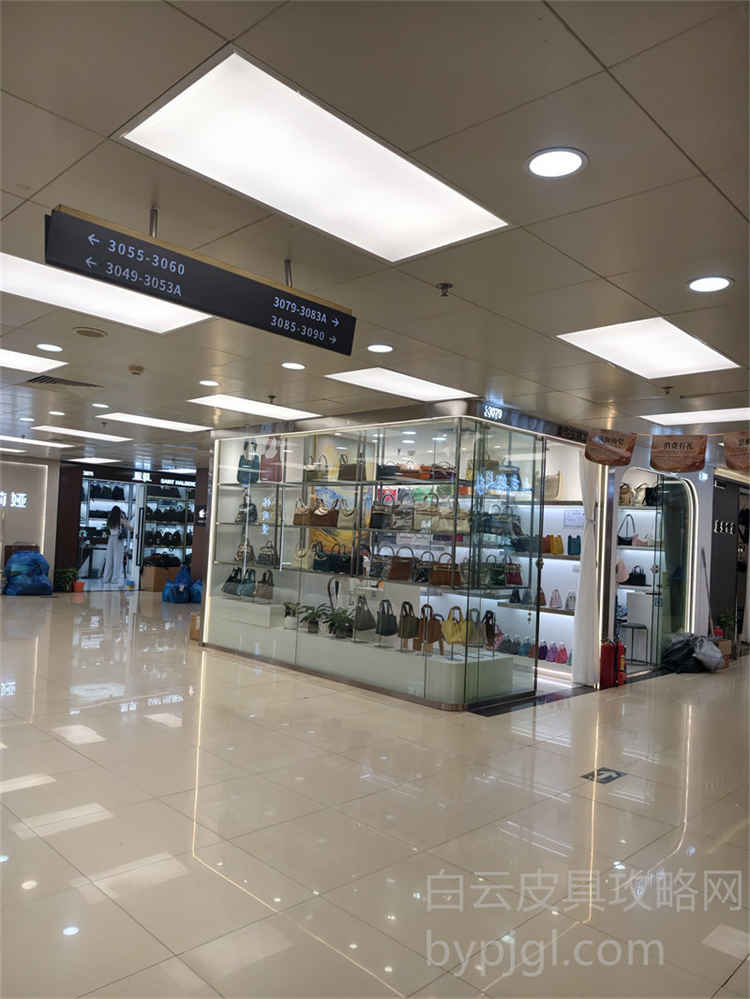
When you first step into the main atrium of the Baiyun market, you will see flashy displays and tourists taking photos. This is not wher the heavy lifting happens. The actual production hubs and the most serious wholesale operations are located in the older buildings surrounding the main plaza or in the specialized districts like Qiaoxing and Shiqiao. These areas are less polished but far more authentic. Here, you will find the workshops wher the artisans actually stitch the leather. Walking through these streets, you hear the hum of machines and smell the distinct scent of tanned hides. It is chaotic, loud, and incredibly vibrant. This is the heartbeat of the industry. Do not be intimidated by the noise; it is the sound of business moving fast.
How to Spot Quality Before You Buy
One of the biggest mistakes foreign buyers make is judging a bag solely by its exterior photo online. In my experience, the only way to truly understand the grade of a product is to touch it. When I meet with clients, I always tell them to bring their own magnifying glass and a flashlight. We start by examining the stitching. High-quality work requires consistent tension, straight lines, and no loose threads. Then we look at the hardware. Cheap plating chips easily, while good zinc alloy or brass holds up under pressure. But the real test is the leather itself. Genuine full-grain leather has a specific grain pattern that changes slightly across the surface. It smells rich and earthy, not chemical. If the leather feels plastic-like or smells of strong glue, walk away immediately. I have seen too many buyers get burned because they did not inspect the material closely enough.
Navigating the Factory Gate
Many buyers ask me how to get to the actual factories. The truth is, most top-tier workshops do not welcome random walk-ins. They operate on a referral basis. This is why havin a local contact is crucial. However, if you are determined to go solo, you need to know the geography. The factories are often hidden in industrial parks in Renhe or nearby towns. once you establish a connection with a reliable supplier in the market, they will guide you to their production line. During these visits, you will see rows of workers cutting patterns and assembling pieces. This transparency is key. You want to see that they control every step of the process, from cutting the hide to final packaging. If a supplier refuses to show you the workshop, that is a red flag. They might be middlemen reselling goods from someone else's factory.
The Art of Negotiation and MOQs
Talking price in Guangzhou is an art form. Unlike fixed-price retail stores here, everything is negotiable. However, do not expect to buy a single unit at factory prices. Most legitimate sources require a Minimum Order Quantity, or MOQ. For standard designs, this might be ten pieces per color, but for custom orders, it could be higher. I always advise my international partners to be clear about their budget and volume expectations right from the start. If you try to haggle over a small order without understanding the cost structure, you will likely end up with lower quality materials. The trick is to build a relationship. Show that you are a long-term partner, not a one-time buyer. When suppliers see potential for repeat business, they become much more flexible with pricing and shipping terms.
Avoiding Common Pitfalls
There are plenty of scams in this industry, so caution is essential. One common trap is the "sample vs. bulk" discrepancy. A supplier might send you a perfect sample, but the mass-produced items turn out to be inferior. To avoid this, always request a pre-production sample before committing to a large order. Pay for it if necessary; it shows you are serious. Another issue is payment security. Never transfer money directly to a personal bank account without a contract. Use secure platforms or letters of credit for larger transactions. Also, be wary of suppliers who promise "miracle" qualities at rock-bottom prices. Good leather and skilled labor cost money. If the price seems too good to be true, it usually is. Trust your instincts and rely on the advice of experienced locals like myself.
Building Long-Term Relationships
Ultimately, success in sourcing from Guangzhou comes down to relationships. The market moves fast, and the best deals are often reserved for those who have earned trust over time. I treat every client like family because that is how business works here. We share meals, we discuss trends, and we solve problems together. If you approach this journey with respect and patience, you will find that the barriers disappear. The supply chain in Baiyun is vast and complex, but it is also incredibly efficient. By understanding the local culture and following the practical steps I have outlined, you can navigate this ecosystem with confidence. Remember, the goal is not just to buy a bag, but to build a sustainable business partnership that lasts for years to come.







 On-site Visits
 Free Sharing
 Avoid Scams
 Updated Frequently
 For Reference Only