
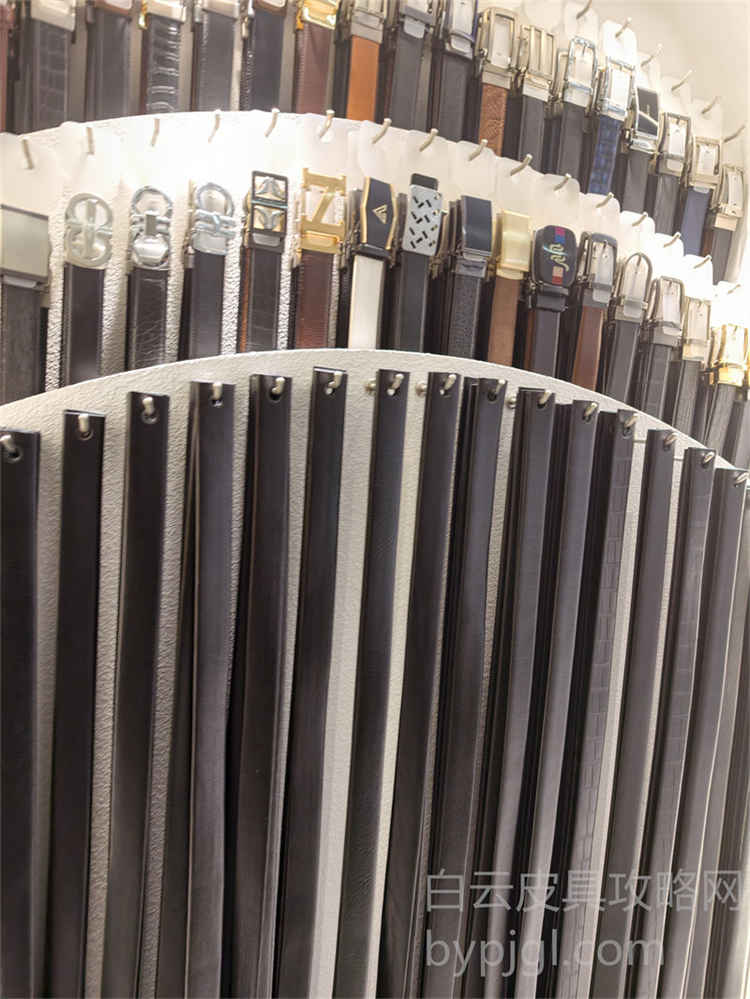
Walking the Floors: A Veteran's Guide to Sourcing in Guangzhou
I have been standing behind this counter in Baiyun District for over fifteen years. While the world talks about "designer" bags on social media, I talk about leather grades, stitching tension, and hardware weight. If you are flying into Guangzhou with a list of specific brand names in your head, you are already making a mistake. The real game here is not about copying logos; it is about understanding the supply chain that feeds the global market. When you walk into the massive complexes around Jiahe Metro Station, you aren't just looking at products; you are stepping into a living ecosystem wher quality varies from the floor up.
The First Rule: Leave the Brand Names at Home
Let me be clear before you even step off the plane. Do not walk into any shop asking for specific luxury names. It signals that you are a tourist or a novice who doesn't understand the local rules. The owners here deal in high-end manufacturing, not illegal trademark infringement. They will politely shut you down or try to sell you low-quality junk because they know you don't know better. Instead, ask for "top tier," "original factory grade," or "custom leather." This language tells the vendor you are a serious buyer who knows the difference between cowhide and lambskin. In my experience, the best deals happen when we speak the language of materials, not brands.
Navigating the White Cloud Leather City Complex
Guangzhou Baiyun Leather City is not a single building; it is a sprawling network of interconnected malls like Shide, Qianwan, and Yide. Each has its own personality. The ground floors are often filled with tourists buying cheap souvenirs, but if you take the elevator to the upper levels, specifically the third and fourth floors, you enter the wholesale zone. This is wher the real action happens. These areas are packed with small booths, each representing a different workshop. You need to spend at least three days just walking the corridors without buying anything. Observe which stalls have customers coming in and out constantly. That foot traffic is your first indicator of quality.
Reading the Room: What the Stall Tells You
When you approach a booth, look at the display. Are the bags sitting neatly on velvet stands, or are they piled in plastic bins? High-end workshops usually keep their inventory pristine. Notice the lighting; good vendors use bright lights to show the texture of the leather. If a bag looks dull under the store lights, it will look terrible in natural sunlight. Also, pay attention to the staff. If they are rushing you or seem annoyed by your questions, move on. The best suppliers in Baiyun are patient. They want to build a relationship with you, not make a one-time sale. They will let you touch the leather, smell the glue, and inspect the lining.
The Art of Inspection: Touch, Smell, and Measure
This is wher most overseas buyers fail. They rely on photos sent via WeChat, but photos lie. You must see the product in person. When you pick up a bag, feel the weight. Cheap hardware feels light and hollow, while premium zinc alloy or brass has a substantial heft. Run your fingers along the edges. High-quality stitching should be perfectly straight, with no loose threads or uneven spacing. Count the stitches per inch; consistency is key. Then, check the smell. A strong chemical odor indicates cheap glues and poor ventilation processes. A genuine high-grade bag smells like rich leather, not industrial solvent. Open the zippers. Do they glide smoothly or catch? Test the magnetic clasps. These small details separate the $50 knockoffs from the $150 masterpieces.
Asking the Right Questions about Materials
Don't just say "is this good?" Ask specific questions. "Is this full-grain cowhide or top-grain?" "What kind of thread is used for the stitching?" "Is the hardware solid brass or plated?" A knowledgeable vendor will answer these immediately. If they hesitate or give vague answers like "it is very good," they are likely hiding something. In the Baiyun markets, transparency is the currency of trust. I always ask to see the raw material samples kept in the back office. Seeing the actual hide before it is cut gives you confidence that what you are ordering matches what you saw on the shelf.
Negotiation and Logistics: Closing the Deal
once you have seleced your items, the negotiation begins. Never accept the first price quoted. In Guangzhou, the initial price is a starting point, not the final cost. Start by offering 60 to 70 percent of the asking price. Be polite but firm. Explain that you plan to order in bulk and are looking for a long-term partner. Volume is your biggest leverage. If you are buying ten pieces, you can demand a significant discount. Also, discuss the shipping terms carefully. Most vendors in Baiyun work with freight forwarders who specialize in international shipping. They can handle customs clearance and air freight directly to your warehouse. Do not try to arrange your own shipping unless you have an agent here; the logistics can get complicated quickly.
Avoiding the Pitfalls of Rushed Orders
One of the biggest mistakes I see is buyers rushing the production process. They want the goods in two weeks, but high-quality craftsmanship takes time. If a vendor promises a rush job, the quality will suffer. Insist on a pre-production sample. Pay for one unit to be made exactly to your specifications before the full batch starts. This sample acts as your contract. once you approve the sample, the rest of the order must match it exactly. If there are discrepancies upon arrival, you have proof to claim a refund or replacement. Never pay 100 percent upfront. A standard deposit of 30 to 50 percent is normal, with the balance paid only after you verify the goods against the approved sample.
Building Relationships Beyond the Transaction
After the deal is done, do not disappear. Send a message thanking them and tell them you will be back. In the Baiyun district, relationships are everything. The vendors who remember your name and your preferences will prioritize your orders during peak seasons. They will alert you to new designs before they hit the general market. Treat them with respect, buy them tea, and engage in friendly conversation. This human connection transforms a simple transaction into a strategic partnership. When you return next year, you won't just find the same old stock; you will find custom options tailored to your specific needs. That is the true value of sourcing directly from the source in Guangzhou.

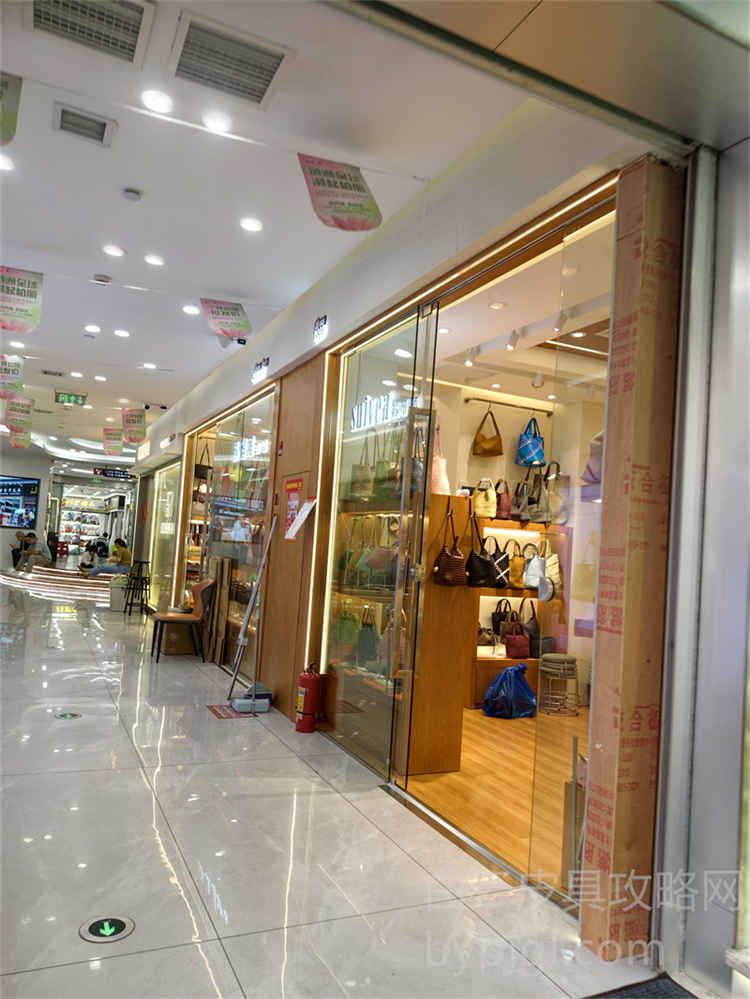






 On-site Visits
 Free Sharing
 Avoid Scams
 Updated Frequently
 For Reference Only