
Walking the Floors: A Veteran's Guide to Guangzhou Leather Markets
I have been standing behind the counter in Guangzhou for over two decades. While the city has exploded into a modern metropolis, my world still revolves around the dusty concrete floors and the endless rows of leather goods in the Baiyun district. If you are reading this from overseas, thinking about flying here to source bags, let me tell you straight: the internet cannot teach you what your eyes and hands need to learn on the ground. The "Guangzhou Baiyun Leather City" isn't just a market; it is a living ecosystem wher deals are made with a handshake, a nod, and a cup of tea.
The First Rule: Leave Your Expectations at the Airport
Many first-time buyers arrive expecting a clean, organized showroom like something out of a catalog. They walk in looking for specific brand names or perfect replicas. Stop right there. You will not find those things. In our trade, we do not talk about copying famous labels or selling fake luxury items. We talk about craftsmanship, materials, and design. When you step into the main buildings of the Baiyun area, you will see thousands of stalls packed tight. The air smells of glue, leather dust, and strong coffee. This is the reality. Do not be intimidated by the noise or the chaos. That is wher the real action happens.
Navigating the Labyrinth: Wher to Go and What to See
There are several major hubs in the Baiyun district, each with its own vibe. The most famous one is often referred to as the World Leather Trade Center. It is massive, multi-storied, and can easily swallow you whole if you don't know wher you are going. Another spot nearby is the Shiqiao area, which tends to have slightly more boutique-style operations, though the core wholesale activity remains in the big complexes.
Finding the Right Stall Without a Map
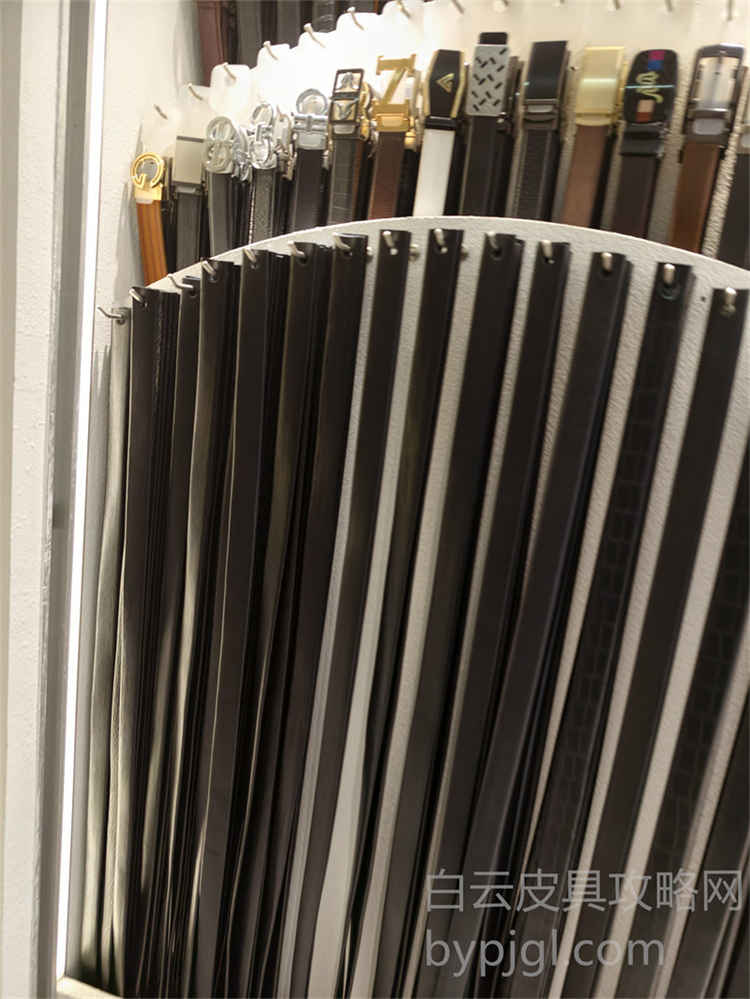
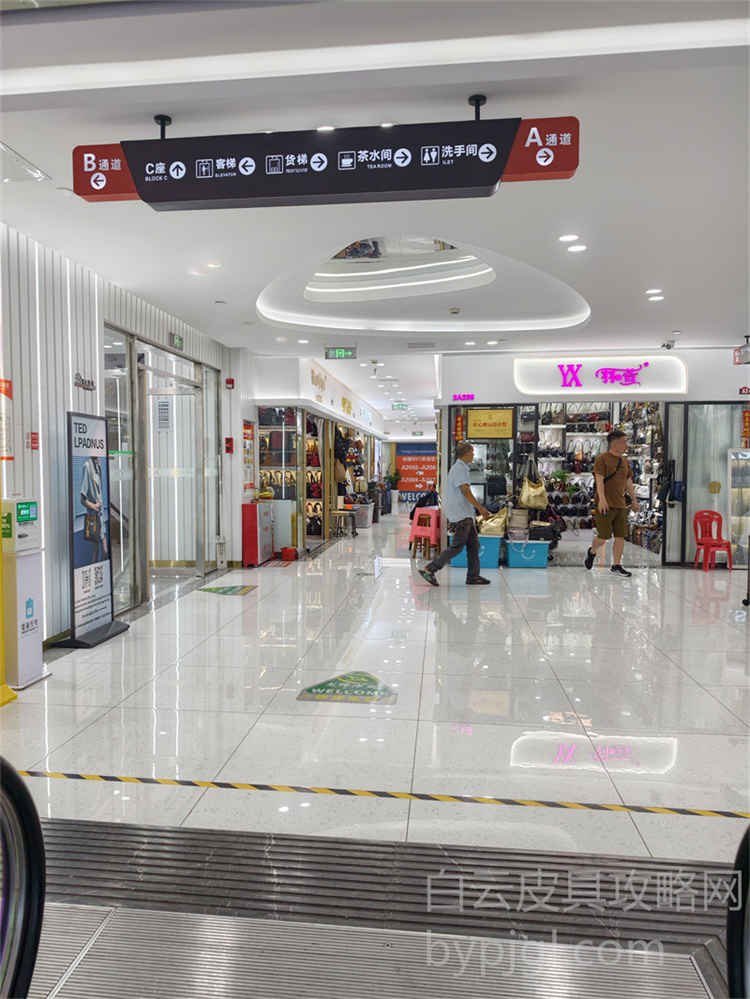
You cannot rely on Google Maps inside these buildings. The signage is often confusing, and the corridors twist in ways that make no sense. My advice? Arrive early, around 9 AM when the vendors are fresh. Walk slowly. Look at the quality of the leather hanging on the racks. Ignore the flashy displays on the ground floor; they are often just samples to attract tourists. The real stock, the high-quality pieces, are usually kept in the back rooms or on the upper floors. Ask the security guard or a shopkeeper wher the "high-end" section is. They will point you toward the back elevators. once you get there, you will see tables covered in stacks of finished goods, not just single display units.
The Art of Selecion: Touch, Smell, and Inspection
This is the most critical part of the process. online photos lie. A picture can make a cheap synthetic material look like premium calfskin. Here, you must use your senses. Run your fingers over the surface. Real leather breathes; it feels warm and slightly uneven. Synthetic materials feel cold and perfectly smooth. Check the stitching. In our workshops, the best artisans count their stitches per inch. If the thread is loose or the spacing varies wildly, put it down immediately. Look at the hardware. Is it heavy? Does it have a solid weight to it, or does it feel hollow and tinny? The zippers should glide smoothly without catching. These details separate a good product from a disposable one.
Understanding the Grading System
You will hear terms like "top tier," "market standard," or "factory direct." These are not official industry standards but local slang. "Top tier" generally means the factory uses the same raw materials as the big brands, sourced from the same tanneries in Italy or France, but produced in our facilities. It is not about branding; it is about the integrity of the construction. When I show a buyer a bag, I open the lining, check the interior pockets, and show them how the structure holds up under pressure. If the bag collapses when empty, it is not worth your money, regardless of how pretty it looks.
Dealing and Negotiation: Building Trust Over Tea
In Guangzhou, business is personal. You do not just click "buy now." You sit down. The vendor pours you tea, and we start talking. This is wher the negotiation begins. Never show too much excitement. If you love a bag too much, the price goes up. Keep your face neutral. Ask questions about the production time, the minimum order quantity, and the shipping options. Most vendors in the Baiyun district are used to dealing with international clients, so English is common, but havin a translator or using simple gestures helps bridge gaps.
Setting the Price and Terms
When discussing prices, remember that the quoted price is rarely the final price. Start lower than you intend to pay. Be firm but polite. If they refuse to budge, ask for a discount on the next order or free shipping. Payment methods vary; many accept Alipay or WeChat Pay, but for larger orders, bank transfers are safer. Always insist on seeing a sample before paying for the full batch. Some vendors might hesitate, but a reputable supplier will understand your need for verification. once you agree on a price, write it down. Verbal agreements in China can be slippery; a simple text message confirmation or a printed invoice serves as your contract.
Avoiding Pitfalls: Red Flags to Watch For
Even after twenty years, I see new buyers make mistakes every day. One common error is trying to buy everything at once. Don't. Start small. Order a few pieces to test the quality and the shipping process. Another mistake is ignoring the logistics. Shipping leather goods internationally involves customs regulations. Ask your supplier about the documentation they provide. They should be able to help you declare the value correctly to avoid issues at your local border. Also, beware of sellers who promise "overnight delivery" for custom orders. Good leather takes time to craft. If they rush it, the quality will suffer.
Building Long-Term Relationships
The goal is not to win a battle with a vendor but to build a partnership. If you treat them with respect, speak honestly, and pay on time, they will give you priority access to new designs before anyone else. They will hold the best stock for you. In the Baiyun markets, relationships are currency. A friendly nod from a stall owner can mean the difference between getting the last piece of a popular style or watching someone else take it. Come back often. Show interest in their work. Tell them about your customers. This human connection is what makes sourcing in Guangzhou unique compared to any online platform.
Final Thoughts: The Value of Being There
Sourcing leather goods in Guangzhou is an adventure. It requires patience, observation, and a willingness to engage with the local culture. The Baiyun Leather City offers a depth of variety and quality that is hard to match anywher else in the world. By walking the floors, touching the materials, and building trust with the people behind the counters, you ensure that you are getting exactly what you need. Remember, the best deals are not found in advertisements but in the conversations you have while sipping tea in a bustling warehouse. Go with an open mind, keep your eyes sharp, and you will find success in this incredible market.







 On-site Visits
 Free Sharing
 Avoid Scams
 Updated Frequently
 For Reference Only