
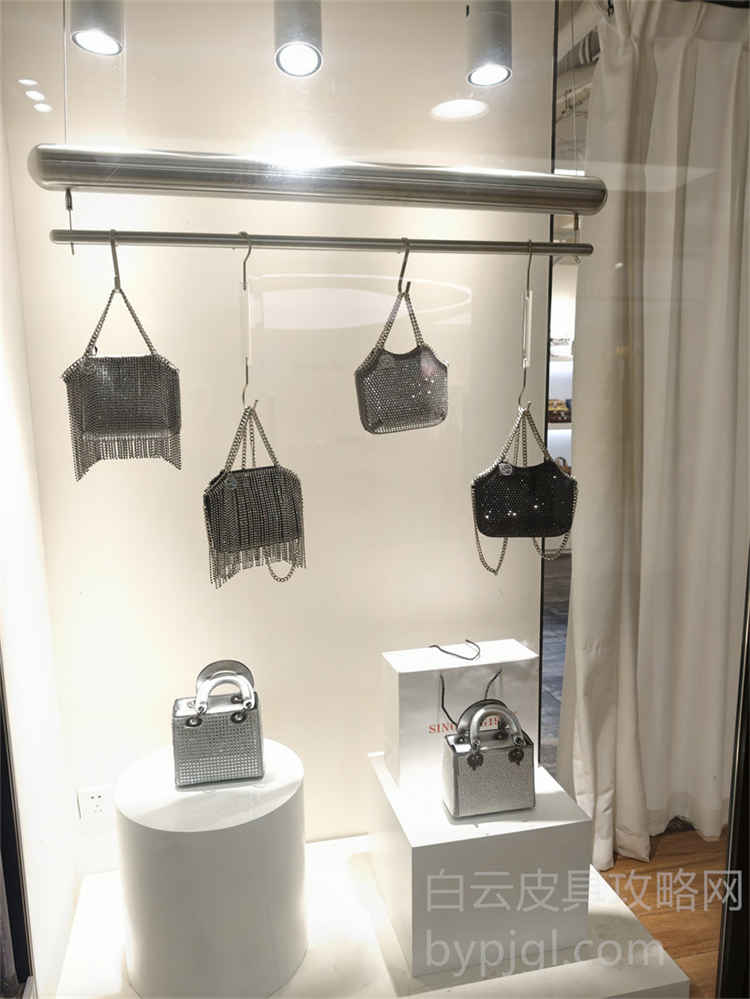
Walking the Floors: My Honest Take on Pricing in Guangzhou's Leather District
I have been standing behind this counter in Baiyun for over twenty years. While the world outside talks about trends and seasons, we here just talk about leather, stitching, and the price you can actually walk away with. You are probably asking me right now, what is the real cost of a high-end bag in Guangzhou? It is not a single number. It is a conversation that starts with how much you know about the product and ends with how well you negotiate.
Many people come to the Baiyun Leather City expecting a fixed price tag like they see in a mall. That is the first mistake. Here, the price is fluid. It depends entirely on the grade of the material, the complexity of the hardware, and most importantly, the relationship you build with the stall owner. If you walk in looking like a tourist, you will pay double. If you walk in like a buyer who knows wher to look, you get the wholesale rate. Let me break down exactly how these prices work so you do not get ripped off when you visit the market.
The Three Tiers of Quality and What They Cost
The Street Level Goods
First, let us talk about the cheap stuff. You will see these everywher on the lower floors or even on the street stalls near the subway. These are made with synthetic leather, often called PU or PVC. The stitching is loose, the zippers stick, and the smell is strong. In my shop, I do not even stock these anymore because the demand has shifted. But if you are looking at them, expect to pay between 50 to 150 RMB. Do not waste your time trying to buy these as gifts or for resale; they simply do not hold up. This is the bottom of the barrel, and the price reflects it perfectly.
The Mid-Range Standard
This is wher most casual buyers end up. We call this the "market standard" quality. The leather is cowhide or goat skin, but it might be from a slightly older batch or a less premium tannery. The hardware is zinc alloy rather than solid brass, and the lining is polyester instead of cotton. For these bags, the price usually sits between 300 and 600 RMB. When I show these to my regular customers, I tell them, "This looks good from three feet away." It is decent for daily use, but if you run your finger over the logo or check the zipper pull, you will notice the difference. It is a fair price for what you get, but it is not the top tier.
The Top Tier Masterpiece
Now, this is what serious buyers come to Guangzhou for. This is the "original factory" quality. We use the same leather suppliers as the big brands, sometimes even the same batches. The hardware is solid metal, plated with gold or silver that does not fade easily. The stitching is done by masters who have worked for decades, matching the exact angle and tension. The dust bags, cards, and packaging are all included. For this level of craftsmanship, the price ranges from 800 to 1,500 RMB depending on the size and model. Yes, it sounds expensive compared to the street goods, but compare it to the retail price anywher else in the world, and it is still a fraction of the cost. This is the sweet spot for anyone looking for value without compromising on feel.
Navigating Baiyun Market: A Local's Strategy
Wher to Start Your Search
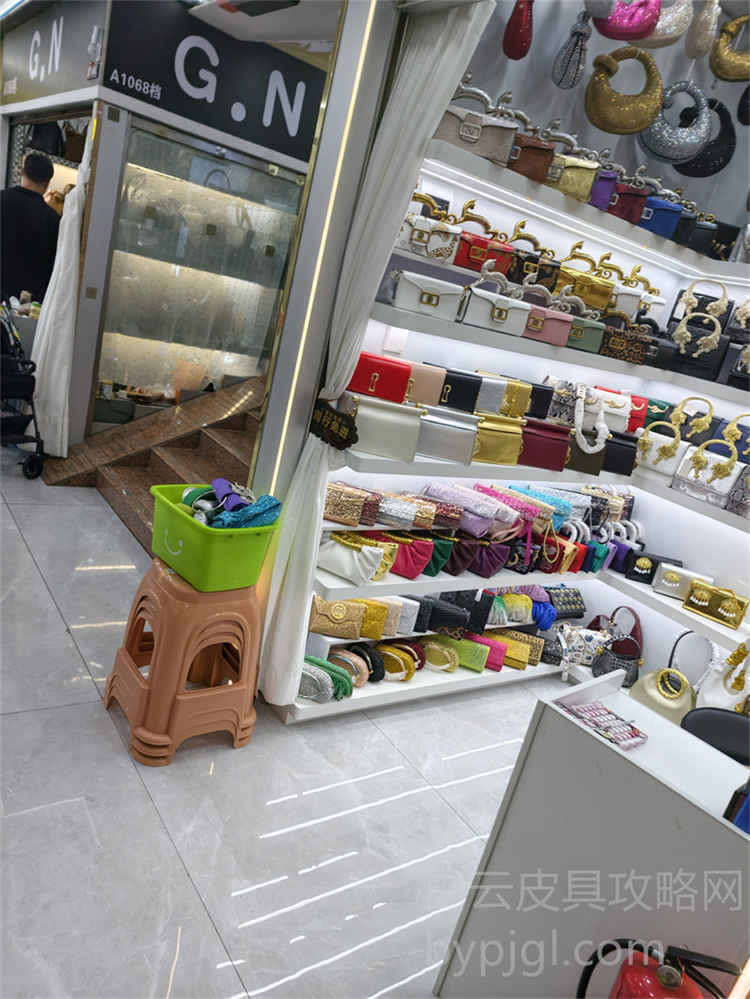
When you arrive at the Baiyun Leather City, do not just wander aimlessly. The market is huge, and the layout changes every few years. Start at the main entrances of the larger buildings like the World Trade Center or the nearby specialized malls. Avoid the ground floor corridors wher the tourists hang out; that is wher the markup is highest. Head straight for the upper floors. That is wher the real wholesalers operate. Look for stalls that have stacks of boxes behind the counter, not just one display bag. If a stall only shows one bag, they are likely a middleman reselling to other shops. You want the source.
How to Talk to the Stall Owner
Communication is key. Do not ask, "How much is this?" immediately. Instead, ask, "What grade is this leather?" or "Is this the same hardware as the original?" Use terms like "top quality," "genuine leather," and "same factory." When you speak confidently, the owner knows you are not a pushover. They will stop quoting the tourist price and give you the real wholesale price. If they hesitate or try to change the subject, move on. There are hundreds of stalls in Baiyun. Find the one that answers your questions directly and treats you like a partner.
The Art of Inspection and Negotiation
Checking the Details Before You Pay
Never buy a bag without inspecting it thoroughly. Bring a small flashlight to check the inside of the bag. Look for loose threads, uneven glue marks, or misaligned patterns. Check the zipper. Does it glide smoothly? Is the logo engraved deeply or just stamped on the surface? Feel the weight of the hardware. Cheap hardware feels light and hollow. Good hardware feels substantial. Ask the owner to open the bag and show you the interior pockets. If they refuse or seem nervous, put the bag down and walk away. Trust your gut. In this business, a bad deal happens fast, but a good deal takes patience.
Negotiating the Final Price
once you have found a bag you like and verified its quality, the negotiation begins. Start by offering a price that is slightly lower than their initial quote. If they say 1,000 RMB, offer 800. Be polite but firm. Mention that you are buying multiple items or that you plan to return next month. Volume is your best weapon. If you are buying just one bag, you might get a discount of 50 to 100 RMB. If you are buying five or ten, you can drive the price down significantly. Remember, the owner wants to clear inventory. If you make the deal look easy and profitable for them, they will meet you halfway. Cash is king here, so havin RMB ready can speed up the process and sometimes secure an extra discount.
Avoiding Common Pitfalls for Overseas Buyers
Shipping and Customs Risks
One of the biggest mistakes overseas buyers make is ignoring shipping logistics. Do not assume the stall owner handles everything. Many smaller stalls do not have experience with international shipping. Ask them to recommend a reliable freight forwarder who specializes in sending goods abroad. They should know how to pack the bags securely to prevent crushing during transit. Also, be aware of customs regulations in your country. Some countries have strict rules about importing certain types of goods. Do not lie about the value on the invoice if asked, but discuss with your forwarder how to declare the goods properly to avoid seizures. Safety first.
Beware of Fake Samples
Sometimes, a seller will show you a perfect sample but send you a different product later. This is rare among honest long-term owners, but it happens. Always take photos of the specific bag you are buying before you pay. Mark any unique scratches or features on the bag so you can identify it when it arrives. If possible, ask for a video call inspection before you transfer the money. This builds trust and ensures you get exactly what you paid for. In Guangzhou, reputation matters more than a single transaction. A good owner will never risk their reputation for a quick sale.
Final Thoughts on Building a Relationship
Buying in Guangzhou is not just a transaction; it is a relationship. If you treat the stall owners with respect, listen to their advice, and pay on time, they will treat you like family. They will save the best pieces for you, warn you about new trends, and help you find rare items that are hard to locate. The pricing structure in Baiyun is transparent if you know how to read the room. Stop worrying about the numbers and start focusing on the quality and the connection. Come back next season, bring a friend, and keep building your network. That is how you truly master the art of sourcing in China.







 On-site Visits
 Free Sharing
 Avoid Scams
 Updated Frequently
 For Reference Only