
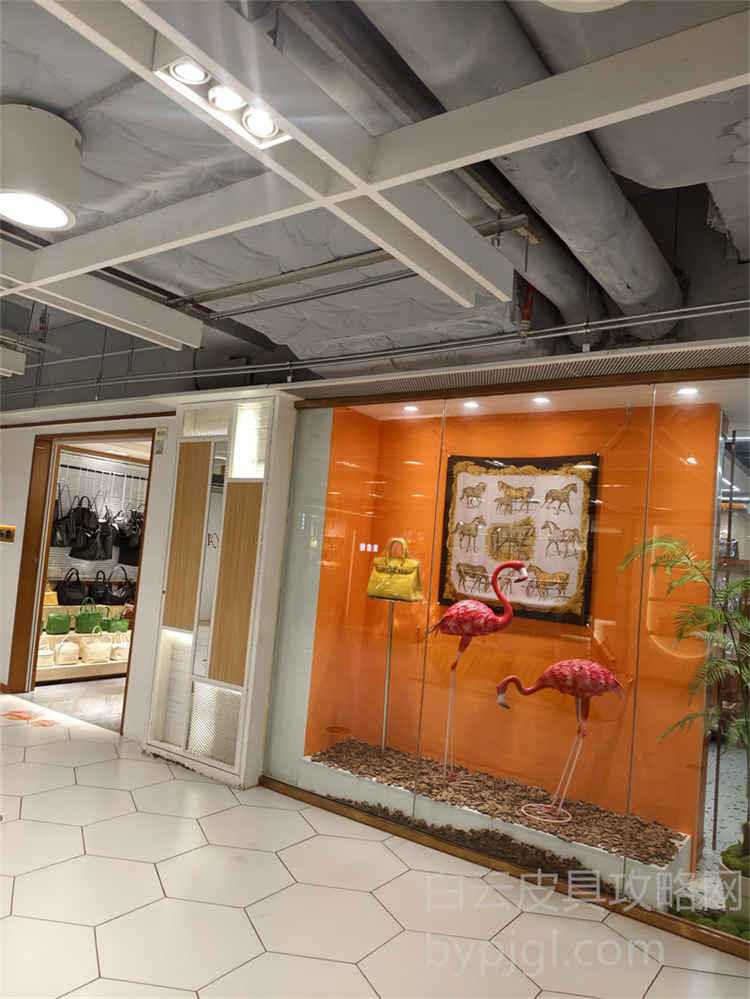
Walking the Floors: My Real Talk on Sourcing from Guangzhou
I have been standing behind this counter in the Baiyun district for over twenty years. While the internet tries to sell you a dream of ordering online with a click, I know the truth: the real magic happens when you walk into the market, touch the leather, and look a supplier in the eye. Many of my overseas friends come here thinking they can just buy "luxury" goods at street prices, but that is not how we do business. We deal in high-quality craftsmanship, premium materials, and specific manufacturing standards that rival anything you see in department stores. If you are planning a trip to Guangzhou to source bags, let me tell you what actually goes on behind the scenes.
The First Step: Leave Your Expectations at the Door
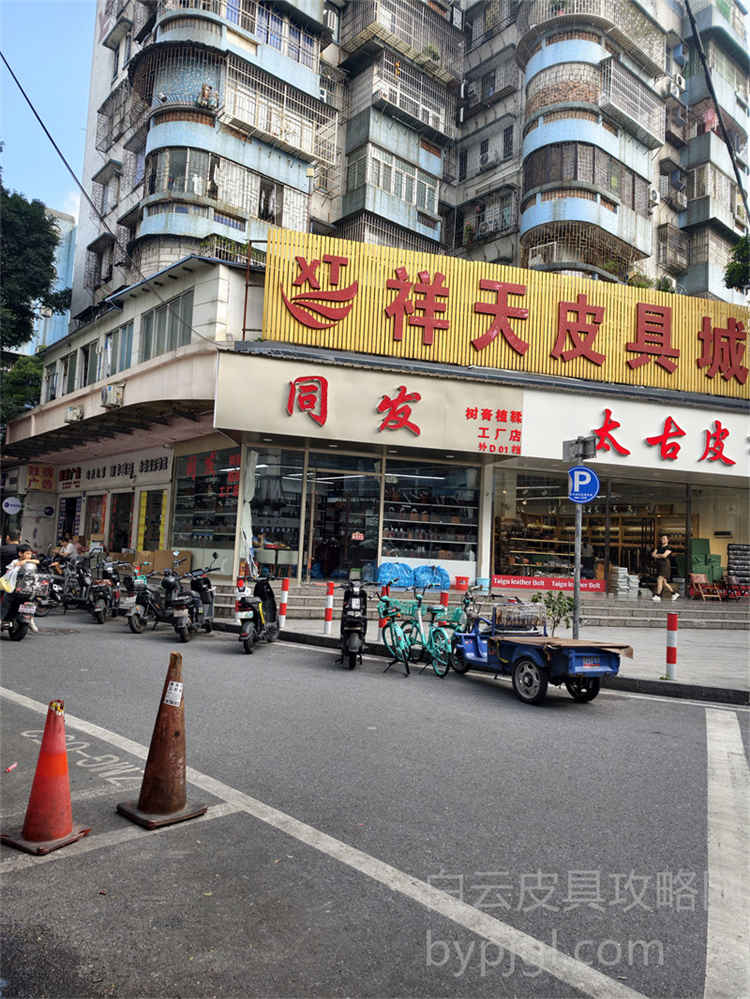
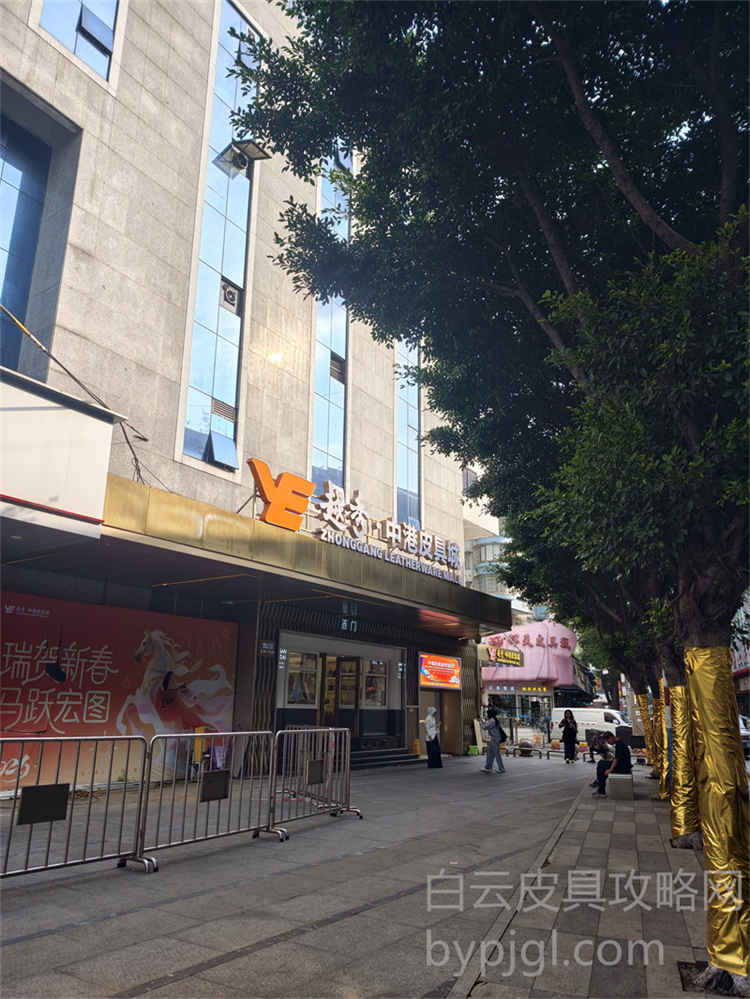
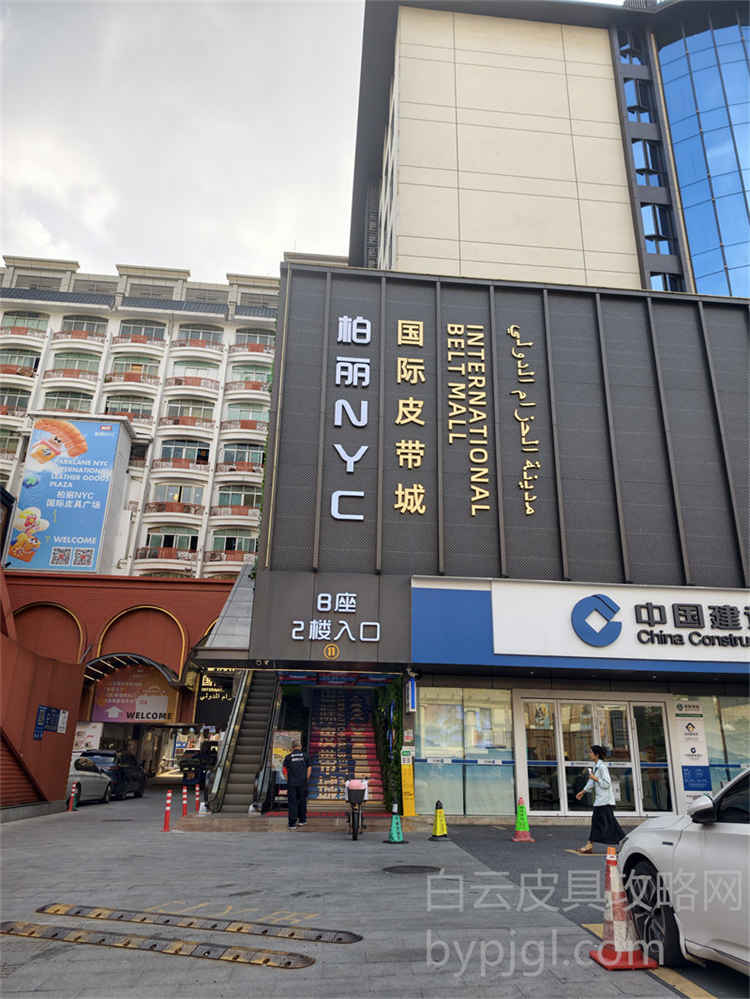
When you first step into the massive complex near the airport, it can be overwhelming. The noise, the crowds, the endless rows of stalls—it is chaotic. Do not expect to find a quiet boutique experience. This is wholesale territory. You will see signs everywher advertising various grades of production. Listen to me closely: ignore the guys shouting about "top tier" or "mirror finish" on the street corner. Those are usually traps for tourists who want to get ripped off. The real action happens inside the buildings wher the serious buyers go. You need to find the established booths that have been there for a decade, not the ones that pop up and disappear every few months.
Navigating the Market: Wher to Look and What to Ask
once you are inside, your goal is to find the right booth. Most of these shops operate on a dual model. They make their own designs and they also produce based on client specifications. When you approach a stall, do not ask for names of famous brands. That immediately flags you as a tourist looking for something illegal. Instead, talk about the quality of the hardware, the type of leather, and the stitching density. A good supplier will appreciate your knowledge of materials rather than your desire for a logo.
Reading the Room: Spotting the Serious Sellers
You will notice some stalls have piles of finished goods while others have rolls of raw material. The ones with the raw materials are often the manufacturers themselves. They control the supply chain from the hide to the final stitch. These are the people you want to talk to if you are looking for consistency. Ask them about their tanning process. Are they using vegetable-tanned leather or chrome-tanned? How do they handle the lining? If they hesitate or give you a generic answer, move on. The best suppliers in Baiyun are proud of their craft and will happily explain the difference between Italian calfskin and high-grade cowhide.
The Art of Selecion: Touch, Smell, and Detail
Never buy a bag without touching it. In the digital age, photos lie. On the floor, the texture tells the whole story. Run your hand over the surface. Does it feel soft and supple, or does it feel stiff and plastic-like? Check the smell. High-quality leather has a distinct, rich aroma. If it smells like chemicals or glue, put it back. Look at the edges. Are they painted neatly, or is there excess glue oozing out? The edge painting is a hallmark of quality. It should be smooth, even, and match the color perfectly.
Hardware and Stitching: The Devil is in the Details
Open the zipper. Does it glide smoothly or does it catch? Good zippers are heavy and solid, not flimsy and light. Check the stitching again. Is it straight? Are the stitches per inch consistent? Hand-stitched bags often have a slight variation that shows human care, while machine-stitched ones should be perfectly uniform. If you see loose threads or uneven spacing, that is a red flag. Also, check the weight. A well-made bag feels substantial. It should not feel like a toy. This attention to detail is what separates a cheap knockoff from a product that could stand next to any luxury item on a shelf.
Negotiation and Logistics: Getting Your Order Right
once you have picked your items, the negotiation begins. Prices vary wildly depending on the quantity and the customization level. Do not be afraid to haggle, but be respectful. Start by asking for the factory price, not the retail markup. If you are buying in bulk, you have leverage. Ask about the minimum order quantity. Some booths might say no to single pieces, but many are willing to sell samples if you pay a bit more. once you agree on the price, discuss the payment terms. Cash is king here, but bank transfers are common for larger orders. Always get a receipt or a detailed invoice listing the items and agreed-upon specs.
Shipping and Customs: Don't Get Caught Off Guard
This is wher many people fail. You cannot just walk out with a suitcase full of bags and expect to clear customs easily. Be honest with yourself about what you are bringing home. Declare everything properly. If you are shipping via a freight forwarder, make sure they understand your destination country's regulations. Do not try to hide the contents. The customs officers are smart. They know the difference between a genuine product and a replica. Focus on selling the quality and the design, not the brand name. If you are importing for resale, ensure you have the proper documentation to prove the origin and value of the goods.
Final Thoughts: Building Relationships Over Transactions
My advice to anyone coming to Guangzhou is simple: build a relationship. Come back. Show loyalty to the vendors who treat you with respect and provide quality goods. The market changes fast, but the good suppliers remain. They remember your face, your preferences, and your standards. When you return, you will find better deals and priority service. This is not a one-time shopping spree; it is a partnership. Take your time, inspect every piece, and trust your instincts. The bags you bring back will speak for themselves, not because of a logo, but because of the undeniable quality of the workmanship. That is the true secret of the Baiyun market.

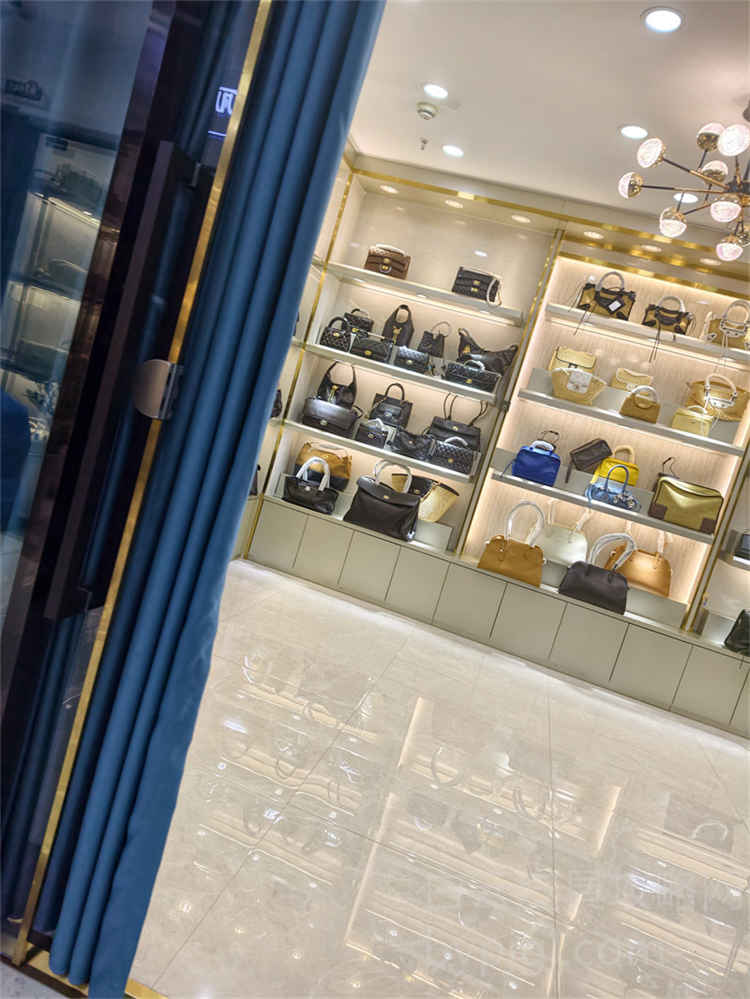
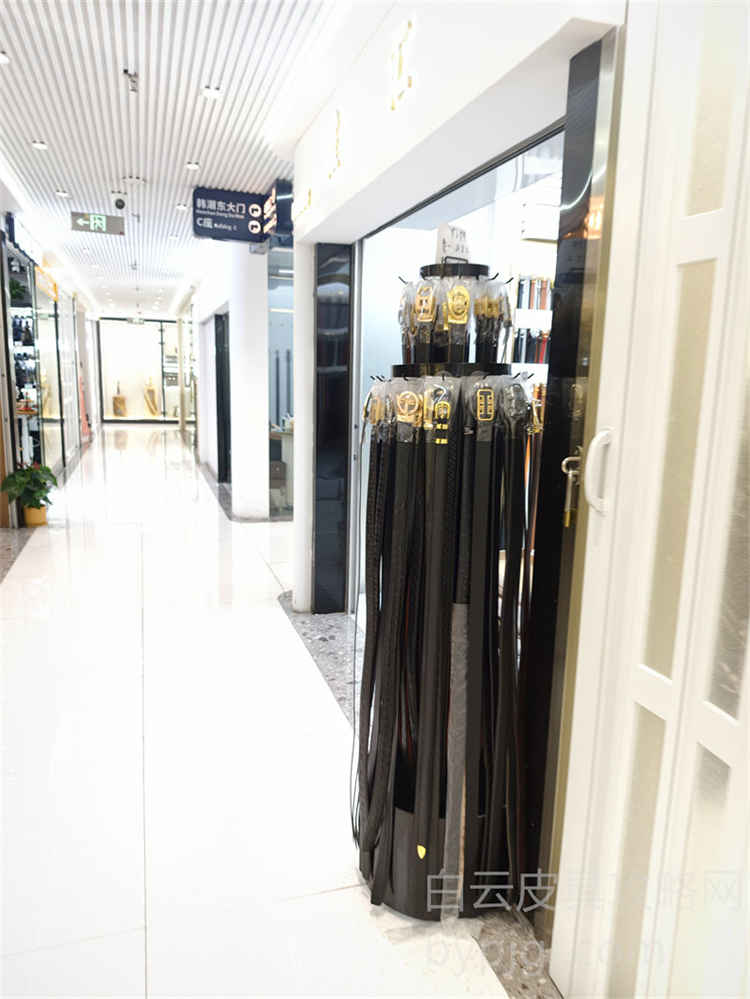
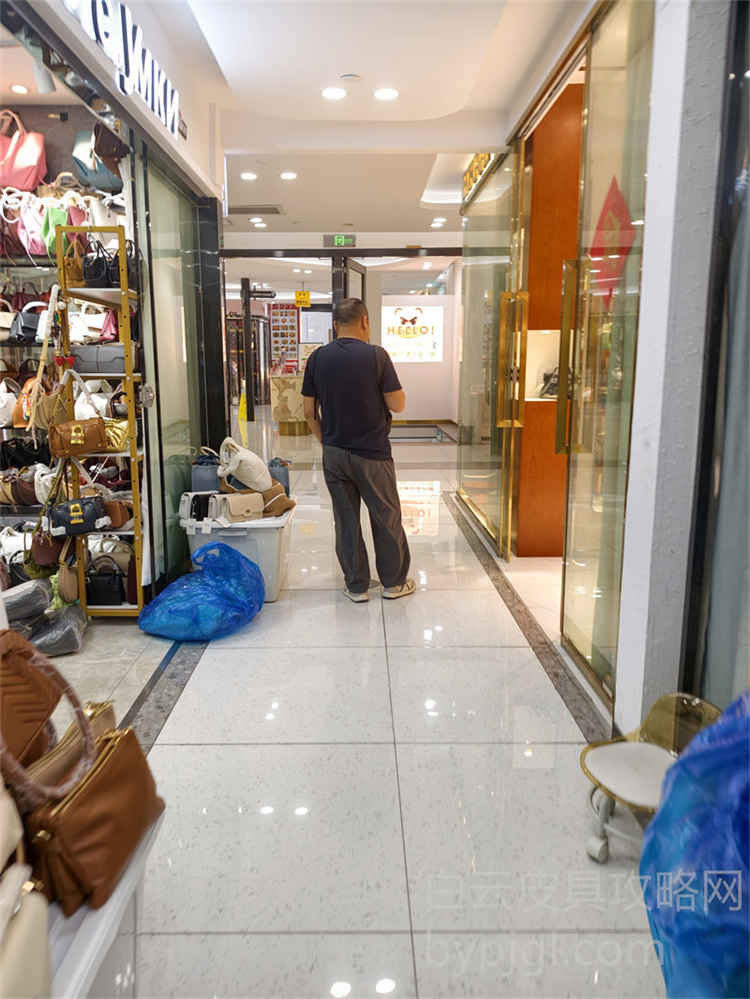

 On-site Visits
 Free Sharing
 Avoid Scams
 Updated Frequently
 For Reference Only