
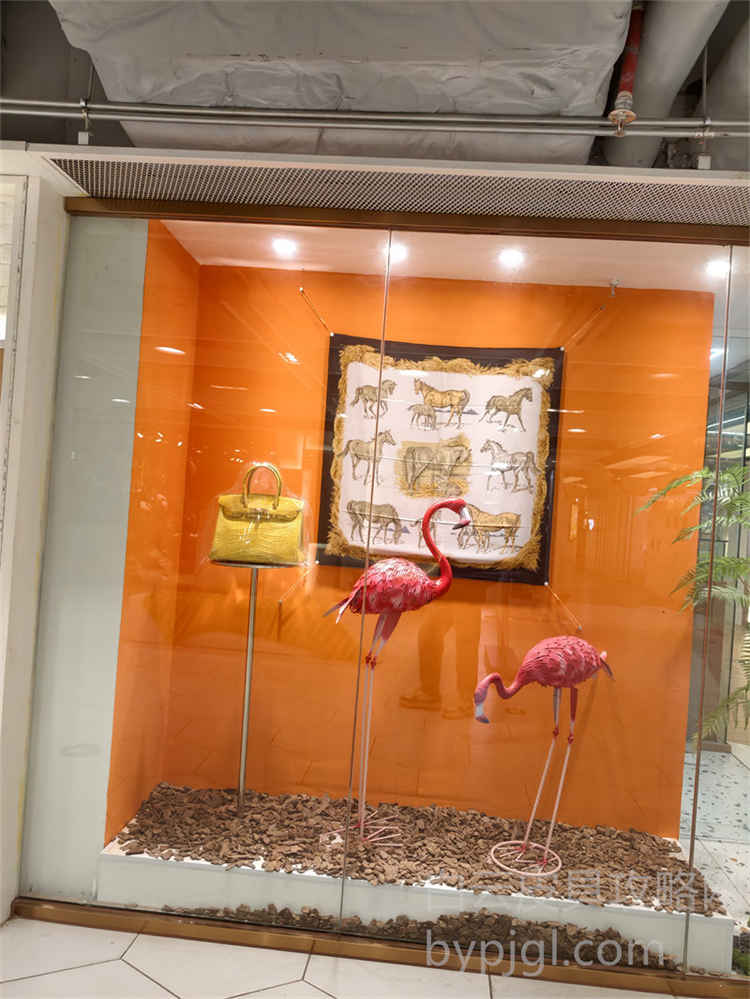
Stepping Into the Heart of Leather: My Honest Guide to Sourcing Bags in Guangzhou
Welcome to the real deal. I have been standing behind my counter in the bustling corridors of Guangzhou for over fifteen years. While you might see glossy brochures or read generic guides online, nothing beats the smell of fresh leather and the chaotic energy of the wholesale markets here. If you are planning a trip to source bags, forget what you think you know about "shopping." This is business, it is intense, and it requires a sharp eye. Let me walk you through exactly how to navigate this maze like a local who has seen it all.
The First Rule: Leave Your Ego at the Door
When you first step into the main hubs, especially the massive complexes near Baiyun District, you will feel overwhelmed. The sheer volume of stalls stretching as far as the eye can see is designed to confuse outsiders. Do not try to look like a tourist. Dress simply, speak clearly, and get straight to the point. Many shop owners here deal with international buyers daily, but they can spot a novice from a mile away. If you ask for "the best quality" without specifying materials or construction details, you will be led to the most expensive section, which might not even be right for your target market. Be specific. Ask about the type of cowhide, the hardware weight, and the lining material immediately.
Navigating the Giants: Inside the Major Markets
You cannot talk about sourcing in Guangzhou without mentioning the giants that dominate the landscape. These are not just malls; they are ecosystems wher thousands of transactions happen every single day. The most famous cluster is located around the Baiyun area, often referred to collectively as the Baiyun Leather City complex. It is a sprawling network of buildings, each with its own vibe and specialty.
Understanding the Hierarchy of Buildings
Within this district, different buildings cater to different tiers of production. Some structures house the top-tier workshops that supply the highest-end boutiques globally. Here, the craftsmanship is meticulous, the leather is premium, and the prices reflect that exclusivity. Other buildings nearby focus on mid-range goods, offering excellent value for money with solid construction but slightly less exotic materials. Then there are the lower-level stalls that push out faster fashion items. As an old hand, I tell my clients to start at the higher end of the spectrum. Even if you do not buy everything there, seeing the peak quality sets a benchmark for what you should expect. It helps you identify when a lower-priced item is actually cutting corners.
The Layout and How to Move Efficiently
These markets are labyrinths. Stalls are packed tightly together, often sharing walls. You need a strategy. Do not wander aimlessly. Pick one building and commit to it before moving to the next. Most successful buyers spend three days just exploring the upper floors of the premier buildings. Notice how the layout changes? The ground floor is often reserved for showrooms and quick sales, while the upper floors house the actual workshops and storage. If you want to see the production process or discuss custom orders, you must go up. The air upstairs smells more of glue and raw hide, which is a good sign that you are closer to the source.
The Art of Selecion: What to Look For Before You Buy
once you are inside a stall, the real work begins. This is wher many overseas buyers make costly mistakes because they rely too much on photos sent via messaging apps. You must touch, feel, and inspect the physical product. In our trade, the devil is always in the details.
Inspecting Materials and Construction
Never accept a bag based on a picture alone. When you pick up a sample, check the stitching first. Are the stitches even? Is the thread tension consistent? Poor stitching is the first sign of a rushed job. Next, run your fingers over the leather. Does it feel soft and supple, or does it feel stiff and plastic-like? Real leather breathes; synthetic materials do not. Check the edges. High-quality pieces have painted or burnished edges that are smooth and uniform. Cheap copies often have rough, unfinished edges that fray quickly. Also, examine the hardware. Is it heavy? Does it have a substantial feel, or is it hollow and lightweight? Heavy brass or zinc alloy hardware indicates durability, while flimsy metal suggests it will tarnish or break within months.
Verifying Consistency Across Batches
One critical lesson I learned early on is that samples are not always representative of bulk orders. A stall owner might show you a perfect prototype, but the mass-produced version could differ significantly. Always ask to see multiple units from the same batch. Compare them side by side. Do the zippers align perfectly? Is the color consistent across all pieces? If you notice slight variations in shade or shape, negotiate a discount or request a pre-production sample approval before committing to a large order. Trust, but verify.
Closing the Deal: Negotiation and Logistics
After you have selected your items, the negotiation phase starts. This is not a game of haggling for fun; it is about establishing a sustainable partnership. Prices in these markets are rarely fixed. They depend on quantity, payment terms, and your relationship with the supplier.
Building Long-Term Relationships
Do not treat every transaction as a one-off. If you plan to return, build rapport. Show genuine interest in their craft. Ask about their suppliers, their team, and their challenges. When a supplier feels respected, they are more likely to give you priority during peak seasons or offer better pricing on future orders. Never lie about your volume expectations. If you are starting small, say so. Honesty builds trust faster than bluffing. once we establish a rhythm, I often find myself recommending certain styles to my regular clients because I know exactly how they perform in the market.
Logistics and Shipping Considerations
Finally, let us talk about getting your goods home. Guangzhou has excellent logistics networks, but shipping internationally requires careful planning. Most reputable stalls have partners who handle export documentation and freight forwarding. However, do not leave this entirely to chance. Clarify who pays for insurance, how long the transit time will be, and what happens if customs seize the shipment due to labeling issues. Ensure all packaging is secure and labeled correctly according to your destination country's regulations. A well-packed box prevents damage during the long journey across the ocean.
Final Thoughts: Avoiding the Pitfalls
There are pitfalls everywher in this industry. Beware of agents who claim to represent multiple factories but actually just resell goods at inflated prices. Always meet the factory owner or the head buyer directly whenever possible. Watch out for "too good to be true" prices; if a price seems suspiciously low, it usually means the quality is compromised. And never pay 100% upfront without a contract or deposit protection. A healthy balance of risk management protects both parties.
Guangzhou remains the beating heart of the global leather goods industry. The energy here is unmatched, and the opportunities are endless if you approach it with respect and knowledge. By visiting the Baiyun Leather City area, inspecting goods personally, and building genuine relationships with the vendors, you will unlock a world of high-quality products that can elevate your brand. Come prepared, stay curious, and let the experience guide you. That is the only way to succeed in this dynamic market.

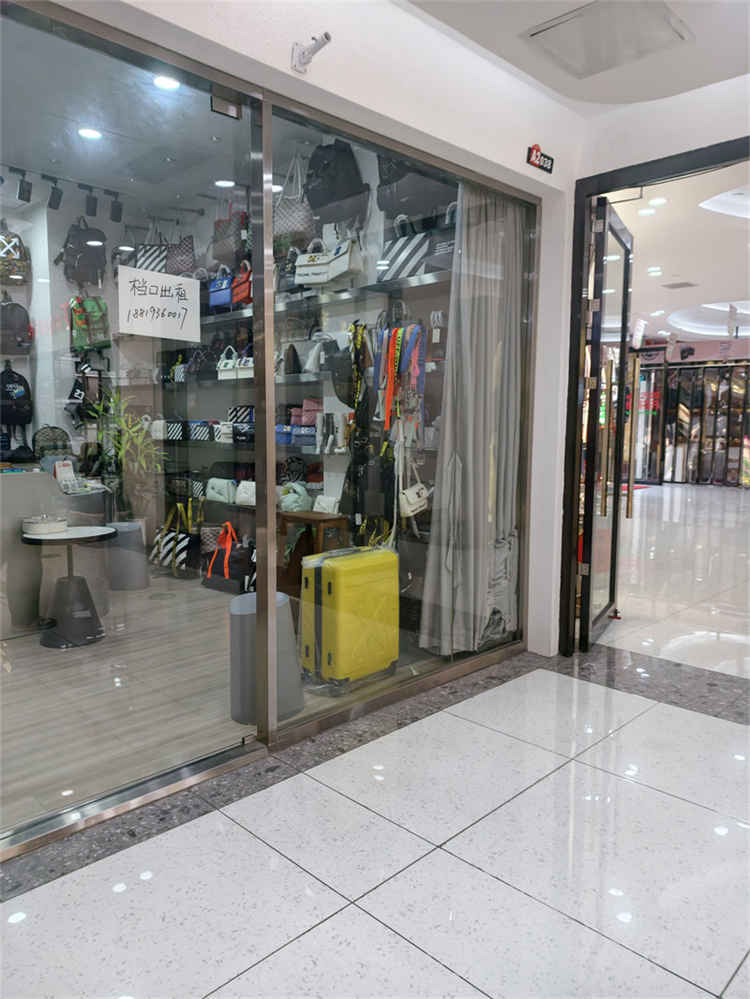






 On-site Visits
 Free Sharing
 Avoid Scams
 Updated Frequently
 For Reference Only