
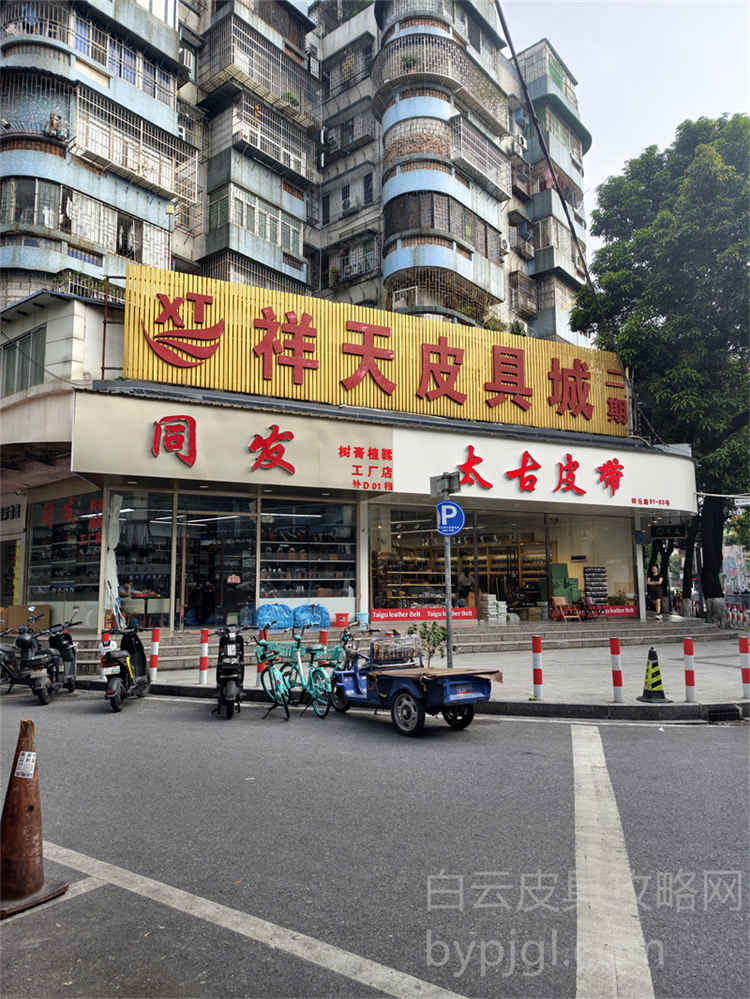
Walking the Floor: A Veteran's Guide to Guangzhou Leather Markets
Listen, I've been standing behind this counter in Baiyun for over fifteen years. While the internet tells you everything is just a click away, nothing beats the smell of fresh leather and the noise of the wholesale floor when you want to build a real business. People often ask me about the "village" reputation they hear online, but here on the ground, we don't call it that. We call it home, and more importantly, we call it the supply chain. If you are flying in from overseas to source goods, forget what you read on forums. The real game happens in the back rooms, not on the front display tables.
The First Step: Leaving the Tourist Traps
Most first-timers make the mistake of walking straight into the main atrium of the big malls. That is wher the retail prices live. You will see shiny bags with tags that look suspiciously perfect, but the price tags are for tourists, not buyers. My advice? Skip the flashy entrance. Head straight for the upper floors or the side corridors wher the air conditioning hums louder than the music. This is wher the serious wholesalers operate. They know you are there to buy, not to browse. When you walk in, keep your head down and look at the quality, not the brand logos. In our line of work, we focus on craftsmanship, materials, and structure. If a bag has a logo screaming at you, put it back on the shelf immediately. We deal in high-end manufacturing, plain and simple.
Navigating the Wholesale Hubs
The area around Baiyun International Trade City is a maze. There are dozens of buildings, each with its own vibe. Some are focused on vintage styles, others on modern minimalism. To find the best deals, you need to know which building houses which type of supplier. Don't be afraid to ask other shop owners for directions; we are a tight-knit community. once you find a building that matches your style, start walking the aisles slowly. Look at the stitching. Is it even? Are the threads pulled tight? Check the hardware weight. Cheap zinc alloy feels light and hollow; good brass feels substantial. This is the difference between a souvenir and a product that lasts.
Reading the Room: How to Spot a Real Supplier
You will meet many people who claim to be factories, but most are middlemen. Here is how you tell the difference. A true factory owner or their direct manager will talk about the leather grain, the lining material, and the mold costs. They won't just say "it looks like X." They will explain why the leather was tanned a certain way or why the zipper was chosen for durability. If they start talking about famous brands or comparing their items to luxury names, run. That is a red flag. We respect the art of making bags, not the copying of logos. A genuine partner will show you samples from their current production line, not just photos on a phone. Ask to see the raw materials. If they have a stack of leather hides in the back room, you are in the right place.
The Art of Negotiation and Sampling
once you find a stall that catches your eye, do not rush to buy. The first step is always sampling. Tell them you need to check the quality before placing a bulk order. Most shops will let you take a sample out for inspection, sometimes charging a small fee that gets deducted if you order later. This is standard practice. Bring a magnifying glass and a flashlight. Shine the light through the leather to check for consistency. Feel the edges. Are they painted smoothly, or do you feel rough ridges? Good edge painting takes time and skill. If the edges are messy, the rest of the bag likely is too.
Building Trust Through Volume
Negotiation isn't about haggling over pennies; it is about volume and relationship. Start by asking for their tiered pricing structure. How much does it cost for ten pieces? For fifty? For five hundred? As you increase the quantity, the price per unit should dro significantly. Be honest about your target market. If you are selling in Europe or North America, mention that you need consistent quality control because returns kill businesses. Suppliers respect this. They want long-term partners, not one-off buyers. If you promise regular orders, they will give you better access to new molds and priority production. Never try to force a price lower than their cost. It shows you don't understand the market. Instead, ask for value-added services like custom packaging or faster shipping times.
Critical Pitfalls to Avoid
I have seen too many buyers get burned because they didn't verify the goods before leaving the warehouse. One common trick is swapping the sample with a lower-quality batch during mass production. Always insist on a pre-shipment inspection. Take photos of every single piece before you pay the final balance. If possible, hire a third-party inspector in Guangzhou to check the goods for you. It costs a little extra but saves thousands in lost inventory. Another pitfall is ignoring the shipping logistics. Many suppliers offer DDP (Delivered Duty Paid) services, but be careful. Sometimes the customs clearance is delayed, or the fees are hidden. Clarify exactly what is included in the shipping quote. Do not assume anything.
The importance of documentation
Even though we are dealing in physical goods, paperwork matters. Ensure you have a clear invoice that lists the item descriptions accurately without using any prohibited terms. This helps with customs clearance in your country. Also, keep a record of all communications. If there is a dispute about quality later, havin a chat log or email trail can save you. In Guangzhou, relationships are everything, but contracts protect your interests. Treat every transaction professionally, and you will find that the local suppliers treat you with the same level of respect. They remember the buyers who are fair, knowledgeable, and reliable.
Final Thoughts from the Front Line
Coming to Guangzhou is an adventure. The energy is electric, the variety is endless, and the potential for profit is huge. But it requires patience and a sharp eye. Don't rely on screenshots or videos sent via messaging apps. Go there, touch the leather, smell the glue, and talk to the people who actually make the products. The "village" reputation is just a label; the reality is a sophisticated ecosystem of artisans and traders. If you approach this market with respect and a willingness to learn, you will find sources that can elevate your business to the next level. Remember, the best deals are not found in the headlines, but in the quiet corners of the market wher the real work gets done. Safe travels, and happy sourcing.

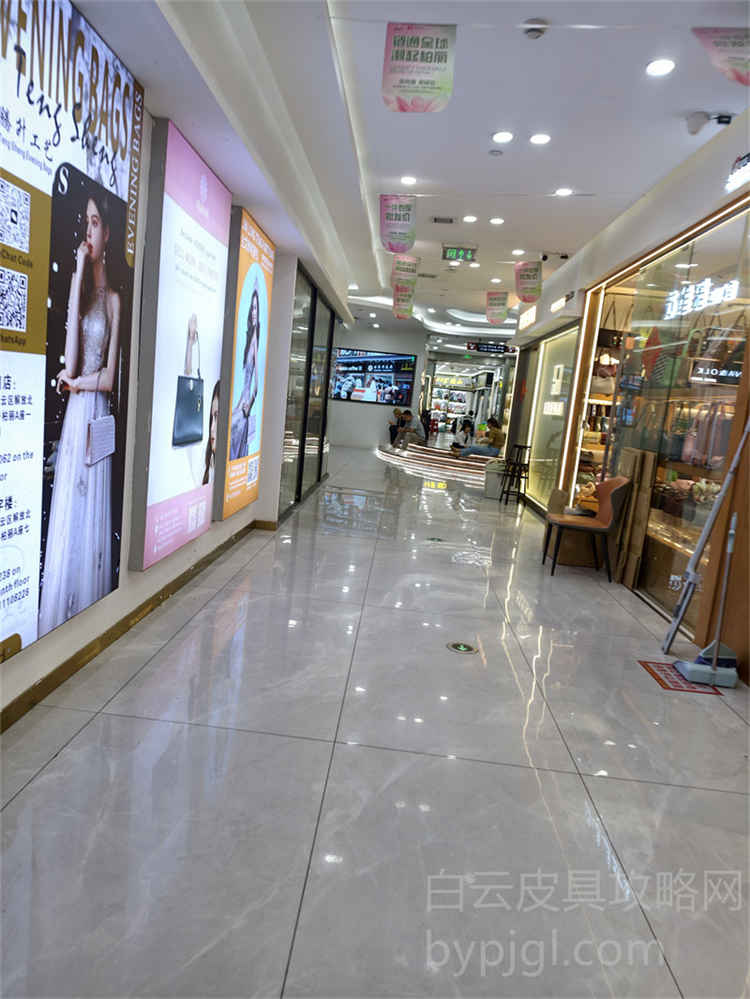






 On-site Visits
 Free Sharing
 Avoid Scams
 Updated Frequently
 For Reference Only