
Walking the Floors: A Veteran's Guide to Sourcing in Guangzhou
Welcome to the real deal. I have been standing behind this counter in the Baiyun District for over fifteen years, watching the dust settle on the marble floors and seeing thousands of travelers come and go. You are probably looking at your screen wondering how to navigate the maze of leather goods markets here without getting ripped off or ending up with a pile of junk. Let me tell you something straight from my experience: if you think you can just walk into a random shop and buy high-quality goods at wholesale prices, you are already halfway to losing money. The market here is not a place for tourists; it is a battlefield of negotiation, inspection, and relationship building.
The First Rule: Know Wher You Are Standing
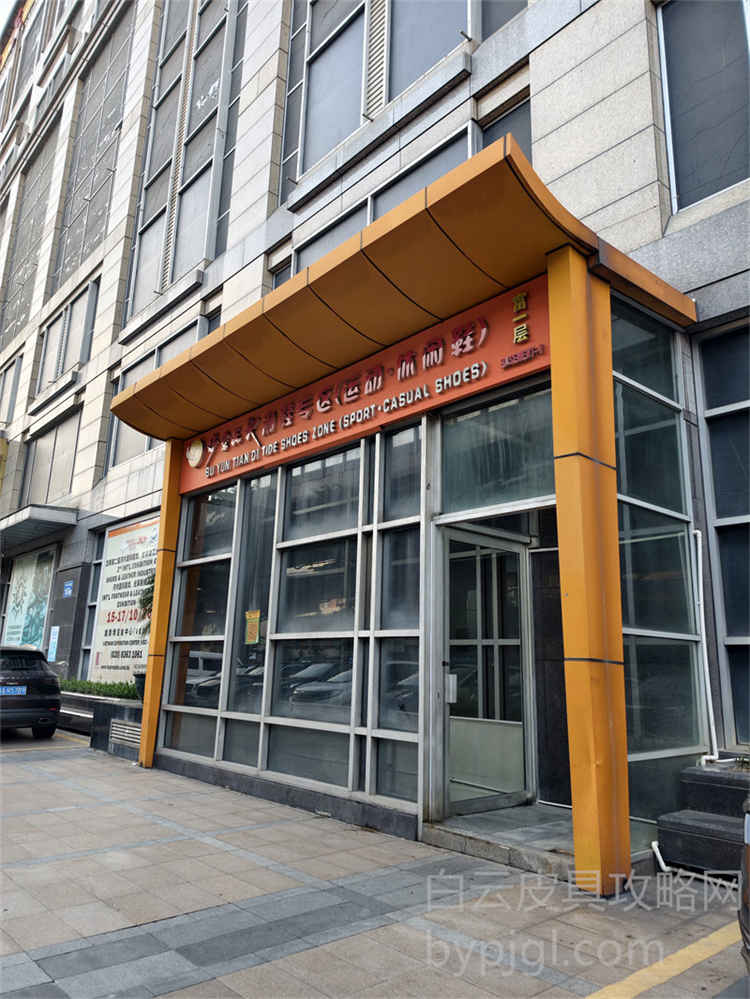
Most people hear "Guangzhou" and immediately think of one massive building. That is a mistake. The Baiyun Leather City complex is actually a cluster of several distinct buildings, each with its own vibe and price point. When I first started, I made the same error as many new buyers. I walked into the flashy, air-conditioned malls wher the prices were marked up for foreigners who didn't know better. I learned quickly that the real action happens in the older sections, the ones with slightly worn signage and the smell of glue and leather filling the air. This is wher the factories connect directly to the wholesalers. If you want to see what the locals are actually buying and selling, you need to skip the showrooms and head straight for the back alleys of the district.
Navigating the Stalls: How to Spot Quality Without Speaking Chinese
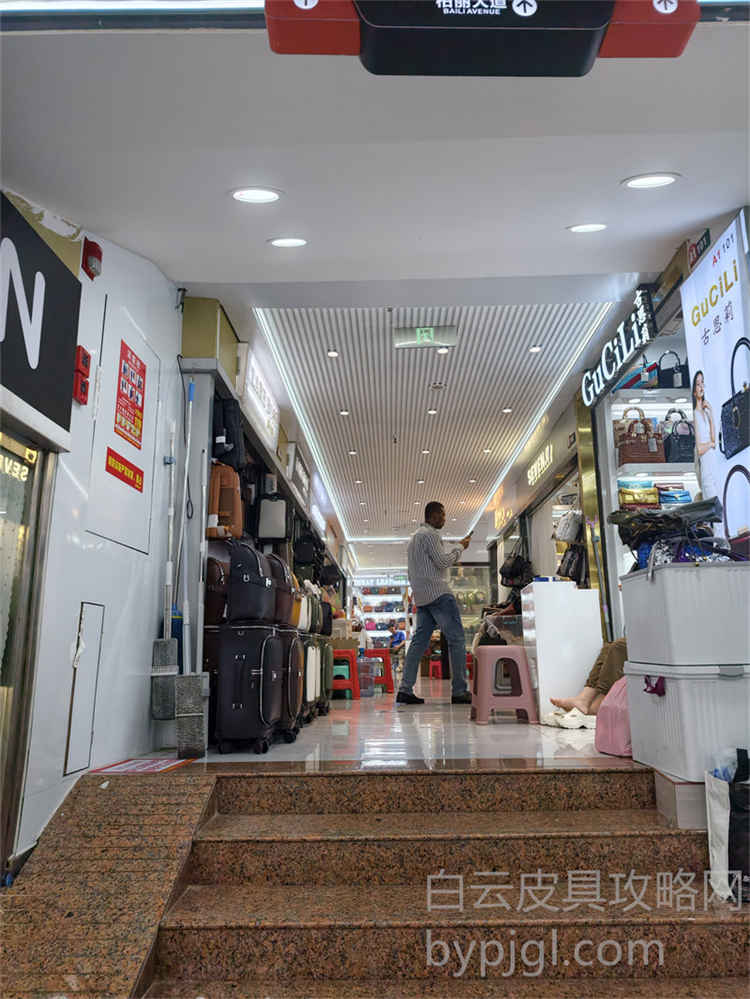
You do not need to be fluent in Mandarin to succeed here, but you do need to know how to look. When I am showing a buyer around, the first thing we do is ignore the display bags hanging on the front wall. Those are often just samples, sometimes even lower quality than what they sell to regular customers. We walk past them and ask to see the stock in the back room. This is wher the magic happens. In the stalls I manage, we keep our best inventory hidden away because we don't want to waste time with window shoppers.
The Touch Test and Stitching Inspection
once you get to the back, pick up the bag. Feel the weight. Real leather has a specific heft and texture that synthetic materials simply cannot mimic. Run your fingers along the stitching. In the old days, bad stitching was easy to spot, but now the machines are so good that you have to look closer. Count the stitches per inch. Consistency is key. If the lines waver or the thread color changes slightly, put it down. I tell my buyers to bring a magnifying glass if they are unsure. Also, check the hardware. Open the zippers. Do they glide smoothly? Is the metal heavy or does it feel like hollow plastic painted gold? These small details separate the premium goods from the cheap knockoffs that fall apart after a week.
The Art of Negotiation and Building Relationships
Here is the part that scares most overseas buyers: talking to the boss. In the West, you might expect a fixed price tag. Here, everything is negotiable, especially if you are buying more than a few pieces. But be careful. If you start by asking for the lowest possible price, the vendor will assume you are a low-budget buyer and show you their worst stock. Instead, ask about the material source. Ask about the production time. Show that you care about quality, not just the price tag. once you establish that you are a serious buyer looking for long-term partnerships, the conversation shifts. They will pull out the "VIP" items that they never show to casual passersby.
Understanding MOQs and Sample Orders
One of the biggest misconceptions is that you can buy one piece at wholesale prices. While some stalls might let you take a sample, the real deals are reserved for Minimum Order Quantities (MOQs). Usually, this means three to five pieces per style to get the factory rate. If you are testing the waters, offer to pay a slightly higher price for a single sample to verify the quality before committing to a larger order. I always advise my clients to order a mix of styles rather than ten of the same bag. This helps you gauge the consistency of the production line across different designs. If the quality drops on the second item, you know the stall is inconsistent, and you should move on.
Logistics, Shipping, and Avoiding Common Pitfalls
Let's talk about the elephant in the room: shipping. Getting your goods out of China can be tricky if you don't know the rules. Many buyers try to ship large quantities via standard courier services, only to find their packages seized at customs. This is a nightmare scenario. The smart way to handle this is to work with a reliable freight forwarder who specializes in the Baiyun area. They know exactly how to pack the goods, how to declare the value correctly, and which routes are currently open for business. Never try to hide the contents or mislabel the package as "gifts" or "samples." Customs officers here are experienced, and if they suspect fraud, the consequences are severe.
Payment Security and Trust
Another critical area is payment. Do not send money via Western Unio or direct bank transfers to an individual account unless you have known the person for years. The safest method is through a secure platform or using a trusted third-party escrow service. In the physical market, cash is king for small transactions, but for larger orders, a deposit followed by a balance upon inspection is the standard practice. Always inspect the goods before releasing the final payment. If you are buying online or dealing with a supplier you haven't met face-to-face, insist on video calls wher they show you the actual batch of goods being packed. This simple step prevents countless scams wher the photos looked great, but the reality was disappointing.
Final Thoughts: Patience Pays Off
Sourcing in Guangzhou is not a sprint; it is a marathon. It requires patience, observation, and a willingness to learn the local culture. The market changes every day, new trends emerge, and the supply chain evolves. But if you take the time to walk the floors, build genuine relationships with the vendors, and understand the nuances of leather craftsmanship, you will find opportunities that no other city can offer. I have seen hundreds of buyers come here, make mistakes, and leave empty-handed. I have also seen others return year after year, building empires based on the quality goods they found right here in the heart of Baiyun. My advice to you is simple: trust your eyes, listen to your gut, and never rush the process. The best deals are waiting for those who are willing to dig a little deeper.







 On-site Visits
 Free Sharing
 Avoid Scams
 Updated Frequently
 For Reference Only