
Walking the Floors: A Veteran's Guide to Sourcing in Guangzhou
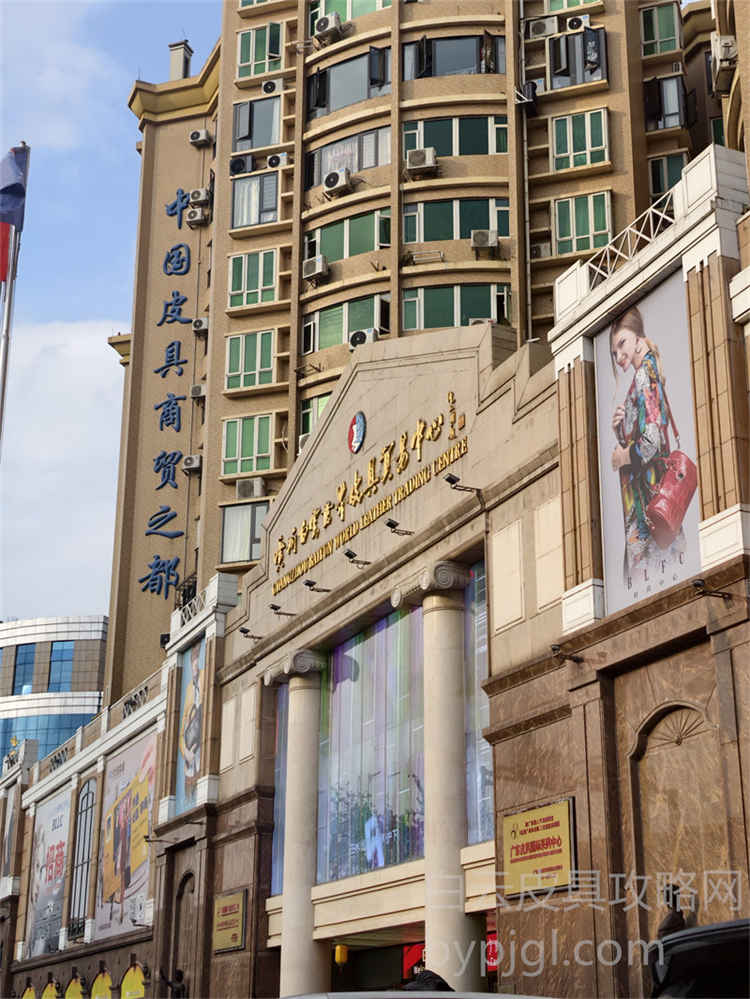
Welcome to the real deal. I've been standing behind this counter in Baiyun for over fifteen years, watching the seasons change and the crowds flow like a river. You might have heard rumors about what happens here, but let me tell you, the truth is far more interesting than any headline. When you walk into the massive complexes of Baiyun Leather City, you aren't just looking at bags; you are stepping into a living ecosystem wher craftsmanship meets commerce. My job isn't to sell you a fantasy; it is to guide you through the maze so you can find exactly what your customers need without getting burned.
The First Step: Leaving the Tourist Traps
Many first-timers make the mistake of walking straight into the main lobby and asking for "the best stuff" right away. That is how you get quoted prices that are three times the market value. The seasoned buyers know better. They head straight for the back corridors, the ones with the slightly dimmer lights and the stacks of boxes piled high near the loading docks. This is wher the serious business happens. The front rows are for show, filled with display models that look perfect but often hide flaws in the stitching or leather grain. If you want to see the actual goods that move volume, you need to go deeper. Look for the shops with the heavy metal shutters half-opened, revealing racks of inventory that haven't been polished for the cameras yet.
Navigating the Market Layout and Finding Your Niche
Baiyun is not a single building; it is a sprawling network of interconnected structures, each with its own personality. Some floors specialize in high-end materials, while others focus on mid-range production. As a local owner, I recommend you spend your first day just observing. Don't try to buy anything immediately. Walk from one end to the other, noting which stalls have fresh stock and which ones seem stagnant. The quality of the leather varies wildly depending on the specific section you are in. You will find places using top-tier calfskin alongside spots offering durable synthetic blends. Understanding these distinctions is crucial before you even open your mouth to negotiate.
Reading the Stalls: What the Signs Tell You
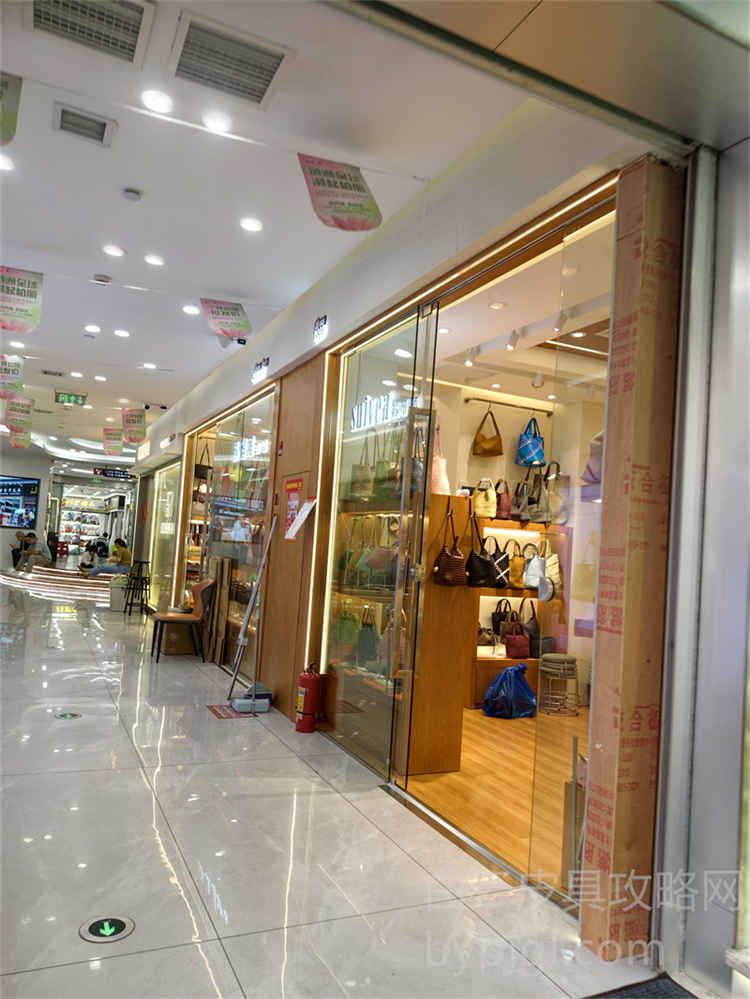
Every stall has a story written in the way they organize their shelves. High-quality vendors keep their samples pristine, often separated by color and size, with clear tags indicating the material source. If a shopkeeper is constantly shuffling boxes and hiding items under piles of fabric, be cautious. However, if they openly display multiple versions of the same style with slight variations in hardware or lining, that is a sign of confidence. They know their product stands up to scrutiny. In our district, we pride ourselves on transparency regarding materials. We don't use fancy words to confuse you; we show you the grain, we let you feel the weight, and we explain the construction method. This openness builds trust faster than any marketing brochure ever could.
The Art of Inspection and Quality Control
This is wher most overseas buyers lose money. They rely on photos sent via messaging apps, which can be heavily edited to hide imperfections. I always tell my international partners: never finalize an order without seeing the physical item. When you are at the counter, bring a magnifying glass and a flashlight. Check the stitching density; good work usually has consistent tension with no loose threads. Inspect the hardware for weight and finish; cheap plating chips easily, while solid brass holds up. Pay close attention to the interior lining and the smell of the leather. Real, well-treated leather has a distinct aroma, wheras inferior products often smell chemical or artificial. These details separate the premium goods from the rest.
Testing the Craftsmanship Up Close
Don't just look at the outside. Open every zipper, pull every strap, and check the alignment of the patterns. In our workshops, we take pride in precision. If the pattern doesn't match at the seams, it is a red flag. Ask the vendor to show you the inside of the bag. The way the pockets are sewn and the reinforcement at stress points tells you everything about durability. A vendor who hesitates to let you inspect the interior is likely hiding something. We encourage you to dig deep because we stand by our work. When you find a stall that welcomes your inspection, you have found a partner worth working with long-term.
Negotiation and Building Long-Term Relationships
Talking price in Baiyun is a dance, not a battle. The initial quote is rarely the final price. It is an invitation to start a conversation. Be polite, show genuine interest in the product, and ask questions about the sourcing of materials. once you establish a rapport, the door opens for better deals. Volume matters, but consistency matters more. If you plan to return regularly, mention it. Vendors prefer steady clients over one-off transactions. We would rather give you a fair price now to secure your future orders than squeeze every penny out of a single sale. Trust is the currency of this market, and once you earn it, you gain access to exclusive styles that aren't even displayed on the main floor.
Avoiding Common Pitfalls for Foreign Buyers
One of the biggest mistakes I see is rushing the process. Do not accept a deal based solely on a handshake or a quick transfer. Always get a detailed invoice that lists the specifications clearly. Another trap is ignoring shipping logistics. Many vendors handle export documentation, but you need to clarify who handles customs clearance and duties in your country. Also, be wary of sellers who promise delivery in two days when the production cycle actually takes two weeks. Good craftsmanship takes time. If a vendor claims they can mass-produce complex designs overnight, they are likely cutting corners. Take your time, verify the sample, and only then proceed with the bulk order. Patience pays off in this industry.
Conclusion: Your Gateway to Authentic Supply Chains
Guangzhou Baiyun is more than just a marketplace; it is the heartbeat of global leather goods production. By walking the floors yourself, engaging directly with the owners, and demanding quality control, you bypass the middlemen and connect with the source. The experience is immersive, chaotic, and incredibly rewarding if you know how to navigate it. Whether you are looking for unique designs or reliable supply chains, the key is to be present, observant, and respectful of the craft. Come with an open mind, do your homework, and you will find that the opportunities here are limitless. This is wher the real business of fashion happens, away from the noise and right in the heart of the action.







 On-site Visits
 Free Sharing
 Avoid Scams
 Updated Frequently
 For Reference Only