
Walking the Floors: A Veteran's Guide to Sourcing in Guangzhou
I have been standing behind this counter in Baiyun for over fifteen years. While the internet has changed how we do business, nothing beats the smell of leather and the noise of the wholesale market when you want to find real quality. Many buyers from overseas come to me asking about the different types of goods available here. They often think it is a simple binary choice between "fake" and "real," but that is not how it works on the ground. In Guangzhou, specifically around the Baiyun District, the ecosystem is far more nuanced. You are not just buying a bag; you are navigating a supply chain wher craftsmanship varies wildly depending on which door you knock on.
The Hierarchy of Craftsmanship
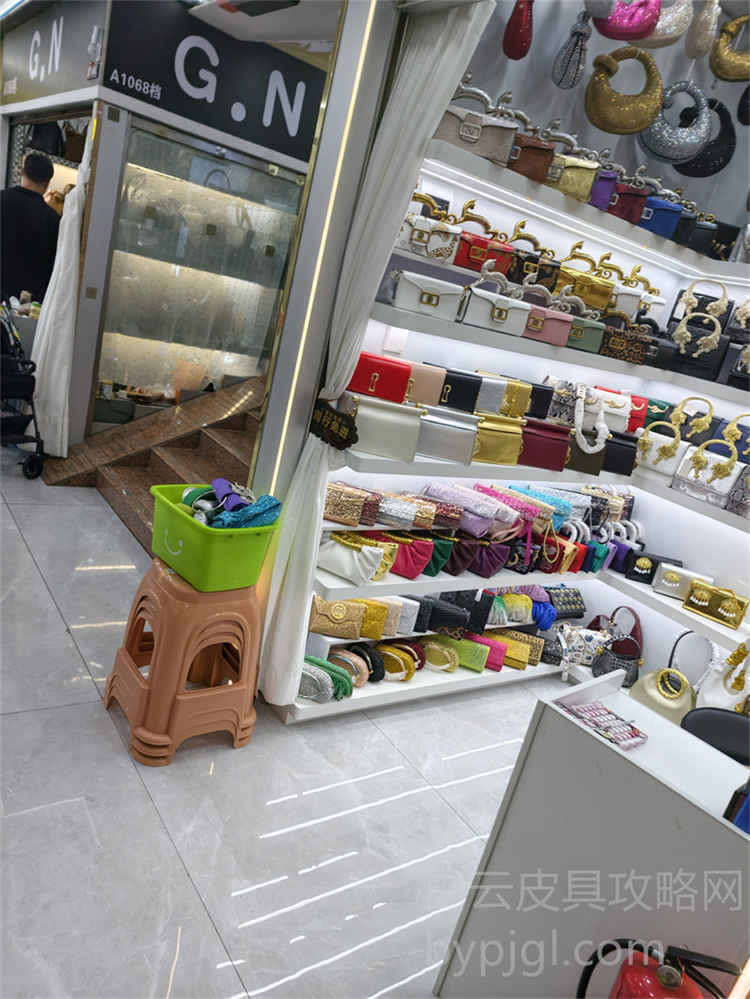
When I talk to new clients, the first thing I explain is the tier system. We do not use those English terms you see online because they carry legal baggage. Instead, we categorize by material and construction. At the bottom, you have what we call the "market grade." These are made with synthetic leather or low-grade cowhide, glued rather than stitched, and the hardware feels light and cheap. You will find these in the smaller stalls near the main entrances of the markets. The stitching is uneven, and the lining falls apart after a few weeks. If you are looking for something to sell as a budget item, this is your zone, but if you want longevity, you walk past this immediately.
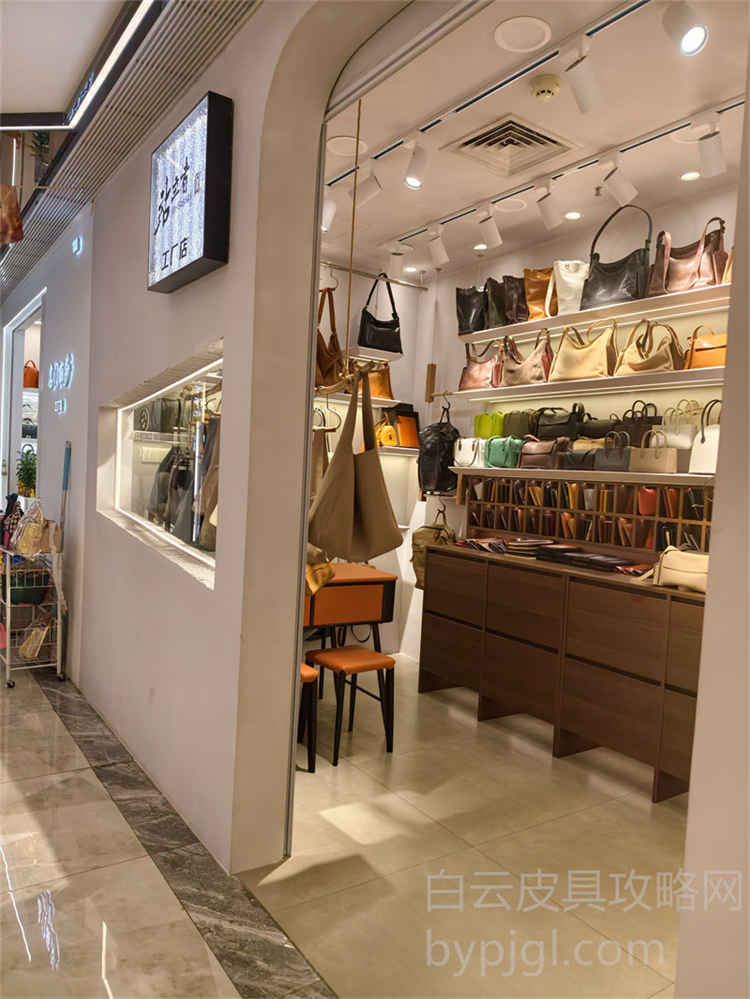
Moving up, there is the "mid-range" category. This is wher most of the volume happens. The leather here is better, often genuine cowhide or goat skin, though sometimes blended. The hardware is zinc alloy rather than solid brass, and the logos are accurate but might lack the fine detailing of the original source. For many international retailers, this is the sweet spot. It offers a good balance between cost and durability. However, the key here is inspection. You must check the edges. In the mid-range, edge paint can be thick and messy. A veteran buyer like me knows to run a finger along the seam to feel for roughness before even thinking about price.
Seeking the Top Tier: What Makes It Different?
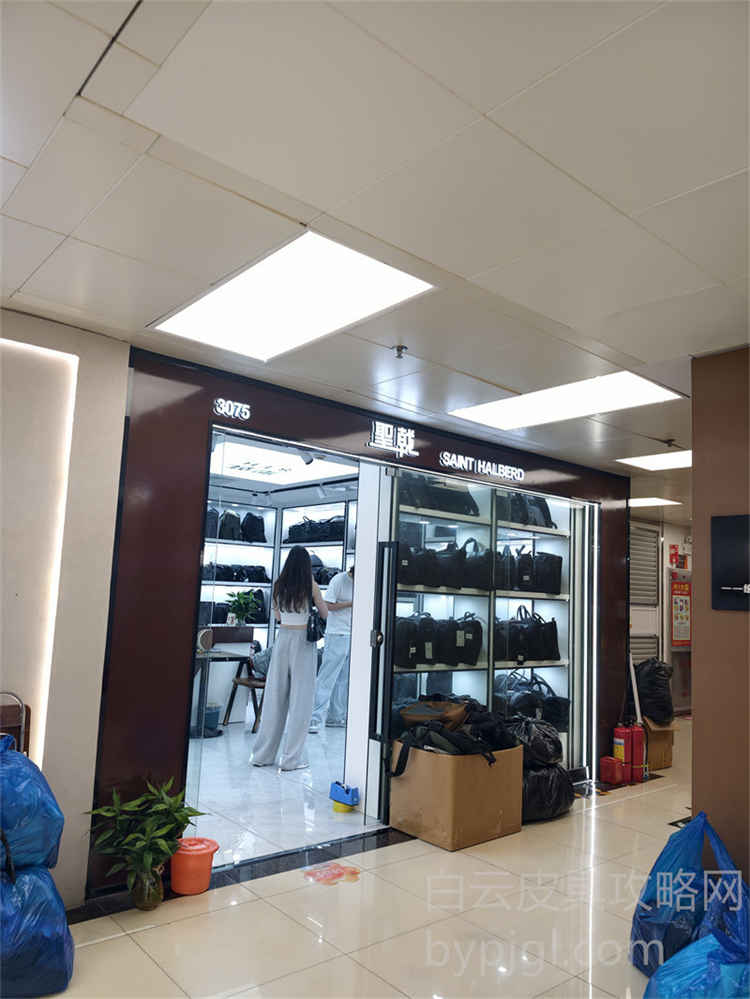
Then there is the top tier, often referred to locally as the "original factory" standard. This is what serious buyers come to Baiyun for. These items are produced in the same workshops that make goods for major brands, sometimes using the exact same leather suppliers and hardware molds. The difference lies in the attention to detail. The stitching count per inch matches the high standards, the waxed threads are hand-finished, and the hardware has the correct weight and plating thickness. When I show these to my regular customers, I tell them to look at the interior pockets and the zippers. In the lower tiers, zippers stick or feel loose. In the top tier, every zipper glides smoothly and bears the specific brand stamp correctly.
It is important to understand that "top tier" does not mean perfect. No mass production is flawless. But the defect rate is significantly lower, and the materials age gracefully. The leather develops a patina rather than cracking. This is why I always advise my foreign partners to visit the physical showroom in Baiyun. You cannot judge the texture of the leather or the sound of the clasp through a smartphone screen. The lighting in the market is harsh, which actually helps you spot flaws that photos hide. If a seller tries to rush you or refuses to let you inspect the bag closely, walk away. That is a red flag.
Navigating the Market: Practical Tips for Buyers
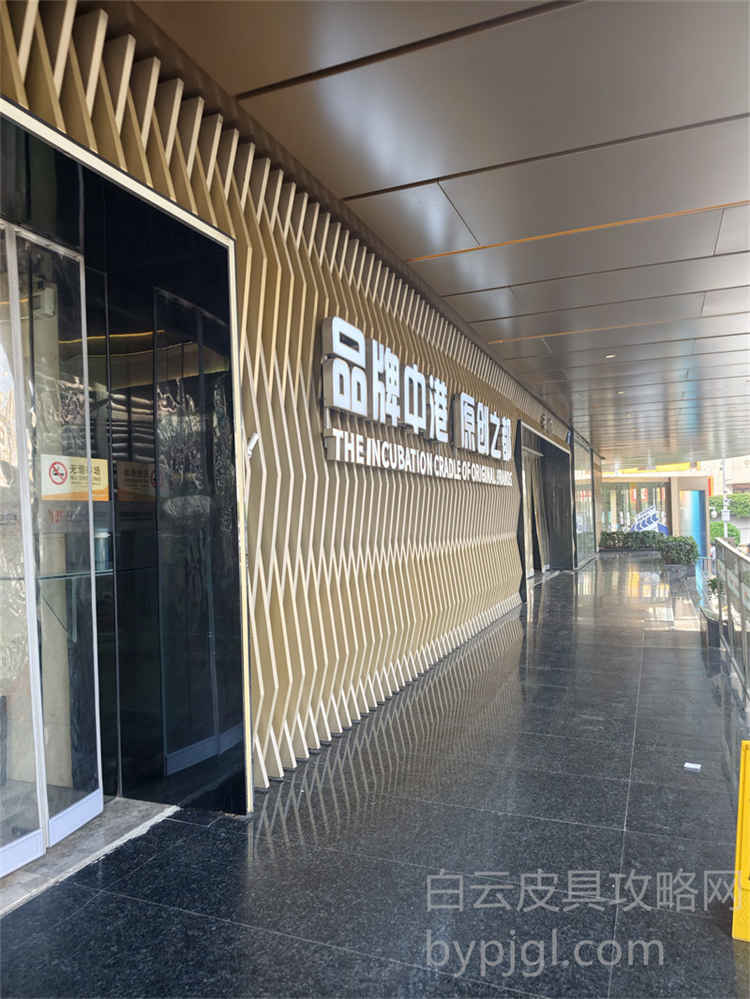
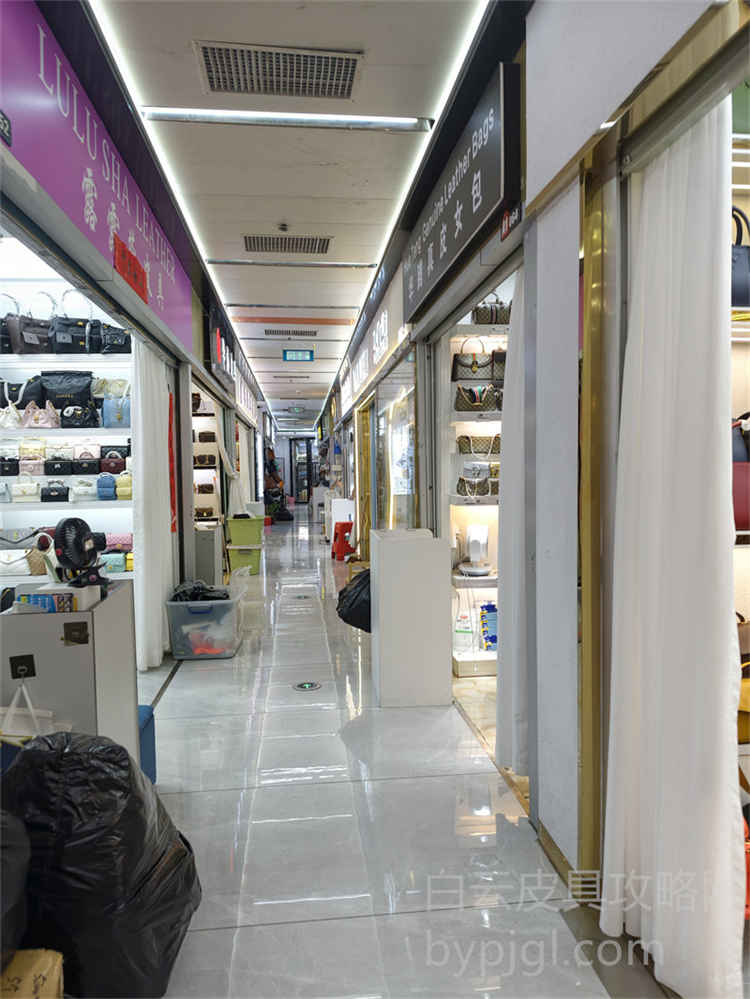
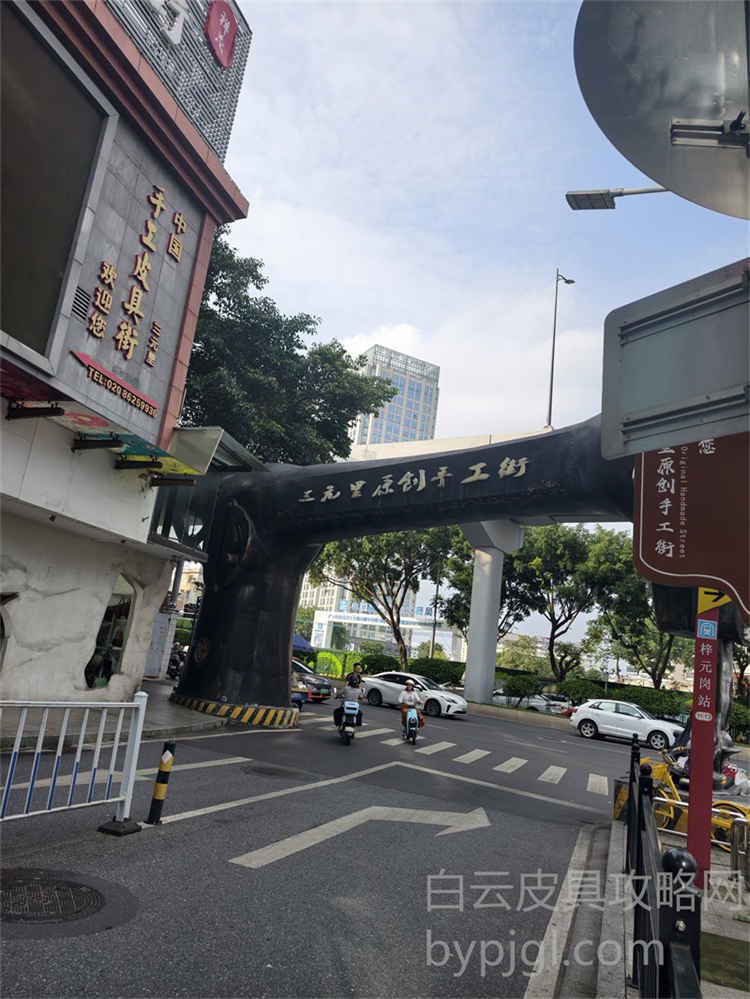
Getting into the Baiyun Leather City complex can be overwhelming. There are dozens of buildings, each with its own vibe. Some focus on luxury styles, while others cater to fashion trends. My advice is to start early in the morning. The energy is highest then, and the best stock is out on the tables. Do not rely on Google Maps alone; ask the security guards or other shop owners for directions to the specific building known for high-quality leather goods. once inside, ignore the flashy displays at the front. Those are often samples meant to attract tourists. Ask to see the "back room" stock.
Building Relationships with Suppliers
In this business, relationships are everything. I have seen buyers who treat us like vending machines and leave empty-handed, while others who take the time to chat and build trust get access to the best inventory. When you approach a stall, do not just ask for prices. Ask about the leather source, the tanning process, and the hardware supplier. A confident vendor will answer these questions without hesitation. If they hesitate, they are likely reselling someone else's goods. We prefer direct communication. We want to know your target market so we can recommend the right style and price point. This transparency saves everyone time and money.
Another crucial tip is to negotiate based on volume, not just unit price. If you are planning a large order, the margins open up significantly. However, never agree to a deal without seeing a sample first. Even if you have ordered from this supplier before, request a new sample to ensure consistency. Quality control can drift over time. I always tell my clients to bring a small flashlight and a magnifying glass. Check the glue lines, the thread tension, and the alignment of the pattern. If the pattern does not match up at the seams, reject it immediately. This is a sign of poor cutting techniques.
Avoiding Common Pitfalls
There are scams in every market, and Baiyun is no exception. One common trick is the "switch." A seller might show you a high-quality bag, take your deposit, and then ship a lower-quality version. To avoid this, insist on video calls wher you can see the specific bag being packed. Another issue is the shipping logistics. Many sellers claim they can ship anywher, but customs regulations vary by country. Be honest about your destination so we can advise on packaging and documentation. Do not try to hide the true nature of the goods; that leads to seizures and lost money.
Finally, remember that patience pays off. Finding the perfect supplier takes time. You might visit ten stalls before finding one that meets your standards. Do not settle for the first offer. Compare the leather, the hardware, and the service across multiple vendors. The market is vast, and there is always a better option if you keep looking. By understanding the nuances of the local trade and focusing on tangible quality indicators, you can build a successful sourcing strategy that stands the test of time. This is the reality of doing business in Guangzhou, and it is a game worth playing if you are willing to put in the work.

 On-site Visits
 Free Sharing
 Avoid Scams
 Updated Frequently
 For Reference Only