
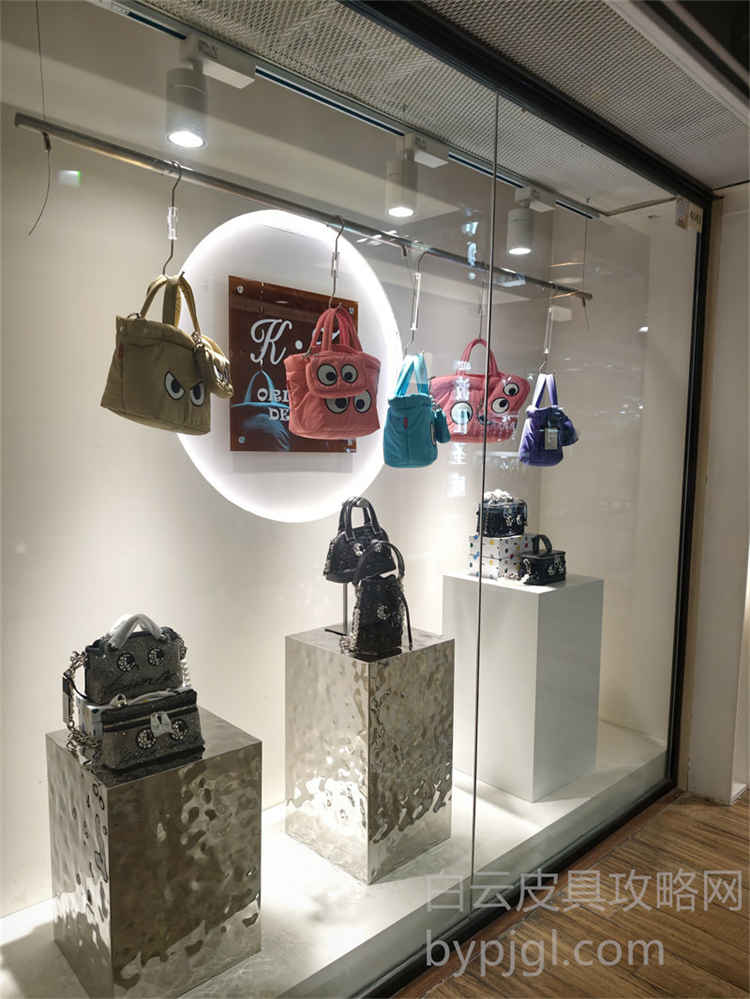
Stepping Into the Heart of Guangzhou's Leather Trade
Welcome to the real deal. I've been standing behind this counter in Baiyun District for over fifteen years, watching the city transform from a quiet manufacturing hub into the undisputed global epicenter of high-end leather goods. If you are reading this, you probably know that the internet is flooded with scams and low-quality fakes, but let me tell you something: if you come here physically, you will see a different world. This isn't about cheap knockoffs; it is about the intricate supply chain that feeds the luxury market worldwide. Many buyers think they need to find a specific "secret" factory, but the truth is, the magic happens right here in these bustling markets wher the air smells faintly of glue and premium leather.
Navigating the Market Labyrinth
The first thing you need to understand is that not all shops are created equal. When you walk into the massive complexes like Baiyun Leather City or the nearby Shide Building, you might feel overwhelmed by the sheer volume of stalls. Do not just wander aimlessly. The layout can be confusing, but there is a rhythm to it. The ground floors often display the most basic items, while the upper floors house the serious players who deal with top-tier clients. I always advise my international friends to skip the flashy storefronts on the main corridors and head straight for the back alleys or the quieter sections of the building. That is wher the real quality lives.
Finding the Right Counter
When you approach a stall, do not ask for "designer bags." That phrase immediately tells the owner you are an amateur tourist looking for a souvenir. Instead, talk about materials and craftsmanship. Ask about the type of cowhide used, the stitching density, or the hardware weight. A genuine seller will appreciate your knowledge and respond with technical details rather than sales pitches. Look for the owners who have been there for years; their faces are weathered, and their hands are calloused from handling leather daily. These are the people who know exactly which batch of material arrived yesterday and which one is still being tested.
The Art of Selecion and Inspection
once you have identified a promising stall, the real work begins. In my experience, the difference between a good bag and a great one lies in the details that only a trained eye can spot. You must inspect every single stitch. High-end production requires tight, even stitching with no loose threads. Run your fingers along the edges; the glazing should be smooth and consistent, not thick or bubbly. Check the lining fabric; it should feel soft and durable, not flimsy. And never forget the hardware. It should have a substantial weight to it, with a finish that doesn't chip easily. If the metal feels light or the color looks off, put it down immediately.
Understanding Material Grades
One of the biggest misconceptions is that everything sold here is the same quality. That is simply not true. We categorize our stock based on the grade of leather and the precision of the assembly. There are tiers ranging from standard commercial quality to what we call "museum grade," wher the attention to detail rivals the original manufacturers. When you are selecing items, ask specifically about the source of the leather. Is it imported from Italy? Is it vegetable-tanned? These questions separate the serious buyers from the casual browsers. I always tell my customers to touch the leather before buying; it should feel supple and warm, not cold and plastic-like.
Negotiating and Securing Your Order
Dealing with prices in Guangzhou is an art form. Unlike fixed-price retail stores, everything here is negotiable, especially if you are buying in bulk. However, do not try to drive the price down to rock bottom. If you offer too little, the seller will assume you are looking for the lowest quality possible and will show you their worst stock. Start with a reasonable offer based on the quality you see. Build a relationship with the vendor. If you return next season, they will give you better rates and priority access to new designs. Trust is the currency of this trade.
Avoiding Common Pitfalls
There are traps everywher for the unprepared buyer. One common issue is the "sample vs. bulk" discrepancy. Sometimes the item you inspect in the showroom is perfect, but the mass-produced version has slight variations. To avoid this, always request a pre-production sample before finalizing a large order. Another pitfall is rushing the transaction. Take your time. Verify the packaging, check the dust bags, and ensure all accessories are included. Never pay via a direct wire transfer without a contract or a clear agreement on the terms. Use secure payment methods that offer buyer protection. Remember, if a deal sounds too good to be true, it usually is.
Building Long-Term Supply Chains
My goal is not just to sell you a bag today but to build a partnership that lasts for years. The beauty of sourcing directly from Baiyun is the flexibility. You can customize colors, sizes, and even logos to fit your brand identity. This level of personalization is impossible to get elsewher. As you grow your business, keep coming back. The market evolves constantly, with new trends emerging every few months. By staying connected with local vendors like me, you stay ahead of the curve. We share insights on upcoming fashion trends, material innovations, and regulatory changes that affect the industry.
So, if you are ready to dive deep into the world of premium leather goods, pack your bags and come to Guangzhou. Leave the online speculation behind and experience the energy of the wholesale district firsthand. Bring your critical eye, be prepared to negotiate, and most importantly, be willing to learn. The knowledge you gain from walking these floors will be invaluable to your business. I look forward to welcoming you to my shop, sharing a cup of tea, and showing you exactly how the world's finest leather goods are made.

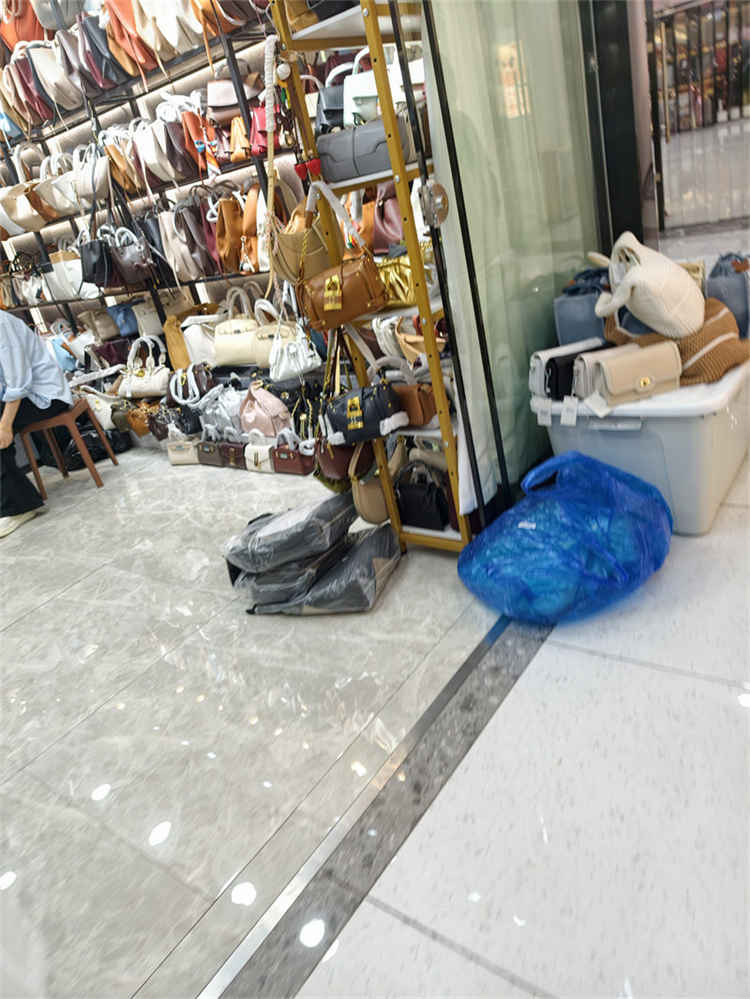
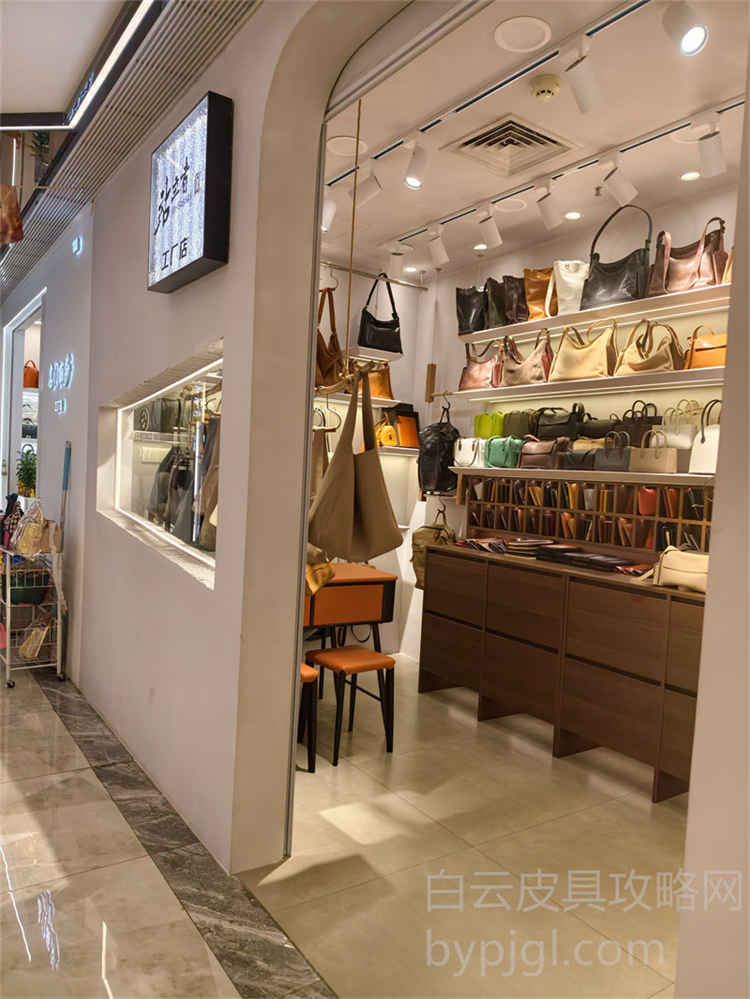
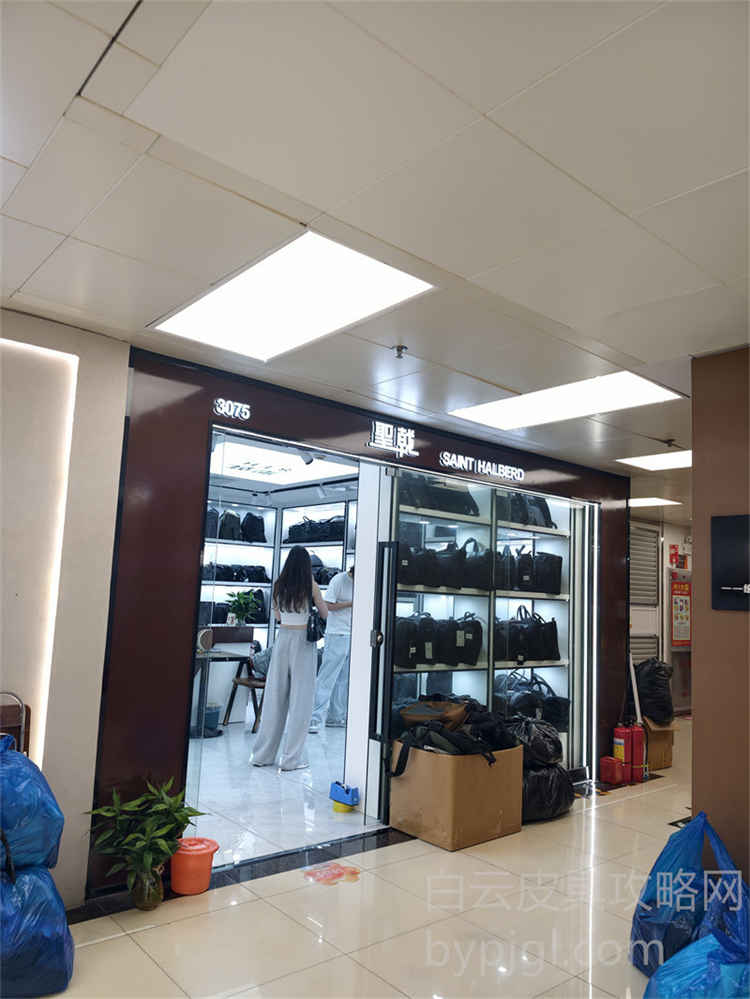
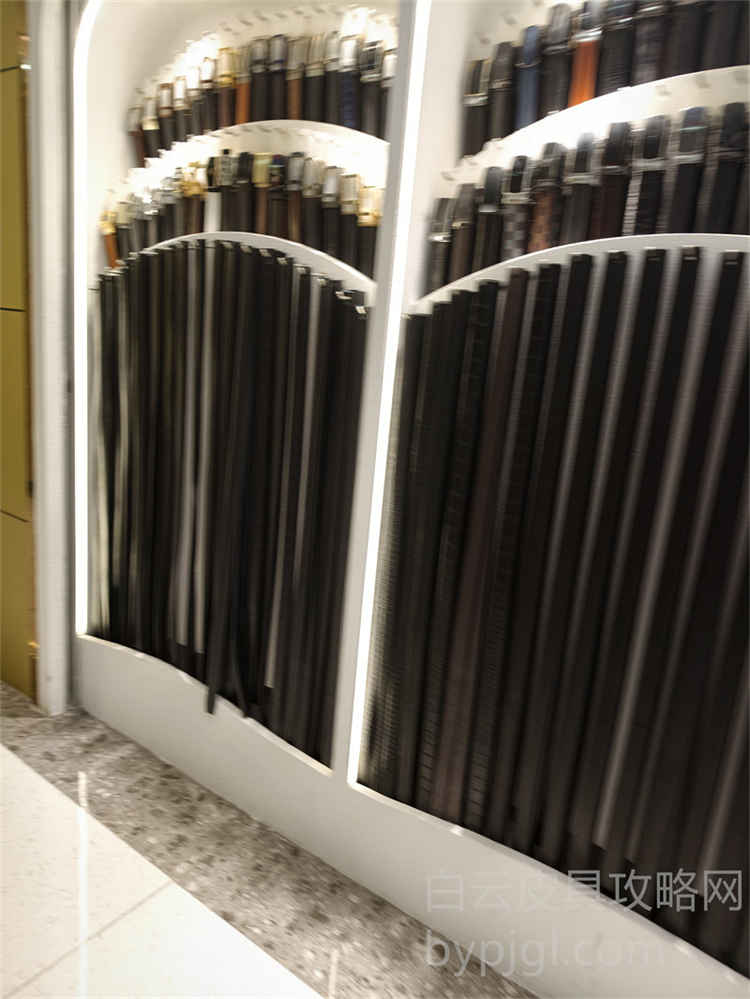
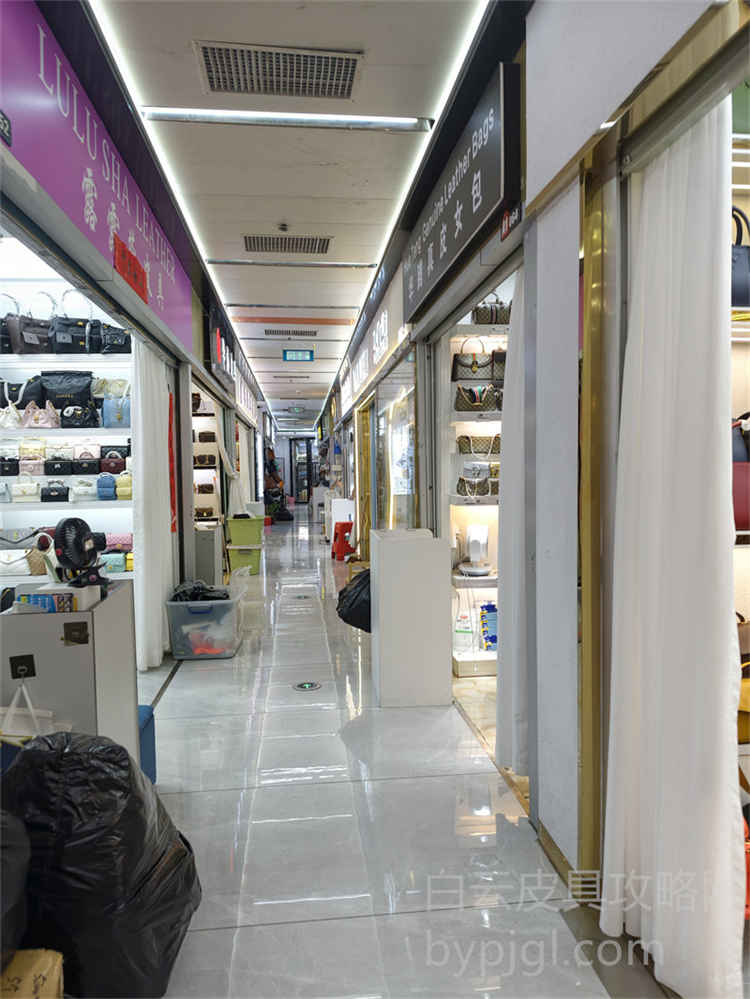
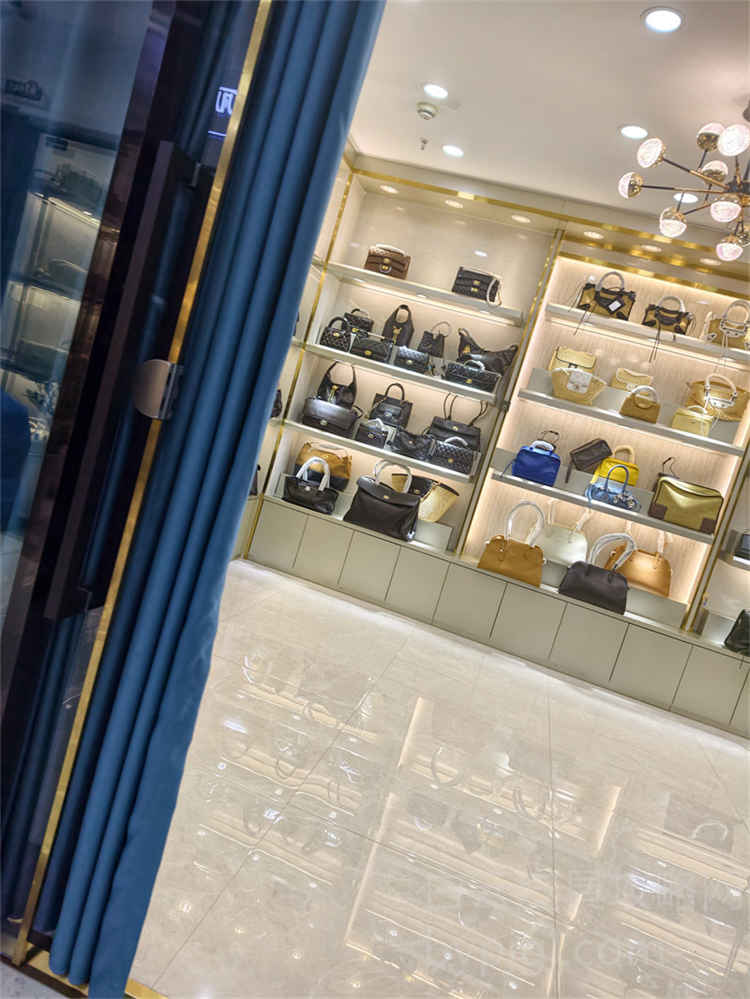
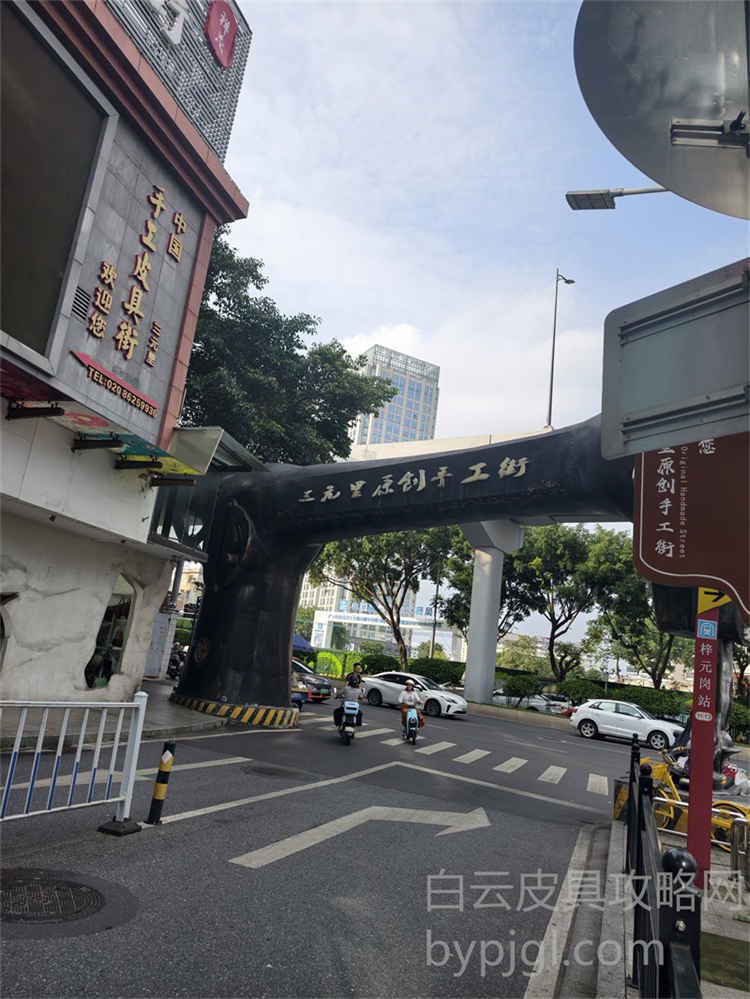
 On-site Visits
 Free Sharing
 Avoid Scams
 Updated Frequently
 For Reference Only