
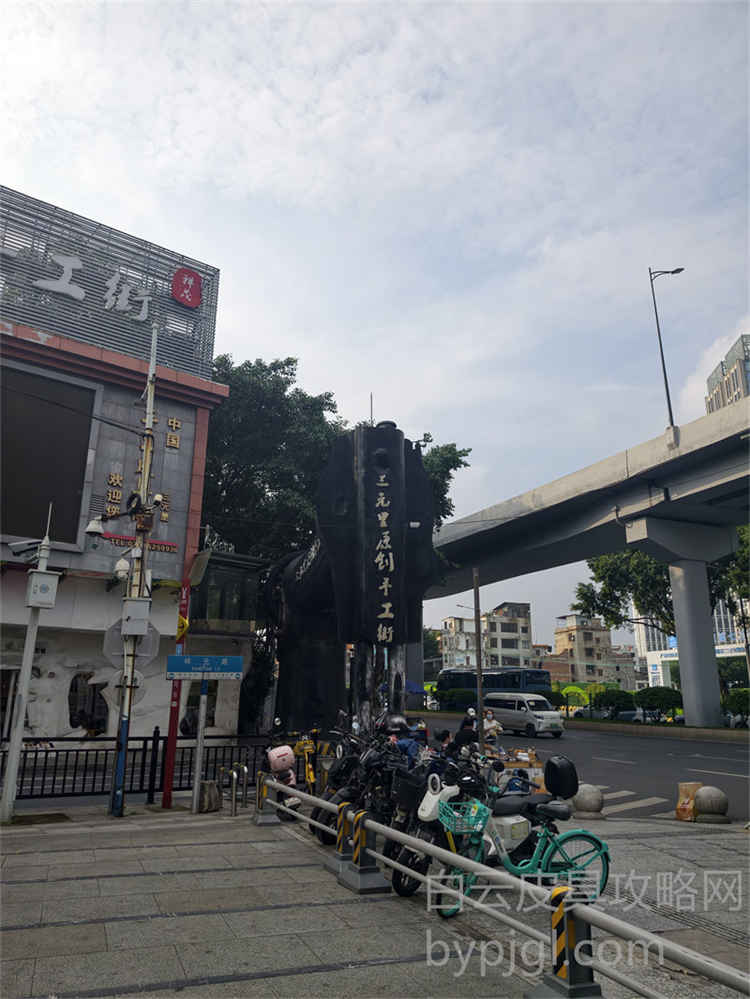
Walking the Floors: A Veteran's Guide to Sourcing in Guangzhou
I have been standing behind this counter for over fifteen years. While the city around me has changed, turning from a quiet industrial hub into a global metropolis, the rhythm of the leather market remains the same. The smell of glue, the hum of sewing machines, and the constant chatter of buyers negotiating prices are the soundtrack of my life. Many overseas clients ask me how to navigate this maze without getting scammed or wasting weeks on flights that lead nowher. They want the "real deal," but they often don't understand what that actually means in our local context. Let me walk you through the reality of sourcing here, step by step, just as I would explain it to a friend sitting across from me with a cup of tea.
The First Rule: Don't Trust the Internet Alone
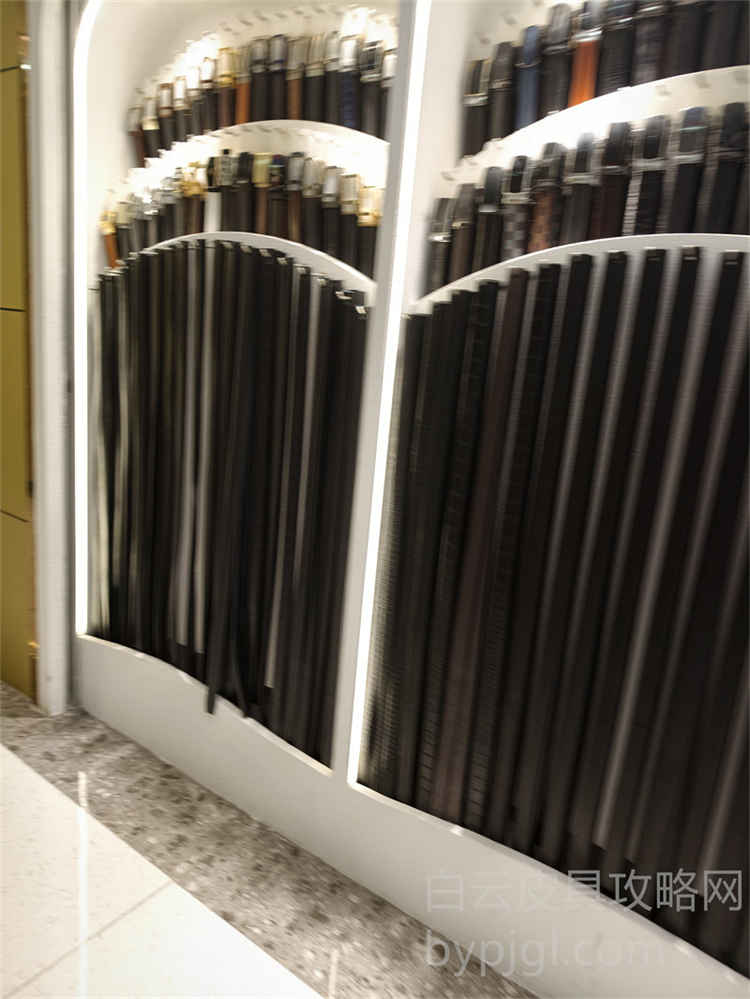
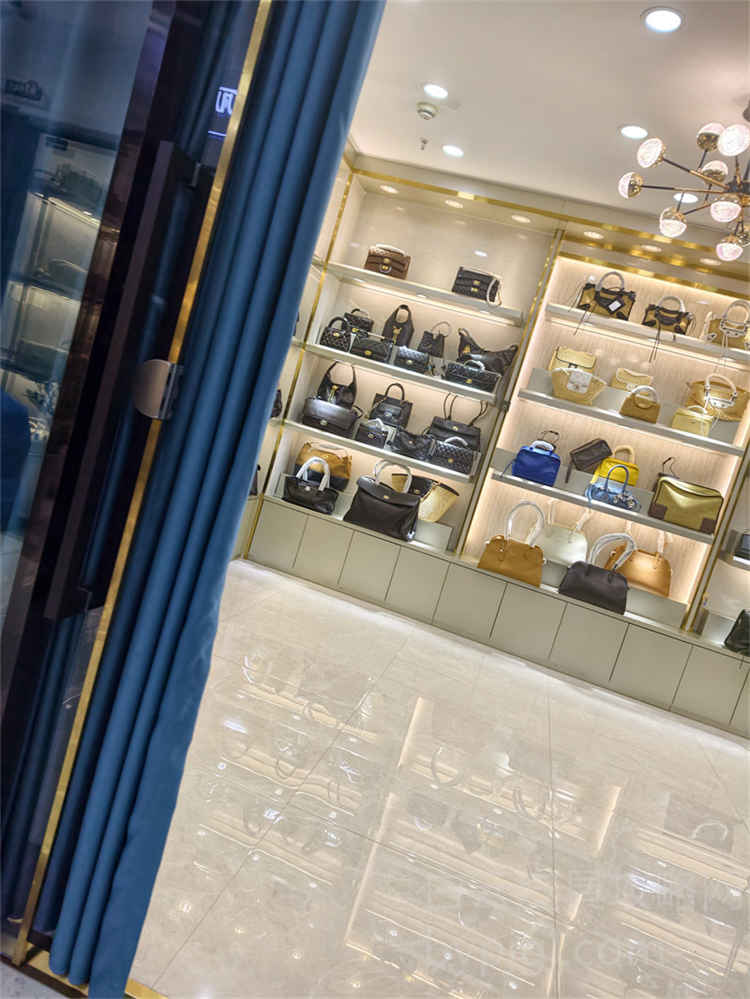
When people first arrive, they usually try to find suppliers online before stepping foot in the building. This is wher most mistakes happen. You can look at thousands of photos on social media, but those images are often taken under perfect lighting with professional models. They hide the stitching imperfections, the texture of the lining, or the weight of the hardware. In my experience, the only way to truly know the quality is to touch it. When you come to the Baiyun Leather City area, you are not just buying a product; you are entering a supply chain ecosystem. The photos you see online might be from a factory ten miles away, but the actual goods in front of you are what you will receive. If you rely solely on digital communication, you are flying blind. The best strategy is to visit the physical location, even if it is just for a day, to feel the difference between a standard batch and a top-tier run.
Navigating the Market Layout and Finding the Right Stall
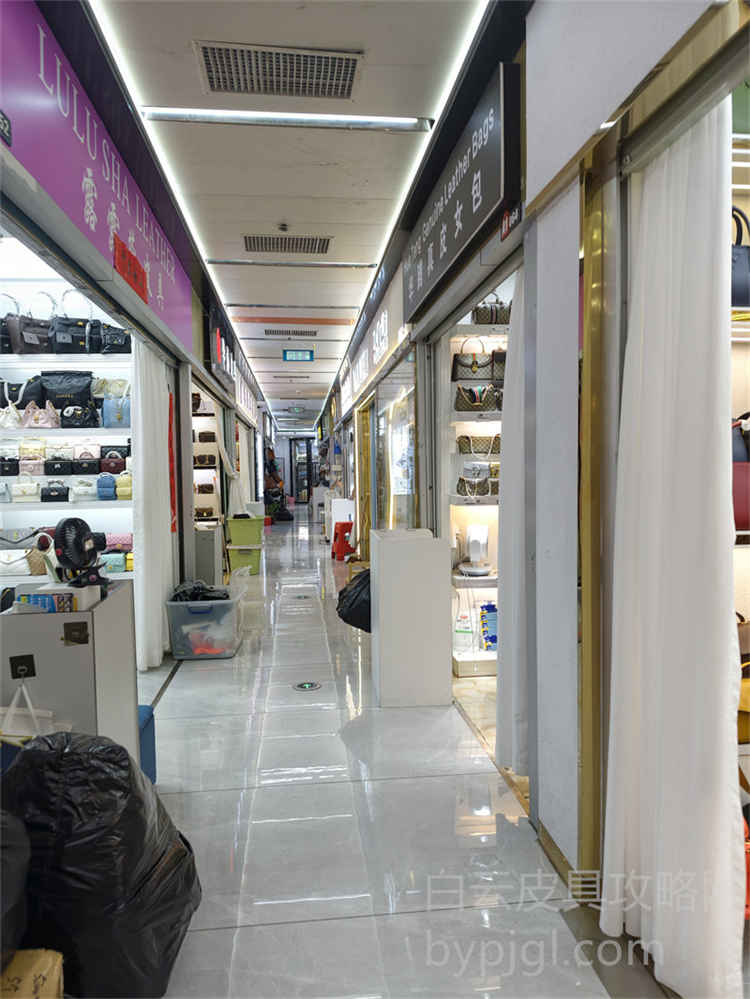
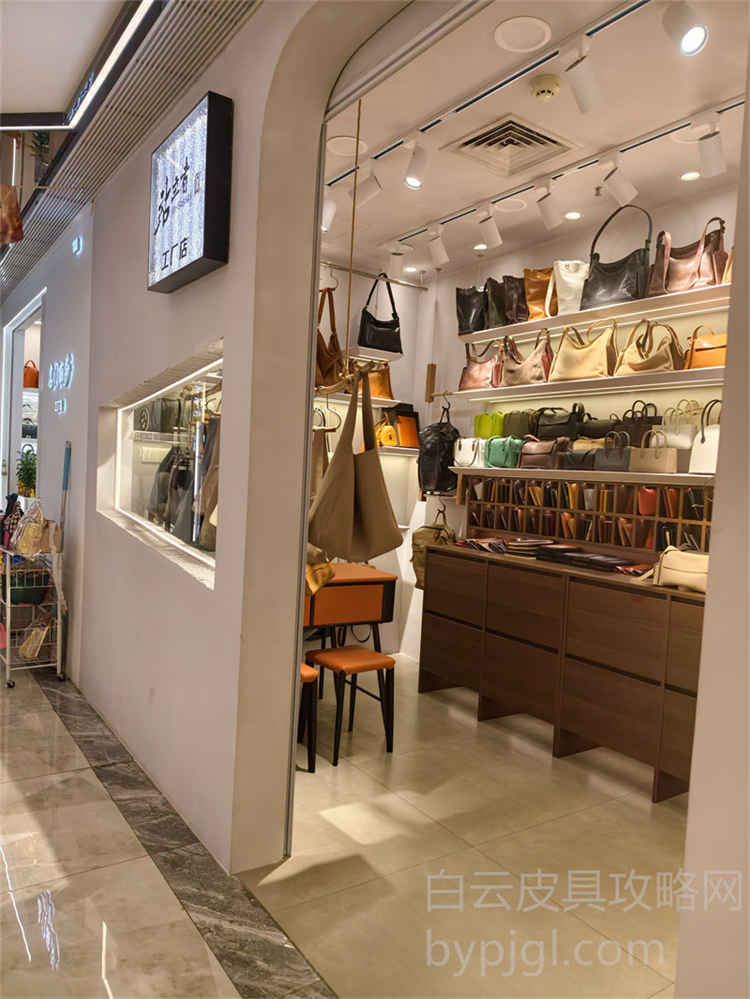
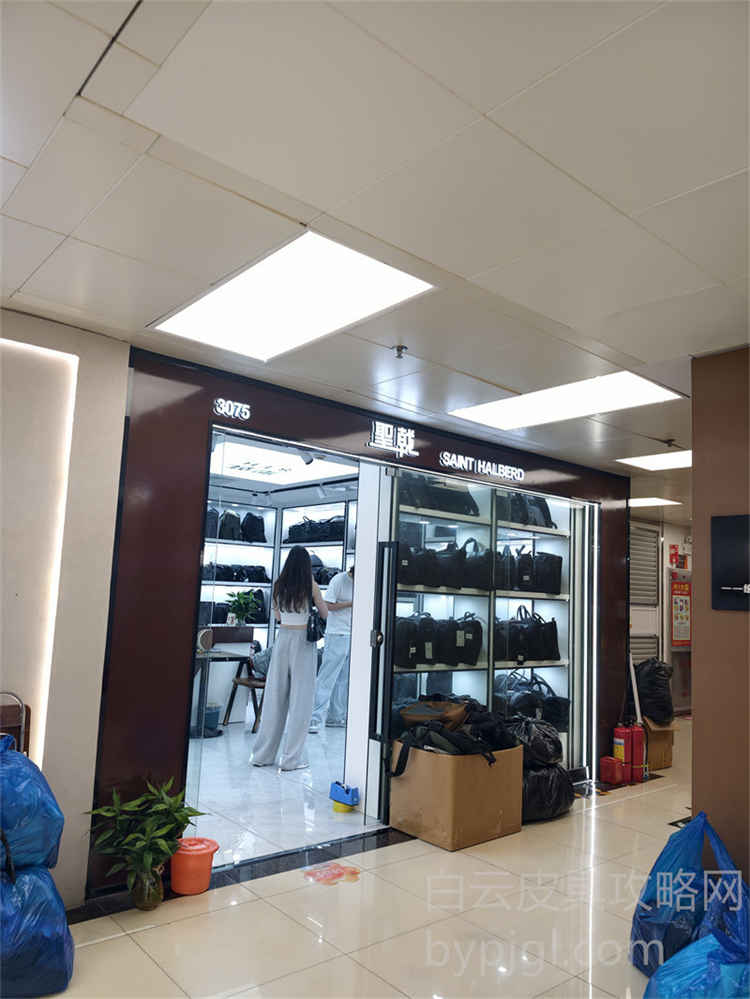
The complex is massive, stretching across several buildings connected by covered walkways. It is easy to get lost if you do not have a plan. Most newcomers wander aimlessly, ending up in stalls selling low-grade items meant for tourists or very cheap markets. To find the serious manufacturers and high-quality wholesalers, you need to head straight to the core zones. These areas house the established factories that have been operating for decades. Look for the stalls that display multiple samples rather than just one or two. A genuine supplier knows their inventory inside out. They will have different versions of the same style available, ranging from basic materials to premium leathers. Do not be afraid to ask questions about the source of the leather or the origin of the zippers. If the owner hesitates or gives a vague answer, move on. Honesty is rare, so verify everything yourself.
Inspecting the Details Before You Commit
once you find a stall that looks promising, the real work begins. I always tell my customers to bring a magnifying glass and a flashlight. The devil is in the details. Check the stitching first. Is it straight? Are there loose threads? Does the thread color match the leather perfectly? Then, look at the hardware. Heavy, solid metal feels different from hollow, plated plastic. Run your fingers along the edges; good craftsmanship means smooth, rounded corners, not sharp or rough cuts. Pay attention to the interior lining. Cheap versions use thin polyester that peels easily, while better options use durable canvas or soft leather. Ask to see the raw materials if possible. Some factories keep scraps of the leather they use. Comparing these scraps to the finished product helps you understand exactly what you are paying for. This level of scrutiny separates the amateurs from the professionals who build long-term relationships.
Negotiation Tactics and Building Trust
Price negotiation is an art form here. The initial quote you hear is rarely the final price. It is a starting point designed to leave room for discussion. Do not be shy about haggling, but do not be rude either. Treat the transaction as a partnership. If you show interest in building a long-term relationship, the owner is more likely to give you their best rate. Explain your volume expectations honestly. If you are planning to order fifty pieces now and potentially five hundred next month, say so. Suppliers love consistency. They would rather lower the margin on a larger order than waste time on a one-off purchase. Also, clarify the payment terms upfront. We accept various methods, but cash or direct bank transfers are often preferred for immediate deals. Never send money before seeing the goods or establishing a clear agreement on shipping logistics.
Avoiding Common Pitfalls and Scams
There are always risks when dealing with international trade, especially in a bustling market like ours. One common trap is the "sample vs. bulk" discrepancy. Sometimes the sample you inspect is perfect, but the mass production comes out slightly different. To avoid this, insist on a pre-production sample approval process. Ask them to make a prototype based on your specific requirements before they start the full run. Another issue is shipping delays. Customs regulations vary wildly depending on your country. Always check your local import laws regarding leather goods before placing a large order. Do not assume that because it works in one place, it will work in another. Furthermore, be wary of sellers who promise "miracle" qualities at rock-bottom prices. If it sounds too good to be true, it usually is. Stick to reputable stalls with a physical presence and a track record of satisfied repeat customers.
The Reality of Logistics and Shipping
Getting your goods home is just as important as finding them. once you have seleced your items and agreed on the price, the logistics team takes over. We have partnerships with many freight forwarders who specialize in handling delicate goods. They can consolidate orders from multiple stalls into one shipment, saving you significant money on air freight or sea freight costs. However, you must provide accurate dimensions and weights. Underestimating the size of your cargo can lead to unexpected fees upon arrival. Discuss packaging carefully as well. If you need custom boxes or protective wrapping, let us know early. We can arrange for extra padding to ensure nothing gets damaged during the long journey. Transparency is key here. If you have specific delivery deadlines, communicate them clearly so we can prioritize your order accordingly.
Final Thoughts on Sustainable Sourcing
As someone who has seen this industry evolve for decades, I believe the future lies in quality and integrity. The market is flooded with copycats, but the demand for genuine craftsmanship never fades. Whether you are looking for everyday carry items or luxury-style accessories, the principle remains the same: value what you pay for. By visiting the Baiyun Leather City area personally, engaging directly with the owners, and taking the time to inspect every detail, you protect yourself from disappointment. This is not just about buying bags; it is about understanding the culture of manufacturing in China. Come with an open mind, be prepared to learn, and treat the people behind the counters with respect. That is the secret to successful sourcing in Guangzhou.


 On-site Visits
 Free Sharing
 Avoid Scams
 Updated Frequently
 For Reference Only