
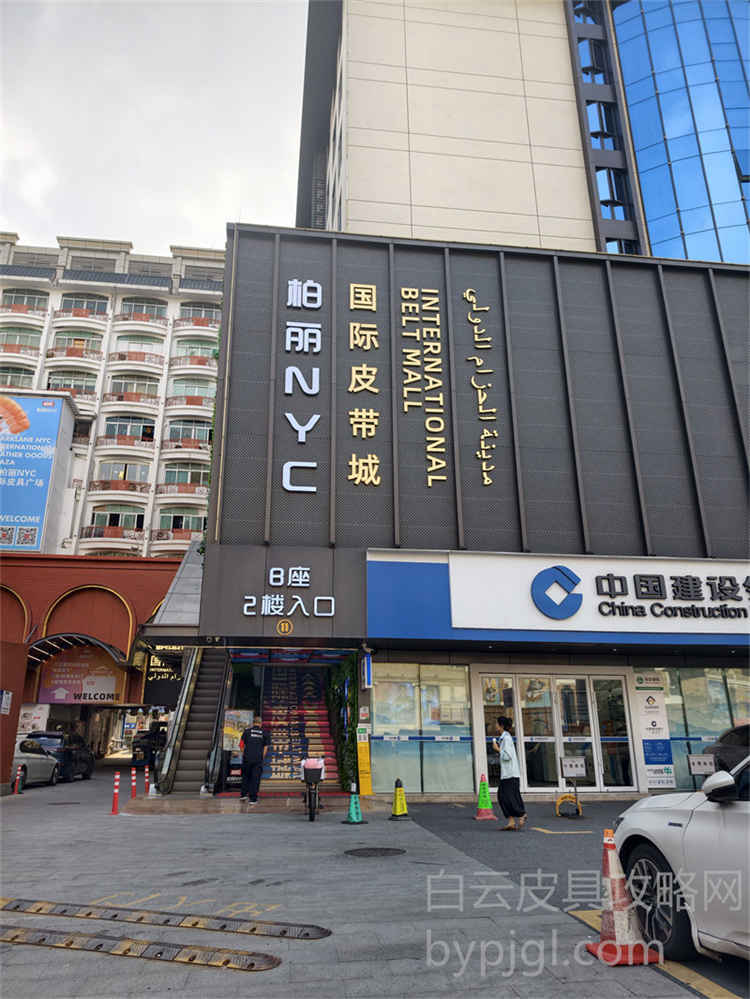
Why Guangzhou is Still the Heart of Global Bag Sourcing
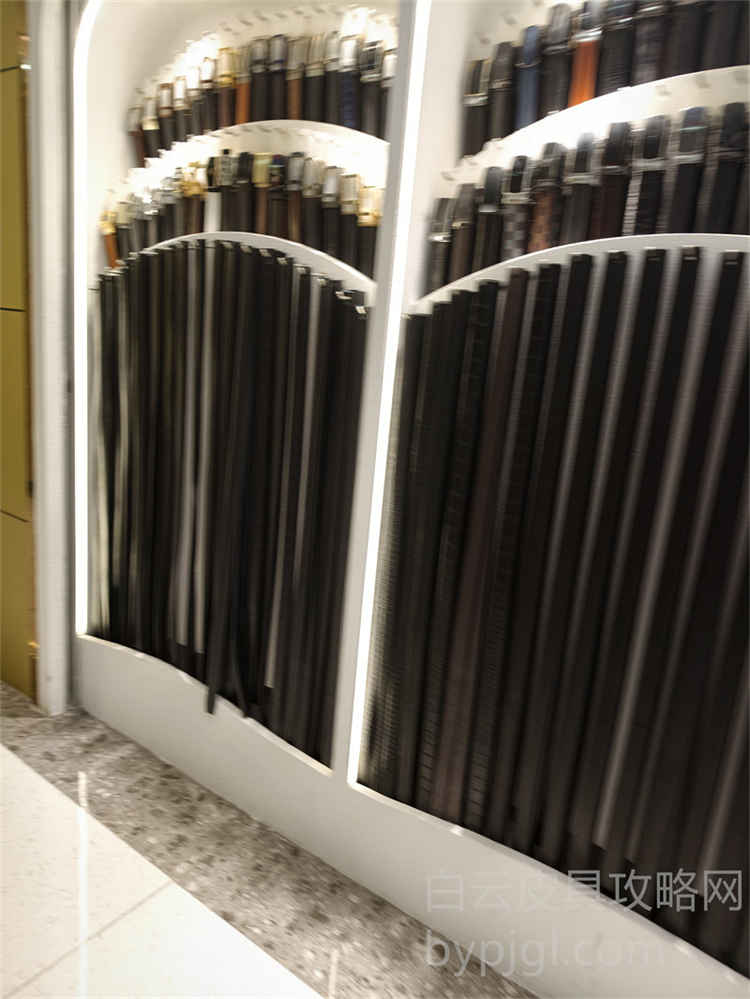
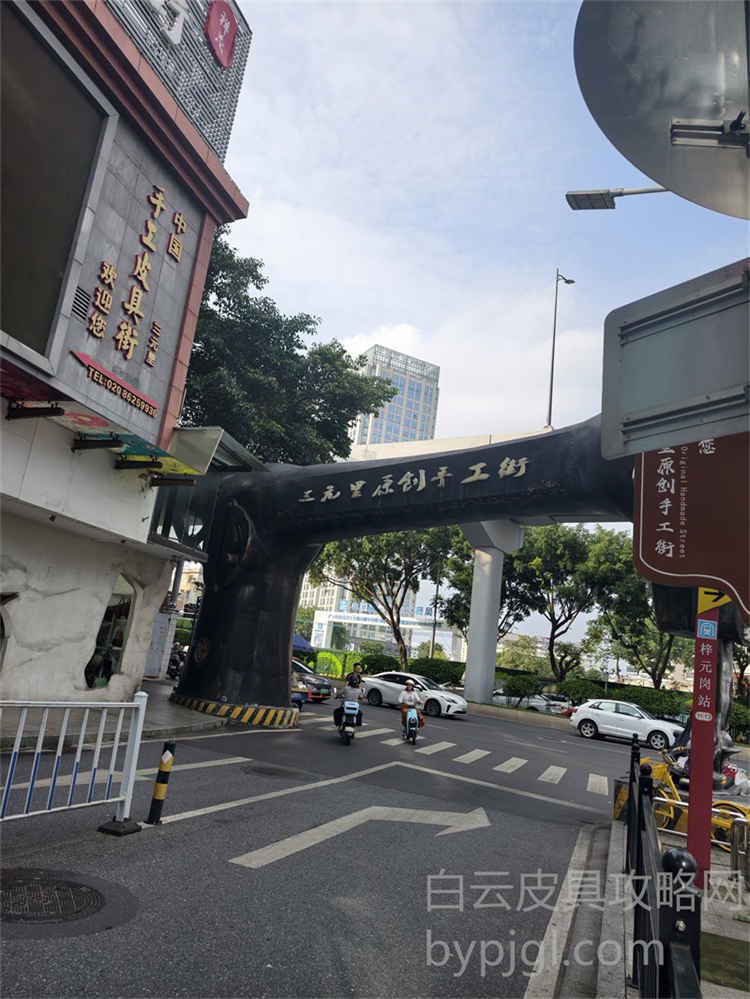
I have been standing behind my counter in the Baiyun District for over twenty years. While everyone talks about online shopping and droshipping, I still see trucks arriving from all over the world every single day. If you are looking for bag sources in Huadu or anywher near Guangzhou, let me tell you something: the real action happens right here on the ground. You cannot get the true feel of the supply chain just by scrolling through a screen. The leather, the stitching, the smell of the workshop—it all comes alive when you walk into these markets.
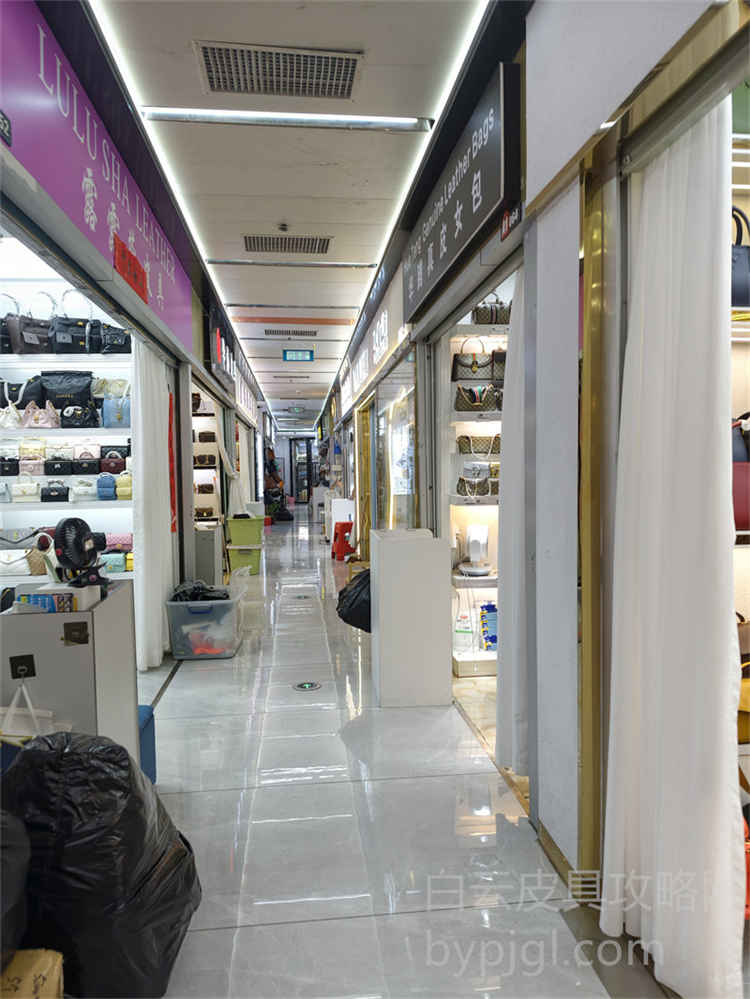
Many overseas buyers think they can just order samples and be done with it. That is a mistake. In places like the China Leather City and the surrounding wholesale hubs, the quality varies wildly from one stall to another. My advice? Come here, touch the materials, and talk to the people who actually make the goods. This is wher you find the hidden gems that big retailers miss.
Navigating the Markets: Beyond the Main Entrance
The Layout of Baiyun and the Hidden Gems
When you first step into the massive complex in Baiyun, it can feel overwhelming. There are thousands of stalls, and the noise is constant. Do not panic. Most tourists stick to the main corridors wher the flashy displays are, but the real deals are often tucked away in the back alleys or on the upper floors. These areas house the factories that do not spend money on fancy advertising but focus entirely on production quality.
If you are specifically hunting for Huadu style bags, which are known for their durability and specific hardware finishes, you need to ask around. Many suppliers in Baiyun source their raw materials from Huadu but assemble and finish them right here in the market district. By asking the older shop owners, "Wher do you get your Huadu stock?" you will quickly find the direct links to the workshops. It is an oral tradition passed down among us locals.
The Art of Selecion: What to Look For Before You Buy
Inspecting the Stitching and Hardware
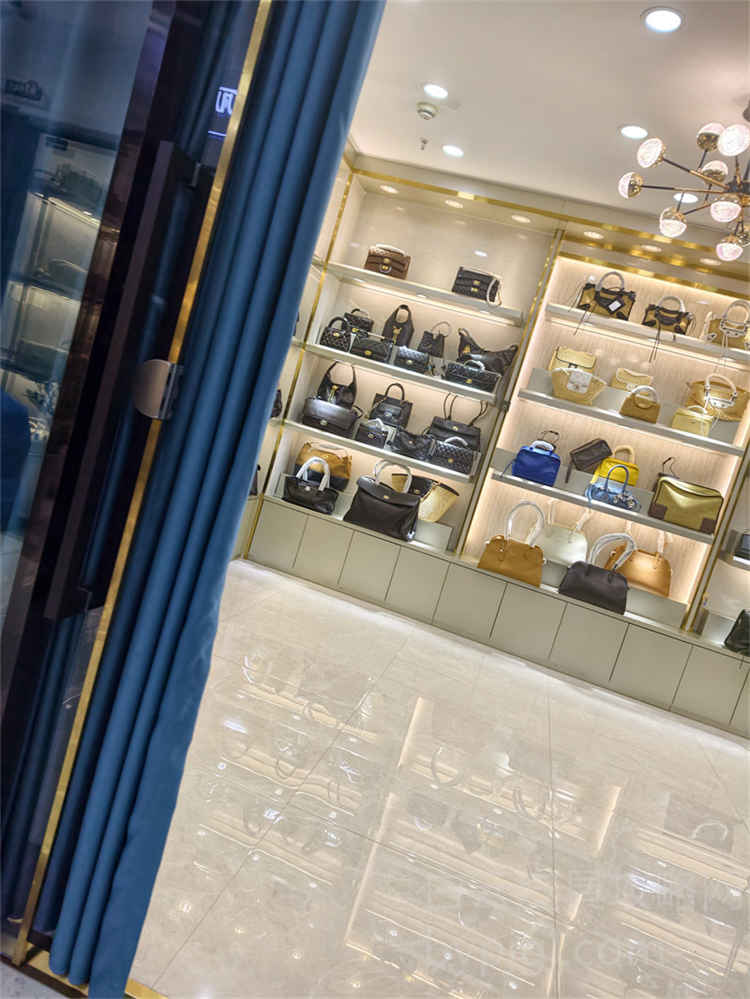
When you approach a stall, do not just look at the finished product on the table. Ask to see the unfinished pieces or the raw leather rolls. A good supplier will show you this immediately because they know what they are selling. Check the thread tension. Is it even? Are there loose ends? The stitching tells you everything about the care taken during production. Also, pay close attention to the zippers and buckles. Cheap metal turns green or rusts within months. High-quality brass or zinc alloy feels heavy and has a smooth finish.
In the bustling atmosphere of the market, it is easy to get distracted by the flashiness of a new design. But as a veteran buyer, I always remind myself to check the lining. Does it fit perfectly inside the bag? Is the fabric breathable? These small details separate a premium item from a disposable one. When you are negotiating, use these observations to build trust. Show them you know your stuff, and they will treat you like a partner rather than a tourist.
Building Relationships and Negotiating Terms
Talking Like a Local Buyer
One of the biggest mistakes foreign buyers make is trying to negotiate like a customer in a retail store. Here, we deal in volume and relationships. Do not start by asking for the lowest price. Instead, ask about the minimum order quantity (MOQ) and the lead time. If you are willing to commit to a larger batch, the price dros significantly. We prefer steady partners who come back season after season.
Communication is key. Even if your Mandarin is limited, bring a translator or use a simple translation app, but try to learn a few basic phrases. Asking "How long does this take to make?" or "Can I see the factory?" shows respect. once you establish a rapport, the owner might invite you to their office or even their workshop in the nearby industrial zones. This is wher the magic happens. Seeing the machines running and the workers sewing gives you confidence that your order will be handled correctly.
Avoiding Pitfalls and Ensuring Quality Control
The Inspection Process Before Shipping
Never ship without a final check. I have seen too many buyers lose money because they trusted a photo sent via WhatsApp. Photos can be edited; reality cannot. Always insist on a video call inspection before the goods leave the warehouse. Zoom in on the corners, the handles, and the interior pockets. Look for any glue stains or uneven coloring.
If you are sourcing from the Huadu area, remember that logistics can be tricky. Make sure your supplier knows how to pack the items securely for international shipping. Crushed boxes mean crushed reputations. Work with a freight forwarder who understands the customs requirements for leather goods in your country. A reliable supplier in Baiyun will often recommend trusted forwarders they have worked with for years. Trust their network, but verify everything yourself.
Finally, keep your expectations realistic. The market moves fast. Trends change every few weeks. Stay flexible and be ready to pivot your selection based on what you see on the floor. The best strategy is to build a diverse portfolio of suppliers so you are never dependent on just one source. Come back often, keep your eyes open, and you will find the perfect balance of quality and value that only Guangzhou can offer.

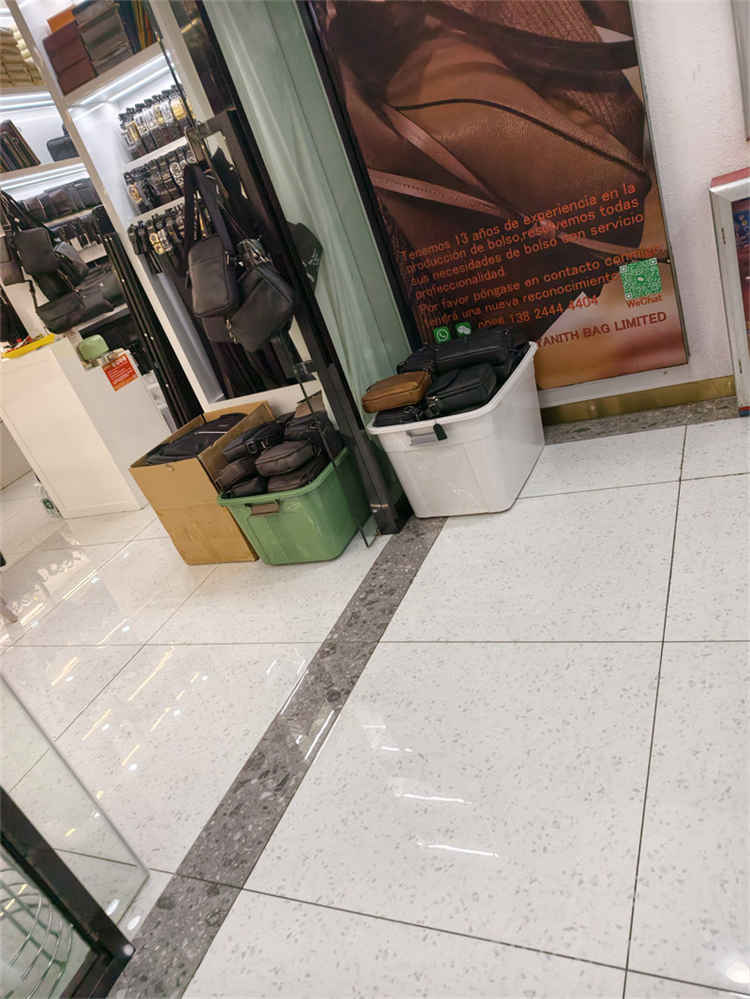
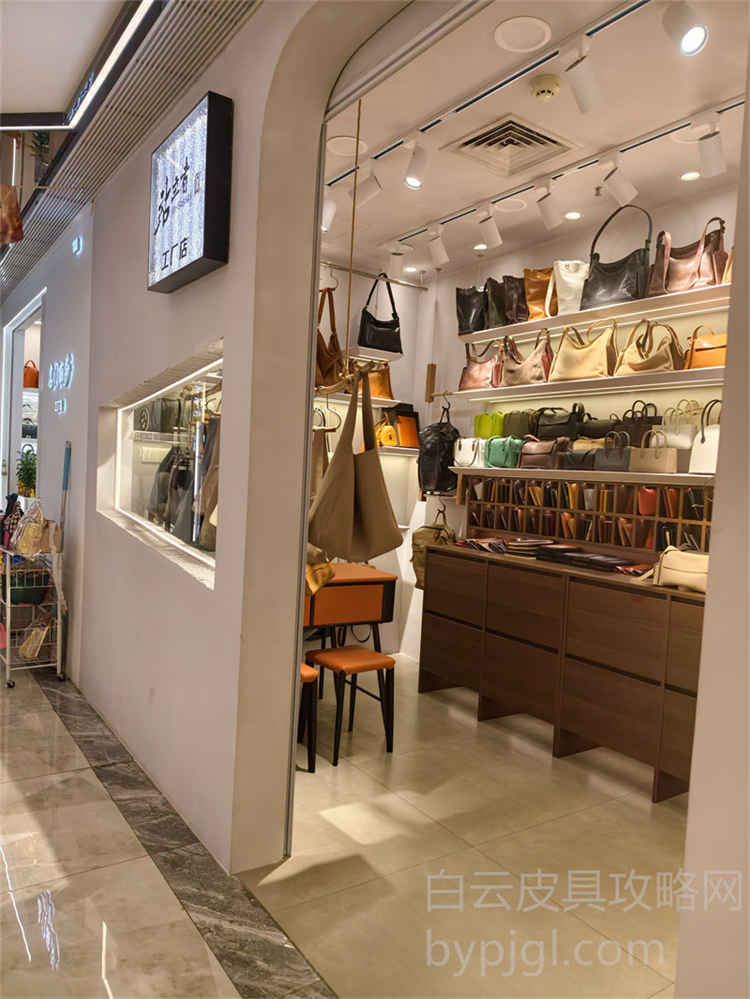
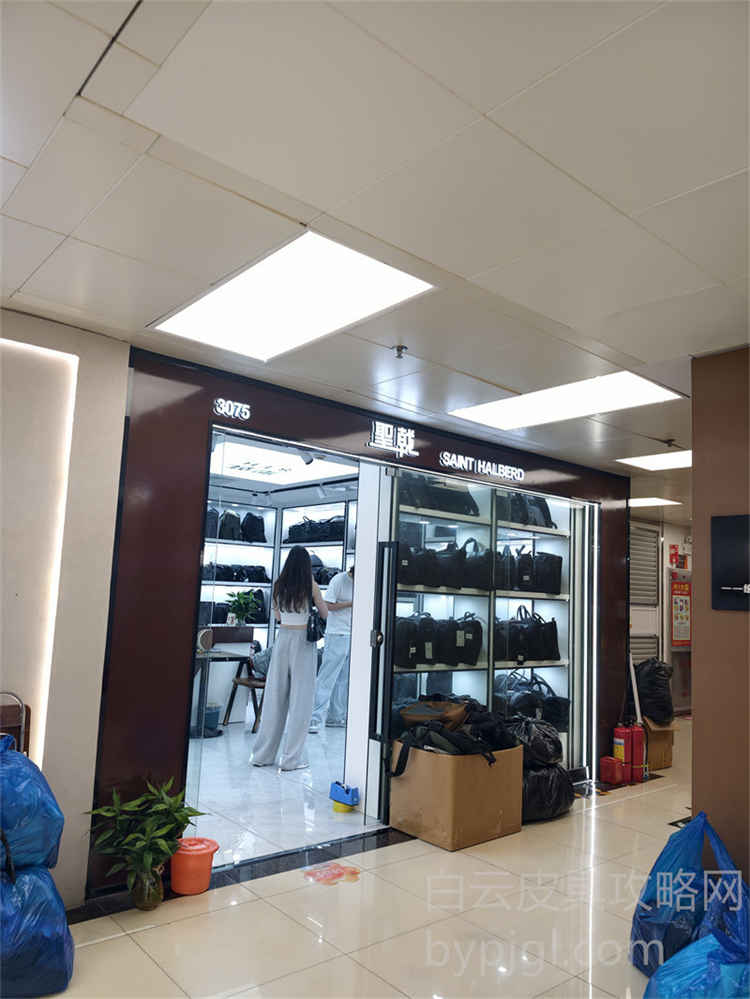
 On-site Visits
 Free Sharing
 Avoid Scams
 Updated Frequently
 For Reference Only