
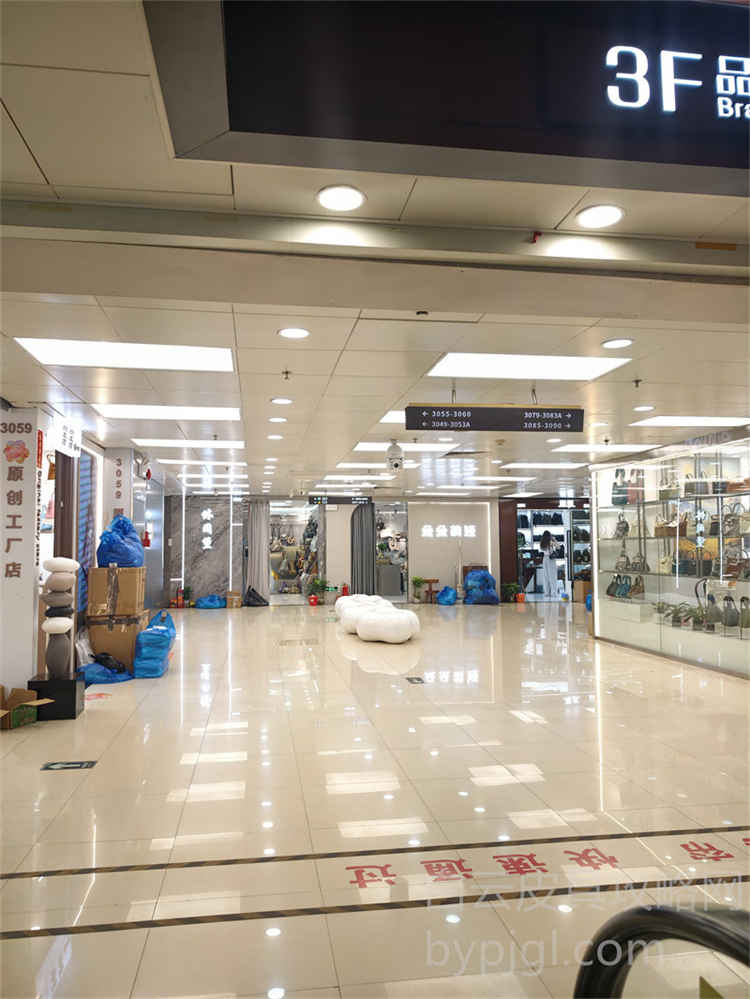
Walking the Floors: My Real Talk on Sourcing Bags in Guangzhou
Listen, I've been standing behind this counter in Guangzhou for over fifteen years. While the internet is flooded with "how-to" guides written by people who have never touched a leather grain or smelled a factory floor, I'm here to tell you what it actually feels like to walk these aisles. If you are planning to source bags from China, specifically from the heart of the leather district, forget everything you think you know about online ordering. The real game happens offline, in the dust and noise of the wholesale markets. You need to understand that we don't sell "designer copies" here; we sell high-end manufacturing capabilities. But getting there requires grit, patience, and a sharp eye.
The First Step: Leaving the Hotel for Baiyun
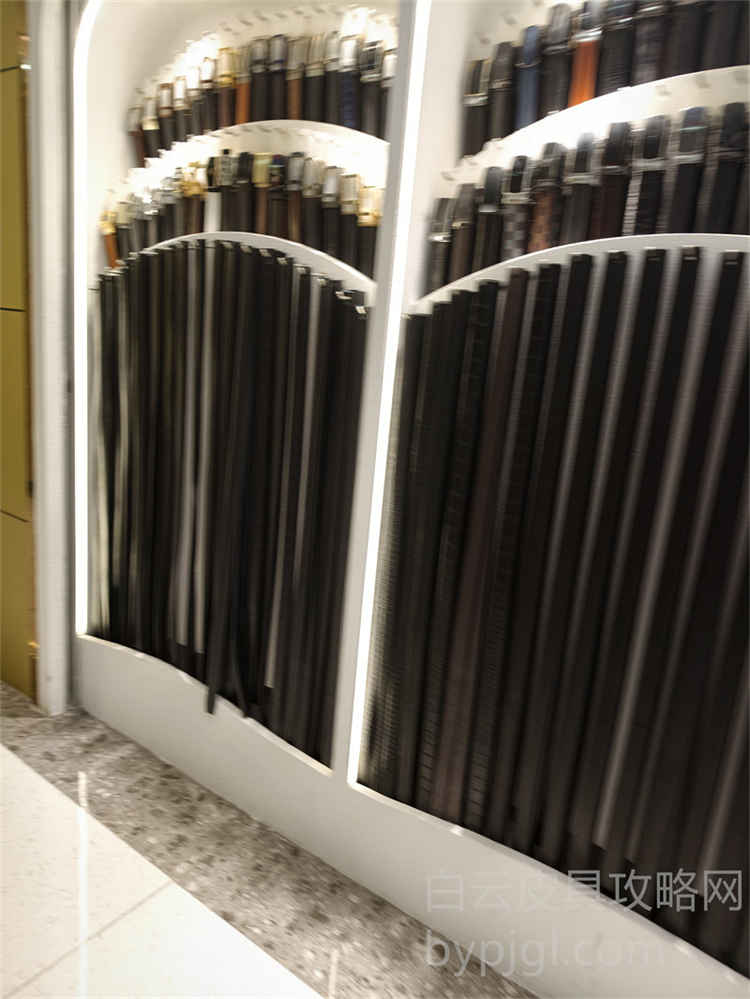
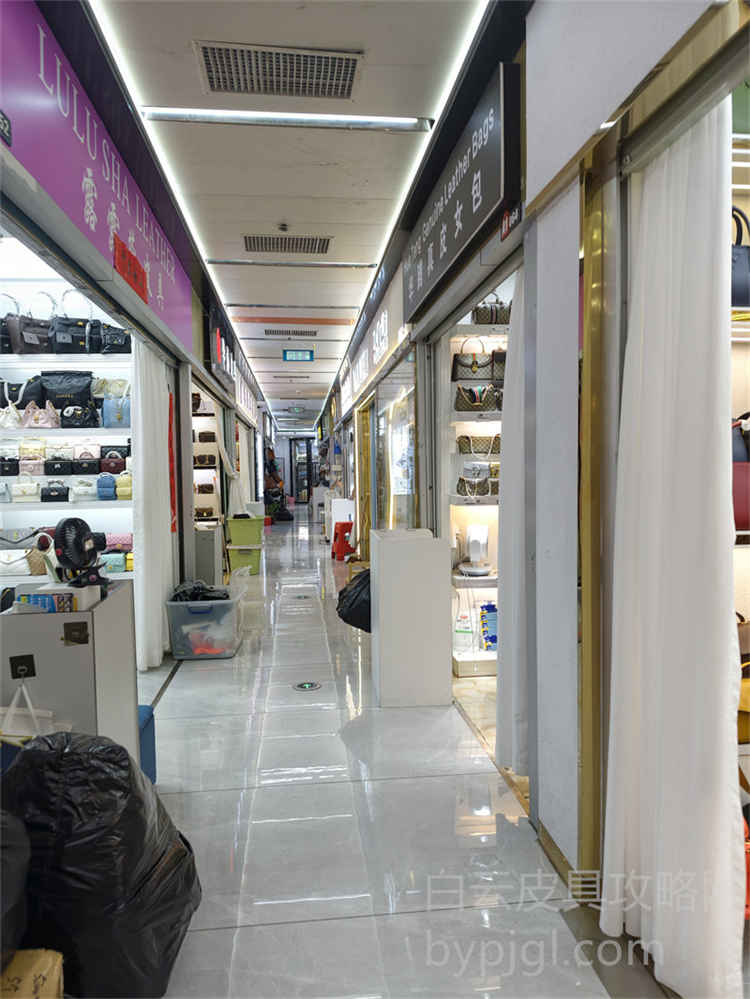
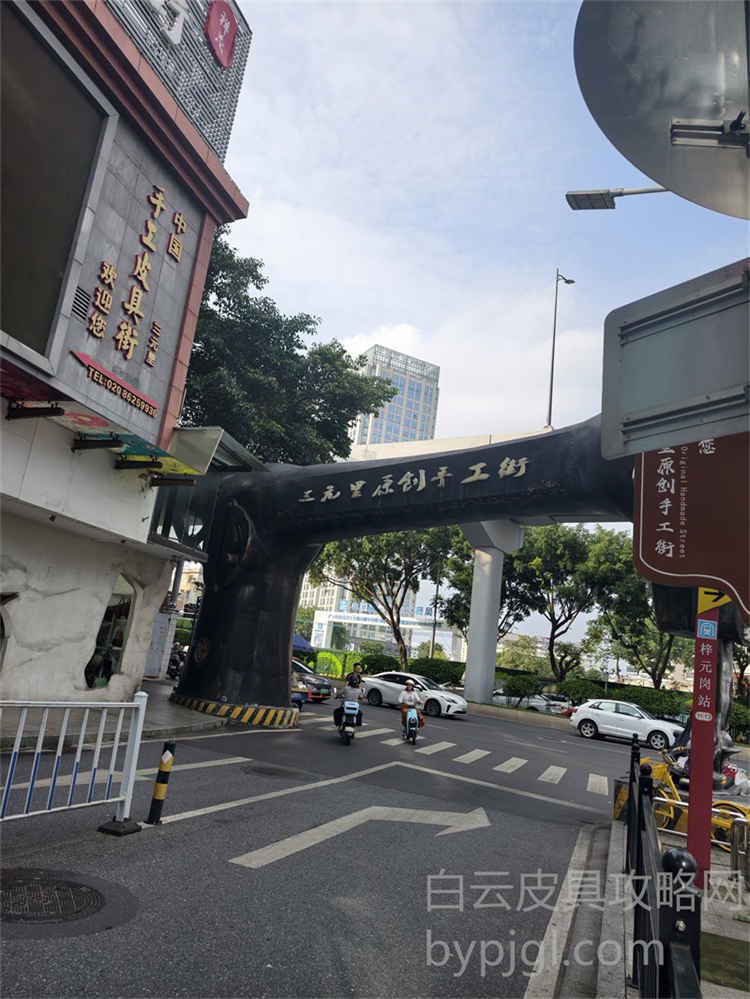
Your journey starts not with a Google search, but with your feet hitting the pavement at Baiyun Leather City. This isn't a single building; it's a sprawling ecosystem of interconnected complexes like Qianwan, Zhongda, and the newer international hubs. When you first arrive, the sheer scale can be overwhelming. Don't get lost in the main corridors wher the flashy displays are. Those are often for tourists or low-volume buyers looking for quick fixes. The serious sourcing happens in the back alleys and the upper floors of these buildings. I always tell my overseas clients to wear comfortable shoes because you will be walking miles. The air smells of glue, new leather, and diesel fumes, and that is the scent of business.
Navigating the Showrooms: What to Look For
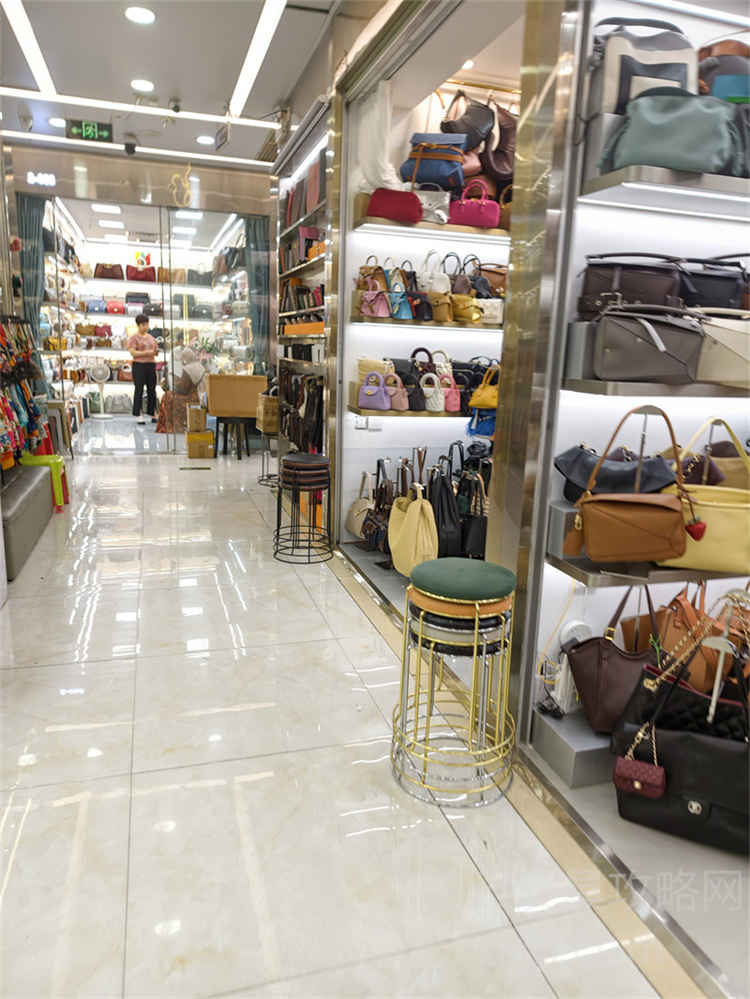
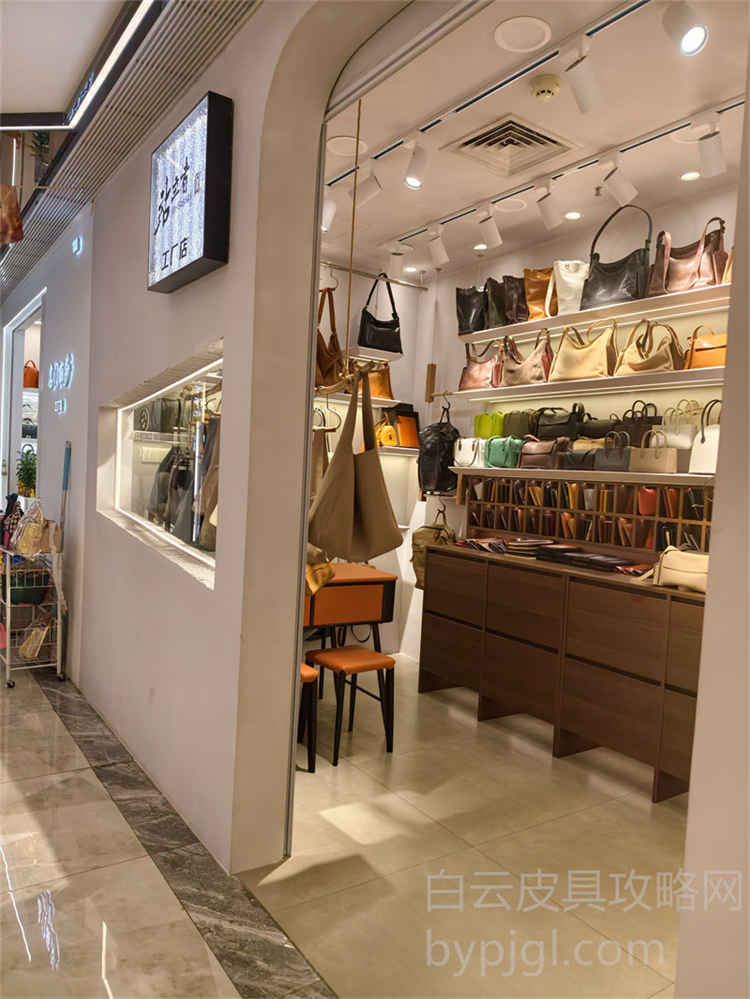
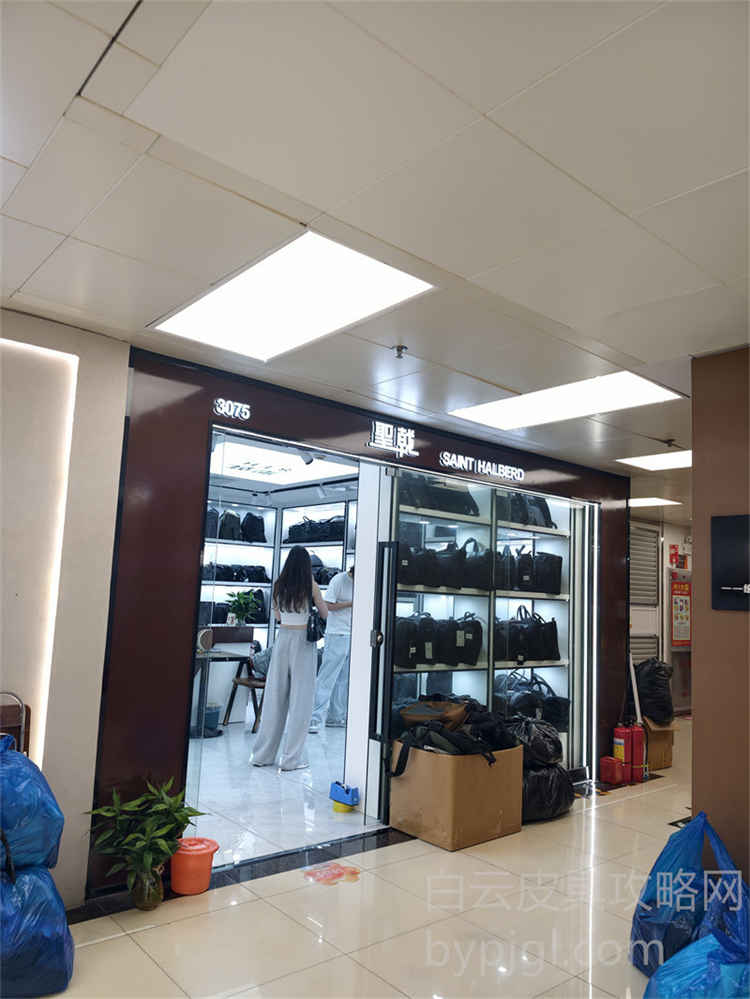
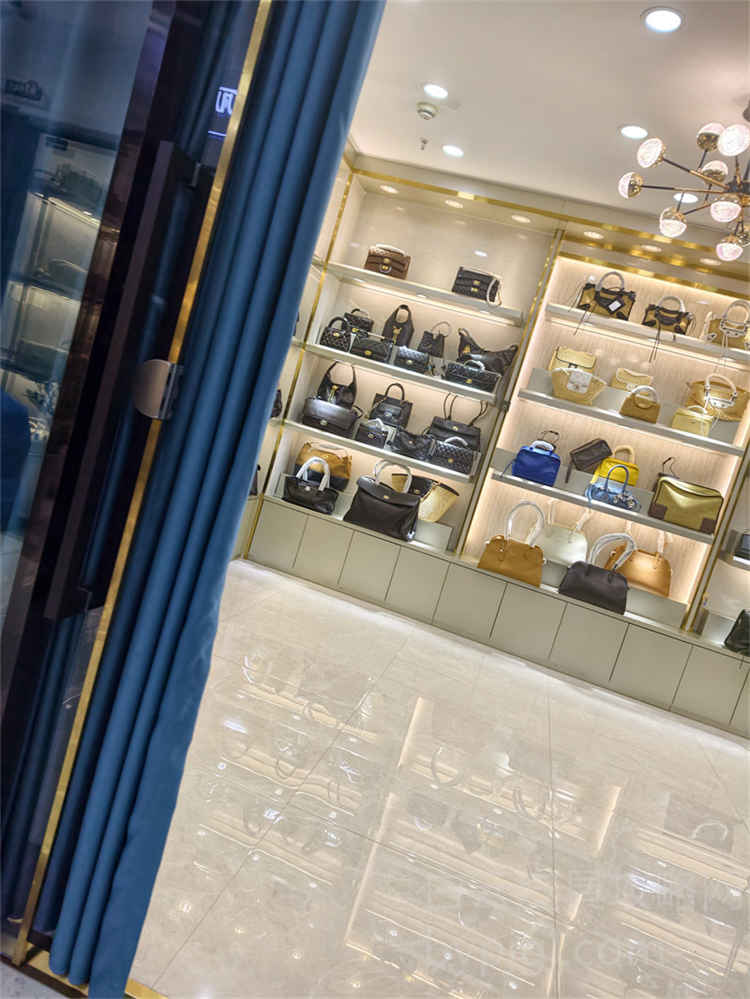
once you are inside a specific market complex, you need to scan the storefronts carefully. A good supplier doesn't just hang a bag on a hook. They show you the hardware, the stitching density, and the lining material. In Baiyun, quality varies wildly from one stall to the next. Some shops specialize in cowhide, others in exotic textures or canvas blends. When you approach a booth, do not ask for "the best." That is too vague. Instead, ask to see their current production line samples. Ask them to open the zippers, check the interior pockets, and feel the weight of the metal clasps. If they hesitate or try to rush you out, move on. We have plenty of other customers waiting. The ones who want to build long-term relationships will take their time to explain the craftsmanship.
Reading the Room: Communication and Language Barriers
You might worry about language barriers, but let me assure you, in Guangzhou, everyone speaks the language of numbers and materials. Most of us have basic English skills, but the real communication happens through photos and physical inspection. Bring a tablet or a phone loaded with reference images of the style you want. Point to the specific details you care about: the color of the thread, the type of handle attachment, or the logo placement. Do not rely on verbal descriptions alone. If a shop owner says something sounds good, ask to see it in writing or on a spec sheet. Many stalls have catalogs, but the real inventory is often hidden behind the counter or in the back room. Be polite but firm. We respect buyers who know what they want.
The Art of Negotiation and Building Trust
Here is wher many foreign buyers make mistakes. They treat every transaction as a one-off deal. In our culture, trust is built over time. If you come in looking for a massive order immediately without establishing a rapport, you will likely get the highest price tag. Start small. Buy a few pieces to test the quality and the shipping process. once you prove you are a serious buyer willing to return, the pricing structure changes. We value consistency. We would rather sell fifty units to a reliable partner than five hundred to someone who disappears after the first payment.
Understanding MOQ and Customization
One of the biggest questions I get is about Minimum Order Quantities (MOQ). In the past, factories demanded huge runs, but the landscape has shifted. Many smaller workshops in Baiyun now accept lower quantities if you are willing to pay a slightly higher unit price. However, if you want custom branding or specific modifications, you need to discuss this early. We can adjust the hardware, change the strap length, or alter the interior layout. Just remember, customization takes time. Rushing a custom order often leads to defects. Be clear about your timeline. If you need goods in three weeks, say so. If you can wait six weeks, we can offer better rates and more attention to detail.
The Inspection Process: Never Skip This Step
This is the most critical part of the entire supply chain. Before you hand over any money, you must inspect the goods. Do not rely on the photos sent via WhatsApp or WeChat. Those can be edited. Go to the warehouse or the production area. Check every stitch. Look for loose threads, uneven gluing, or misaligned patterns. Test the zippers repeatedly. Open and close them ten times to ensure smooth operation. Check the leather for scratches or discoloration. If you find issues, point them out immediately. We will fix them. But if you sign off on the shipment without checking, you cannot complain later. I have seen too many buyers lose money because they trusted a photo instead of their own eyes.
Logistics and Avoiding Common Pitfalls
once the goods are approved, the next challenge is getting them to your country. Guangzhou has excellent logistics networks, but navigating customs and shipping can be tricky. Many suppliers in Baiyun have established relationships with freight forwarders who specialize in international shipping. They can handle the paperwork, consolidation, and delivery to your door. However, do not assume the supplier handles everything automatically. Clarify the Incoterms. Are you paying for DDP (Delivered Duty Paid) or FOB (Free on Board)? Understand who is responsible for customs duties in your destination country. Misunderstanding this can lead to unexpected costs that eat into your profit margins.
Red Flags to Watch Out For
There are scams in every industry, and the leather trade is no exception. Be wary of suppliers who refuse to meet in person or insist on meeting only in a hotel lobby. Real manufacturers have offices and warehouses. Also, avoid anyone who asks for 100% payment upfront before you have seen the product. A standard practice is a deposit of 30-50%, with the balance paid upon approval of the final goods. If a deal sounds too good to be true, it usually is. Cheap prices often mean cheap materials or poor workmanship. Remember, we are in the business of making quality products, not selling trash. Invest in quality, and your brand will benefit in the long run.
Building Your Own Supply Chain
Finally, think of this as a partnership, not just a purchase. Visit Guangzhou regularly. Build relationships with multiple suppliers so you are not dependent on a single source. Diversify your portfolio. Maybe one workshop makes the bags, while another handles the straps or the packaging. This flexibility allows you to adapt quickly to market trends. The leather industry in Baiyun is dynamic. New styles emerge every week. By staying connected and visiting frequently, you stay ahead of the curve. Come back often, bring your team, and keep the conversation going. That is how you succeed in the global market.

 On-site Visits
 Free Sharing
 Avoid Scams
 Updated Frequently
 For Reference Only