

Walking the Floor: What I've Learned After 15 Years in Guangzhou
Listen, if you are reading this from overseas, thinking about flying to China to pick up some high-end leather goods, let me tell you something straight from my shop floor. The internet is full of noise, and most people think "Guangzhou" equals cheap fakes. That is a half-truth that stops many serious buyers from finding the real deal. I have been standing behind this counter in the Baiyun district for over a decade. I have seen trends come and go, factories rise and fall, and buyers who thought they knew everything walk away empty-handed because they didn't understand the local ecosystem.
The question isn't really about whether it is reliable; the question is whether you know how to navigate the market without getting burned. When I say "reliable," I am talking about sourcing products that match the craftsmanship standards of the original makers, using the same leather sources and hardware suppliers. This is not about selling illegal copies to tourists on the street. It is about the B2B supply chain that feeds the global fashion industry. If you want to buy directly from the source, you need to leave your preconceived notions at the airport.
Navigating the Baiyun Leather City Maze
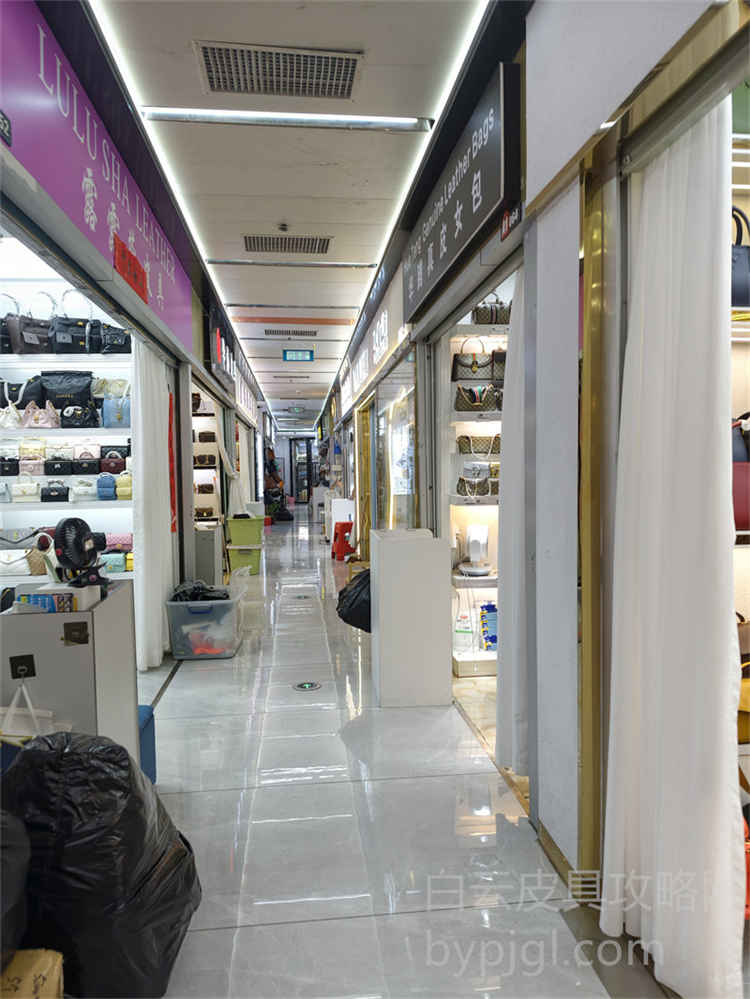
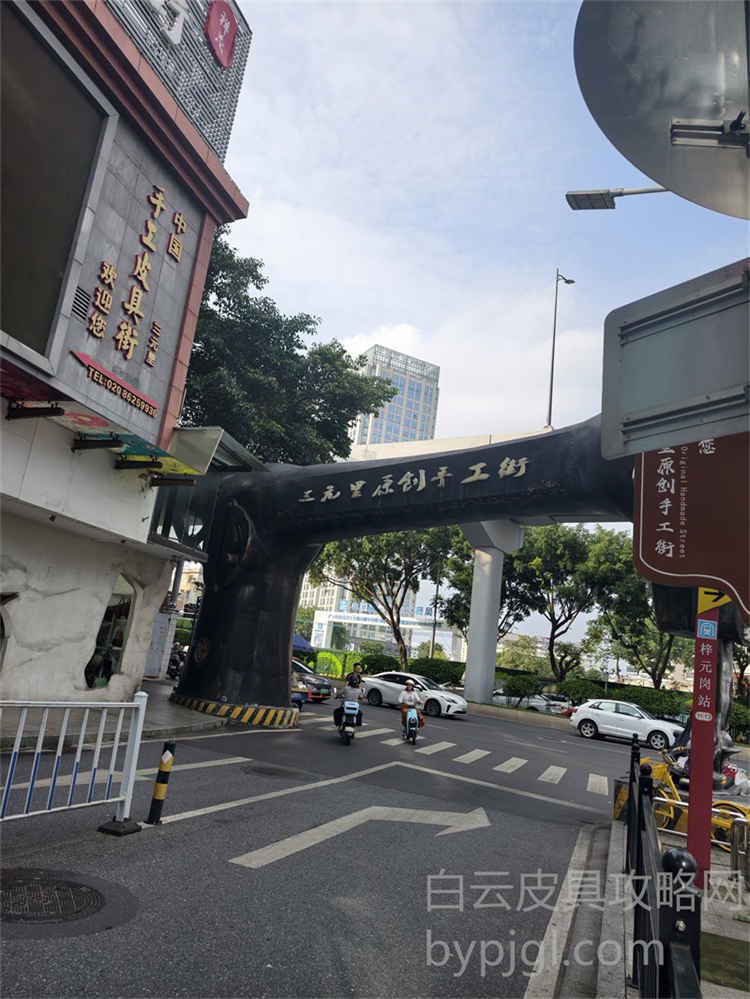
First things first, forget the Google Maps pin. The famous Baiyun Leather City is not just one building. It is a sprawling complex of interconnected malls, each with its own vibe and price point. There is the World Trade Center, the Daqiao Market, and the newer, more upscale buildings like the International Building. Each location caters to a different tier of buyer.
Understanding the Tiers of Markets
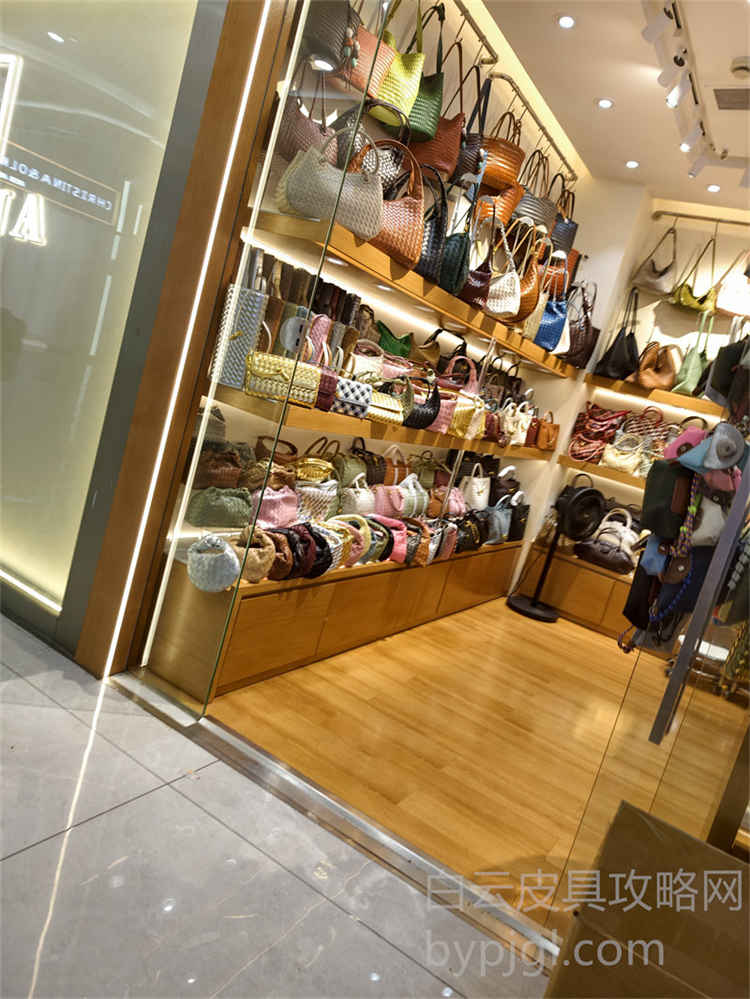
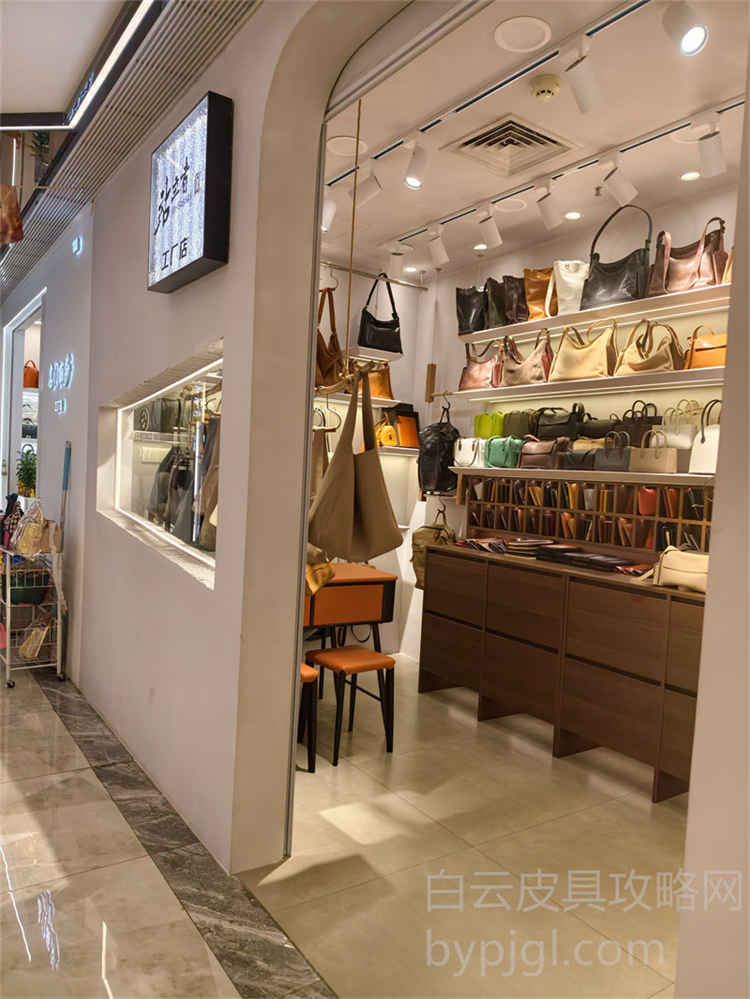
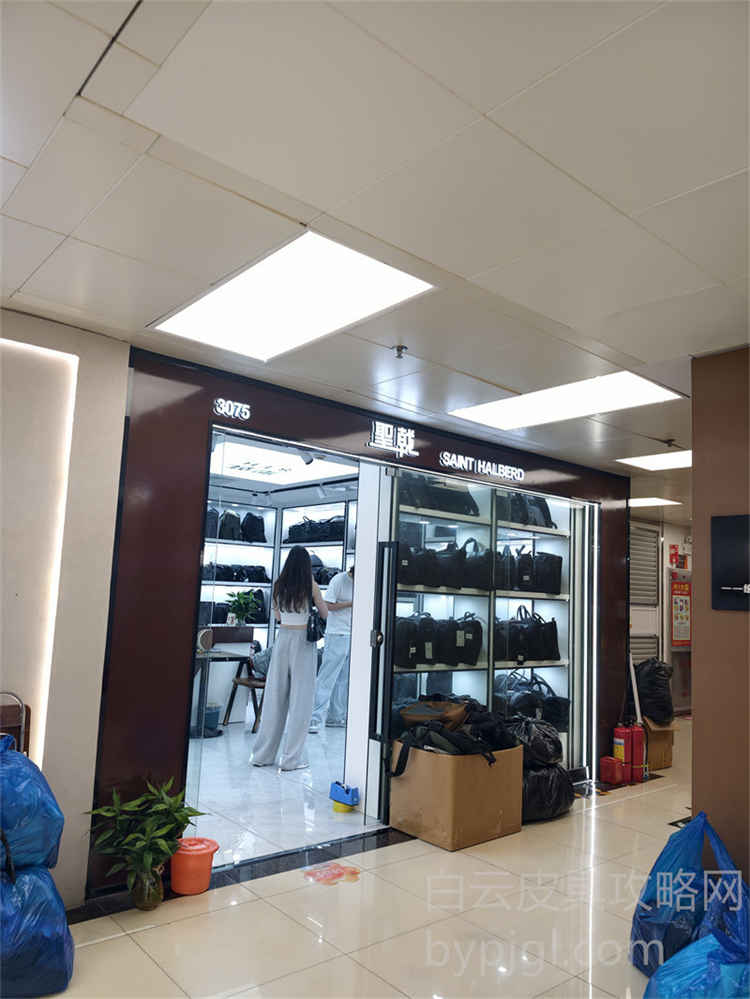
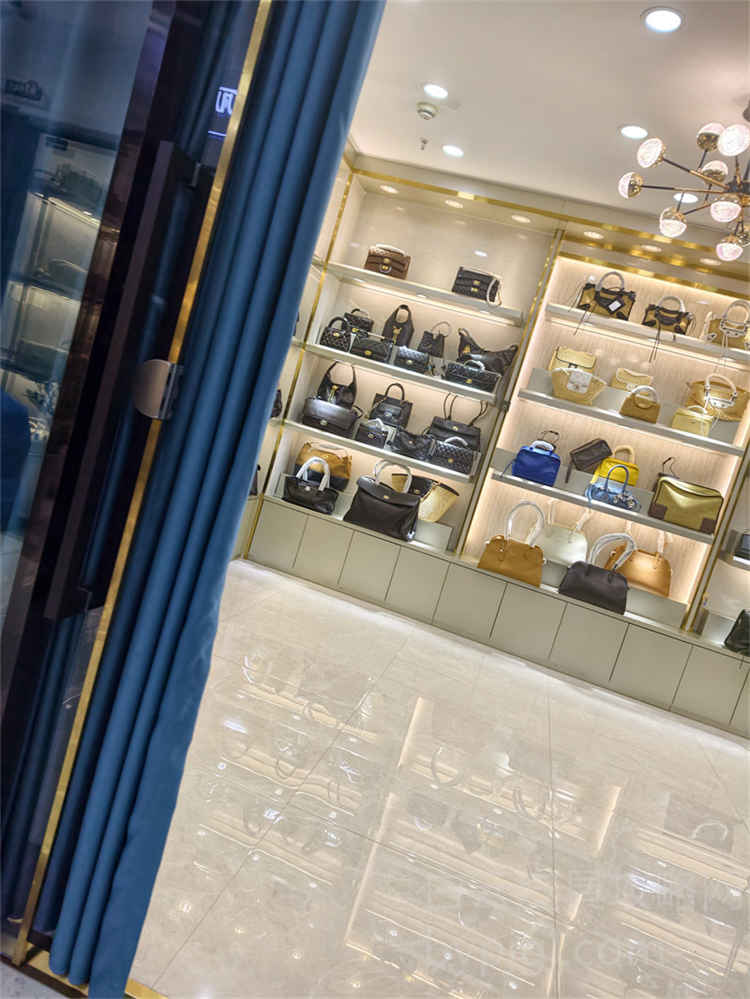
If you walk into the ground-floor stalls of the older markets, you will see bags hanging everywher with tags that look suspiciously like luxury brands. These are often low-quality items meant for the tourist trade or the lowest end of the gray market. Do not waste your time there if you are looking for quality. Instead, head to the upper floors of the newer complexes. Here, the shops look more like boutiques. The lighting is better, the leather smells real, and the staff speaks better English. This is wher the serious manufacturers keep their showrooms. They do not display anything that looks obviously fake. They talk about "top grade," "original mold," and "same materials."
The importance of Face-to-Face Interaction
You cannot get the real story online. I have had clients try to order via WeChat before arriving, only to receive a product that looked nothing like the photos. Photos can be edited, angles can be hidden, and leather texture cannot be captured by a camera. When you stand in front of my counter, I can show you the grain of the calfskin, the weight of the zipper, and the stitching tension. You can run your fingers over the material. In Guangzhou, touch is the ultimate currency. If you are willing to travel here, you must be prepared to spend hours walking the aisles, touching hundreds of bags, and comparing them side by side.
The Art of Sourcing and Vetting Suppliers
once you are inside the right building, how do you find the right stall? Most people make the mistake of asking for the "best quality" immediately. That is a red flag. A good supplier knows that "best" is subjective. Instead, ask specific questions about the materials. Ask wher the leather comes from. Is it Italian cowhide? French lambskin? Or is it a domestic alternative that mimics the feel? Ask about the hardware plating. Does it use zinc alloy or solid brass? Does the gold plating fade after a month?
Building Trust with the Boss
In this business, trust is built slowly. I treat every visitor as a potential long-term partner, not a one-time cash grab. When you meet a boss in their office, bring a notebook. Write down the specs of what you want. Show them samples you have found elsewher and ask for a comparison. If they are confident in their work, they will challenge you. They might say, "This bag uses a cheaper lining to save cost, but we can upgrade it for an extra dollar." That honesty is rare. If a seller promises you perfection at a rock-bottom price, run. Real craftsmanship costs money. The leather, the labor, the time—it all adds up.
Reading the Room
Look at the other customers in the showroom. Are they locals? Are they other international buyers? A busy stall usually means good turnover and fresh stock. If a shop is empty and the owner is desperate to sell you something, be cautious. Also, pay attention to the packaging. High-end production always includes dust bags, authenticity cards (for the domestic market), and proper boxes. If the packaging looks flimsy, the product likely is too.
Finalizing the Deal and Shipping Logistics
Let's talk about the transaction. In Guangzhou, we do not use credit cards for large orders. It is mostly Alipay, WeChat Pay, or bank transfers. For international buyers, we often set up a secure escrow arrangement or take a deposit to start production. Never transfer 100% upfront unless you have a long-standing relationship. A 30% deposit to lock in the style and leather, with the balance paid upon inspection before shipping, is the standard safe practice.
The Inspection Process
Before you ship anything out of China, you must inspect the goods. Many buyers skip this step to save time, and that is when they lose money. If you are not in Guangzhou, hire a third-party inspection agent. But even better, if you are here, do it yourself. Check the stitching count per inch. Look for glue stains. Test the zippers. Open the compartments. Ensure the pattern alignment is correct. If you find a defect, negotiate a discount or demand a remake. We are flexible. Our reputation depends on you being happy with the final product.
Shipping and Customs Considerations
once the goods pass inspection, we handle the logistics. We have relationships with forwarders who specialize in shipping to North America, Europe, and Southeast Asia. They know how to pack the bags securely to prevent crushing during transit. However, you must be aware of your local customs laws. While we produce high-quality goods, the legal status of importing these items varies by country. Some countries have strict rules about branded goods, while others are more lenient regarding unbranded or generic leather goods. Always check your local regulations before placing a large order. We can ship under generic descriptions if needed, but transparency with your freight forwarder is key to avoiding delays.
Why Coming Here Changes Everything
At the end of the day, buying from Guangzhou is an experience. It is chaotic, loud, and sometimes overwhelming, but it is also incredibly rewarding. You get to see the entire process from raw material to finished product. You build relationships with people who understand the craft. You cut out the middlemen and get prices that allow you to actually make a profit or enjoy a luxury item at a fraction of the retail cost.
So, is it reliable? Yes, absolutely. But only if you approach it with respect, patience, and a willingness to learn the ropes. Don't rely on screenshots or vague promises. Come to the Baiyun district, walk the floors, talk to the bosses, and see the leather with your own eyes. That is the only way to truly understand the value of what we offer here. The market is vast, but the opportunities are endless for those who know how to look.

 On-site Visits
 Free Sharing
 Avoid Scams
 Updated Frequently
 For Reference Only