
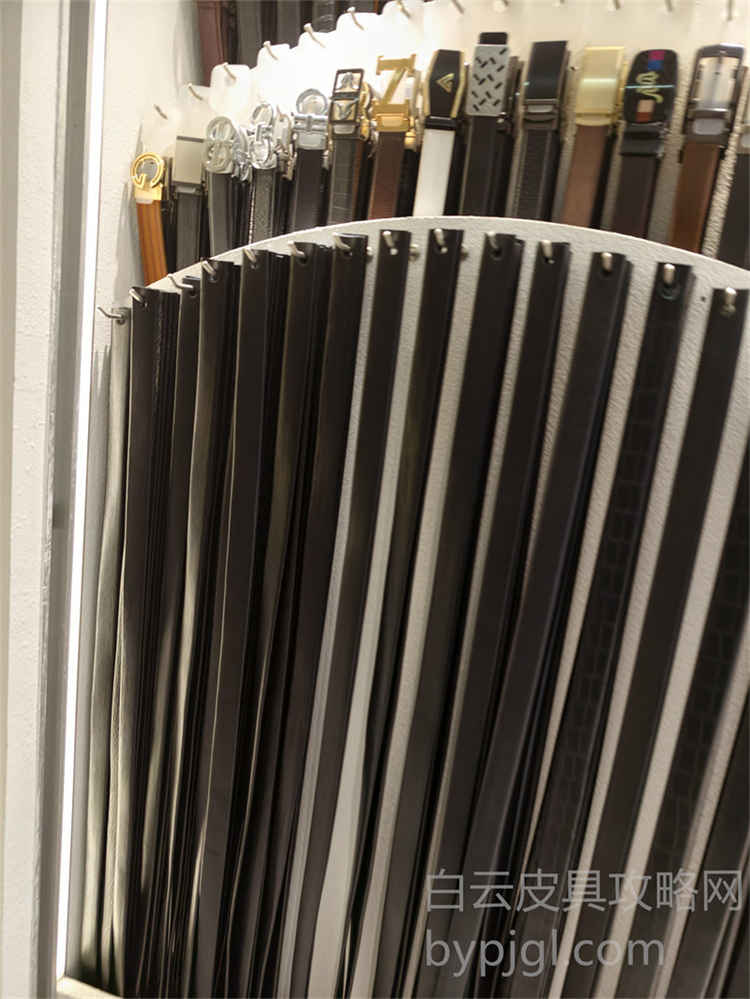
Why I've Been Selling Bags in Guangzhou for Over Two Decades
Listen, if you are scrolling through 1688 looking for bags from Guangzhou, you are already halfway to the right place, but let me tell you something that no algorithm on that app can teach you. You cannot get the real deal just by clicking a mouse. I have been standing in these markets since before the internet even existed here. My shop is tucked away in a corner of the Baiyun Leather City complex, and I have seen thousands of buyers come and go. Some leave with gold mines, others leave with empty pockets and headaches. The difference? They didn't know how to walk the floor.
When people ask me about sourcing from China, they think it is all about finding the cheapest price on a screen. That is a trap. The real magic happens when you step out of your hotel room and into the humid, chaotic, electric atmosphere of the Baiyun district. This is wher the supply chain breathes. If you want to build a serious business, you need to understand that 1688 is just the digital catalog; the factory floor and the physical showroom are wher the quality lives or dies. I am going to share exactly how we do things here, the way my family has done it for twenty years.
Navigating the Real Markets: Beyond the Screen
The Myth of Online-only Sourcing
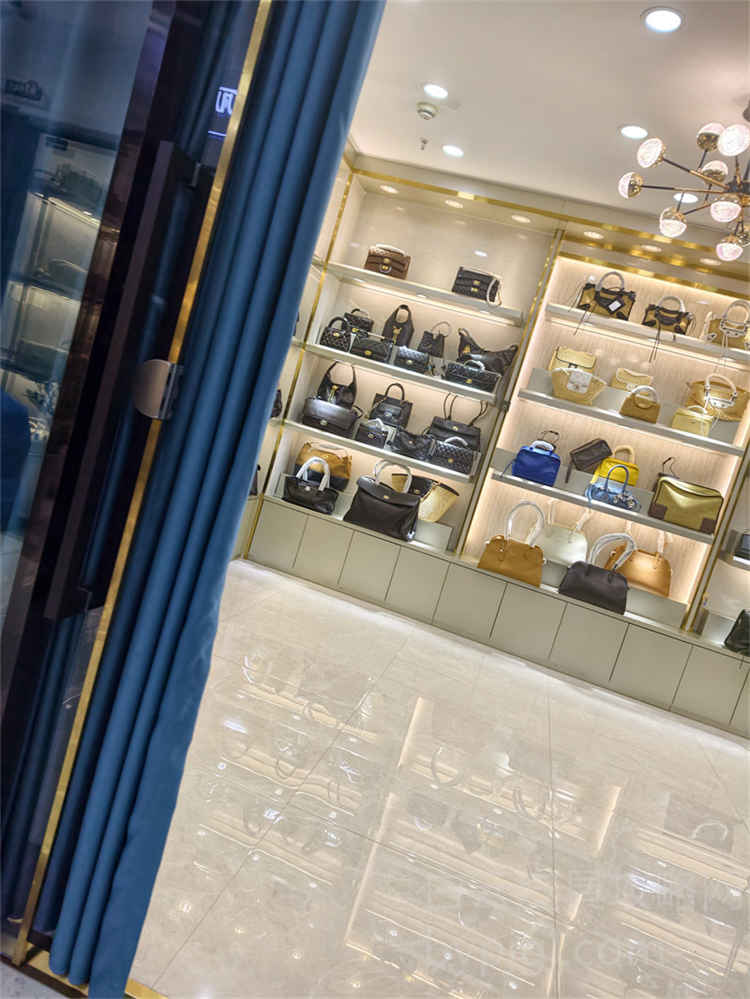
You might be tempted to order samples directly from 1688 without ever visiting. Do not make that mistake unless you are ready to gamble. The photos on those apps are often taken under perfect studio lights, hiding stitching flaws or cheap lining materials. When you are here in person, specifically in the Baiyun area, you can touch the leather, smell the glue, and check the weight of the hardware. I remember a buyer last month who ordered fifty units based on a photo. When the goods arrived, the zippers were rusting within days. Had he walked into my shop, he would have felt the metal thickness immediately.
Understanding the Layout of Baiyun
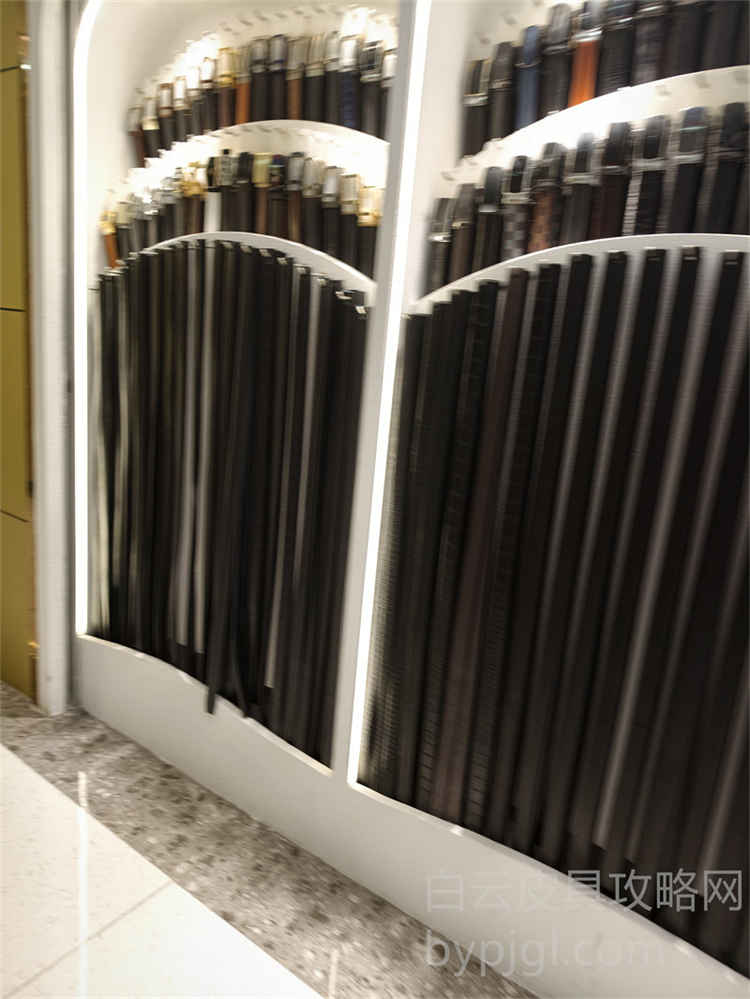
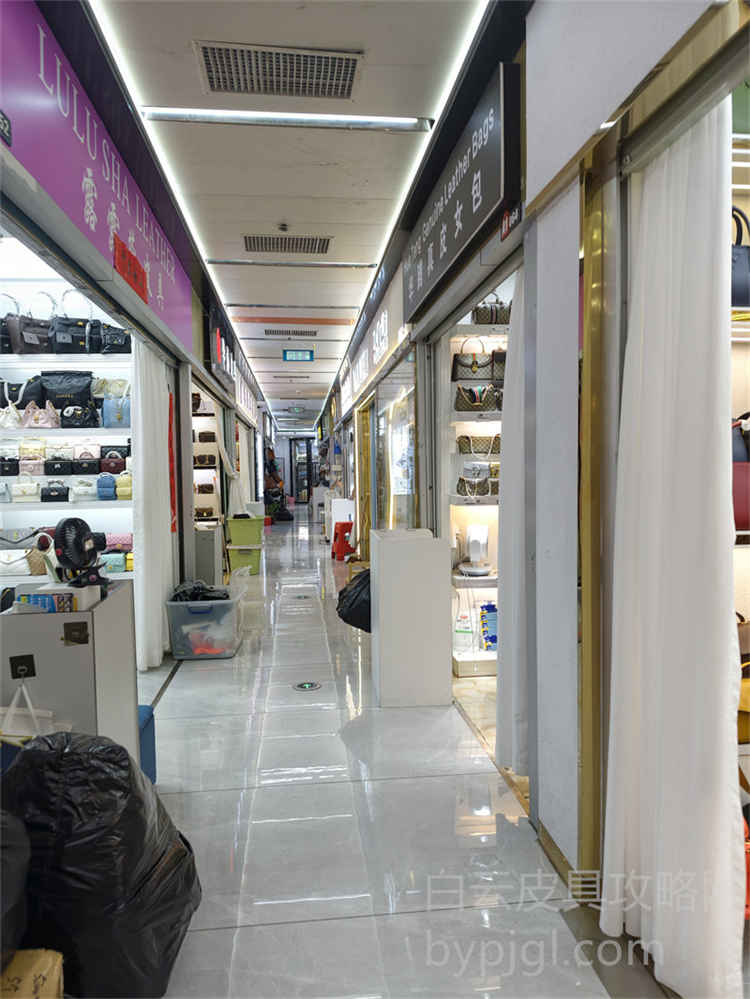
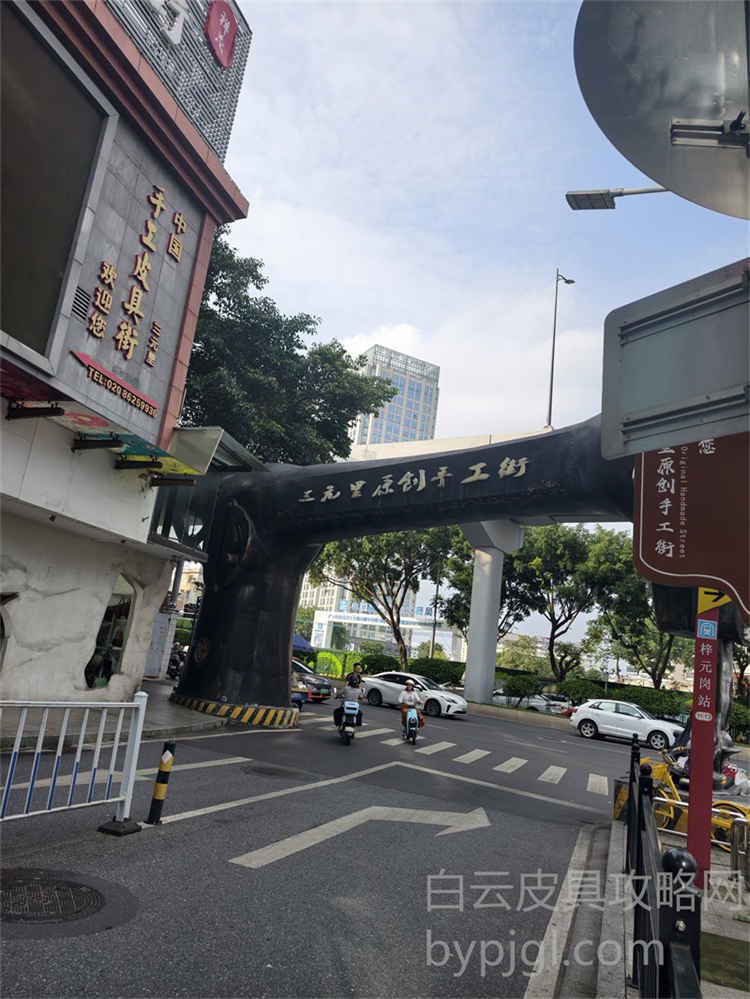
The market is not one single building; it is a sprawling ecosystem. There is the main plaza, then the side streets, and then the deeper alleys wher the high-end workshops hide. Most tourists get lost in the main plaza wher the prices are marked up for foreigners. You need to dig deeper. Go to the buildings further back, the ones that look less flashy. That is wher the serious wholesalers operate. They do not put their best stock in the front window. They keep the premium pieces for regular clients who know how to talk to them. If you walk in looking like a first-timer, you will get the "tourist price."
The Art of Inspection: What We Look For Before Buying
Leather Grain and Smell Test
Here is a trick I learned thirty years ago that still works today. Close your eyes and smell the bag. Good leather has a distinct, rich scent. Cheap synthetic material smells like chemicals or plastic. Run your hand over the surface. Does it feel soft and warm, or cold and stiff? In our shops, we use top-tier cowhide and lambskin. If the texture feels uniform and perfect in a way that looks unnatural, it is likely a printed imitation. Real leather has imperfections, veins, and variations. Also, check the edges. Are they painted neatly, or is there glue seeping out? Glue seepage is a dead giveaway of poor craftsmanship.
Hardware and Stitching Details
Never skip the zipper test. Pull it open and closed ten times. Does it catch? Is the slider heavy and solid, or light and flimsy? In Guangzhou, we pride ourselves on using YKK or custom-molded brass hardware. If the plating peels off after a week, you have a problem. Then look at the stitching. Count the stitches per inch. High-quality production usually has tight, even spacing with no loose threads. If you see a thread hanging loose near the handle attachment, that bag will fail in two weeks. I always tell my customers: if you can pull a thread easily, throw it back.
Negotiation and Building Relationships
Talking Like a Local Buyer
When you walk into a stall, do not start by asking for the lowest price. Start by asking about the material source and the production capacity. Ask, "Wher does this leather come from?" or "How many hours does it take to make this model?" This shows you know what you are talking about. once they realize you are serious, they will bring out the better stock. Negotiation here is an art form. It is not about screaming for a discount; it is about building a partnership. Tell them you plan to order regularly. A steady stream of orders is worth more than a one-time bulk buy. We prefer working with partners who respect the craft.
The Sample Strategy
Always, always order a sample first. Even if you plan to buy a thousand units, pay for one piece to inspect it thoroughly. This is standard practice in Baiyun. If the sample is good, you negotiate the bulk price based on that specific quality. If the sample is bad, you move to the next stall. Do not be afraid to walk away. There are hundreds of stalls selling similar styles. Walking away signals that you are not desperate, which gives you leverage in the negotiation. Many buyers stay because they fear missing out, but in this business, patience pays off.
Avoiding Pitfalls and Ensuring Smooth Logistics
Quality Control Before Shipping
One of the biggest mistakes overseas buyers make is assuming the supplier will do the final check. They won't. You must hire a third-party inspector or go to the warehouse yourself before the goods leave China. Check every single bag for dust, scratches, and color consistency. Sometimes, a batch might have slight color variations between boxes. Catch this early. If you wait until the goods arrive in your country, returning them is a nightmare and costs a fortune in shipping fees. We have a dedicated QC team in our workshop, but if you are buying from smaller vendors, you need to be your own QC manager.
Logistics and Packaging
Packaging matters. If you are reselling these items, they need to arrive in pristine condition. Ensure your supplier uses sturdy cartons and protective wrapping. In Guangzhou, we often ship via air freight for speed or sea freight for large volumes. Make sure you have a reliable forwarder who understands customs regulations in your country. Do not try to hide the value of the goods on the invoice; that leads to seizures and fines. Be transparent. Work with a forwarder who knows the Baiyun area well, as they can pick up goods from multiple stalls and consolidate them efficiently. This saves you time and money on handling fees.
At the end of the day, sourcing from Guangzhou is about trust and experience. The city offers an unparalleled variety of products, but only if you know how to navigate the maze. Don't rely solely on the digital world. Come here, touch the leather, meet the makers, and build relationships that last. That is how you find the true gems hidden in the bustling streets of Baiyun.

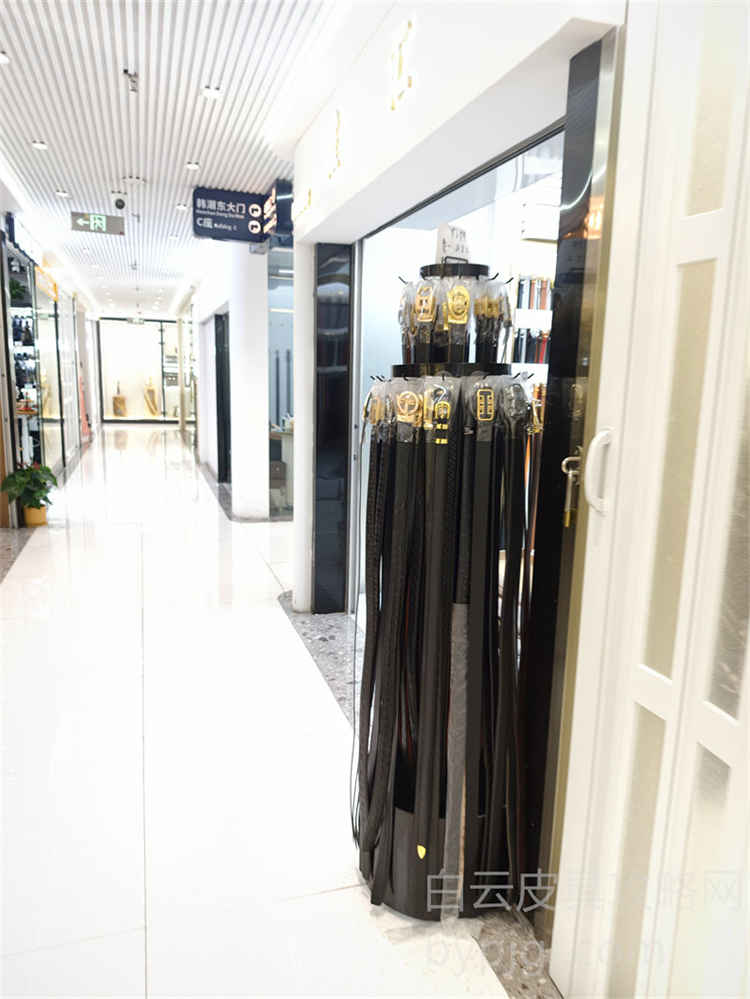
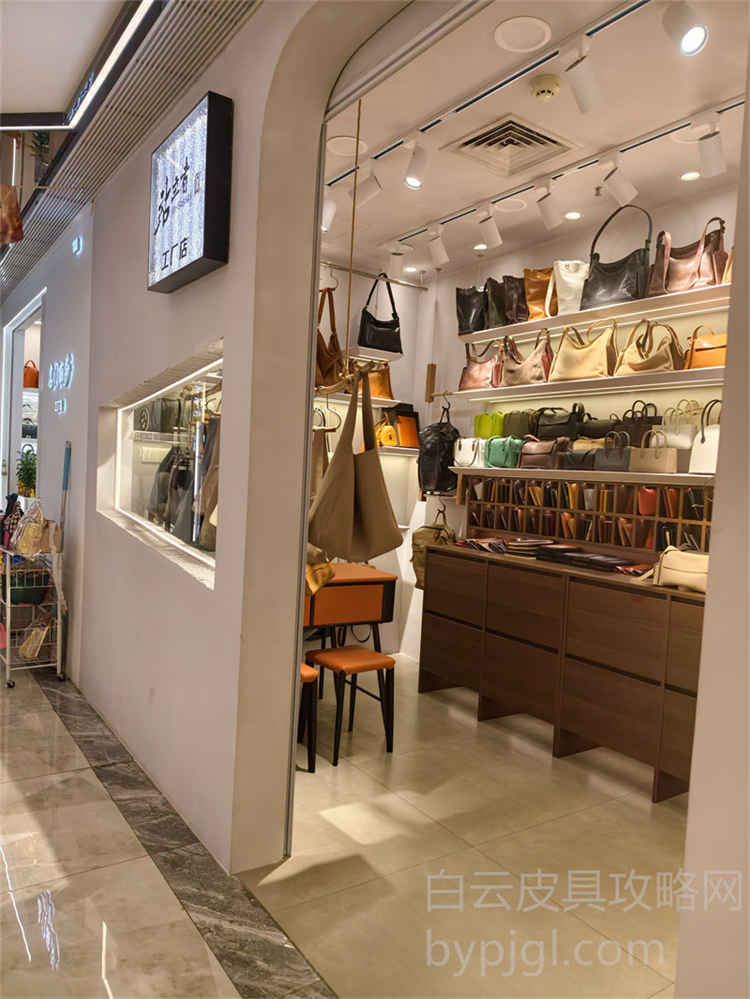
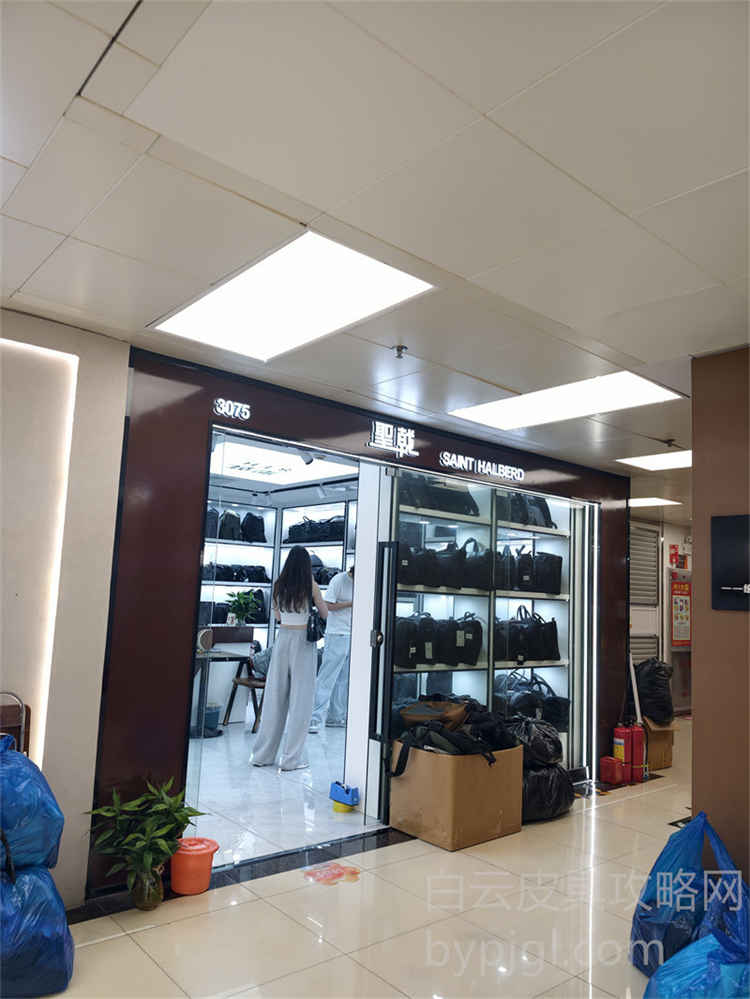
 On-site Visits
 Free Sharing
 Avoid Scams
 Updated Frequently
 For Reference Only