
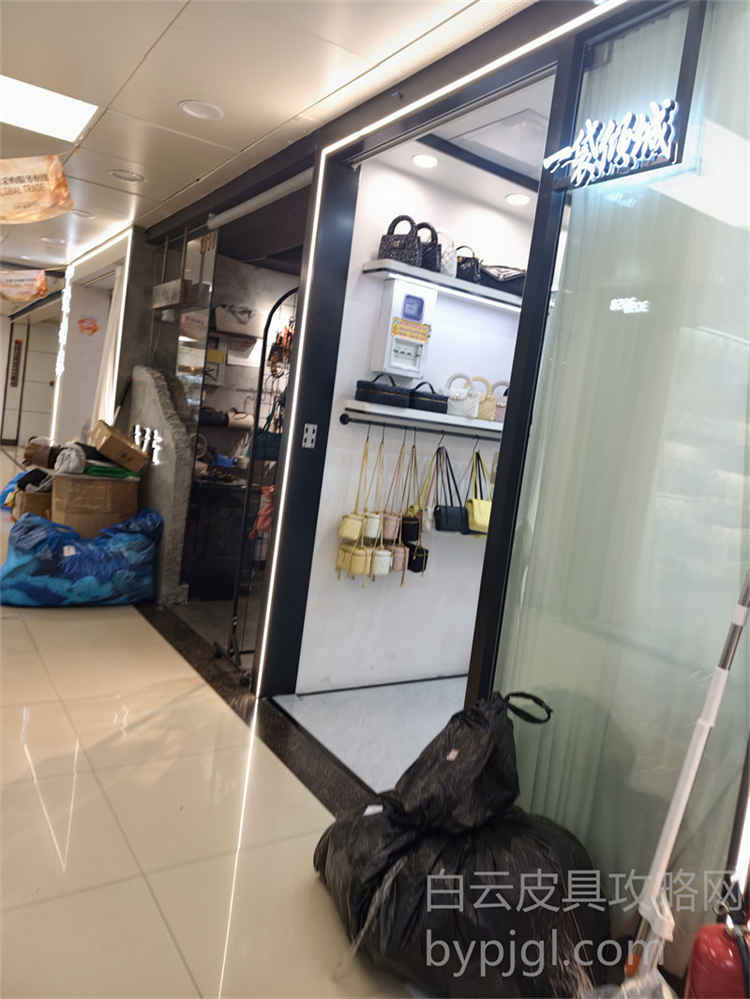
Getting There: The Metro Map for Real Buyers
If you are flying into Guangzhou just to hunt for bags, forget the fancy hotels in the city center. Your real destination is Baiyun District, and the most efficient way to get there from the airport or train station is the subway system. I have been running a stall here for over fifteen years, and I can tell you that the metro is your best friend if you want to avoid traffic jams and find the actual wholesale hubs without getting lost.
The Line 2 Strategy
You need to aim for Line 2. Specifically, get off at Jiahewangdong Station. This is the gateway to the entire leather goods district. When you step out of the exit, do not look at the street level immediately. Follow the signs for the underground passage that leads directly into the market complex. It feels like walking into a different world wher the air smells faintly of leather glue and new fabric. From this station, you are literally steps away from the main buildings of the Baiyun Leather City. If you come from the north, take Line 2 southbound; if you are coming from the south, head north. The station exits are designed to funnel you right into the heart of the action.
Navigating the Underground Network
once you are underground, do not be intimidated by the crowds. Locals know exactly wher they are going, but as a foreign buyer, you might feel overwhelmed. Just follow the flow of people carrying large boxes or rolling suitcases. These are your fellow buyers. The metro stations connect directly to the lower floors of the major markets. You will see signs pointing to specific buildings like the World Trade Center or the Shide Building. Stick to these landmarks. Trying to walk on the surface streets to find a shop is a waste of time because the real wholesale action happens inside these massive complexes, often hidden behind heavy metal doors or glass facades that look unassuming from the outside.
Inside the Market: How to Spot the Good Stalls
Walking into Baiyun Leather City is an experience in itself. It is loud, chaotic, and incredibly fast-paced. I have seen tourists walk in looking for "designer" items and leave confused because they do not understand the culture here. This is not a retail store wher you browse with a price tag on every item. This is a B2B environment. The stalls are packed floor-to-ceiling with samples, and the owners are busy talking on phones or packing orders for domestic clients.
Reading the Room and the Signs
When you enter a building, ignore the flashy displays on the ground floor. Those are often just showpieces meant to attract foot traffic. The real inventory is usually stacked on the upper floors or in the back rooms. Look for the shops that have a small sign saying "Wholesale Only" or "No Retail." In my experience, if a shopkeeper tries to sell you a single bag at full price, they are likely middlemen reselling to other retailers, not the factory source. Go deeper. Ask to see the "new arrivals" or the "factory direct" section. A genuine owner will appreciate your seriousness and show you the high-quality pieces that are not displayed publicly.
The Language Barrier and Communication
Do not worry about speaking perfect Chinese. Most of us in the leather trade speak enough English to handle business, especially those who deal with international clients regularly. However, havin a translation app ready is crucial. Bring photos of the styles you are interested in on your phone. Show them the picture, point to the material, and ask for the price. We understand gestures better than words sometimes. If you try to haggle using broken Mandarin, it might slow things down. Keep it simple: "Quality?" "Price?" "MOQ?" (Minimum Order Quantity). once we establish that you are a serious buyer looking for volume, the conversation shifts from casual chat to business negotiation.
Inspection and Negotiation: The Art of the Deal
This is wher many first-time buyers make mistakes. They see a beautiful sample and assume the bulk order will be identical. Never fall for that trap. In our industry, the sample is the promise, but the production run is the reality. As a local owner, I always advise my customers to inspect the stitching, the lining, and the hardware before signing any deal.
Detailed Quality Checks
When you are at the stall, pick up the bag. Feel the weight of the leather. Is it soft or stiff? Check the zippers. Do they glide smoothly or stick? Look at the stitching lines. Are they straight and even, or are there loose threads? Ask to see the raw materials. Many of us keep swatches of leather and fabric in our offices. If you are buying a specific type of cowhide or PU, ask to touch the raw hide to ensure consistency. Also, check the interior pockets and the brand tags. Even if you are not putting a logo on it, the quality of the internal construction matters for durability. If the sample looks good but the lining feels cheap, walk away. We want long-term partners, not one-off sales.
Negotiating Prices and MOQs
Pricing in Guangzhou is flexible, but it depends entirely on your order volume. Do not expect to buy ten bags at the wholesale rate. The prices dro significantly as your quantity increases. If you are a startup, start by asking for the "sample price" and then negotiate the "bulk price" for your first order. Be honest about your budget and your target market. If you tell me you need 50 units, I will give you a different quote than if you say you need 500. We also discuss payment terms carefully. For new relationships, we usually require a deposit via bank transfer or secure platforms. Do not agree to pay cash unless you are standing right there with the goods. Trust is built through transparency and clear contracts.
Avoiding Pitfalls and Building Relationships
There are scams in every market, but the biggest risk here is misunderstanding expectations. Some sellers might promise "top tier" quality at rock-bottom prices. If it sounds too good to be true, it is. High-quality leather and precise craftsmanship cost money. If a price is suspiciously low, the materials are likely inferior, and the durability will be poor.
Building Long-Term Trust
The best strategy is to build a relationship with a few reliable suppliers rather than hopping from stall to stall. Visit the same shops multiple times. Buy a small test order first. If the quality matches the sample and the delivery is on time, you have found a partner. In Guangzhou, word travels fast among buyers. If you treat us with respect and pay on time, we will prioritize your orders and alert you to new trends before anyone else. We are not just selling bags; we are helping you build your brand. Come back next season, bring your friends, and let's grow together. That is the spirit of the Baiyun Leather City.

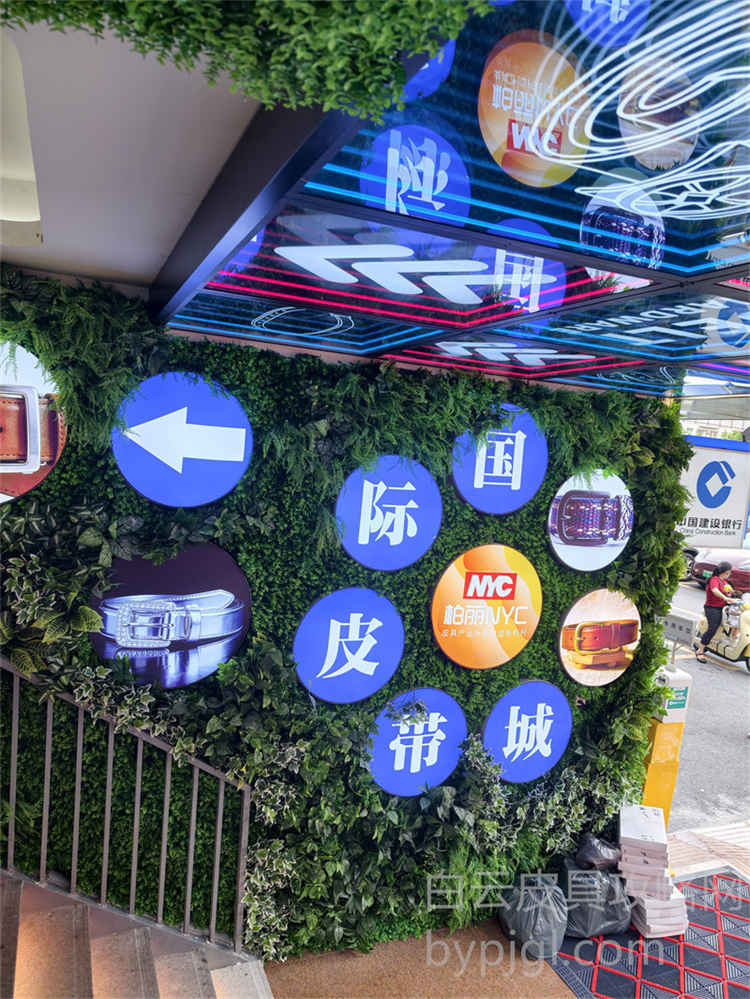






 On-site Visits
 Free Sharing
 Avoid Scams
 Updated Frequently
 For Reference Only