
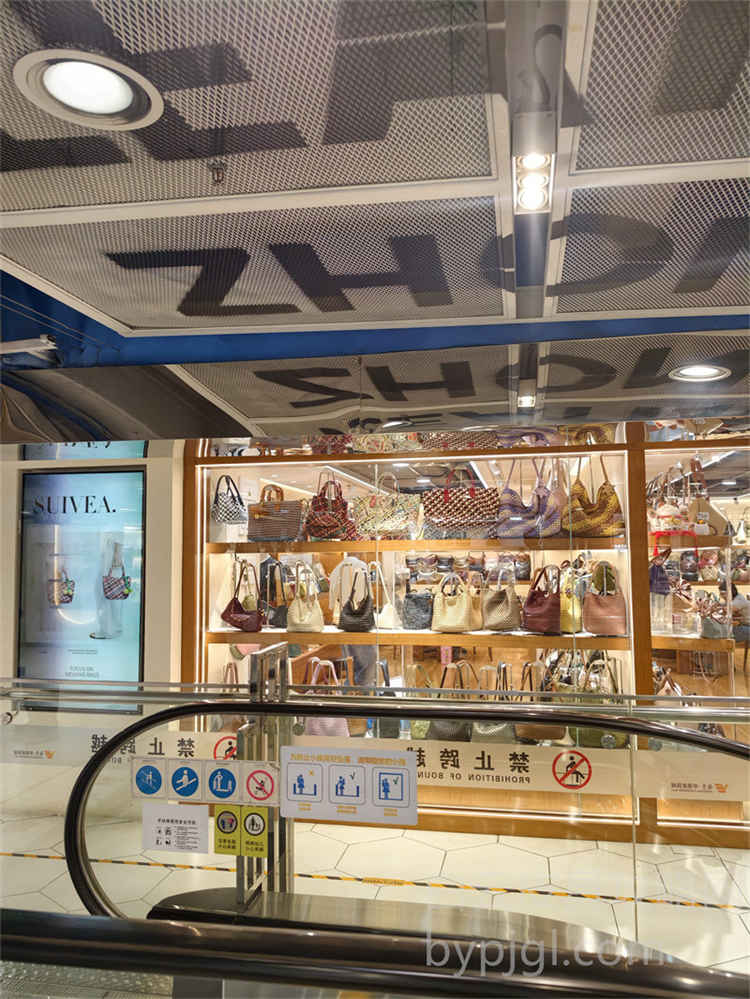
Stepping Into the Chaos: My First-Time Guide to Guangzhou Street Stalls
Welcome to the real deal. I've been standing behind my counter in the Baiyun district for over fifteen years, watching the dust settle and rise with every season. You are probably scrolling through endless websites, looking for "Guangzhou street stall bag wholesale," but let me tell you something that no algorithm can show you: the magic doesn't happen on a screen. It happens in the sweat, the noise, and the sheer chaos of the streets surrounding the massive wholesale complexes.
When I first started, I thought buying bags was just about picking a style and paying cash. That was naive. The market here is a living organism. If you walk in expecting a quiet showroom experience, you will get lost before you even find the exit. The street stalls outside the main gates are wher the real volume moves, especially for those who want to test the waters without committing to huge orders. This is wher I'll share exactly how we operate, what you need to look for, and how to avoid getting burned by the unscrupulous sellers who think tourists are easy targets.
Navigating the Labyrinth: Wher to Actually Go
Beyond the Main Gates
Most people hear about the big names like Shide or Qianxi, and they head straight there. Those places are great for established brands and high-volume buyers, but if you are looking for the "street stall" vibe, you need to go to the alleys behind them. The area around the Baiyun International Leather City is a maze. The main corridors are polished and clean, but the side streets? That is wher the action is. You will see stacks of boxes piled three feet high, vendors shouting prices in Cantonese and Mandarin, and trucks constantly loading and unloading.
Do not be intimidated by the noise. This is the heartbeat of the industry. When you ask for "Guangzhou Baiyun leather goods wholesale," locals know exactly which alley you mean. Start your day early, around 9 AM. By noon, the best stock is gone, and the heat becomes unbearable. Walk slowly. Don't rush into the first shop you see. Look at the floor. If the floor is covered in sawdust or loose threads, that's a sign of active production nearby. If it's too clean, they might just be reselling someone else's goods.
The Art of the Stall: Selecing Your Inventory
Touch and Feel Over Pictures
I cannot stress this enough: never buy based on a photo sent via WeChat unless you have bought from them before. Photos lie. They can make cheap synthetic leather look like top-tier grain. When you are at a street stall, you must touch the material. Run your hand over the surface. Does it feel stiff? Is the stitching uneven? In our trade, we call this "hand-feel." A good vendor knows their product inside out. If they hesitate when you ask about the lining or the zipper brand, walk away immediately.
Look at the hardware. Cheap plating peels off after a week. Check the weight. Heavy hardware usually means better quality, but sometimes it's just heavy metal used to hide poor craftsmanship. At the stalls, you will see piles of unfinished bags. Ask to see the raw materials. If they refuse, they are hiding something. Also, pay attention to the smell. High-quality leather has a distinct scent; cheap glue and synthetic materials smell sharp and chemical. Trust your nose as much as your eyes.
Dealing with Vendors: Negotiation and Reality
Speaking Their Language
You don't need to speak Cantonese, but you do need to understand the rhythm of negotiation here. In the street stalls, the price is rarely fixed. The first number they give you is a starting point, not the final price. They expect you to haggle. If you accept the first quote, you have already lost money. Start by offering half, then meet in the middle. But remember, if the price is too low, the quality will be terrible. There is always a balance.
Be direct. Do not beat around the bush. Tell them exactly what you need: quantity, style, and color. If you say "I want to buy everything," they will try to upsell you on things you don't need. Say "I am building a collection" instead. Build a relationship. If you come back next month, they will treat you differently. In Guangzhou, loyalty pays. once a vendor trusts you, they will hold the best stock for you and warn you about bad batches before you even order. That is the kind of insider info you cannot get online.
Quality Control: The Final Step Before Payment
Inspect Every Single Bag
This is wher most overseas buyers fail. They assume the sample they saw is the same as the bulk order. It is not. Always inspect the batch before you pay. Turn the bags inside out. Check the thread ends. Are they trimmed? Is the glue visible? Look at the zippers. Do they slide smoothly? In the street stalls, time is money, so vendors often cut corners on the finishing touches. If you see a flaw in one bag, assume the whole pile has the same issue.
Don't be afraid to reject a shipment. If you are buying fifty bags and five are defective, send them back. A good vendor will replac them without argument. If they argue, they are not a partner; they are a seller trying to dump bad inventory. Take photos of every defect. Show them clearly. Use simple English or gestures. Point, nod, shake your head. Communication doesn't need to be perfect; it needs to be clear. once you pass inspection, only then do you transfer the money. Cash on delivery is king in these markets.
Avoiding the Pitfalls: What Not to Do
Trust Your Instincts
There are traps everywher. Some vendors will offer you a "special deal" if you pay extra for "express shipping" or "custom packaging." Be wary. Often, this is just a way to inflate the price. Stick to the agreed terms. Also, avoid buying anything that looks suspiciously like a famous logo. While we talk about sourcing, we stay away from anything that infringes on trademarks. Focus on your own designs or generic styles that sell well without legal trouble.
Another common mistake is ignoring the logistics. The street stalls are busy, and they don't care about your shipping schedule. You need to arrange your own freight forwarder. Have a contact ready before you arrive. If you wait until you leave the market to find a shipper, you will pay double the rate. Finally, keep your receipts. Even in informal settings, a simple handwritten note with the date, item count, and total price is better than nothing. It protects you if there is a dispute later.
Buying from the streets of Guangzhou is an adventure. It requires patience, observation, and a bit of courage. But if you follow these steps, you will find sources that are far superior to anything you can find online. The market rewards those who respect the process and take the time to learn the ropes. Come back next season, and you will see why I have stayed here for so long. The leather is fresh, the deals are real, and the energy is unmatched anywher else in the world.

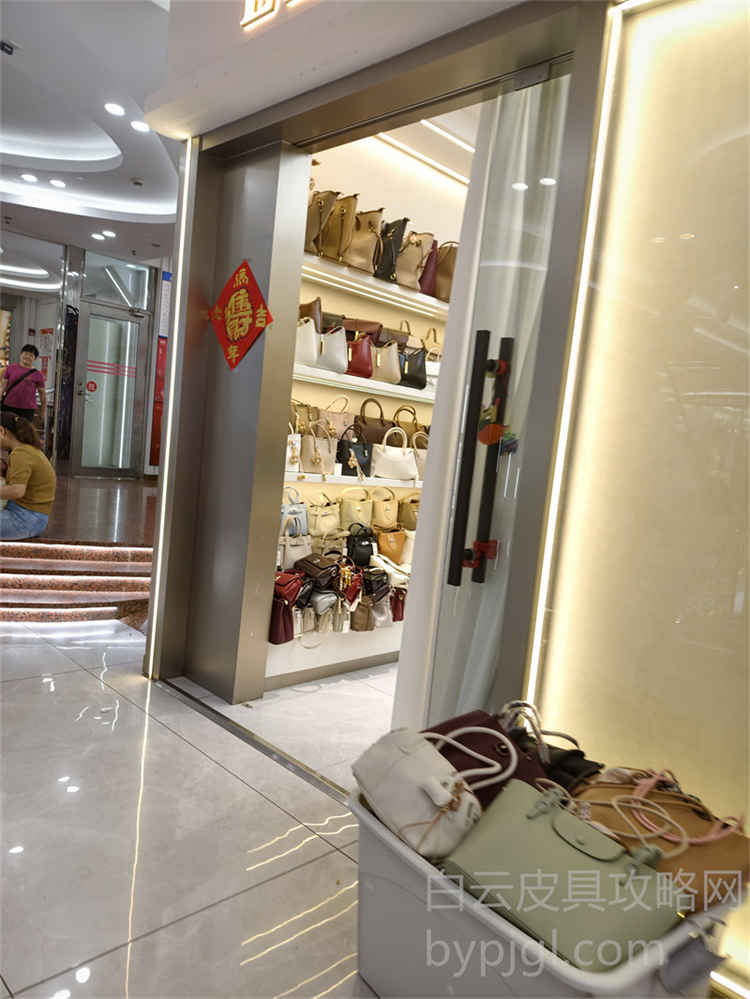






 On-site Visits
 Free Sharing
 Avoid Scams
 Updated Frequently
 For Reference Only