
Why the Real Deal Isn't in the Catalogs: A Veteran's Take on Guangzhou Sourcing
I have been standing behind this counter in the Baiyun District for over fifteen years. While you might see thousands of tourists and buyers walking through the glass doors of the Leather City, very few actually know how to navigate the maze without getting burned. You are here looking for what people call "Grade A" goods, but let me tell you something straight from the horse's mouth: that term is often just a marketing buzzword used by newbies to sound like they know the trade. In my shop, we don't talk about grades; we talk about leather, hardware, and stitching precision. If you want to find the real quality in Guangzhou, you need to stop reading online forums and start walking the floors.
The Myth of the "A-Grade" Label
When I first started in this business, everyone was obsessed with finding the perfect copy. Now, the conversation has shifted. Buyers from overseas are smarter, but they still get confused by the terminology. When a seller tells you they have "top tier" or "A-grade" items, ask them to show you the raw materials. The real secret isn't a label on a tag; it is the smell of the leather and the weight of the zipper. Most shops will claim their stock is the best, but only a handful can prove it by letting you touch the grain. In the Baiyun market, the difference between a decent product and a masterpiece lies in the details that mass production usually skips.
Navigating the Baiyun Leather City Floor Plan
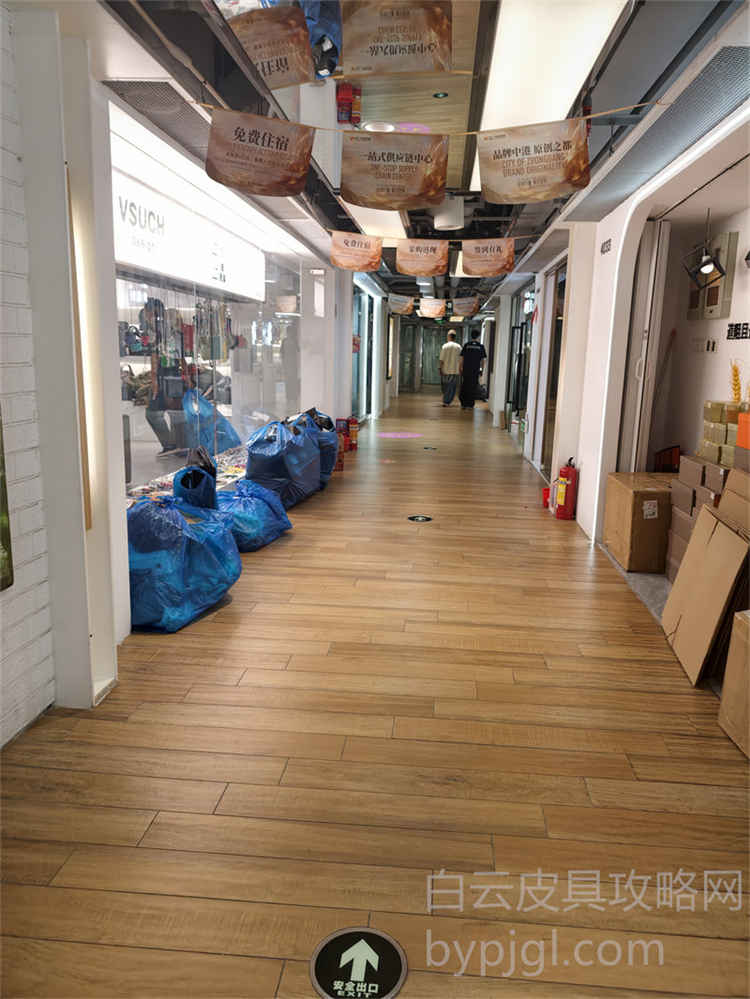
Walking into the main complex of the Baiyun Leather City can feel overwhelming. It is a massive structure with dozens of buildings, each housing hundreds of stalls. If you walk in blindly, you will end up at the ground floor wher the tourist traps are located. Those stalls sell low-quality goods that look okay from a distance but fall apart after a week. To find the serious suppliers, you need to go higher. The upper floors are wher the real action happens. This is wher the factories keep their sample rooms and wher the owners who have been in business for decades operate.
Finding the Right Stall Without a Guide
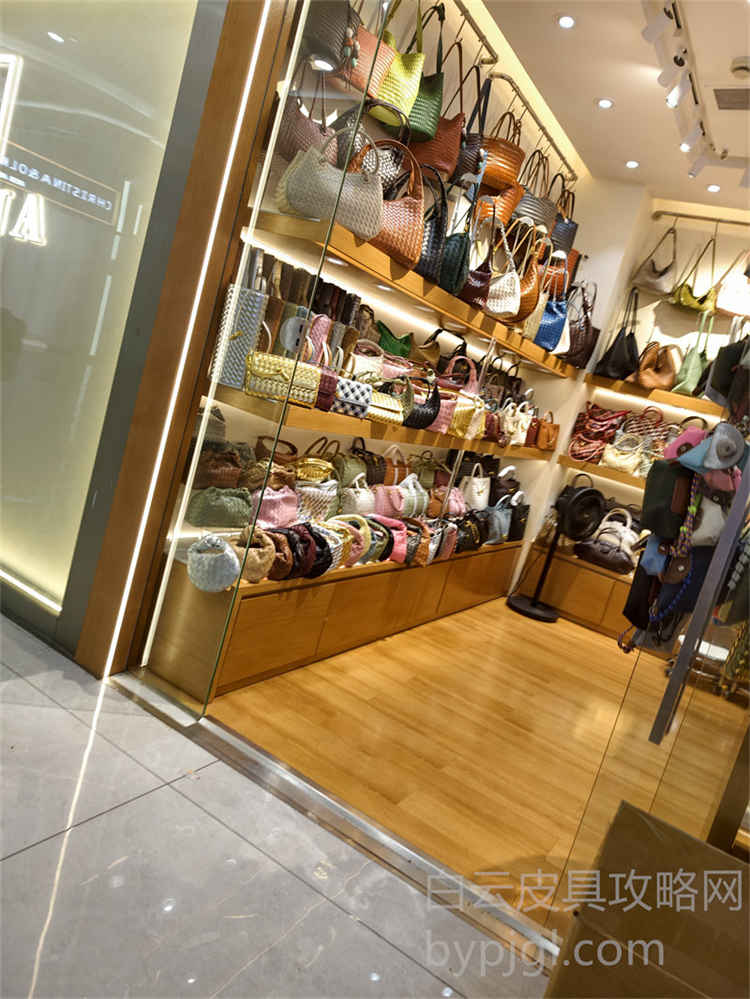
You do not need a middleman to find good products if you know what to look for. Look for stalls that have a clean, organized display rather than piles of bags everywher. A serious vendor will have a dedicated area for their premium lines. They won't try to push everything on you at once. Instead, they will ask you what kind of material you prefer. Are you looking for calfskin? Is goat skin your priority? Or do you need a specific texture? If the seller immediately starts talking about price without asking about your needs, walk away. The best deals come from conversations, not transactions.
The Art of Inspection: What to Touch and Check
This is wher most buyers fail. They take a photo, send it to a supplier, and wait for delivery. That is a recipe for disaster. You must inspect the goods yourself before you commit to any order. When you are in the stall, pick up the bag. Feel the weight. High-quality leather has a specific heft and flexibility that cheap synthetic materials simply cannot mimic. Run your fingers along the edges. The stitching should be tight, even, and consistent. There should be no loose threads or uneven spacing. Pay close attention to the hardware. Does the zipper glide smoothly? Is the metal heavy and solid, or does it feel hollow and light?
Checking the Interior and Lining
Many sellers focus all their energy on the exterior, hoping you won't notice the inside. But the interior tells the whole story. Open the bag and look at the lining fabric. Is it smooth? Does it match the color scheme perfectly? Check the pockets and zippers inside. Are they functional and well-attached? A reputable supplier in Guangzhou will never cut corners on the inside because they know that quality is about consistency. If the lining feels cheap or the internal pockets are poorly stitched, the exterior quality is likely exaggerated. Always check the dust bag and packaging as well; these small touches indicate the care put into the final product.
Negotiating and Building Long-Term Relationships
once you have found a stall that meets your standards, the next step is negotiation. Do not be afraid to haggle, but remember that the lowest price often means the lowest quality. In the Baiyun market, prices vary based on the materials used and the complexity of the design. If a price seems too good to be true, it probably is. Start by asking for their wholesale price list. Be honest about your volume. If you are planning to buy in bulk, mention it early. Suppliers love repeat customers and will often give you better rates or prioritize your orders if they know you are serious about building a long-term relationship.
Logistics and Shipping Considerations
After you have seleced your items and agreed on the price, you need to discuss shipping. Many vendors in Guangzhou have experience exporting internationally. They can handle the paperwork and arrange freight forwarders for you. However, always clarify who is responsible for customs duties and taxes in your country. Some sellers offer door-to-door service, while others require you to pick up the goods from a warehouse. Make sure you understand the timeline. Production times can vary depending on the season and the complexity of the order. Don't rush the process; taking a few extra days to ensure quality control is worth the wait.
Avoiding Common Pitfalls in the Market
There are several traps that even experienced buyers sometimes fall into. One common mistake is trusting photos sent via messaging apps. Photos can be edited, angles can be hidden, and lighting can make poor quality look great. Always insist on seeing the actual item in person or requesting unedited videos from different angles. Another pitfall is rushing the decision. Take your time to visit multiple stalls. Compare the leather, the hardware, and the craftsmanship. Do not settle for the first option you see. The market is vast, and there is always a better deal around the corner.
Building Trust Through Face-to-Face Interaction
In Guangzhou, trust is built face-to-face. Sitting down with the owner, havin a cup of tea, and discussing your business goals can open doors that emails never will. Show genuine interest in their craft. Ask about their sourcing of materials. When you treat them as partners rather than just vendors, they are more likely to share their best inventory with you. Remember, the goal is not just to buy a bag; it is to build a supply chain that works for you. By understanding the local culture and respecting the hard work of these artisans, you will find the best products that the Baiyun market has to offer.







 On-site Visits
 Free Sharing
 Avoid Scams
 Updated Frequently
 For Reference Only