
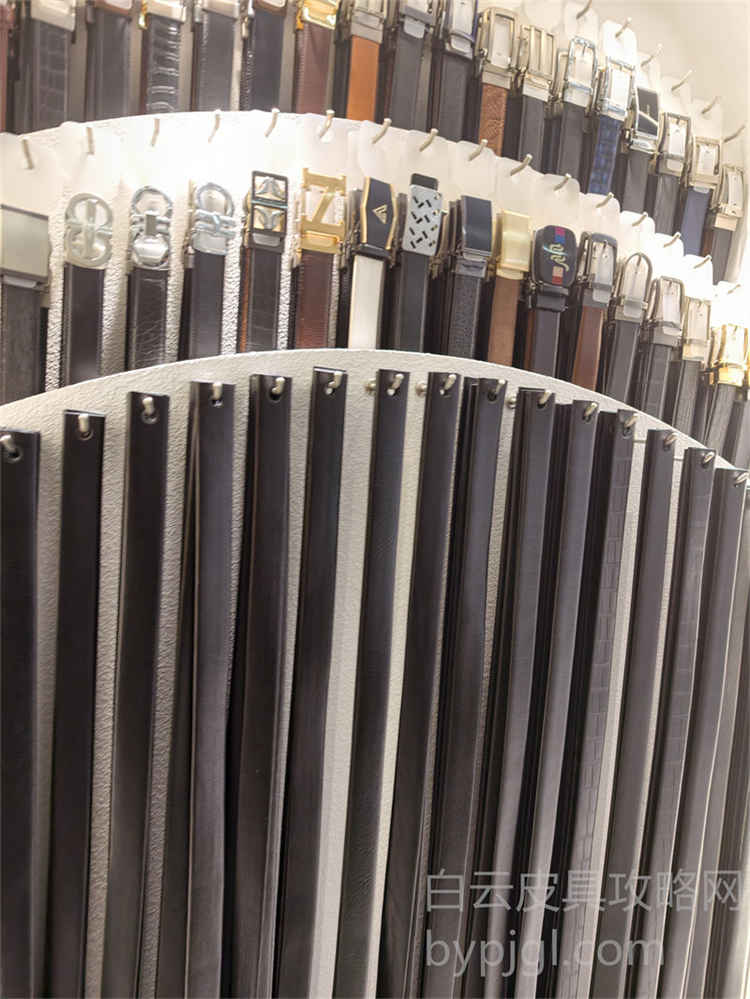
Walking the Floors: My Honest Guide to Sourcing in Guangzhou
Welcome to my shop. If you are reading this, you probably have heard whispers about the leather goods markets in Guangzhou and are wondering if it is really as chaotic or as lucrative as people say. I have been standing behind this counter for over twenty years, watching the city transform from a small trading hub into the global capital of leather craftsmanship. Let me tell you straight: coming here is not like shopping on Amazon. It is a physical game, a dance of negotiation, and an exercise in patience. But if you know how to navigate the streets of Baiyun District, you will find sources that no online algorithm can ever match.
The First Rule: Leave Your Expectations at the Door
Many first-time buyers arrive with a mental image of a sleek, organized showroom wher they can walk in, point at a bag, and pay. That is not how it works here. The real action happens in the back rooms, the narrow corridors, and the bustling aisles of the massive complexes. When you step off the bus at the station near the main market, you are entering a different world. The air smells of fresh leather and glue, and the noise level is deafening. Do not be intimidated. This chaos is actually your friend because it means business is moving fast. I always tell my overseas friends to dress comfortably and wear shoes they do not mind getting dusty. You will be walking miles, climbing stairs, and inspecting hundreds of bags.
Navigating the Market Labyrinth
You cannot just wander aimlessly. The area around Baiyun Leather City is a dense network of buildings, each with its own specialty and reputation. Some floors cater to high-end materials, while others focus on volume and speed. If you are looking for top-tier sourcing, you need to head straight to the core zones wher the serious wholesalers operate. These are the places wher the factories are often attached directly to the showrooms. You will see stacks of boxes labeled with codes rather than brand names. This is normal. In our trade, we communicate through industry jargon and visual cues, not marketing slogans.
Finding the Right Stall
When you enter a building, ignore the flashy displays on the ground floor. Those are often just samples for tourists or casual browsers. The real inventory is tucked away on the upper floors or in the private offices at the back of the stalls. Look for the signs that indicate "Factory Direct" or "Wholesale Only." A good stall owner will recognize you immediately by how you ask questions. Instead of asking "Is this real?", which signals a novice, ask about the leather grade, the stitching count per inch, or the hardware weight. When you speak their language, they open the back door. We have seen thousands of customers come and go; the ones who stay are the ones who respect the craft and understand the supply chain.
The Art of Inspection and Selecion
This is wher most people fail. They see a beautiful photo on a phone and think they have found a deal. In reality, photos can be misleading. Lighting, angles, and editing can hide flaws that only become apparent when you hold the item in your hand. As a local veteran, I advise you to bring a magnifying glass and a flashlight. Inspect the stitching lines closely. Are they even? Is the thread tension consistent? Check the lining material. Does it feel soft or scratchy? Examine the zippers and clasps. Do they slide smoothly or stick? In our market, quality varies wildly even within the same category. You must touch, smell, and weigh every single piece before making a decision.
Understanding the Grading System
We do not use terms like "fake" or "copy" in our professional circles. We talk about grades. There is the standard commercial grade, which is great for mass distribution, and there is the premium artisanal grade, which uses full-grain leather and solid brass hardware. When you are negotiating, clarify exactly what grade you are buying. A common mistake is paying for premium quality but receiving a lower tier product because the seller assumed you did not know the difference. Be specific. Ask for the "top layer cowhide" or "imported calfskin." once you establish clear specifications, the transaction becomes much smoother. Trust is built on clarity, not assumptions.
Negotiation and Logistics: The Final Hurdle
once you have selected your items, the real work begins: the negotiation. Prices in Guangzhou are rarely fixed. The number on the tag is just a starting point. We expect you to haggle. However, do not try to drive the price down to zero. That insults the craftsman and usually ends the conversation. Instead, negotiate based on volume. If you are taking fifty pieces, the price per unit drops significantly. If you are taking one hundred, you get even better rates. Also, discuss the payment terms carefully. For new relationships, we often require a deposit with the balance paid upon shipment. For repeat clients, we offer more flexible credit terms.
Shipping and Customs Considerations
After the deal is done, you need to think about logistics. Many buyers forget to ask about packaging and shipping methods. We can pack your goods securely to prevent damage during transit, but you must specify your requirements. Do you need individual poly bags? Do you need custom tags? Furthermore, be aware of the customs regulations in your country. While we export legally, the classification of goods can vary. Always consult with your freight forwarder before finalizing the order. We have partners who handle international shipping daily and can guide you through the paperwork. Do not try to ship everything yourself unless you have experience with Chinese customs clearance procedures.
Building Long-Term Relationships
The biggest secret to success in Guangzhou is not finding the cheapest source, but building a relationship with a reliable supplier. The market changes every day. New styles emerge, prices fluctuate, and supply chains shift. If you treat us like a vending machine, you will get mediocre service. If you treat us like partners, we will share our best stock with you before anyone else sees it. Come back often. Bring your team. Show interest in our process. When you return next season, we will remember you, and we will set aside the best pieces for you. This is the way business has been done in Baiyun for decades, and it remains the most effective strategy for any serious buyer looking to source high-quality leather goods from China.

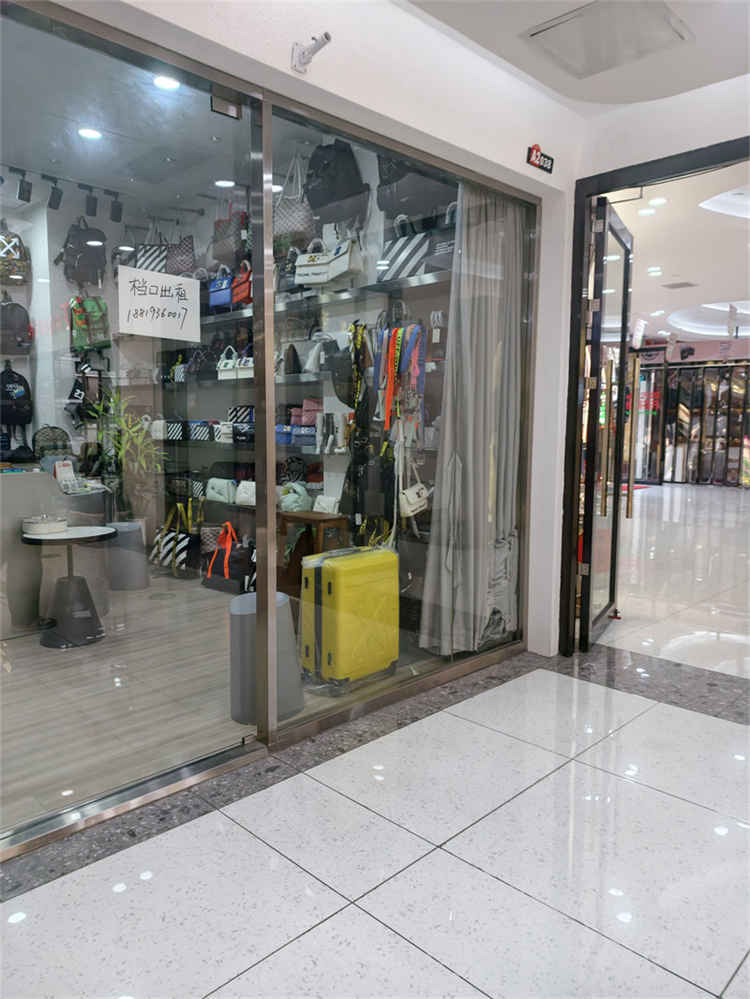






 On-site Visits
 Free Sharing
 Avoid Scams
 Updated Frequently
 For Reference Only