
Stepping Into the Heart of Guangzhou Leather: A Veteran's Guide to Sourcing Bags
Welcome to the real deal. If you are reading this, you probably already know that Guangzhou is the undisputed capital of leather goods in Asia. But let me tell you something most online guides won't admit: the difference between a profitable shipment and a pile of unsellable inventory often comes down to one thing—your ability to navigate the physical markets without getting lost or ripped off. I have been standing behind my counter in the Baiyun district for over fifteen years. I have seen trends rise and fall, factories open and close, and thousands of buyers walk through our doors. Today, I want to share exactly how we operate on the ground, so you can walk into these markets with your eyes wide open.
Navigating the Labyrinth: Wher to Start Your Journey
The Real Pulse of Baiyun District
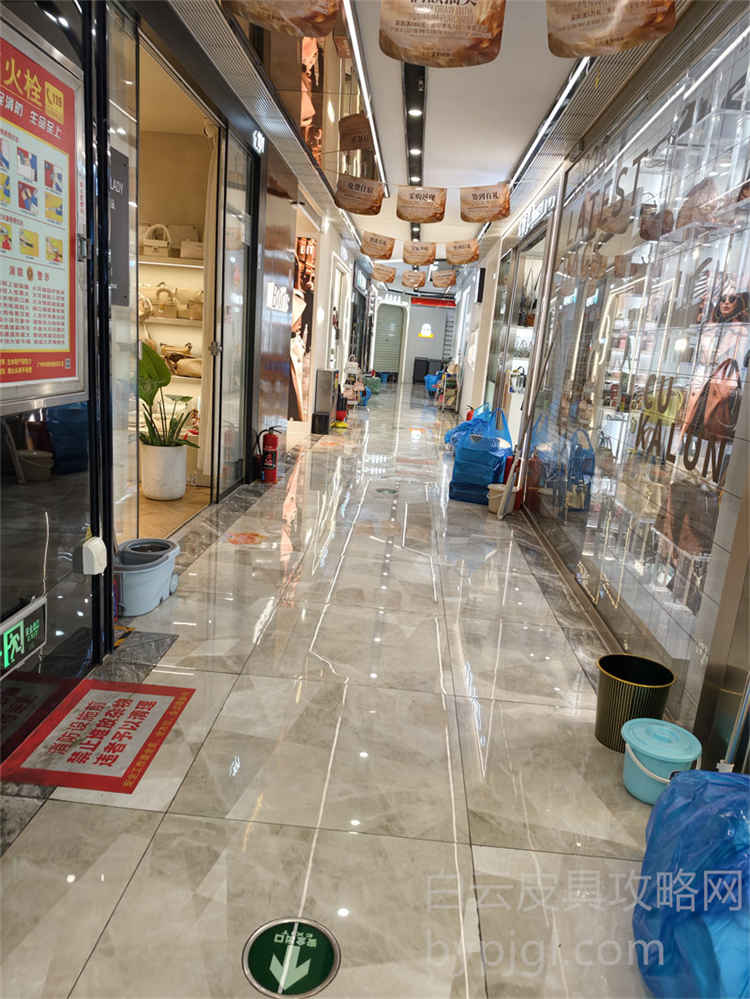
When people talk about Guangzhou Baiyun Leather City, they usually mean the massive complex known as Shide. It is not just one building; it is a sprawling ecosystem of interconnected structures. Do not expect to find everything in one spot. The lower floors are often filled with smaller vendors selling accessories or lower-tier items, while the upper floors house the serious manufacturers and high-volume wholesalers. My advice? Skip the ground floor unless you are looking for cheap belts or small wallets. Head straight for the fourth and fifth floors wher the actual bag production happens.
There are other markets nearby like Qianwan and Yide Road, but if you want the widest variety of styles and the best prices for bulk orders, Baiyun is your destination. The air here smells distinctively of new leather and glue—a scent that tells me business is good. When you arrive, do not rush. Spend your first hour just walking. Look at the displays. Notice which shops have fresh stock versus those with dusty mannequins. This initial observation phase is crucial before you even say hello to a single shopkeeper.
The Art of the Deal: How to Talk to Shop Owners
Speaking Their Language Without Saying a Word
One of the biggest mistakes foreign buyers make is acting like tourists. They ask questions like "How much?" immediately upon entering. In our culture, that signals you are not ready to buy seriously. Instead, look at the tags, touch the material, and ask specific questions about the craftsmanship. Use terms like "What is the lead time?" or "Do you have samples available for inspection?" This shows you understand the supply chain.
We appreciate buyers who know their stuff. If you come in asking about stitching density, leather grain, or hardware plating thickness, we will respect you more than someone just browsing. However, be careful not to sound like you are trying to steal our secrets. We are protective of our designs. If you ask too many technical questions about how we made a specific pattern, the conversation might get cold. Keep it professional but friendly. Bring a translator if you are not fluent in Mandarin, but havin a basic understanding of trade terms helps immensely.
Also, remember that price is never fixed until you negotiate volume. The number on the tag is just a starting point. If you are buying fifty pieces, the price per unit dros significantly. If you are buying five hundred, we can discuss customizations. Never accept the first quote. Always ask, "What is your best price for a trial order of twenty units?" This opens the door for negotiation without committing you to a huge risk.
Quality Control: What to Look For Before You Pay
Inspection Techniques from a Decades-Old Perspective
This is wher most people fail. They see a beautiful photo on their phone and think the product matches. It rarely does. When you are standing in front of a stall in Baiyun, you need to inspect the bag physically. Turn it inside out. Check the lining for loose threads. Pull on the zippers to see if they feel sturdy or flimsy. Examine the stitching lines—are they straight? Are there skipped stitches? These details separate a premium product from a cheap knockoff.
Pay close attention to the hardware. Cheap metal turns green or rusts quickly. High-quality zinc alloy or stainless steel feels heavy and has a smooth finish. Run your fingers along the edges of the bag. Is the leather finished smoothly, or does it feel rough? In our workshops, we pride ourselves on finishing touches. If the edges look messy, move on to the next stall. We do not sell subpar goods because our reputation depends on repeat customers.
Another critical step is checking the smell. Good leather has a natural scent. Bad synthetic materials smell like chemicals or plastic. If the smell is overwhelming, it indicates poor quality control in the factory. Do not be afraid to ask for a sample from the back room. Sometimes the display models are perfect, but the stock in the warehouse might be different. Always verify the batch before placing a large order.
Avoiding Pitfalls: Protecting Your Investment
Red Flags Every Buyer Must Watch Out For
There are always scammers in every market, though they are fewer now due to increased competition. Be wary of vendors who refuse to show you their factory location or who insist on full payment via personal bank transfers without any contract. Legitimate businesses in Baiyun are used to dealing with international clients and will offer secure payment methods like Alibaba Trade Assurance or verified bank transfers.
Another common trap is the "too good to be true" price. If a vendor offers a price that is half of what others charge for similar quality, run. There is no such thing as free lunch in manufacturing. They might cut corners on materials or use inferior glue that will fail after a few months. Do not chase the lowest price; chase the best value. A slightly higher price for better durability means less return rate and happier customers later.
Finally, build relationships. In Guangzhou, business is built on trust. If you treat us well, we will treat you well. We will notify you of new arrivals before anyone else. We will hold stock for you during peak seasons. We will help you solve logistics issues. Come back to the same stalls repeatedly. This consistency builds a network that pays dividends when you need urgent restocking or special customization. Do not hop from stall to stall like a tourist; become a regular.
So, pack your bags, bring your notebook, and head to Baiyun. The experience of walking through these bustling corridors, smelling the leather, and negotiating face-to-face is something no website can replicate. With the right approach and a bit of patience, you will find the perfect source for your next collection. Welcome to the family of global traders.

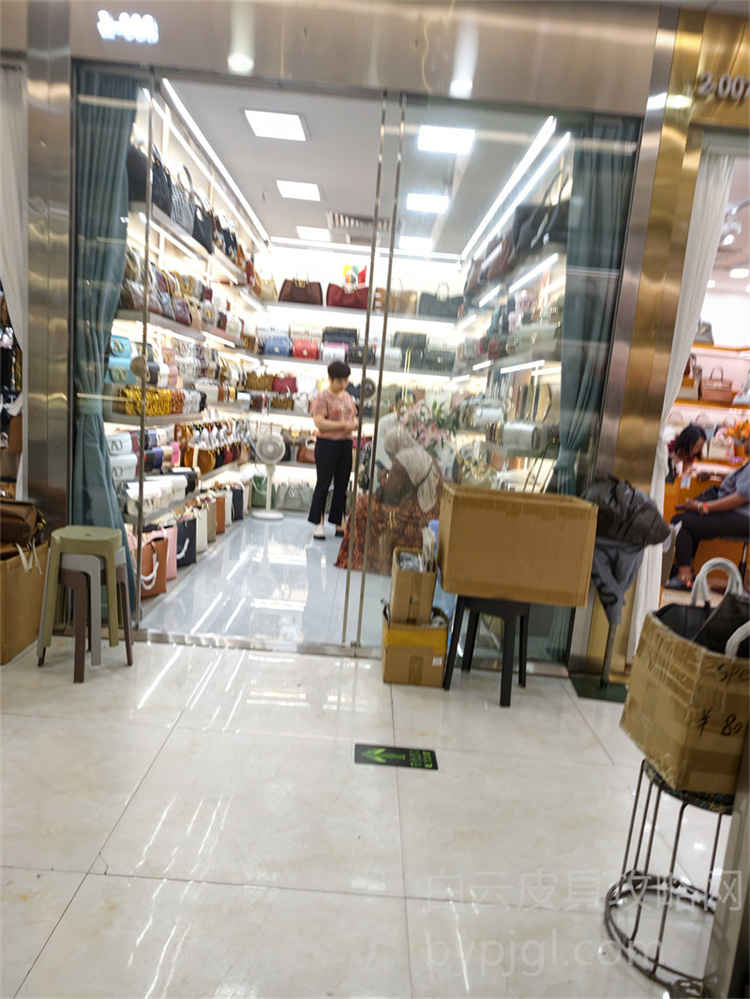






 On-site Visits
 Free Sharing
 Avoid Scams
 Updated Frequently
 For Reference Only