
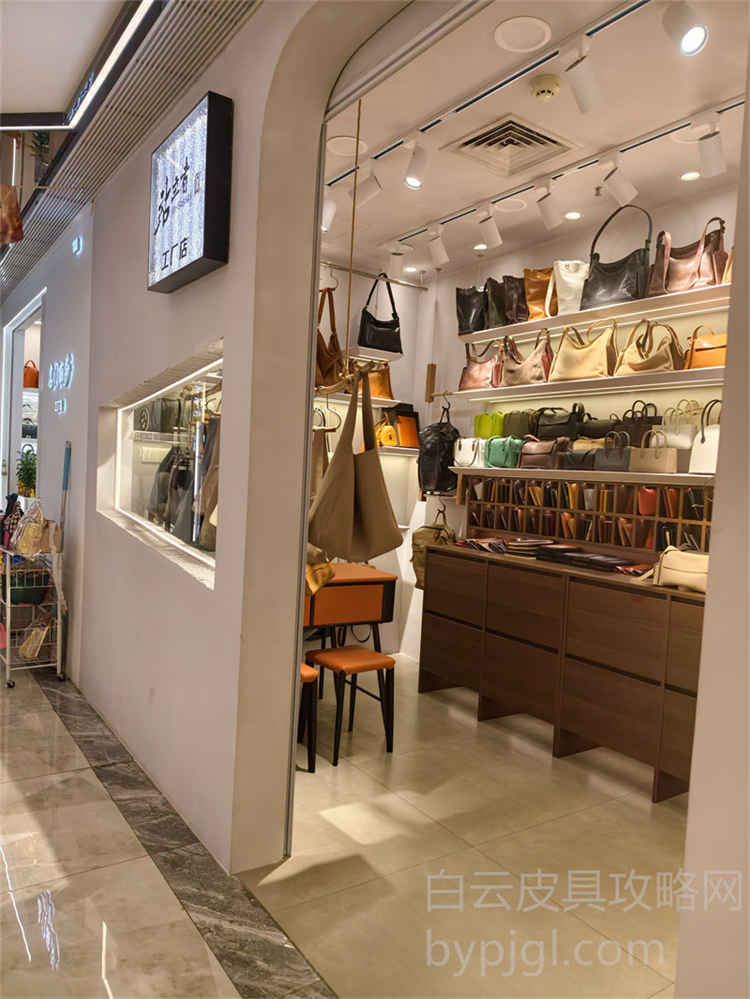
Walking the Floors: My Real Talk on Sourcing Bags in Guangzhou
I have been standing behind this counter in Guangzhou for over twenty years. While the world outside is obsessed with trends and digital marketing, my life has always been about the smell of leather, the sound of zippers, and the relentless pace of the wholesale markets. If you are reading this from overseas, thinking you can just order online and get the best deals, let me tell you something: you are missing half the story. The real magic, the real quality, and the real prices only happen when you step onto the pavement of Baiyun District.
The First Rule: Don't Trust the Internet Alone
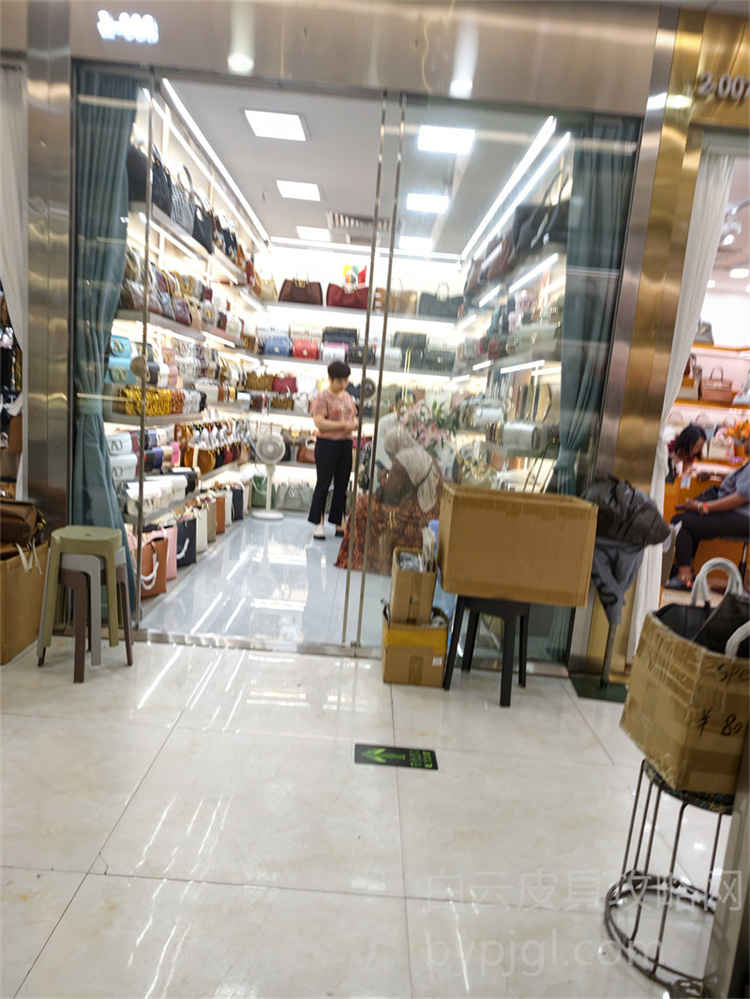
When I first started in this business, many buyers tried to source everything through WeChat or Alibaba. They sent photos, asked for "best price," and waited weeks for samples that never matched reality. It is a gamble. In our market, what you see is exactly what you get, but what you see on a screen is often a filtered version of the truth. A bag might look perfect in a photo taken under studio lights, but once it hits your hands, the stitching might be loose, or the leather grain could feel like plastic. That is why I always tell my international friends: come here. Walk the floors. Touch the materials. Feel the weight. There is no substitute for physical inspection when you are dealing with high-volume orders.
Navigating the Labyrinth of Baiyun Market
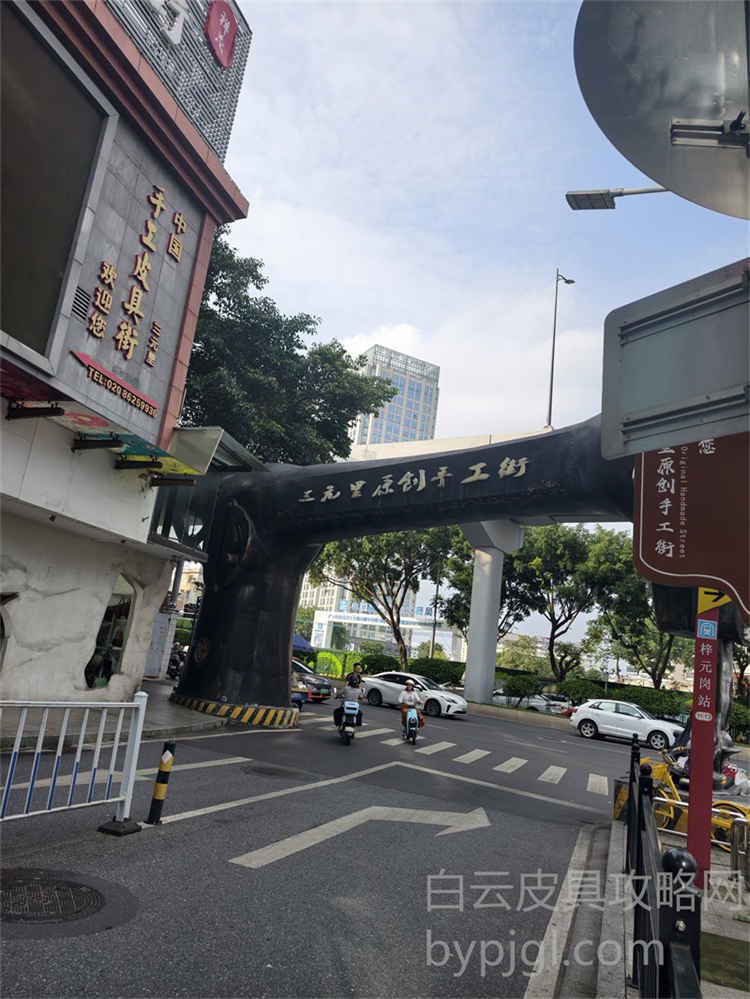
Guangzhou is not just one building; it is a sprawling ecosystem of interconnected malls, each with its own personality and specialty. You cannot walk into any random door and expect to find the same goods. The layout can be confusing if you do not know wher to go. Most newcomers get lost in the maze of corridors, ending up in shops selling low-end tourist souvenirs instead of the premium goods they actually need.
Finding the Right Zone for Your Budget
You need to know which mall aligns with your target market. Some buildings focus on mass production, churning out thousands of units daily with lower margins. Others, like the more exclusive sections within the Baiyun area, house factories that produce small batches of higher-quality items. When I guide a buyer, I first ask them who their customers are. Are they looking for streetwear vibes, luxury aesthetics, or functional travel gear? once I know that, I take them directly to the specific floor and corridor wher those suppliers operate. This saves hours of walking and prevents you from wasting time in stalls that do not match your vision.
The Art of Spotting Quality at a Glance
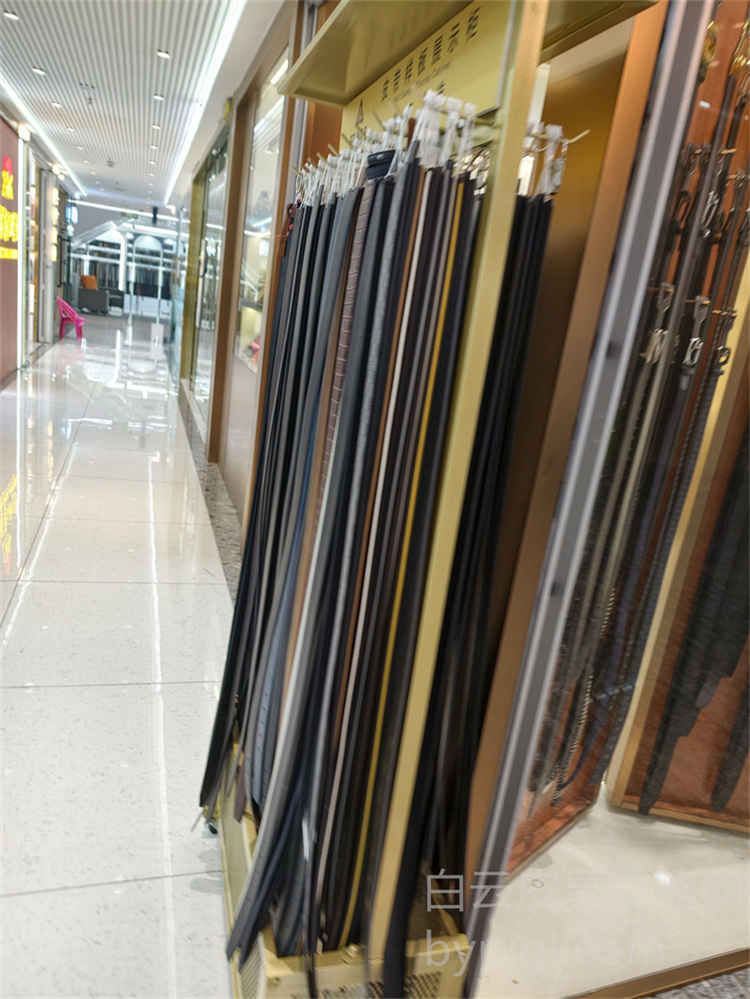
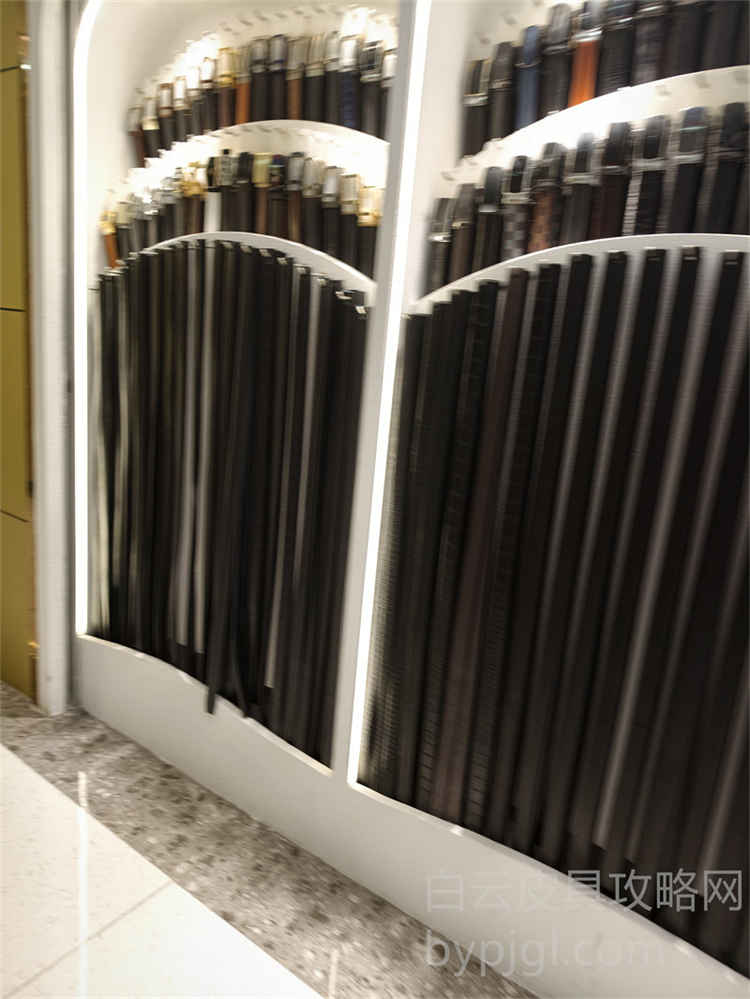
Standing in front of a stall, the first thing I do is ignore the flashy display cases. Instead, I look at the bags being used by the staff or the ones stacked in the back. These are the workhorses. I check the lining, the way the handles are attached, and the consistency of the dye. In our trade, we call this "checking the bones." If the internal structure collapses under light pressure, no amount of polishing will save it. I teach my clients to pull on the straps, open the zippers repeatedly, and inspect the corners for stress marks. This is how you separate a factory that cares about longevity from one that just wants to move inventory quickly.
Building Relationships and Negotiating Like a Pro
Many foreign buyers make the mistake of treating every transaction as a one-off deal. They try to negotiate hard on the first visit without establishing any rapport. In Guangzhou, business is built on trust and relationships. If you treat us like robots, you will get robot prices. But if you show respect, bring a genuine interest in our craft, and plan to return, the game changes completely.
How to Talk to the Bosses Behind the Counter
Do not just ask for a catalog. Ask questions about the leather source, the hardware manufacturer, and the production timeline. Show that you understand the industry. When I talk to serious buyers, I discuss the nuances of the material rather than just haggling over pennies. For instance, asking about the difference between top-grain and corrected grain shows you know your stuff. This opens the door to better pricing because the supplier sees you as a partner, not just a customer trying to squeeze the last dro of profit. We are willing to offer better terms to people who understand the value of quality.
Understanding MOQ and Sample Policies
One of the biggest hurdles for new importers is the Minimum Order Quantity (MOQ). Every stall has different rules. Some require you to buy fifty pieces immediately, while others allow you to mix styles if you hit a certain total volume. Before you commit, ask clearly about their sample policy. Can you buy one piece to test? Is there a refundable deposit? In my experience, the best suppliers are flexible enough to let you take a sample home to verify the quality before you place a bulk order. This is standard practice in the Baiyun皮具城 area for established partners. Do not be afraid to ask for a sample; it is your insurance against bad decisions.
Avoiding Pitfalls and Ensuring Smooth Logistics
Even with the best intentions, things can go wrong. Shipping delays, customs issues, or receiving goods that differ slightly from the agreed-upon specs are common risks. Havin a local contact makes all the difference. When you work with someone who lives here, you have eyes on the ground during the packing process.
The importance of Final Inspection
Never ship without a final check. I always advise my clients to hire a third-party inspector or send a trusted local agent to the warehouse before the boxes leave the building. We check for dust, scratches, and correct labeling. Sometimes, a batch might have a minor defect that was missed during production. Catching this early saves you from returning defective goods across the ocean, which costs a fortune in shipping and time. In our market, we pride ourselves on getting it right the first time, but human error happens. Being proactive is key.
Logistics and Shipping Options
once the goods are packed, you need to decide how to get them to your country. There are many freight forwarders operating right next to the markets. They handle everything from consolidation to customs clearance. However, be careful with the cheapest options. Speed and reliability matter. I recommend working with forwarders who have experience with your specific destination. They know the paperwork requirements and can help you avoid unexpected taxes or seizures. Building a relationship with a reliable logistics partner is just as important as finding the right supplier.
Coming to Guangzhou is an investment in your business. It takes time, effort, and a bit of courage to navigate the busy streets and crowded halls. But the rewards are immense. You gain access to a supply chain that is faster, more flexible, and more transparent than anything available online. You build connections that last for years. So, pack your bags, book your flight, and come see what the real sourcing scene looks like. The doors are open, and the leather is waiting.

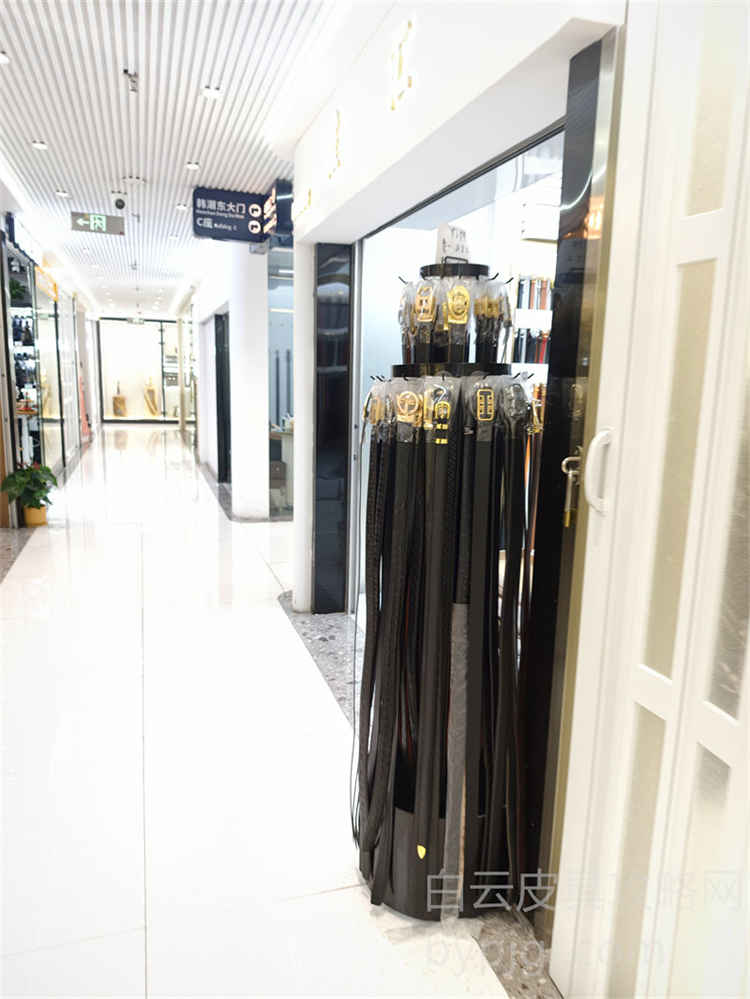
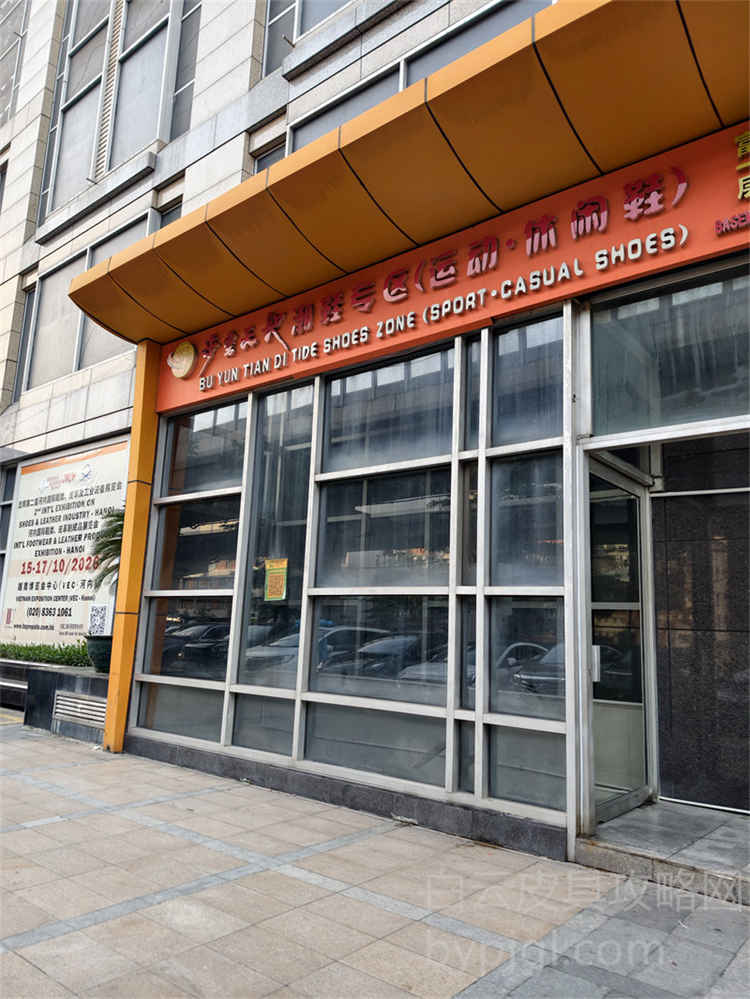
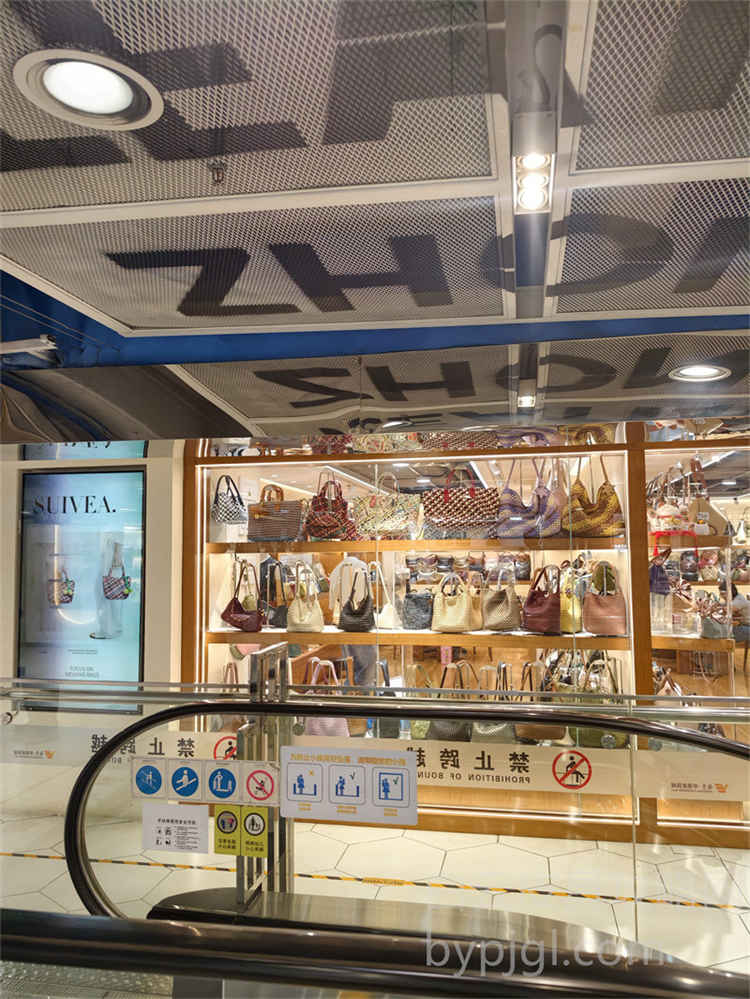
 On-site Visits
 Free Sharing
 Avoid Scams
 Updated Frequently
 For Reference Only