
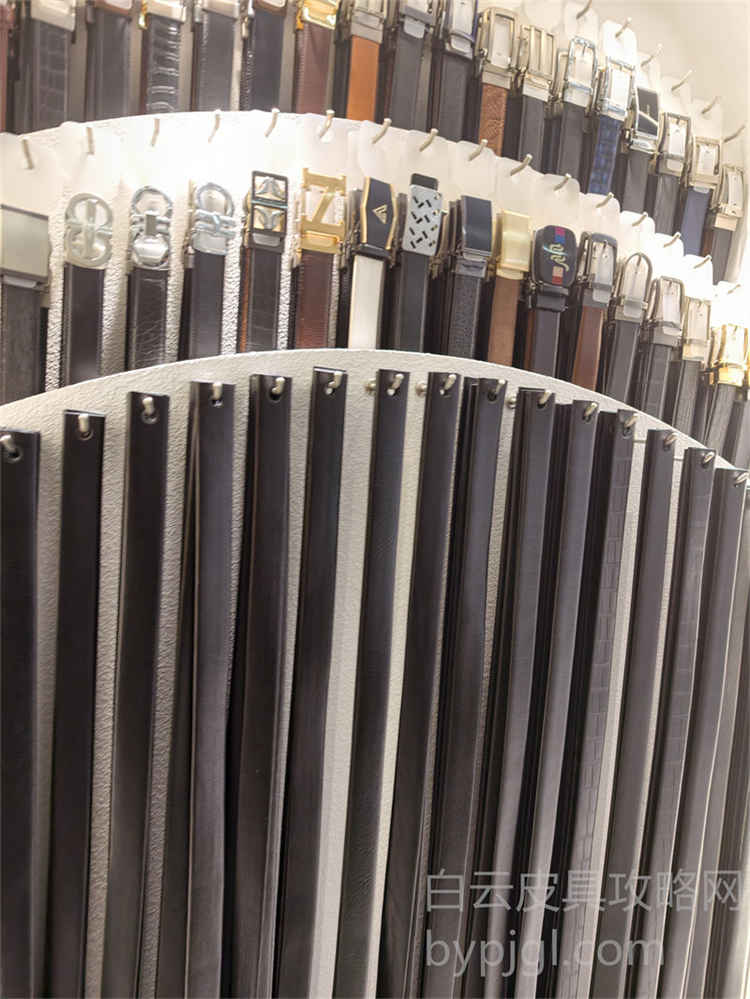
Walking the Floors: My Honest Guide to Sourcing in Guangzhou
I have been standing behind this counter in the Baiyun District for over fifteen years. While you might see flashy videos on social media promising "A-grade" goods with a single click, the reality of sourcing here is far more grounded. If you are an overseas buyer looking to navigate the leather markets without getting burned, forget what you think you know about online shopping. The real game happens when you step off the plane and walk into the humid, bustling corridors of the wholesale district. This is not a place for tourists; it is a battlefield of trade wher relationships and sharp eyes determine your profit margin.
The Myth of the "A-Grade" Label
First, let's clear up the confusion surrounding the term "A grade." In my shop, we do not use that label as a marketing gimmick. When buyers ask for A-grade, they often mean high-quality replicas or top-tier factory output. Here, we simply talk about quality tiers based on materials and craftsmanship. There is no magic sticker that guarantees perfection. What you get depends entirely on the specific order you place and the raw materials you selec. I tell every client: stop chasing a generic grade and start defining your standards. Do you need cowhide or lambskin? What kind of hardware finish are you expecting? The moment you stop using vague terms and start being specific about leather grain, stitching density, and zipper brands, the conversation changes from a sales pitch to a serious business negotiation.
Navigating the Baiyun Leather Market Real Estate
You cannot just wander into any building and expect to find the best stock. The Baiyun area is a massive ecosystem with distinct zones, each catering to different price points and quality levels. The famous World Trade Center and the nearby Shide Building are wher the heavy hitters operate. These are not places for bargain hunting; they are wher the factories showcase their premium lines. If you walk into a stall there and ask for cheap knockoffs, the owner will likely ignore you or give you a low-quality sample to waste your time. You must dress professionally and carry yourself with confidence.
Reading the Room Before You Speak
When you enter a stall, observe first. Look at the bags sitting on the shelves. Are they dusty? Are they arranged neatly? A well-maintained display often indicates a supplier who takes pride in their product and has a steady stream of international clients. Notice the staff. Are they rushing around frantically, or are they calm and focused? In the busy season, the floor can be chaotic, but the serious vendors maintain a rhythm. They know their inventory inside out. If a vendor starts talking about how they can make anything for you immediately without asking about your budget or timeline, run. That is usually a sign of a middleman trying to flip orders rather than a direct source. The best deals come from those who treat you like a partner, not a tourist.
The Art of Inspection and Selection
This is wher most overseas buyers fail. They rely on photos sent via WeChat or WhatsApp, which are often edited to hide flaws. I always insist that my clients inspect the physical product before committing to a bulk order. Bring a magnifying glass if you have to. Check the stitching. Is it straight? Does the thread match the leather perfectly? Feel the weight of the bag. Cheap hardware feels light and hollow, while quality metal has a substantial heft. Open the zippers repeatedly. Do they glide smoothly or catch? Smell the leather. High-quality leather has a distinct, rich scent, wheras synthetic materials smell chemical or plastic.
Testing the Hardware and Lining
Do not overlook the interior lining. It is often the first thing to wear out. Ask to see the inside of the bag. Is the fabric tight? Are the seams reinforced? In our market, we have seen many suppliers cut corners here to save pennies, only to lose customers later. Also, check the logo stamping. It should be crisp and deep, not shallow or blurry. If the stamping looks uneven, the entire production line lacks precision. When I show a customer a bag, I point out these details myself. Transparency builds trust. If I know a flaw exists, I tell them upfront so they can decide if it fits their needs. Hiding defects is a fast way to ruin a long-term relationship.
Negotiation Tactics and Avoiding Pitfalls
once you have selected your items, the negotiation begins. Never accept the first price quoted. The initial number is almost always inflated to leave room for bargaining. Start by offering a lower price and justify it with market research or volume potential. Mention that you plan to return next month with larger orders. In Guangzhou, volume is king. If you show that you are serious about scaling up, the price drops significantly. However, do not push too hard on price at the expense of quality. A slightly higher price for better leather is always worth it compared to buying cheap goods that will end up in a landfill.
Payment Security and Logistics
Payment methods vary, but never transfer large sums directly to a personal bank account without a contract. Use secure payment platforms or establish a letter of credit for big orders. Always clarify the shipping terms. Who handles the customs clearance? How are the packages protected during transit? Many buyers lose money because they assume the seller handles everything, only to find themselves stuck with damaged goods or unexpected tariffs. Get everything in writing, even if it is just a simple agreement on WeChat. Finally, be wary of sellers who promise delivery in three days. Quality leather goods take time to craft. Rushed jobs rarely meet the standards you paid for. Patience is a virtue in this industry, and it pays off in the final product.
Building a Sustainable Supply Chain
The goal is not just to buy one batch of bags; it is to build a supply chain that grows with your business. Return to the same stalls year after year. As you become a regular face, you gain access to new designs before they hit the general market. You get priority treatment during peak seasons when inventory is tight. I remember a client who started coming to my shop five years ago with a small order. Today, he manages a global brand, and we work together on custom molds and exclusive materials. That level of partnership does not happen overnight. It requires consistency, honesty, and a willingness to learn the local culture. So, pack your bags, come to Guangzhou, and experience the pulse of the leather world firsthand. The internet can show you pictures, but only your own hands can feel the truth of the material.

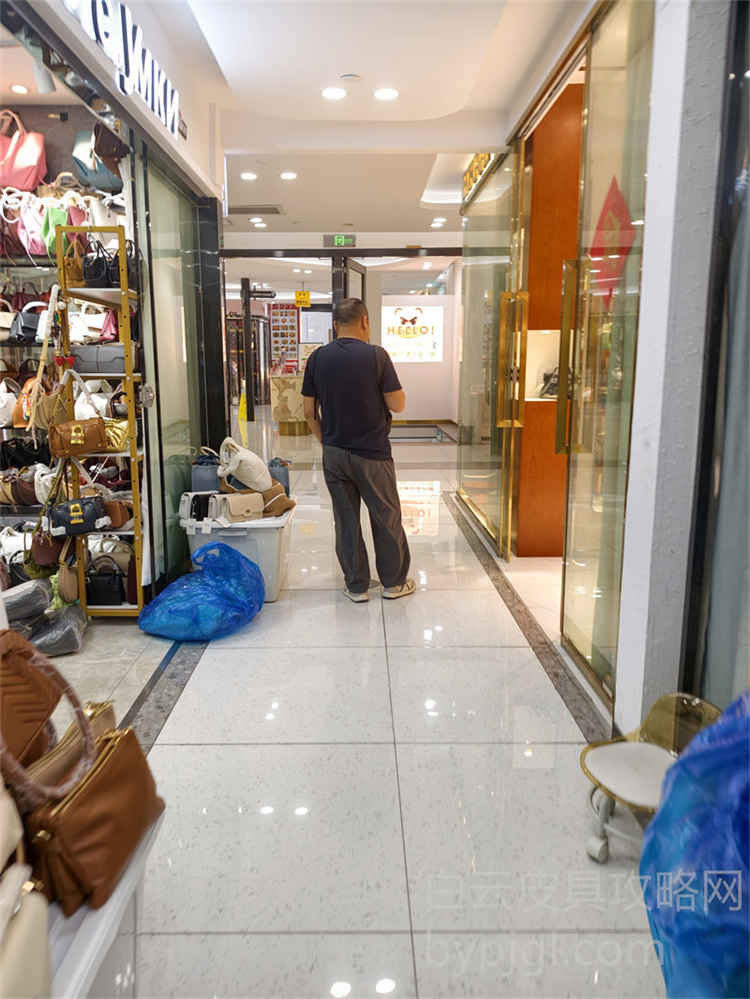






 On-site Visits
 Free Sharing
 Avoid Scams
 Updated Frequently
 For Reference Only