
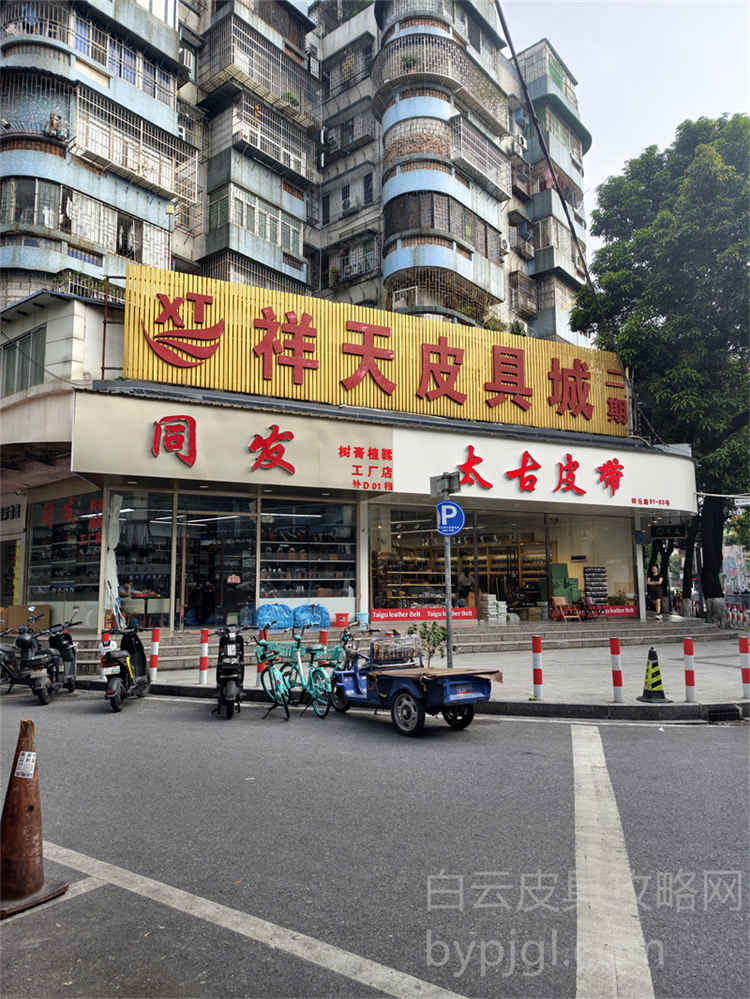
Walking the Floors: My Honest Guide to Sourcing Bags in Guangzhou
I have been standing behind this counter in the heart of Baiyun District for over fifteen years. While many people think they know about "China Guangzhou bag sources," the reality on the ground is a chaotic, vibrant beast that only makes sense if you are physically present. You cannot source quality leather goods from a laptop screen alone; you need to smell the leather, feel the stitching, and talk to the factory owners who actually make these items. If you are planning a trip to Guangzhou to find your next inventory, let me tell you exactly what happens when you step off the train and into the wholesale markets.
The First Rule: Leave Your Expectations at the Door
When I first started in this business, the scene was different. Today, the Guangzhou Baiyun Leather City area has evolved into a massive ecosystem. It is not just one building; it is a sprawling network of interconnected malls like Baoma, Zhongda, and the famous World Trade Center. Many overseas buyers arrive with a list of specific brands they want to copy. Let me stop you right there. We do not deal in counterfeit goods here. That is illegal, dangerous, and frankly, bad for business. What we deal in is high-quality craftsmanship, premium materials, and original designs that happen to be made in China. When you walk into these markets, you will see thousands of styles. Some look classic, some are trendy, and some are unique creations from local designers. The key is to look past the flashy displays and find the hidden gems.
Navigating the Markets: Wher to Start Your Hunt
Getting lost is part of the experience. The layout of the Baiyun Leather City complex can be confusing for newcomers. There are dozens of entrances, and each floor often feels like a different world. My advice? Don't try to cover everything in one day. Pick a specific mall based on your budget and style needs. For instance, if you are looking for top-tier leather with excellent hardware, head to the higher-end sections of the World Trade Center. If you are hunting for trendy, fast-fashion styles at lower price points, the older buildings nearby might serve you better. once inside, keep your eyes open. The best deals are rarely shouted out; they are whispered between shopkeepers and regular clients.
Reading the Room: How to Spot a Good Stall
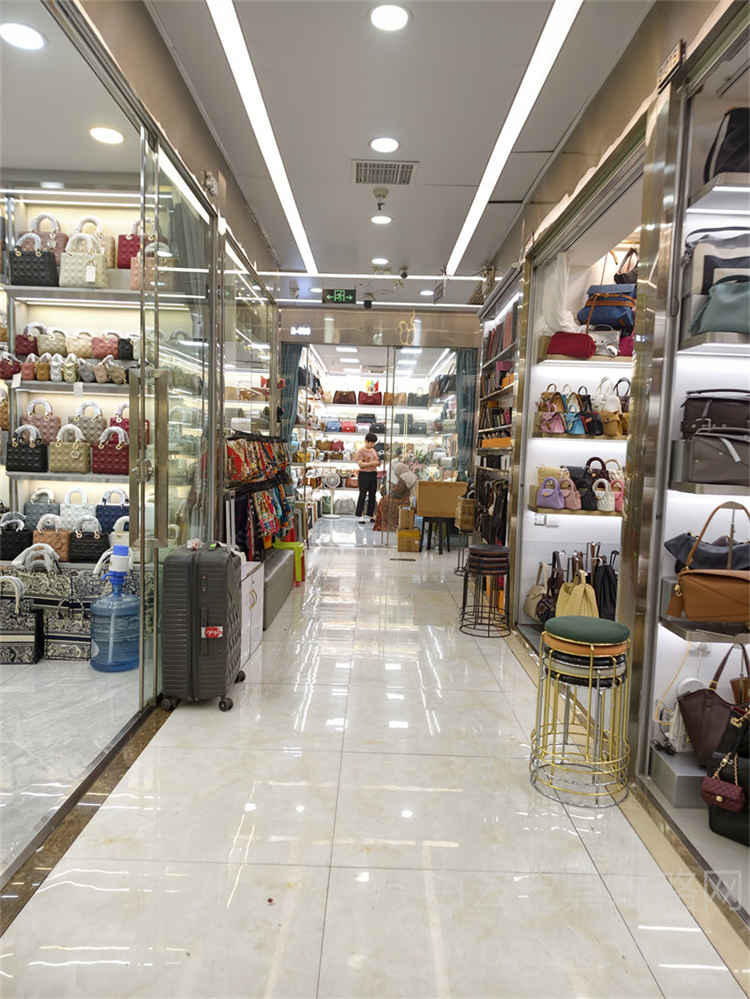
Not every stall is created equal. A common mistake I see foreign buyers make is walking into a shop that looks too clean or too empty. In our trade, a busy stall usually means good turnover and fresh stock. Look for the shops wher locals are constantly coming in and out. These are the places wher the real action happens. Also, pay attention to the display bags. Are they dusty? Do they look worn out? A well-maintained display indicates a shopkeeper who takes pride in their product. If the bags look like they have been sitting there for months, the quality might be stagnant. Ask to see the backstock. Often, the newest arrivals are kept in the back room, away from the main floor. This is wher you will find the latest trends before anyone else sees them.
The Art of Negotiation and Building Relationships
In Guangzhou, business is personal. You cannot simply point at a bag and ask for the price. The pricing structure is fluid and depends entirely on your relationship with the vendor. If you are a first-time buyer, expect to pay the retail price listed on the tag. But if you show up with knowledge, ask the right questions, and demonstrate that you intend to buy in volume, the game changes. I always tell my international friends to bring a notebook. Write down the style numbers, the prices, and the minimum order quantities (MOQ) for each item. This shows you are serious. When you return to a stall later in the week, mention the specific styles you liked. This builds trust.
Understanding MOQs and Customization
One of the biggest hurdles for new importers is the Minimum Order Quantity. Many stalls require you to buy ten pieces of the same style to get the wholesale price. However, if you are willing to mix and match different styles, some flexible vendors will allow you to start with smaller batches. Be honest about your capacity. If you say you can only take five units, but you promise to come back next month for fifty, I might make an exception. Regarding customization, this is wher the magic happens. We can change the color of the lining, adjust the length of the strap, or even modify the logo placement. Just remember, any custom work requires a deposit and a longer lead time. Never rush the production process; rushing leads to mistakes, and nobody wants defective goods.
Vetting Quality: The Hands-On Inspection Process
This is the most critical step. You must inspect every single bag before you hand over the money. In the bustling environment of the Baiyun markets, distractions are everywher. Take a deep breath and focus. Check the stitching first. Is it straight? Are there loose threads? High-quality stitching should be tight and uniform. Next, examine the leather. Run your fingers over the surface. Does it feel soft and supple, or does it feel stiff and plastic-like? Smell the material. Real leather has a distinct, earthy scent. Synthetic materials often smell like chemicals or glue. Check the hardware. Open and close the zippers multiple times. Do they glide smoothly, or do they stick? Inspect the interior lining. Is it torn? Are the pockets sewn securely? If you find a flaw, do not be afraid to point it out. A good vendor will appreciate your attention to detail and offer a solution immediately.
Avoiding Common Pitfalls and Scams
There are always risks in any market. One common trap is the "bait and switch." A vendor might show you a perfect sample, but when you place the order, they send you a cheaper version. To avoid this, insist on seeing the actual production batch before payment. Another issue is the shipping logistics. Many vendors claim they can ship anywher, but the paperwork can be complicated. Always clarify who handles the customs clearance and insurance. Do not rely on verbal promises. Get everything in writing, even if it is just a simple receipt or a WhatsApp message confirming the details. Finally, be wary of vendors who push you to pay via untraceable methods. Stick to secure payment channels that offer buyer protection whenever possible.
Final Thoughts: Your Journey Begins Here
Sourcing bags in Guangzhou is not just about buying products; it is about immersing yourself in a culture of manufacturing excellence. The Baiyun Leather City is a treasure trove of opportunity for those willing to put in the effort. By walking the floors, talking to the locals, and inspecting the goods with your own eyes, you will uncover the true potential of Chinese manufacturing. Remember, patience is your greatest asset. Take your time, build relationships, and never compromise on quality. With the right approach, you will find suppliers who become long-term partners, helping you grow your business for years to come. Welcome to the real world of Guangzhou sourcing.






 On-site Visits
 Free Sharing
 Avoid Scams
 Updated Frequently
 For Reference Only