
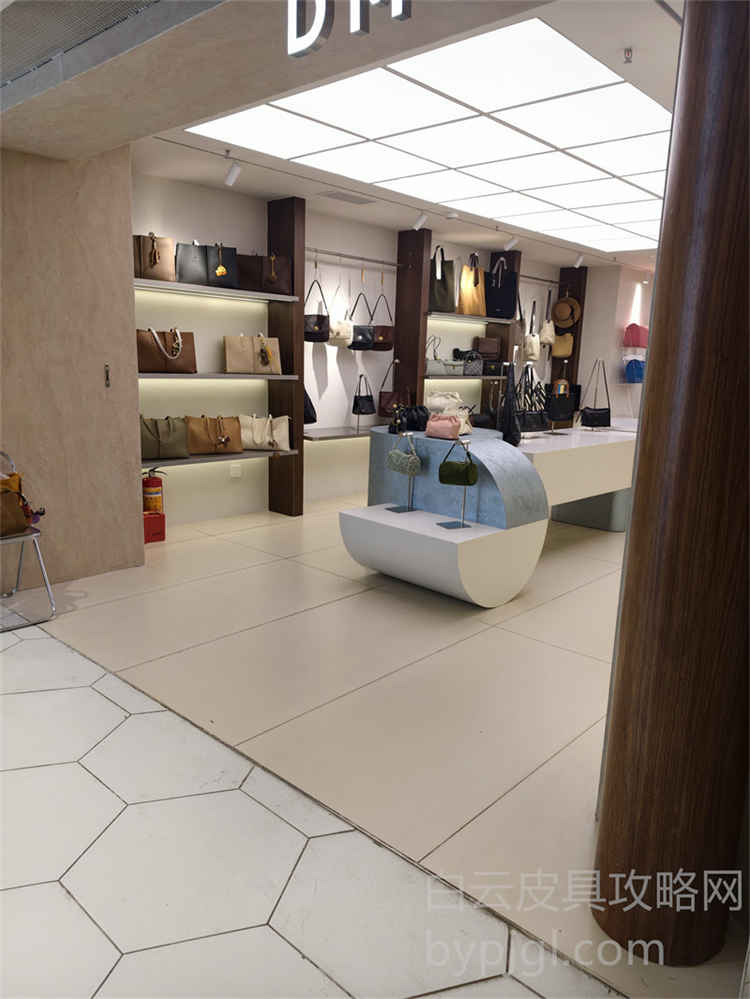
Walking the Floors: My Real Talk on Sourcing Bags in Guangzhou
Listen, I've been standing behind this counter in the Baiyun district for over fifteen years. While you guys are scrolling through apps and reading blog posts about "Guangzhou bag sources," I'm actually sweating it out on the factory floor or negotiating with a truck driver at 6 AM. The internet is full of noise, but if you want the real deal on wher to find quality leather goods without getting ripped off, you need to step into the market yourself. There is no substitute for touching the material, smelling the glue, and looking a supplier in the eye. Let me walk you through exactly how we operate here in Guangzhou, from the moment you arrive until your cart is full.
The First Step: Getting Your Bearings in Baiyun
When you first land in Guangzhou, don't just head straight to the big malls. Start at the perimeter. The area around Jiahe World Shopping Center and the surrounding streets is wher the heavy hitters are. You will see signs everywher advertising "high quality" and "top grade." Ignore the flashy neon lights for a second. The real action happens inside the older buildings like the Baoma Plaza or the specific wings of the International Leather City. These places have been here since the early 2000s. The owners know each other. If you walk in looking like a tourist, they might quote you a price that includes a massive markup for foreigners. Dress casually, speak plainly, and ask to see the "factory stock."
Reading the Room: How to Spot a Genuine Stall
Not every stall is created equal. In my experience, the best suppliers don't scream their prices at the front door. They keep their inventory organized in back rooms or on racks that require you to ask to see them. A good sign is when the owner asks you what kind of leather you prefer—cowhide, lambskin, or calfskin. If they immediately start pushing a pre-packaged set of bags without asking questions, run. We deal in custom orders and specific batches. When you enter a legitimate stall, you will see stacks of unfinished leather pieces, rolls of fabric, and machines humming in the background. That is the sound of production. This is wher you verify the source. If they only show you finished products on a table and refuse to let you see the workshop, they are likely middlemen reselling goods they bought elsewher.
The Art of Inspection: What I Look For Before Buying
This is the most critical part of the process. Many overseas buyers make the mistake of focusing only on the logo or the shape. Here, we care about the stitching, the hardware weight, and the smell of the leather. When I inspect a batch for my clients, I pull out a small knife to check the lining. Is it tight? Does it feel cheap? I run my fingers along the edges to see if the paint has bled or if the glazing is uneven. The hardware should feel heavy, not hollow. If it rattles when you shake it, it's going to tarnish in a month. Also, check the zippers. We use high-end brands for our zippers because they last. If the zipper feels sticky or flimsy, the whole bag is compromised. Don't be afraid to open every pocket, check the interior pockets, and even look at the dust bag. Quality control is a conversation, not a checkbox.
Negotiation and Building Relationships
You cannot buy in bulk here without building a relationship. The price you see on the tag is rarely the final price. It depends on your volume, your payment terms, and whether you are a returning customer. I always tell new buyers to start small. Buy five or ten pieces to test the quality and the shipping process. once we establish trust, the prices dro significantly. Negotiation isn't about fighting; it's about finding a win-win. If you are buying fifty units, mention that you plan to return next season. We love repeat business. Be polite, bring some tea, and treat us like partners, not customers. In Guangzhou, relationships are currency. If you are rude or pushy, you will get the worst treatment. But if you are respectful and professional, you will get access to the best samples before anyone else sees them.
Avoiding the Pitfalls: Common Mistakes Foreign Buyers Make
I see so many people lose money because they try to order everything online without seeing the product. Shipping costs can eat your profit margin if you aren't careful. Always calculate the freight forwarder fees before you commit. Another huge mistake is ignoring the lead time. Just because a bag looks ready doesn't mean it is. Custom orders take time. If a supplier promises you delivery in three days for a hundred bags, they are lying. Real production takes weeks. Also, be wary of "free shipping" offers. Usually, the cost is hidden in the unit price. Finally, never pay via personal transfer without a contract or a deposit agreement. Use secure payment methods that offer buyer protection. Trust is earned, but verification is necessary.
The Final Verdict: Why Come to Guangzhou?
There is a reason why buyers from all over the world come to the Baiyun district. It is the heart of the industry. You get access to thousands of styles, different materials, and competitive pricing that you simply cannot find anywher else. But remember, the key is to go there with eyes wide open. Take your time, walk the floors, touch the leather, and talk to the people who make these items. The market is vast, but the gems are there for those willing to dig. If you follow these steps, you won't just find a supplier; you will find a partner who understands your vision and helps you build a successful business. That is the real value of sourcing in Guangzhou.

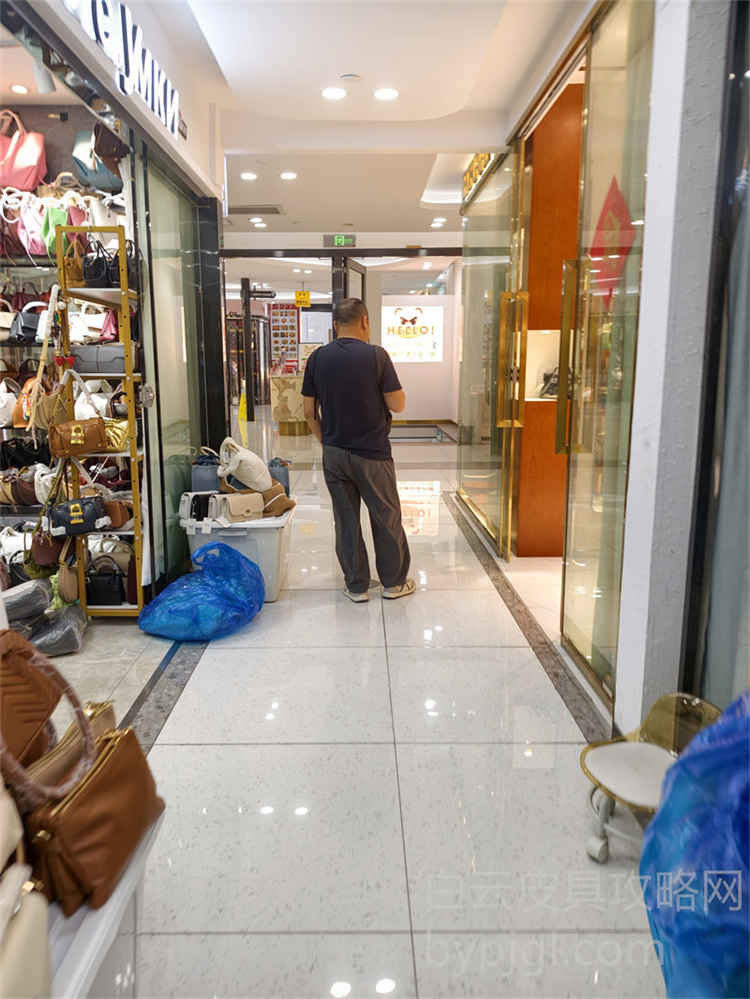
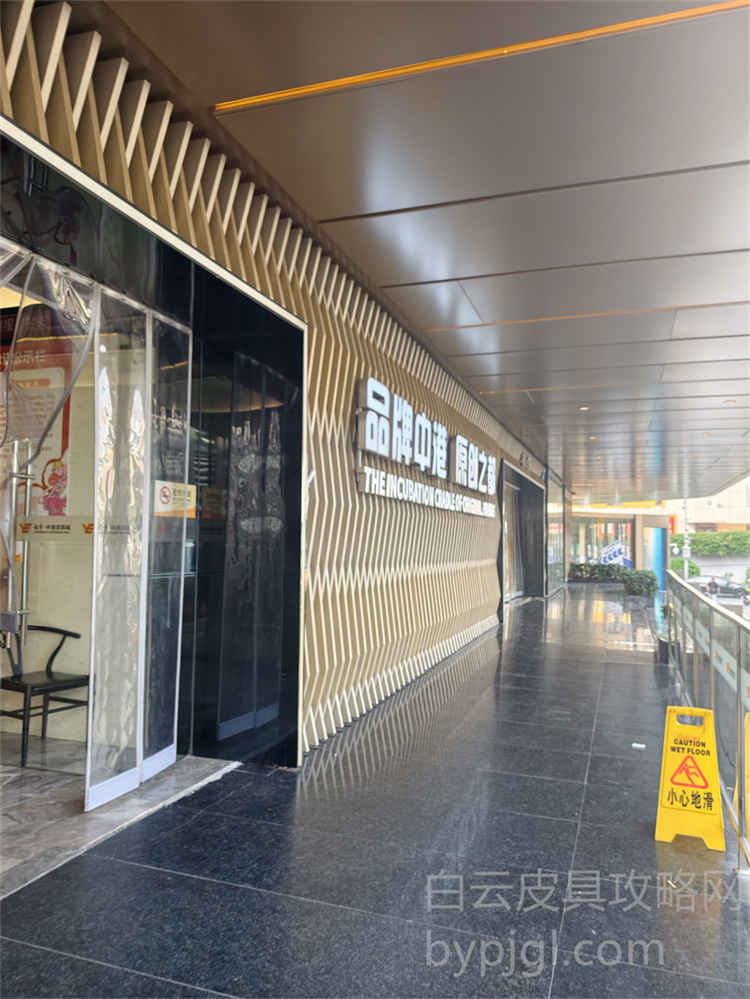





 On-site Visits
 Free Sharing
 Avoid Scams
 Updated Frequently
 For Reference Only