

Walking the Floors: My Real Talk on Sourcing Premium Leather Goods in Guangzhou
I have been standing behind this counter in the Baiyun District for over twenty years. While the internet tries to sell you a dream of ordering from your living room, I am here to tell you that the real magic happens when you step off the plane and walk through these crowded corridors. If you are looking for high-end leather goods in Guangzhou, specifically around the area known for premium manufacturing, you need to understand that this is not a place for tourists. It is a battlefield of trade wher relationships matter more than price tags.
The First Step: Leaving the Tourist Traps
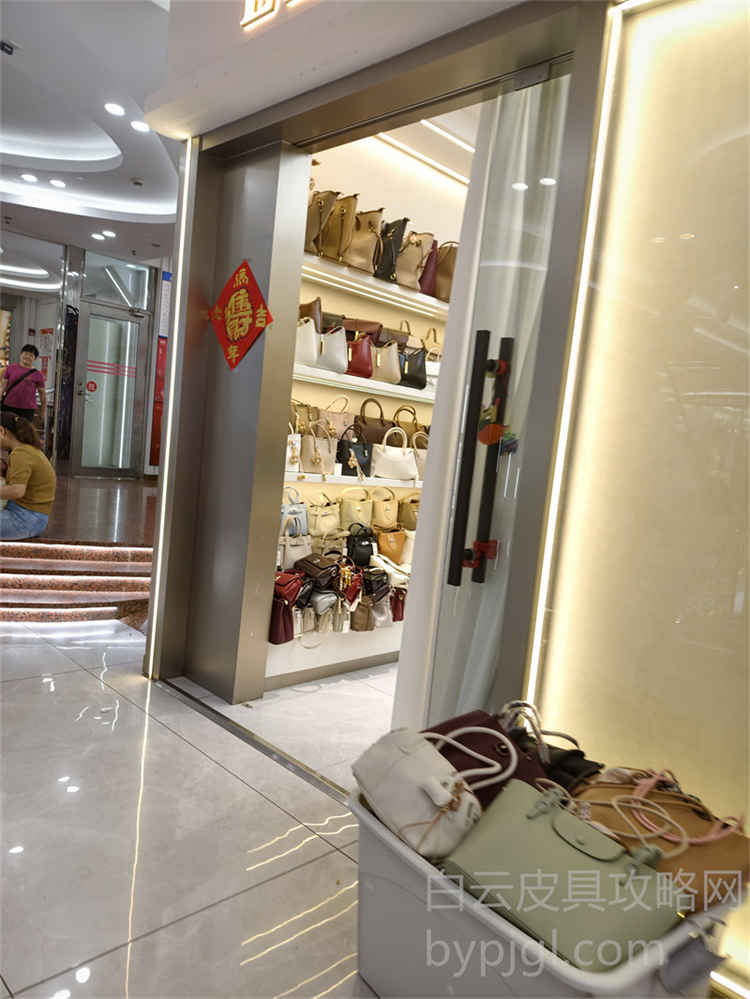
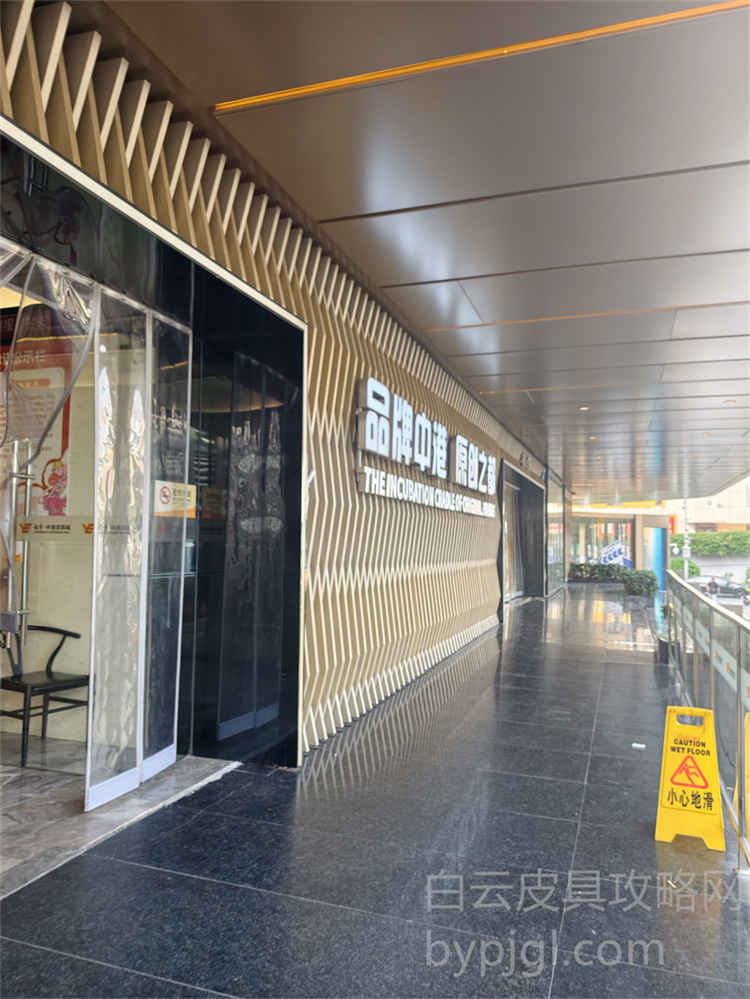
Most first-timers make the mistake of heading straight to the fancy malls or asking their hotel concierge for directions. They end up in places filled with low-quality junk meant for unsuspecting travelers. You want the source? You want the stuff that actually gets shipped to boutiques in New York, London, and Tokyo? Then you need to go to the Baiyun International Leather City. This is the heart of the operation. The moment you enter, you will smell the distinct scent of tanned leather and industrial glue. That is the smell of business. Do not be intimidated by the noise or the crowds. These stalls are packed because they move volume. If you stand there long enough, you will see the regulars—the buyers who know exactly what they want and how to get it.
Navigating the Market: Wher to Look and What to Ignore
When you arrive at the Baiyun market complex, do not just wander aimlessly. There is a hierarchy here. The ground floor often has the flashier displays, but the real quality is usually tucked away on the upper floors or in the back alleys of the surrounding buildings like the Qianwan Plaza. I have seen too many buyers get stuck in the front rows wher the prices are marked up for foreigners. The vendors there are trained to spot a novice immediately. They will quote you a price that includes a massive margin for your ignorance.
Reading the Room and Spotting the Pros
Walk past the flashy mannequins. Look for the stalls wher the owners are busy packing boxes for local delivery trucks. Those are the ones moving real stock. When you approach a stall, do not ask for "the best bag." That is a vague question that gets you generic answers. Instead, ask about the leather grade, the stitching count per inch, and the hardware weight. A good vendor will appreciate the technical questions. They will pull out samples from under the counter that are not displayed on the shelves. These are the prototypes, the pieces made for specific clients. This is wher you find the true craftsmanship that defines the top tier of production in this region.
The Art of Selection: Quality Over Hype
In my experience, the difference between a mediocre product and a premium one lies in the details that most people miss. When we talk about sourcing high-grade leather goods, we are talking about full-grain cowhide or calfskin, not synthetic blends. Run your hand over the material. It should feel cool and substantial, not thin or plasticky. Check the edges. In the old days, edges were painted on thickly to hide imperfections. Today, the best workshops use edge painting techniques that are smooth, even, and durable. If you can see the layers of leather underneath the paint, walk away.
Hardware and Stitching: The Silent Language
Look at the zippers and clasps. High-end hardware is heavy. It should have a solid weight to it, not feel hollow or cheap. The plating should be consistent without any bubbles or discoloration. Now, look at the stitching. Count the stitches. On a standard bag, you might see ten stitches per inch. On the premium pieces we discuss here, you will see twelve or fourteen, perfectly aligned with no loose threads. The thread itself should be waxed linen or high-tenacity polyester, not cheap nylon that frays after a few weeks. When I inspect a batch for my overseas clients, I spend more time checking the inside lining and the pockets than the outside. A well-made interior shows respect for the product.
Dealing with Vendors: Negotiation and Trust Building
This is wher the game changes. You cannot negotiate like you are buying vegetables at a street market. You need to show that you are a serious buyer. Bring a notebook. Take photos of the items you like, but do not take them home immediately. Ask for a catalog or a WeChat contact to follow up later. This signals that you are planning a larger order, not just picking up a souvenir. once you establish a rapport, the vendor will start showing you their "secret" inventory—items that are not listed online or in the main display cases.
The Art of the Deal: MOQ and Customization
Do not be afraid to ask about Minimum Order Quantities (MOQ). Many small shops claim they only sell single units, but if you express interest in a bulk purchase, they will open up. However, be realistic. If you want custom colors or specific hardware modifications, you need to commit to a higher volume. I always advise my international partners to start with a trial order. Buy five or ten pieces to test the consistency of the quality. If the first batch is perfect, then you scale up. Never pay 100% upfront unless you have worked with the vendor for years. A deposit of 30% to 50% is standard practice. It protects both sides. If the vendor refuses to meet halfway, find another stall. There are hundreds of others willing to work fairly.
Avoiding Pitfalls: What Not to Do
The biggest mistake buyers make is rushing. They see a bag, love it, and pay immediately. But in this market, the same design comes in three different grades of quality. The one on the shelf might be the "A" grade, while the one in the back is the "AA+" version. Always ask to see the different tiers. Another common trap is ignoring the shipping logistics. Shipping leather goods internationally involves strict regulations regarding materials and packaging. A good vendor in Baiyun knows how to pack the goods to prevent damage during transit and can handle the necessary documentation. Do not let them ship it in a flimsy box. Insist on reinforced packaging.
Building Long-Term Relationships
Finally, remember that this is a relationship-based industry. If you treat the vendors with respect, speak their language (even a little bit helps), and pay on time, they will become your eyes and ears in China. They will alert you to new trends before they hit the global market. They will hold stock for you when demand spikes. This network is invaluable. So, when you come to Guangzhou, leave your preconceptions at the airport. Walk the floors of the Baiyun district, touch the leather, talk to the people, and you will find the source of the world's finest leather goods right here in the heart of China.






 On-site Visits
 Free Sharing
 Avoid Scams
 Updated Frequently
 For Reference Only