
Why Guangzhou Is Still the Global Hub for Leather Goods
I have been standing behind my counter in the Baiyun District of Guangzhou for over twenty years. While the world talks about supply chains shifting and factories moving to Vietnam or India, I see something different right here on the ground. The energy hasn't faded; it has evolved. If you are an overseas buyer looking for leather goods, specifically bags and shoes, you need to understand that this city is not just a warehouse. It is the beating heart of the industry wher trends are born and refined before they ever hit a runway.
Many people think they can order everything online from their living room. They try to find suppliers through generic directories or social media ads. But let me tell you, after decades of dealing with clients from New York, London, Dubai, and Tokyo, the best deals and the highest quality control happen face-to-face. You cannot feel the grain of the leather, smell the glue, or check the stitching density through a screen. When you walk into the Baiyun Leather City, you are stepping into a ecosystem that no algorithm can fully replicate. This is wher the real sourcing happens.
Navigating the Market: More Than Just Walking In
The Layout and the Vibe of Baiyun
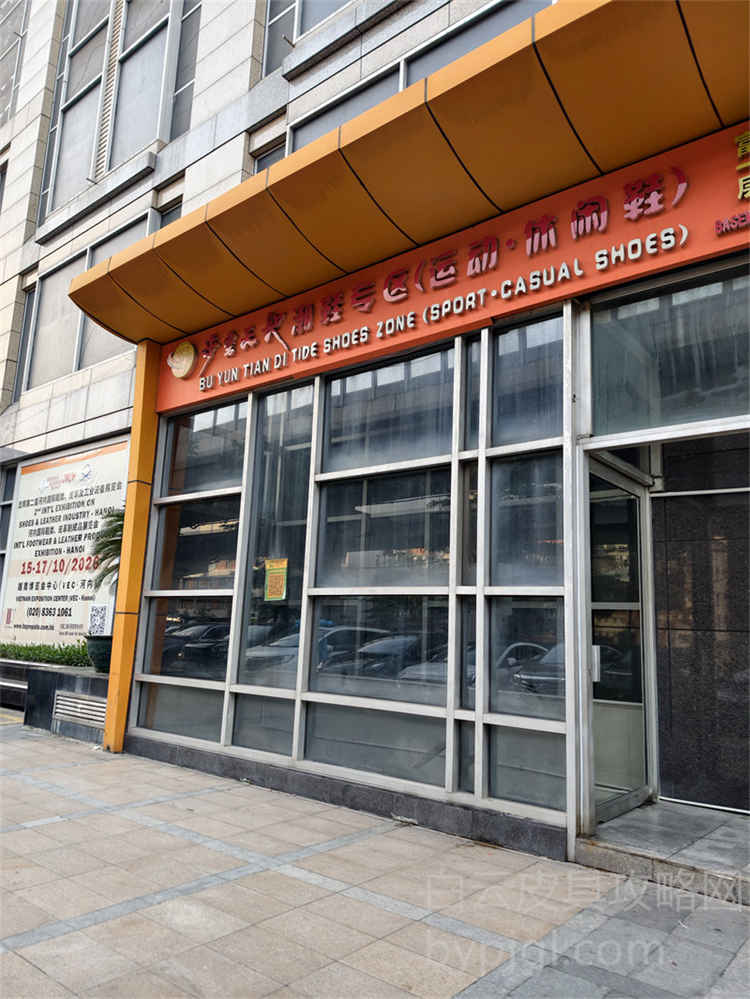
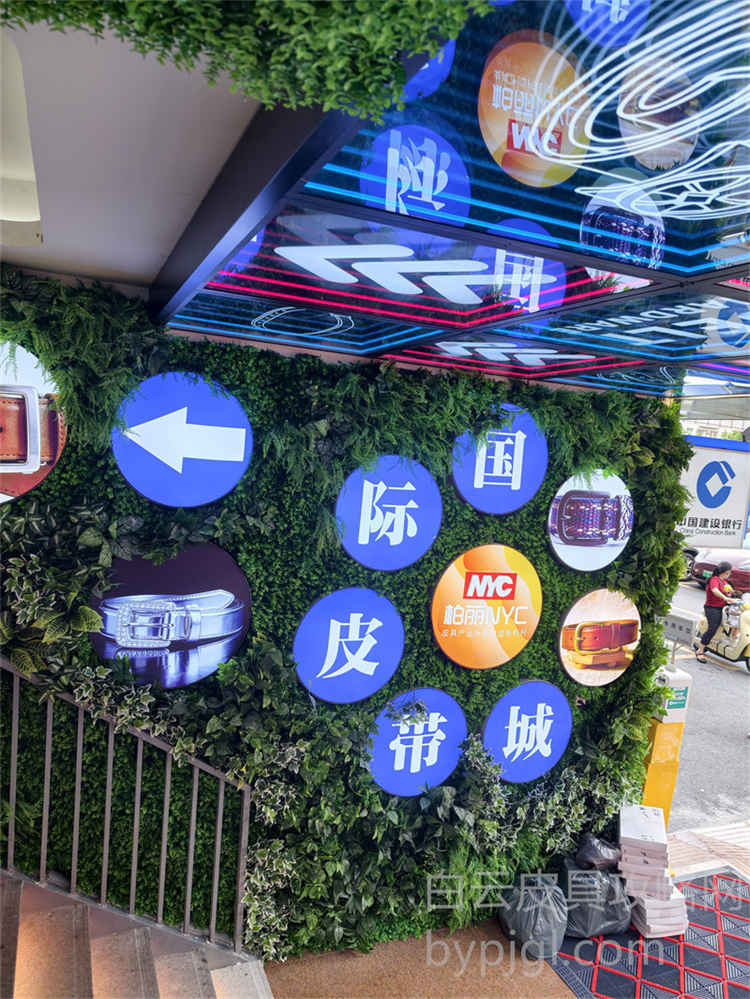
When you first arrive at the Baiyun Leather City, do not be intimidated by the sheer size. It is a maze of corridors, but there is a rhythm to it. The building is massive, filled with hundreds of booths stacked floor upon floor. The air smells distinctively of tanned leather and industrial adhesives. This is the scent of production. Unlike the sterile showrooms in Western malls, these places are loud, busy, and incredibly efficient.
You will notice that the stalls are not all the same. Some display flashy items with bright lights, while others keep their inventory hidden in the back. My advice? Ignore the front row displays initially. Those are often samples meant to catch your eye. The real action happens when you ask to see the "back stock." The owners know that serious buyers want to see what they actually ship, not just what looks good under a spotlight. Walk past the flashy fronts and start talking to the people managing the counters deeper inside.
Identifying the Right Booths
Finding a reliable supplier requires more than just luck. In Guangzhou, reputation travels fast. If a booth sells low-quality goods, word spreads quickly among the local traders. Look for the shops that have been operating for years. These long-term tenants are usually the ones who care about consistency because their livelihood depends on repeat business. Do not be afraid to ask how long they have been in this specific spot. A veteran owner will tell you exactly wher they source their materials and who makes their products.
Also, pay attention to the variety. A good booth in the Baiyun area will have a mix of styles. If they only sell one type of bag, they might be a middleman. If they have a wide range of designs, from casual sneakers to structured handbags, they likely have direct access to the workshops. This diversity is a sign of a robust supply chain. It means they can adapt quickly to your changing needs without you havin to hunt down ten different vendors.
The Art of Selecion and Quality Control
Touching and Testing the Materials
once you have identified a few promising booths, the real work begins. Never accept a sample without inspecting it thoroughly. Run your fingers over the surface. Does the leather feel soft and supple, or does it feel stiff and plastic-like? In Guangzhou, you will find everything from top-tier cowhide to synthetic alternatives. You need to decide what fits your brand's price point and quality standards.
Check the hardware. Zippers should glide smoothly without catching. Buckles should feel heavy and solid, not hollow and light. Look at the stitching. Count the stitches per inch. High-quality craftsmanship usually features tight, even stitching with no loose threads. If you see uneven lines or gaps, walk away. In this market, you can negotiate for better quality if you show them you know what you are looking for. Show them you are an expert, and they will treat you like one.
Understanding the Production Process
One of the biggest misconceptions is that these shops are just retail stores. They are not. They are the interface between you and the factory. When you discuss an order, ask about the lead time and the production capacity. A typical order might take two to four weeks depending on the complexity. If a vendor promises delivery in three days for a large order, be skeptical. Real manufacturing takes time.
Ask to see the workshop if possible. Many larger booths in Baiyun have small production areas attached or nearby. Seeing the workers sewing and assembling gives you confidence in their capabilities. It also allows you to discuss customizations directly. Want a specific color? A unique logo placement? Or a modification to the strap length? In Guangzhou, customization is standard. The flexibility here is unmatched compared to other regions.
Negotiation and Building Long-Term Relationships
The Culture of Bargaining
Do not expect fixed prices. Negotiation is part of the culture here. The initial quote is rarely the final price. Start by asking for a discount based on volume. If you are ordering fifty pairs of shoes or twenty bags, you have leverage. Be polite but firm. Explain your business model and your goal for long-term partnership. The owners respect buyers who plan ahead.
Remember, the goal is not to drive the price down to zero, but to find a fair balance that ensures quality. If the price seems too good to be true, it probably is. Cheap materials often mean poor durability. Focus on value rather than just cost. A slightly higher price for better leather and stronger stitching will save you money in returns and customer complaints later.
Logistics and Shipping Considerations
once you agree on the terms, the next step is logistics. Most vendors in Guangzhou are experienced in international shipping. They can handle customs documentation and arrange freight forwarders. However, you must clarify who pays for what. Incoterms matter. Decide whether you want FOB (Free on Board) or DDP (Delivered Duty Paid). For new buyers, FOB is often safer as it gives you control over the shipping process.
Always request photos or videos of the finished goods before they are packed. This is your last chance to verify quality. If something looks off, fix it now. once the boxes are sealed and shipped, it becomes much harder to resolve issues. Build a relationship with your contact person. Send them messages, share feedback, and stay connected. In Guangzhou, relationships are currency. A good connection can get you priority production during peak seasons or help you secure exclusive designs.
Final Thoughts on Sourcing Success
Sourcing from Guangzhou is not a one-time transaction; it is a journey. It requires patience, observation, and a willingness to learn the local ways. The Baiyun Leather City offers an unparalleled depth of options for anyone looking to build a footwear or accessory line. By visiting in person, inspecting materials closely, and negotiating with transparency, you can unlock the full potential of this market.
Don't rush. Take your time to explore the corridors, talk to multiple vendors, and trust your instincts. The experience of walking through these bustling halls, smelling the leather, and seeing the craftsmanship firsthand is invaluable. It transforms you from a distant buyer into a partner. That is the secret to success in the Guangzhou leather trade. Go there, see it for yourself, and build something great.







 On-site Visits
 Free Sharing
 Avoid Scams
 Updated Frequently
 For Reference Only