
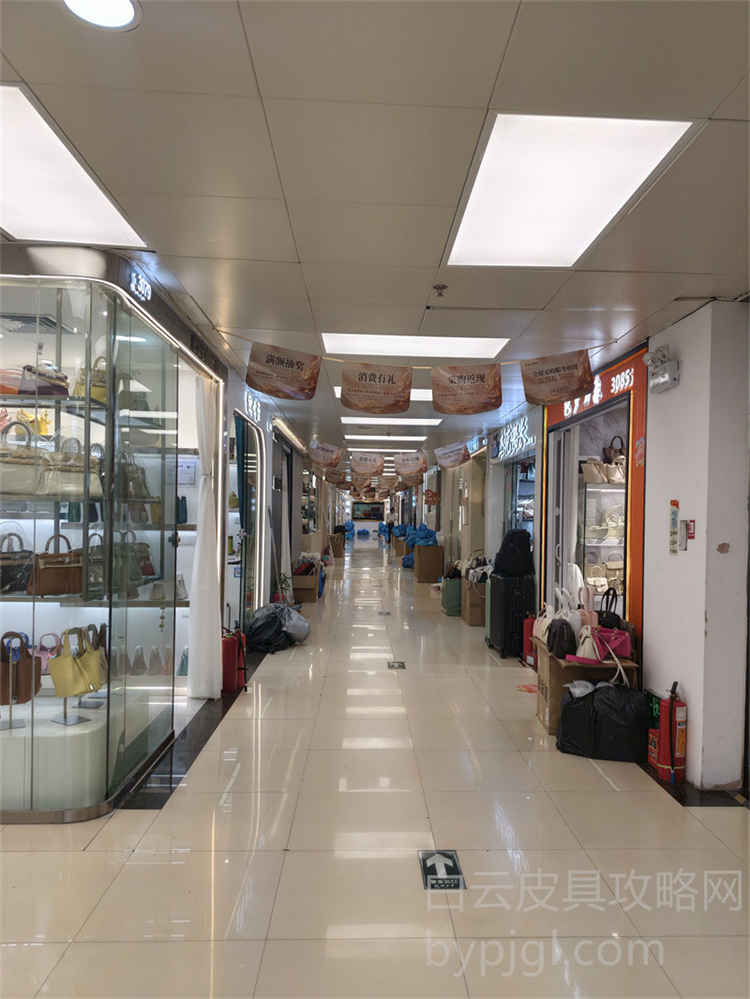
Stepping Into the Heart of Guangzhou Leather: A Veteran's Guide to Sourcing Bags
Welcome to the real deal. If you are reading this, you probably already know that the internet is flooded with generic advice about buying bags in China. Most of those articles sound like they were written by someone who has never stepped foot inside a warehouse or smelled the leather dust in the air. I have been standing behind my counter in the Baiyun district for over fifteen years. I have seen trends come and go, from the early days of simple imitations to today's high-end craftsmanship. My goal isn't just to sell you a product; it is to teach you how to navigate this chaotic, vibrant ecosystem without getting ripped off.
The Reality of the Ground Game
You cannot source effectively from your laptop in New York or London. The magic happens when you walk through the heavy metal doors of the Baiyun International Leather City. This place is not a shopping mall; it is a battlefield of commerce. When you first arrive, the noise will hit you. It is a mix of Cantonese dialects, Mandarin, and broken English, all shouting prices and sizes. Do not be intimidated. The vendors here respect one thing above all else: knowledge. If you look like a tourist asking "how much," you will get the tourist price. If you look like a buyer asking about the grade of cowhide or the stitching count, you instantly become a partner.
Navigating the Market Layout and Finding the Right Stall
The Baiyun market is massive, spanning several buildings connected by covered walkways. Many first-timers get lost because they try to visit every single shop. That is a mistake. You need a strategy. Start at the main entrance and head towards the upper floors wher the higher-quality suppliers usually reside. The ground floor is often filled with lower-margin goods and quick-turnover items. As you walk down the aisles, ignore the flashy displays in the front. Look past the mannequins and into the back rooms.
Reading the Signs Behind the Counter
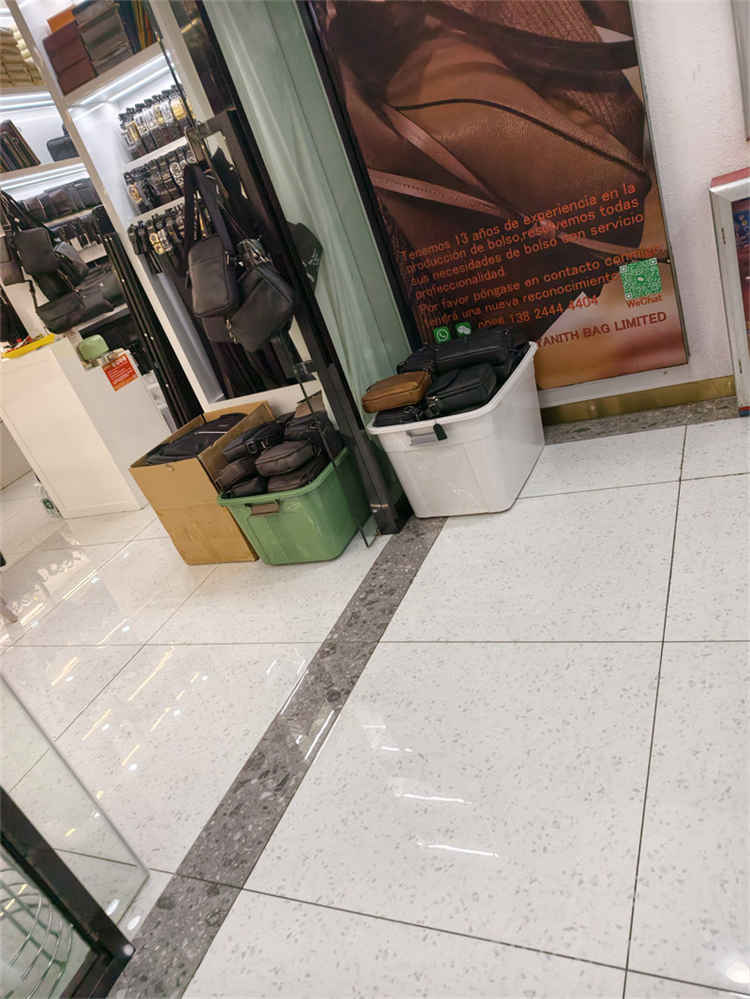
Every stall has a story told by what is on the shelves. Some stalls specialize in exotic skins, while others focus on classic shapes made from top-tier calfskin. When you approach a booth, do not ask for "designer" styles immediately. Instead, ask for their "top tier" collection. In our industry, we use terms like "original quality" or "first layer leather." Watch how the staff responds. If they hesitate or start talking about fake logos, move on. We want to talk about materials, construction, and durability. The best suppliers will show you the raw materials before showing you the finished bag. They might even take you to the cutting table to see how the hide is selected.
The Art of Selection and Quality Inspection
once you find a promising stall, the real work begins. This is wher most overseas buyers fail because they rely on photos sent via WhatsApp. Photos can be edited; reality cannot. You must inspect the hardware, the lining, and the smell of the leather. Open the zipper. Does it glide smoothly? Is the weight substantial? Cheap zippers feel light and flimsy. High-quality brass or zinc alloy hardware has a specific heft and a smooth finish that resists tarnishing. Run your fingers along the edges. Are the stitches straight? Is there any glue residue? In Guangzhou, the difference between a $50 bag and a $150 bag is often invisible to the untrained eye but obvious to a pro.
Asking the Right Questions about Materials
Do not be afraid to dig deep. Ask specifically about the tanning process. Is it vegetable-tanned or chrome-tanned? What is the grain pattern? A good supplier will explain the difference between full-grain and corrected leather without hesitation. If they claim it is "Italian leather" but the texture feels synthetic, trust your gut. We have many clients who bring their own samples to compare. This is a powerful tactic. Lay your sample next to theirs. Compare the thickness, the flexibility, and the color depth. If the colors match perfectly under natural daylight, you are onto something good. Remember, lighting in the shops can be deceptive. Always check the goods near the window or outside if possible.
Negotiation, Minimums, and Building Relationships
Price negotiation in Guangzhou is an art form. Never accept the first quote. The initial price is always inflated to leave room for bargaining. Start by offering 60% of their asking price and work your way up. However, do not be rude. Smile, make small talk about your business, and show genuine interest in their products. The key to getting the best price is volume. If you are a new buyer, ask about their minimum order quantity (MOQ). Some stalls require fifty pieces per style, while others might allow ten if you are willing to pay a slightly higher unit cost. Be honest about your target market. If you tell them you are targeting the US luxury market, they will push for higher quality standards.
Securing Your Order and Logistics
once you agree on a price, do not just hand over cash. Get everything in writing, even if it is a simple WeChat message confirming the details. Specify the color codes, the hardware finish, and the packaging requirements. Packaging is crucial. If you want your brand to look premium, insist on dust bags, boxes, and care cards. Many local factories offer these services for a small fee. Finally, discuss shipping. While many suppliers handle export documentation, it is safer to hire a freight forwarder based in Guangzhou who specializes in leather goods. They know exactly how to pack the bags to prevent crushing during transit and can handle customs clearance more efficiently than a random courier. Build a relationship with your forwarder as well; they are your eyes and ears on the ground.
Avoiding Pitfalls and Staying Safe
There are traps everywher in the leather market. One common scam involves switching the goods after payment. You might inspect a perfect bag, pay for it, and then receive a different batch later. To avoid this, insist on taking photos or videos of the specific batch you paid for before they ship it out. Another issue is the "rush job." If you need a large order quickly, some suppliers might cut corners on the drying time of the glue or the curing of the leather. Do not compromise on quality for speed. It is better to wait two extra weeks for a perfect product than to receive defective goods that ruin your reputation.
Trust Your Instincts
Finally, remember that not everyone in Baiyun is trustworthy. There are middlemen posing as factory owners. If a vendor seems too eager to close the deal without answering technical questions, walk away. The best partners are those who challenge you to improve your standards. They want you to succeed because repeat business is the only way they survive. Take your time, visit multiple markets, taste the coffee, and talk to the locals. The experience of sourcing in Guangzhou is as valuable as the inventory itself. Go with an open mind, keep your eyes sharp, and you will find the hidden gems that define the future of your business.







 On-site Visits
 Free Sharing
 Avoid Scams
 Updated Frequently
 For Reference Only