
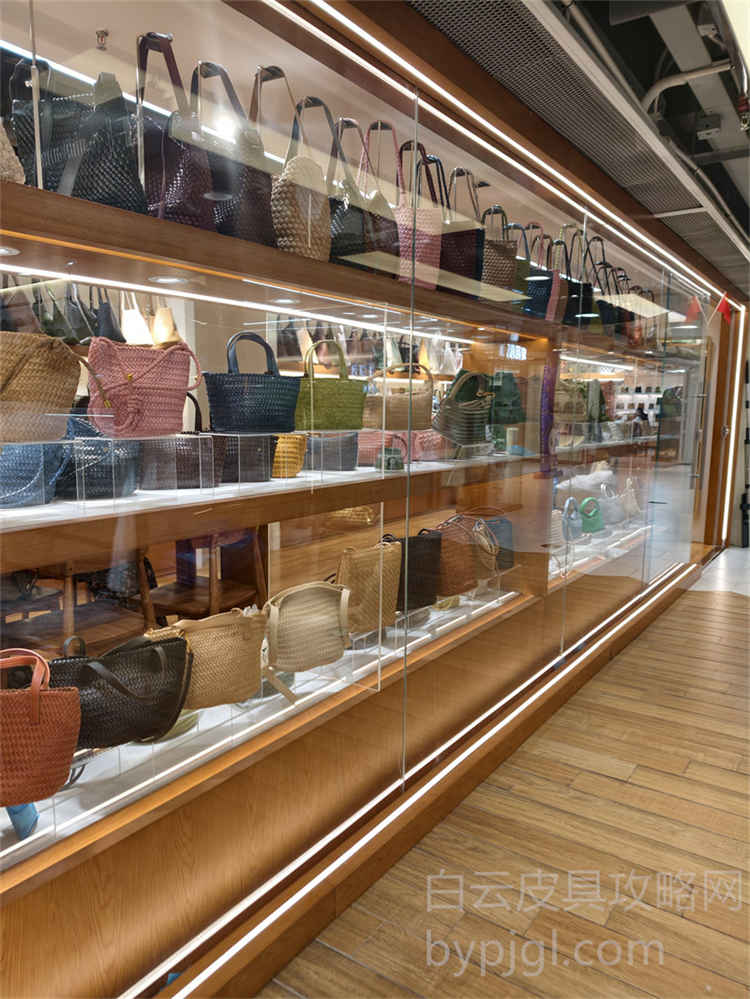
Why I've Been Selling Leather Goods in Guangzhou for Over Two Decades
If you are reading this, you probably already know that the real deal isn't found on a flashy website with stock photos. It is found here, in the humid, chaotic, and incredibly vibrant streets of Baiyun District. I have been standing behind my counter in the Panyu market area since before the internet really took off. People ask me all the time if they can just order online or if they need to come here. My answer is always the same: if you want quality that actually holds up, you need to be here, touching the leather, smelling the glue, and talking to the people who make it.
The reputation of our city's leather goods has gone through many phases. Ten years ago, everyone was worried about cheap plastic and bad stitching. Today? The game has changed completely. We are not talking about "fake" anything anymore. We are talking about sourcing materials that match the global standards. When I say we use top-tier cowhide from Italy or France, I mean it. But you cannot see that difference unless you are standing right in front of the stall, holding the bag, and asking the right questions.
Navigating the Markets: Wher to Actually Go
Beyond the Tourist Traps
Many first-timers walk into the main entrance of the big malls and get overwhelmed by the tourists and the low-quality displays meant for casual shoppers. That is not wher the serious business happens. If you want to find the best leather goods in Guangzhou, you need to go deeper. Head straight for the wholesale sections wher the air smells like fresh tannin and the floor is covered in dust from constant movement.
I tell my regular clients to skip the ground floor of the fancy buildings. The real action is often on the upper floors or in the older, less renovated buildings nearby. These are the places wher the factories keep their sample rooms. You will see rows of bags stacked high, not arranged perfectly for Instagram, but organized for efficiency. This is wher you find the items that are actually being produced right now, not what was made three seasons ago.
The importance of Face-to-Face Interaction
You cannot negotiate price or quality over WhatsApp alone. There is a language of gestures and tone that only works when you are standing across the table from the boss. When I meet a buyer, I don't just show them a catalog. I pull out the actual samples from the back room. I let them feel the weight of the hardware. I run my fingers along the stitching to show them the tension. In this industry, trust is built on physical proof. If a seller hesitates to let you inspect the inside lining or the zipper mechanism, walk away immediately. That hesitation tells you everything you need to know about the quality.
How to Spot Real Quality vs. Cheap Copies
Leather Texture and Smell
This is the most critical part. A lot of people think "high quality" just means it looks good from a distance. It does not. Real quality starts with the smell. Good leather has a distinct, rich scent that synthetic materials simply cannot mimic. When you open a bag from a reputable stall in Guangzhou, you should smell the hide, not chemicals or plastic. Run your hand over the surface. Does it feel soft and supple, or does it feel stiff and cold? The best leather breathes. It warms up in your hand. If it feels like a toy, put it down.
We also look at the grain. Natural leather has imperfections. It is not perfectly uniform. If every single bag in a stack looks exactly the same under a magnifying glass, it is likely a lower-grade material or a heavy coating. We source hides that have character. The variations in the grain pattern are what give these bags their premium feel. Do not be afraid to ask the vendor to show you different batches. They will understand because they know the difference between Grade A and Grade B leather.
Hardware and Stitching Details
Let's talk about the metal parts. In the past, hardware would tarnish after a few weeks. Now, we use zinc alloy with PVD plating that lasts for years without fading. But how do you check this? Tap it. Heavy, solid metal sounds different than hollow, cheap metal. Look at the engraving. Is it crisp and deep, or shallow and blurry? The font matters. Even if we are not using brand names, the typography must be precise.
Stitching is another telltale sign. Count the stitches per inch. High-end production usually aims for consistency. The thread should be waxed and tight. If you see loose threads or uneven spacing, that is a red flag. I remember one time a client brought me a bag he bought elsewher. The stitching was perfect on the outside, but the inside was a mess. He didn't notice until he opened it. Always check the interior pockets and the seams. That is wher the craftsmanship truly lives.
Practical Tips for Sourcing Without Getting Scammed
Building Relationships with Vendors
Do not treat this like a one-time transaction. The best deals come from repeat customers. When you return to the same stall, the owner knows your taste. They start saving the best pieces for you. They might even show you new designs before they hit the general market. This is the secret of the Guangzhou supply chain. It is built on relationships, not just listings. Bring business cards, speak politely, and show genuine interest in their work. If you act like a tourist looking for a bargain, you will get tourist prices. If you act like a partner, you get partner pricing.
Understanding MOQs and Customization
One of the biggest myths is that you can buy one bag at wholesale price. Usually, there is a Minimum Order Quantity, or MOQ. However, many stalls in Baiyun are flexible if you are willing to pay a slightly higher unit price for a small batch. Be clear about your needs upfront. Do you want standard colors, or do you need custom leather? Customization takes time. If you need something specific, give the factory at least two weeks. Rushing the process often leads to mistakes. Ask for a pre-production sample before you commit to the full order. This step saves you from receiving fifty bags that are all wrong.
The Future of Leather Sourcing in China
People worry that the quality is droping because of regulations or competition. I see it differently. The market is self-correcting. Buyers are smarter now. They demand better materials and better construction. If a factory tries to cut corners, they lose their contracts. The ones surviving today are the ones investing in better machinery and training their workers. The gap between "cheap" and "premium" is widening, not shrinking.
When you visit Guangzhou, you are not just buying a product; you are entering a ecosystem of craftsmanship. The streets around the markets are filled with people who have dedicated their lives to making leather goods. From the tanning workshops to the final assembly lines, every step is optimized for efficiency and quality. If you take the time to explore, to touch, and to talk, you will find that the quality available here is unmatched anywher else in the world. Come with an open mind, bring your own eyes, and you will leave with products that exceed your expectations.

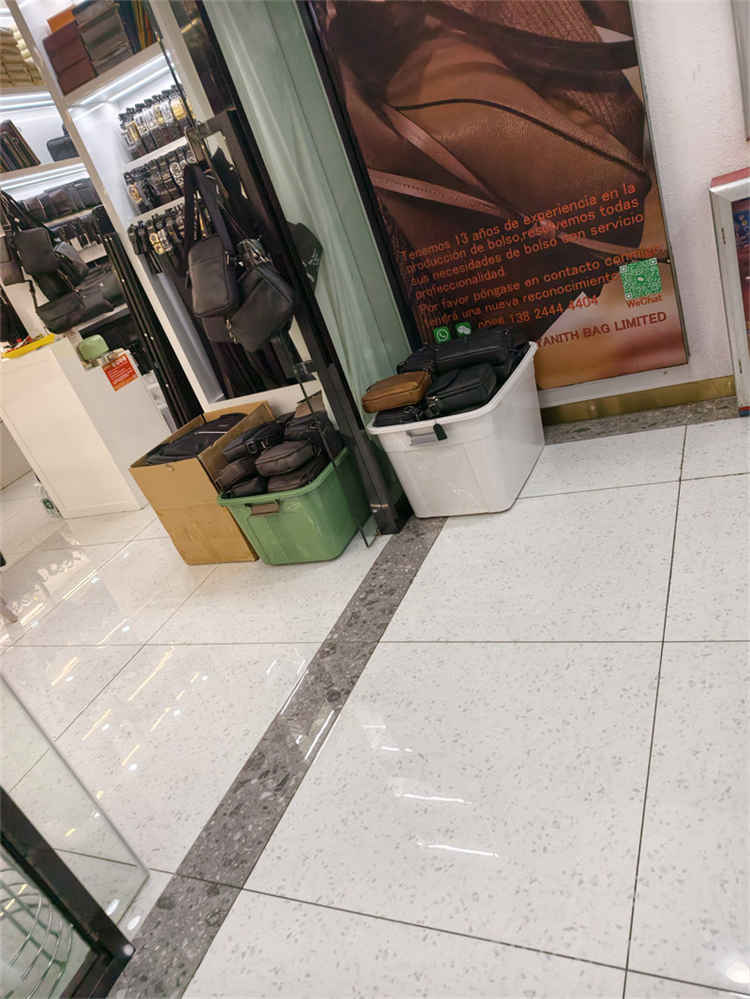






 On-site Visits
 Free Sharing
 Avoid Scams
 Updated Frequently
 For Reference Only