
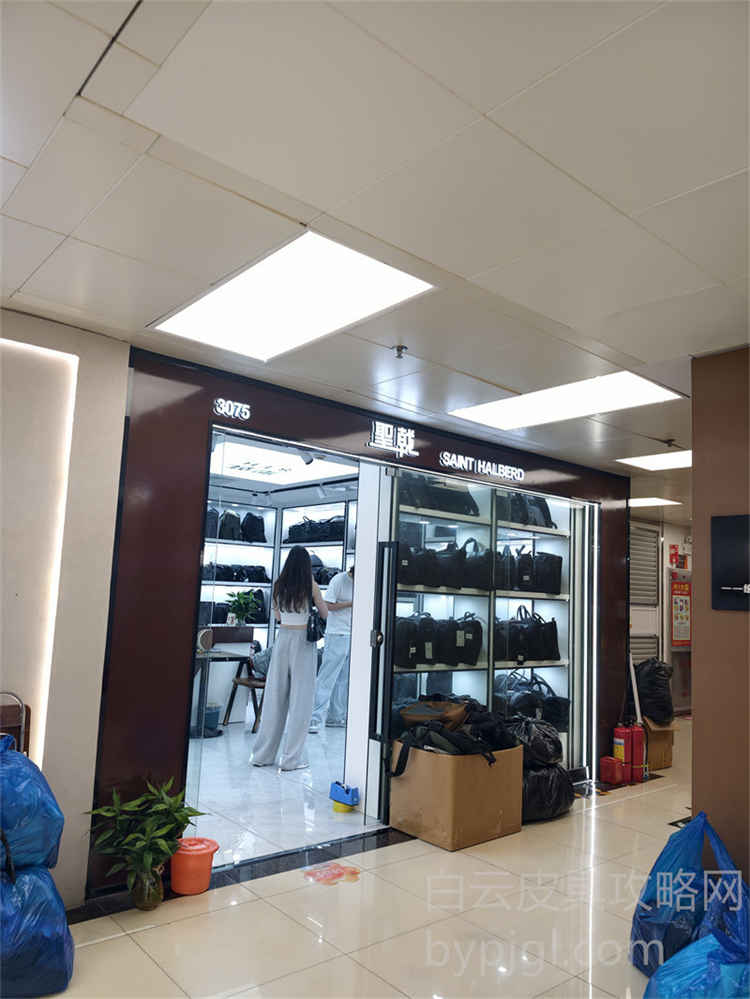
Walking the Floor: A Local's Guide to Guangzhou Leather Markets
Welcome to the real deal. I've been standing behind a counter in this bustling district for over fifteen years, watching the tide of fashion come and go while my own stall has remained steady. If you are reading this from overseas, thinking about flying down to source high-end leather goods directly from the source, let me tell you something first: the internet is full of noise, but the truth only lives on the ground. You cannot get the real story from a website or a WeChat chat alone. You have to feel the dust, hear the haggling, and see the stacks of bags in the flesh. This isn't just about buying; it is about understanding the ecosystem that makes Guangzhou the undisputed capital of leather craftsmanship.
The First Step: Getting Your Bearings
When you step out of the taxi at Baiyun, the first thing you notice is the sheer scale. It is not a single building; it is a sprawling complex of interconnected structures that seem to stretch forever. Most tourists get lost immediately because they look for "luxury" signs, which simply do not exist here. Instead, look for the heavy foot traffic and the delivery trucks unloading crates. My advice? Do not go straight to the fancy-looking malls with glass facades. Those places are often showrooms designed to keep prices high for casual walk-ins. The real action happens in the older buildings, the ones with slightly peeling paint and crowded corridors. That is wher the serious buyers go. Start your day early, around 9 AM, when the air is cool and the bosses are fresh. By noon, the heat rises, and the pace slows down until the evening rush begins again.
Navigating the Stalls: How to Spot the Real Deal
once you are inside, you need to know how to talk to the owners. They speak many languages, but their eyes always tell the truth. When you approach a stall, do not ask for "the best quality" right away. That sounds like a tourist trying to find a bargain. Instead, ask specific questions about the hardware, the stitching, and the leather grain. Look at the bags on the shelves. Are they dusty? Are they arranged neatly or piled up? A well-maintained display often means the owner cares about their reputation. In these markets, reputation is everything. If a seller tries to push you into a corner or acts too eager, walk away. The best deals come from calm conversations between people who respect each other's time.
Reading the Materials Without Touching
You might think you need to touch every bag to judge it, but experience teaches you otherwise. Look at the way the light hits the surface. High-grade leather has a natural depth and texture that synthetic materials simply cannot mimic. Notice the smell. A genuine leather product smells distinctively rich and earthy, wheras cheaper alternatives smell like chemicals or glue. Pay close attention to the zippers and clasps. In our workshops, we use solid brass that feels heavy and cold to the touch. If the hardware feels light or flimsy, it will tarnish quickly. Also, check the lining. Many sellers hide poor workmanship inside, so pull the lining back gently. The stitching should be even, tight, and consistent. No loose threads, no skipped stitches. This is wher the skill of the artisan shows. If you see uneven lines, put the bag back on the shelf.
The Art of Negotiation and Sourcing
Let's talk about the money. Prices in these markets are never fixed. They are fluid, changing based on your relationship, your volume, and your knowledge. Never accept the first price quoted. It is an opening bid, nothing more. Start by asking for the wholesale price, not the retail price. Explain that you are looking for long-term cooperation. Mention that you plan to buy multiple styles or return frequently. This signals that you are a serious buyer, not a one-time shopper. once you establish a rapport, the prices dro significantly. However, be careful. If a price seems too good to be true, it usually is. There is a fine line between a great deal and a scam. Always insist on seeing the actual stock before paying. Do not rely on photos sent via messaging apps, as those can be manipulated or taken from other sources.
Building Relationships for Better Terms
The secret to getting the best terms is building a relationship. Bring a small gift, maybe some local snacks from your country, or just offer a friendly smile and a handshake. Treat the staff with respect. Ask them about their families, their days off, and their challenges. When you treat them like humans rather than transaction machines, they open up. They might show you samples that are not yet on the floor, or they might give you access to new designs before anyone else. In this industry, information is currency. The latest trends move fast, and havin a trusted contact means you get the news first. Over time, you become part of the network. People remember who treats them well, and they will save the best pieces for you.
Avoiding Pitfalls and Ensuring Quality
Even with all this knowledge, mistakes happen. One common pitfall is rushing the inspection process. Take your time. Count the items. Check the serial numbers if applicable. Verify the packaging. Sometimes, a seller might swap a high-quality item with a lower-quality one during the packing phase if they think you won't notice. To prevent this, inspect the bags right there in the stall before they are boxed. If you are buying in bulk, bring a friend or hire a local guide who knows the market intimately. Another issue is shipping. Many sellers claim they can handle logistics easily, but customs regulations vary wildly by country. Be clear about what you need regarding documentation and labeling. Do not assume everything will pass through without issues. Plan ahead and communicate clearly with your freight forwarder.
The Final Inspection Before Departure
Before you leave the market with your goods, do a final walkthrough. Walk through the entire order list one last time. Ensure every bag matches the agreed-upon specifications. Check for any scratches, stains, or defects that might have been missed earlier. If you find anything wrong, address it immediately while you are still in the store. once you walk out the door, it becomes much harder to resolve disputes. Remember, the goal is to build a sustainable business, not just make a quick profit. By taking the time to verify everything, you protect your investment and your reputation. Trust your instincts. If something feels off, trust that feeling. The market is vast, and there are plenty of honest sellers waiting to do business with you if you take the time to find them.

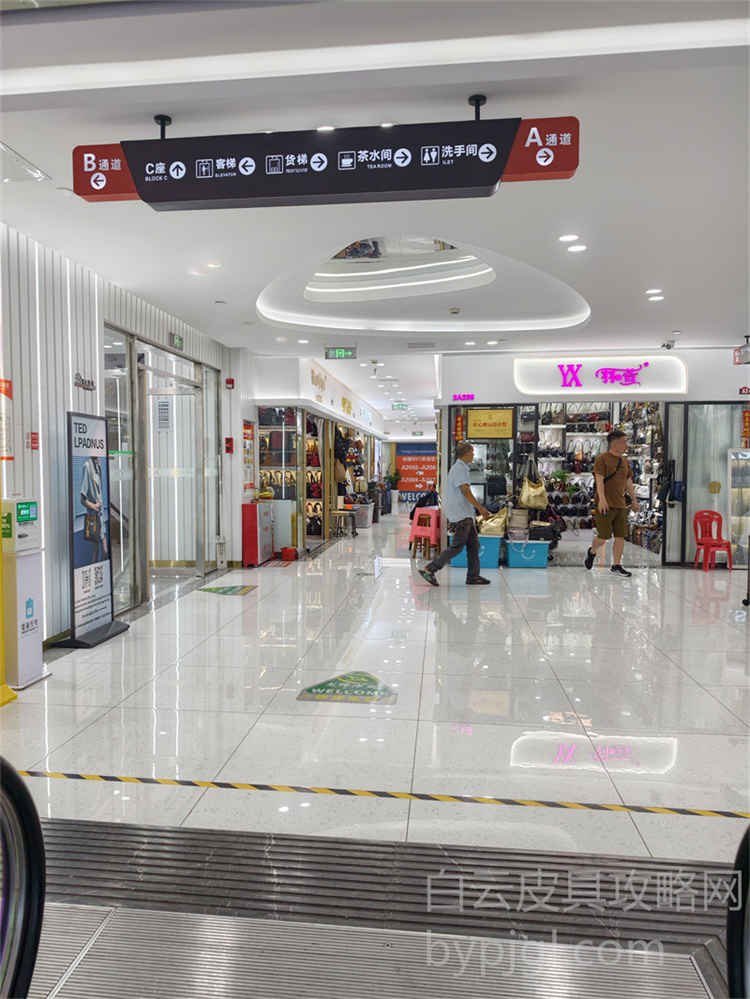






 On-site Visits
 Free Sharing
 Avoid Scams
 Updated Frequently
 For Reference Only