
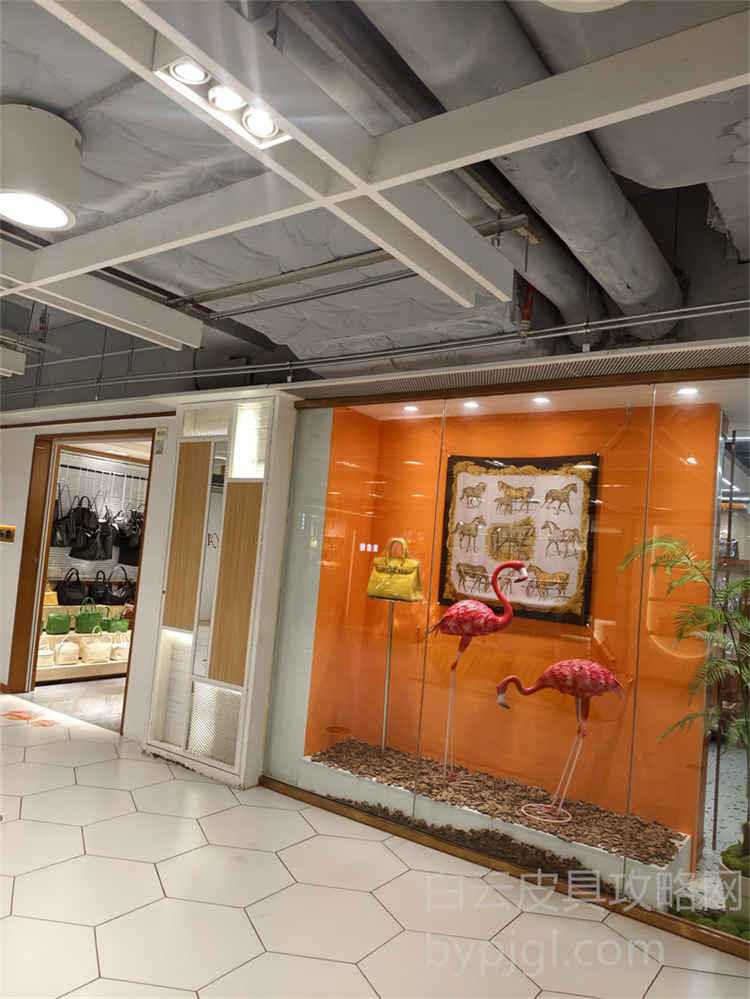
Why Your Sourcing Strategy Needs to Shift from Shandong to Guangzhou
Listen, I've been standing behind this counter in the Baiyun District for over fifteen years. You might have heard rumors about leather goods coming from Shandong, and sure, there are factories up north that make decent bags. But if you are serious about building a brand or stocking a shop with high-turnover inventory, you need to understand why the entire global supply chain points here, in Guangzhou. When people ask me about "China Shandong Guangzhou bag sources," they are often confused by the logistics map. Let me be clear: while Shandong has its place in textiles, the heart of the leather industry, the design innovation, and the speed-to-market is undeniably right here in our city.
I see too many overseas buyers trying to order from northern suppliers only to face long lead times, rigid minimums, and designs that feel three seasons behind. Here, in Baiyun, we operate on a different clock. The moment a trend hits New York or London, our designers sketch it, our cutters slice the leather, and our stitchers finish the sample within forty-eight hours. That is the real advantage. If you want to compete, you cannot source from a place that reacts; you need to source from a place that leads.
Navigating the Labyrinth of Baiyun Leather City
The First Step: Don't Go In Blind
Walking into the Baiyun International Leather Trade Center for the first time can be overwhelming. It looks like a maze of endless corridors, but trust me, every corner holds a secret. Do not just wander aimlessly. Start at the main entrance and head straight for the upper floors wher the higher-quality vendors usually set up their showrooms. The ground floor is often packed with tourists and low-end street vendors, which is fine for cheap souvenirs, but not for serious business sourcing.
When I meet new clients, I tell them to ignore the flashy signs outside. The real action happens inside the booths. Look for the shops that display multiple styles rather than just one hero product. A stall with fifty different models suggests they have a robust production line and can handle your volume. Also, pay attention to the lighting. Good leather needs good light to show its grain and texture. If a vendor's booth is dimly lit, walk away. They are likely hiding flaws in the material.
Reading the Room: How to Spot a Real Manufacturer
One of the biggest mistakes I see foreign buyers make is confusing a trading company with a factory owner. In Baiyun, many stalls are middlemen who buy from nearby workshops and resell at a markup. To find the real deal, you need to ask the right questions without sounding suspicious. Instead of asking "Are you the factory?", ask about their production capacity per day or how long they have been in this specific mall. A genuine owner will know their numbers off the top of their head and might even invite you to look at their workshop in the back.
Notice the materials on display. Real leather smells distinct, and the stitching should be tight and consistent. If the bags look perfect but the smell is chemical or the lining feels flimsy, it's a red flag. We pride ourselves on using top-tier cowhide and PU that mimics premium textures without the ethical baggage. A true supplier will be transparent about their material composition because they know quality speaks for itself.
The Art of Negotiation and Quality Control
Beyond the Price Tag
Price is important, but in Guangzhou, it is never the only factor. When I sit down with a buyer to discuss terms, I always start by asking about their target market. Are you selling to budget-conscious shoppers or luxury seekers? This dictates the grade of leather and hardware we use. If you push for the lowest price immediately, you will get the lowest quality. My advice is to negotiate based on value. Ask for a tiered pricing structure wher the unit cost dros as your order volume increases.
Don't be afraid to haggle, but do it respectfully. We appreciate buyers who understand the cost of labor and materials. A common tactic here is to ask for a discount on shipping or free samples if you commit to a larger initial order. Many buyers think they can get everything for free, but that rarely works. However, if you show genuine intent to build a long-term partnership, we will bend over backwards to accommodate you. Remember, we want you to succeed because repeat orders are the lifeblood of this business.
The Inspection Protocol: Never Skip This Step
This is wher most deals go wrong. Overseas buyers often rely on photos sent via WhatsApp or WeChat, which can be misleading due to color calibration and lighting differences. Before you hand over any money, you must inspect the physical goods. Bring a small flashlight to check the interior stitching and a magnifying glass for the hardware plating. Look for glue stains, uneven edges, or loose threads. These are the details that separate a premium product from a disposable one.
If you are buying a large batch, insist on a pre-shipment inspection. We can arrange for a third-party checker or allow you to hire someone locally to verify the goods before they leave the warehouse. Do not trust verbal promises. Get everything in writing, including the timeline for production and the specific quality standards agreed upon. In Baiyun, clarity prevents disputes. If something doesn't match the sample, you have the leverage to demand a remake or a refund, provided you documented it correctly.
Building Long-Term Relationships in the Market
Finally, let's talk about the human element. Sourcing in Guangzhou is not just a transaction; it is a relationship. The vendors here are used to dealing with international clients, but they remember those who treat them with respect. Share your feedback openly. If a bag style isn't selling well, tell us why so we can adjust the next iteration. We are flexible and eager to adapt to your market needs.
Many successful importers return to Baiyun year after year because they have found a trusted partner who understands their brand identity. Whether you are looking for classic tote bags, trendy crossbody styles, or custom designs, the ecosystem here supports every niche. By focusing on local expertise, avoiding the pitfalls of online-only sourcing, and engaging directly with the experts in the Baiyun Leather City, you ensure that your supply chain remains resilient, competitive, and profitable. Come visit us, walk the floors, and see the difference firsthand. That is the only way to truly master the art of sourcing in China.

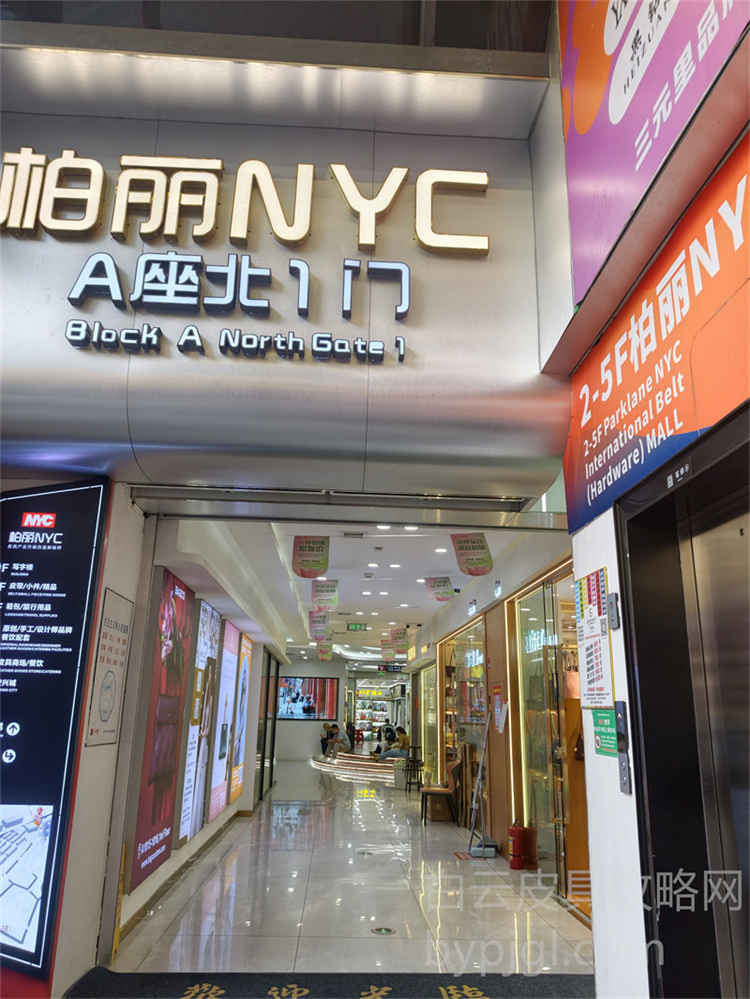






 On-site Visits
 Free Sharing
 Avoid Scams
 Updated Frequently
 For Reference Only