
Walking the Floor: My Honest Guide to Sourcing Bags in Guangzhou
I have been standing behind this counter in the Baiyun district for over fifteen years. While you might be scrolling through a website called "China Guangzhou Bag Source Network" from your home office, let me tell you that the real magic happens on the concrete floors of our markets. The internet is just a map; the actual treasure hunt requires boots on the ground. If you are planning a trip to source leather goods, forget what you think you know about online catalogs. The only way to truly understand the supply chain is to walk the aisles, talk to the people who make these items, and see the quality with your own eyes.
The Reality of the Market Floor
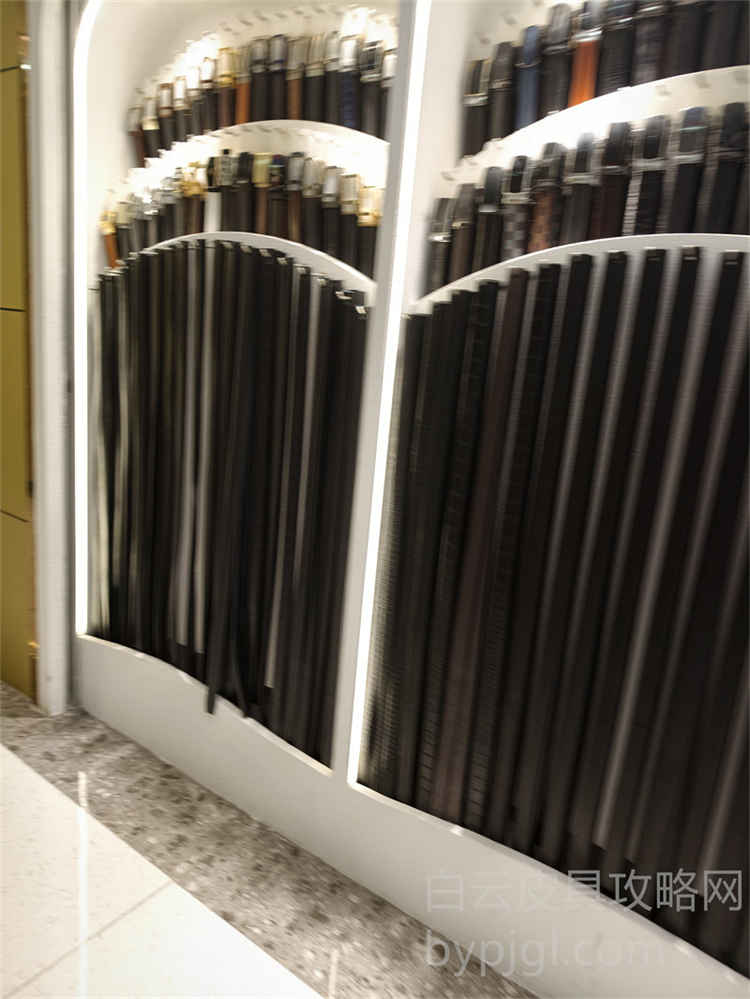
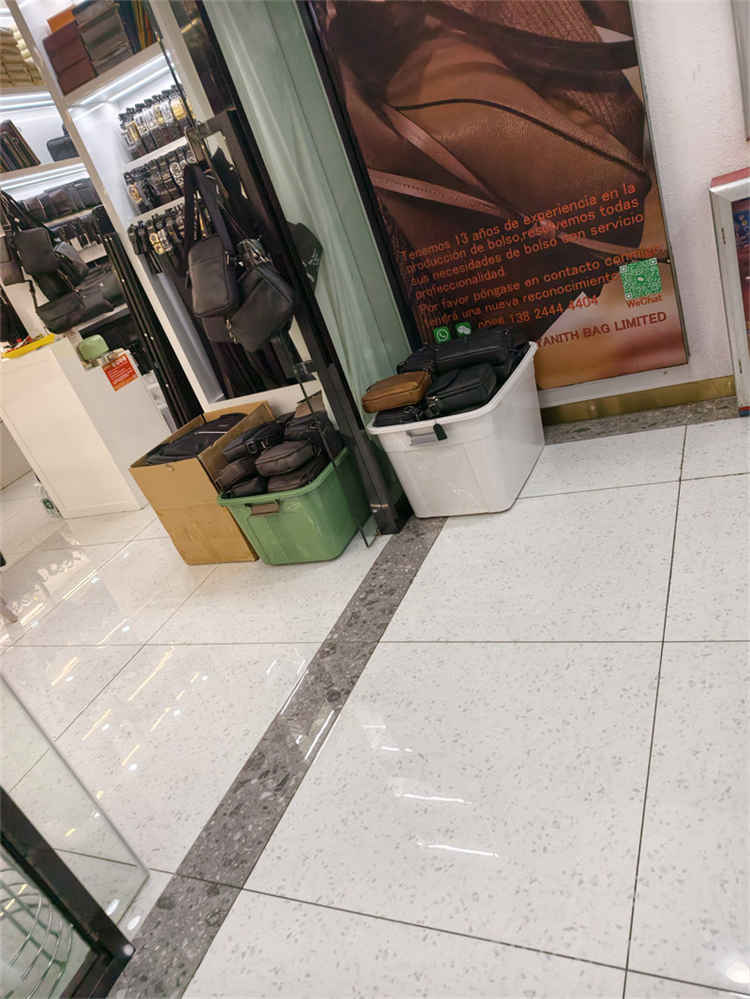
When you first step into the massive complexes around Baiyun, it can feel overwhelming. There are thousands of stalls, endless rows of shelves, and a constant hum of conversation in Cantonese and Mandarin. Do not expect to find everything neatly organized like a retail store. This is wholesale territory. You will see stacks of boxes, unfinished samples hanging on racks, and workers sewing right next to the display area. This is wher the action is. The best deals are not found by browsing a static webpage; they are found by building relationships with the stall owners who have been here since the early days.
Navigating the Districts: Wher to Go First
Guangzhou is not just one market; it is a sprawling ecosystem of specialized districts. If you are looking for high-end craftsmanship, you need to head straight to the core of the Baiyun皮具城 (Baiyun Leather Goods City). This is wher the heavy hitters operate. However, if you are looking for trendy, fast-moving styles at lower price points, you should explore the surrounding smaller buildings and the older sections of the market. Each building has its own vibe and specialty.
Finding the Right Stall
Do not get distracted by the flashy storefronts with bright neon lights. Often, the most reliable suppliers are tucked away in the back corridors or on upper floors wher the rent is slightly lower but the quality is consistent. Look for stalls that have a mix of finished products and raw materials nearby. This indicates they control their own production line. When you approach a stall, do not ask for "designer bags." Instead, ask about their specific leather types, stitching techniques, and hardware durability. A good supplier will appreciate your technical questions more than your desire for a famous logo.
The Art of Inspection: Seeing What Others Miss
This is the most critical part of my advice. online photos are often misleading due to lighting filters and editing. In person, you must inspect every single bag. Start with the smell. Real leather smells distinct; synthetic materials have a chemical odor that lingers. Run your hand over the surface. Is it soft? Does it have grain? Check the lining inside. Cheap bags often use flimsy polyester that tears easily, while premium options use durable canvas or genuine leather linings.
Checking the Hardware and Stitching
Zoom in on the zippers and clasps. Are they heavy? Do they slide smoothly? Cheap hardware feels light and hollow. Tap them; they should sound solid. Next, look at the stitching. It should be even, tight, and consistent. If you see loose threads or uneven spacing, walk away. I have seen buyers get burned because they didn't check the stress points wher handles attach to the body. These areas undergo the most tension and are the first to fail if the construction is poor. Ask the owner to show you their best-selling models. They will usually pull out a few samples that represent their highest standard of work.
Negotiation and Building Trust
In Guangzhou, negotiation is an art form. The prices listed on the tags or quoted initially are rarely the final numbers. However, do not try to drive the price down to zero. That shows you do not respect the craft or the cost of materials. Instead, focus on volume. If you are buying a large quantity, you have leverage. Explain your business model clearly. Tell them you plan to return regularly if the quality holds up. Long-term partnerships are valued much higher than one-off transactions.
Understanding Minimum Order Quantities
Many new buyers are surprised by the MOQ (Minimum Order Quantity) requirements. Some stalls require you to buy ten pieces of the same style, while others might allow mixed orders if the total value is high enough. Be clear about your needs before you start negotiating. If you are testing the market, look for suppliers who offer "sample orders" at a slightly higher unit price. once you confirm the quality, you can negotiate better rates for bulk orders. Never pay 100% upfront unless you have a long-standing relationship. A deposit of 30% to 50% is standard, with the balance paid upon inspection before shipment.
Avoiding Common Pitfalls
There are traps everywher for the unprepared buyer. One common issue is the "switching" tactic. A supplier might show you a perfect sample, but when you place the order, they send you inferior goods. To prevent this, always take photos and videos of the specific batch you are approving. Mark the serial numbers or unique identifiers on the samples. Another pitfall is relying solely on WeChat messages without seeing the physical product. Always insist on a video call wher you can ask them to pick up the bag and show it from all angles in real-time.
Logistics and Shipping Considerations
once you have seleced your goods, shipping becomes the next challenge. Many local suppliers have experience with international freight forwarders, but it is wise to have your own agent in Guangzhou. They can handle customs clearance, consolidation of different orders, and ensure the packaging is secure. Do not rush the packing process. Leather goods need proper stuffing and protection to avoid scratches during transit. Take your time to verify the weight and dimensions before the carrier picks up the package.
Final Thoughts from a Local Veteran
Sourcing in Guangzhou is not just about buying products; it is about understanding a culture of manufacturing excellence. The city of Baiyun is a hub of innovation wher trends move faster than anywher else in the world. By visiting the markets personally, you gain insights that no website can provide. You learn which suppliers are honest, which materials are superior, and how to build a supply chain that lasts. So, pack your bags, bring your notebook, and come ready to work. The floor is open, and the opportunities are endless for those willing to put in the effort.







 On-site Visits
 Free Sharing
 Avoid Scams
 Updated Frequently
 For Reference Only