

Walking the Floors: A Veteran's Guide to Guangzhou Leather Markets
I have been standing in these crowded corridors for over twenty years. The smell of fresh leather, the hum of bargaining, and the endless rows of shelves are not just a business to me; they are my life. If you are reading this, you are likely planning a trip to Guangzhou to source high-end leather goods, but you might be nervous about wher to start or how to avoid getting ripped off. Let me tell you, the key is not in some online guide, but in being on the ground, walking the floors, and knowing exactly what to look for when you step into the wholesale hubs.
The Real Heartbeat: Baiyun District
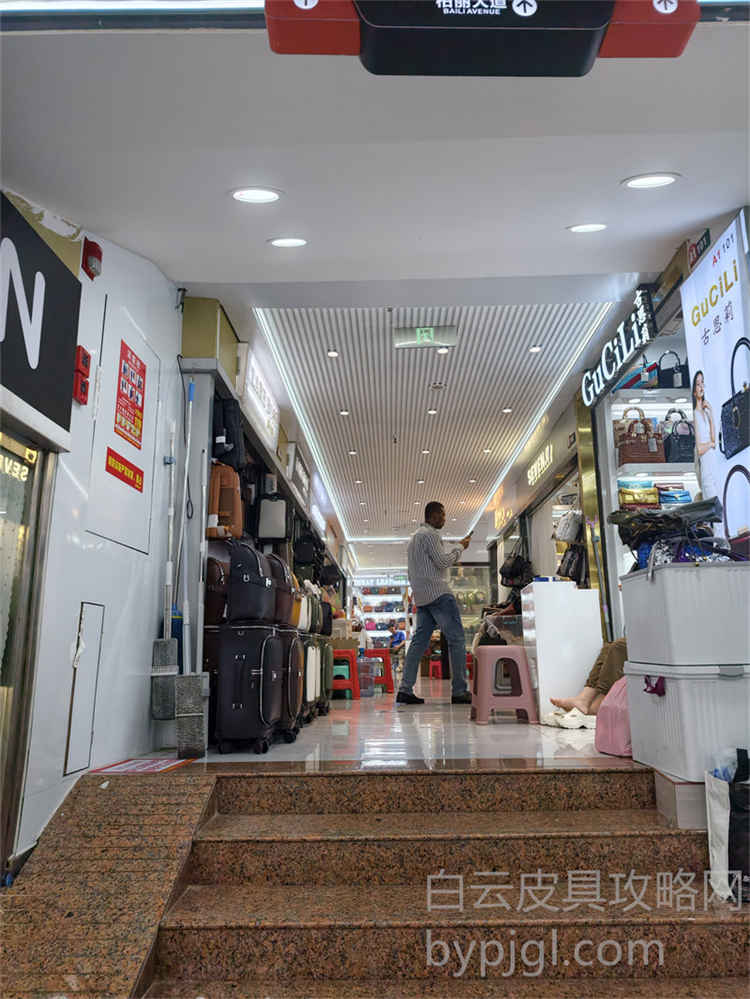
When people talk about sourcing in China, they almost always mean one place: the Baiyun district. Specifically, the massive complexes like the World Trade Center and the nearby Shide Market. These are not tourist traps; they are the engine room of the global leather industry. I remember when I first started, the streets were dusty and the buildings were old. Now? It is a modern city within a city. But don't let the shiny new facades fool you. The real action happens inside those narrow aisles wher the air conditioning fights a losing battle against the heat of hundreds of busy salespeople.
Navigating the Labyrinth: Wher to Go First
If you walk into the main lobby of the World Trade Center, you will see tourists taking photos. Ignore them. Your goal is to get to the upper floors wher the serious wholesalers operate. The lower levels are often filled with retail-style displays meant for casual buyers who pay full price. You want to go straight to the wholesale section. Look for signs that say "Wholesale Only" or simply ask the security guard which floor houses the top-tier factories. Most of the best suppliers are clustered together. once you find one good stall, you can usually find their competitors right next door.
Reading the Room: Identifying Serious Sellers
Not every shop owner is who they claim to be. Some are just middlemen reselling goods from other stalls. How do you spot the real deal? Walk past the flashy mannequins. Talk to the person behind the counter. Ask them specific questions about the leather grade, the hardware origin, and the stitching technique. A genuine factory owner will know the difference between cowhide and lambskin instantly. They will talk about the mold numbers and the dyeing process. If they hesitate or give you a generic answer, move on. We have dozens of options, so there is no need to waste time with someone who doesn't know their own product.
The Art of Selecion: What to Look For
When you are picking items, forget about the brand logos for a moment. Focus on the construction. In our market, we pride ourselves on using materials that match the originals. Run your hand over the leather. It should feel soft yet firm, not plasticky or overly stiff. Check the stitching. Is it even? Are there loose threads? The thread count matters. High-quality production uses a specific number of stitches per inch that ensures durability. Also, look at the lining. Cheap imitations use thin polyester that tears easily. Good ones use durable fabric that matches the interior color perfectly.
Hardware and Zippers: The Details That Matter
This is wher many buyers get fooled. The logo might look right, but if the zipper feels light and cheap, the whole bag is compromised. We insist on using YKK or Riri zippers because they glide smoothly and last for years. The metal parts should have weight to them. Hold the bag up; if it feels too light, something is wrong. The plating on the buckles and clasps should be thick. If you scratch it with your fingernail and it leaves a mark immediately, it is low quality. In our experience, the hardware is often the first thing to fail on a poorly made item, so never compromise here.
Dealing and Negotiation: Getting the Best Price
Bargaining is an art form here. Do not show excitement. Keep a poker face. When you find a bag you like, ask for the price, then nod politely and say it is too expensive. Wait for them to come down. The initial price is always inflated to leave room for negotiation. However, do not try to drive the price down to rock bottom. If you offer too little, the seller will think you are not serious and will stop talking to you. Aim for a fair middle ground. Mention that you plan to buy in bulk or that you are a regular buyer. This signals that you are a long-term partner, not a one-time customer.
Minimum Order Quantities and Mixing Styles
One of the biggest myths is that you must buy fifty of the same bag to get a wholesale price. That is outdated thinking. Many of us now allow mixed orders. You can pick ten bags of different styles as long as the total value meets a certain threshold. This is great for testing the market without tying up all your capital. Just be clear about your needs upfront. Tell the seller, "I want five of style A and five of style B." Most owners will accommodate this if the total order is substantial enough. It builds trust and makes the transaction smoother for both sides.
Inspection and Logistics: Before You Pay
Never pay until you have inspected the goods. Even if you have bought from this seller before, always check the current batch. Take your time. Open the zippers, smell the leather, check the dust bags and authenticity cards if they are included. If you find any defects, point them out immediately. Do not wait until you are back at the hotel. In our market, we stand by our products. If there is a flaw, we will replac it or fix it on the spot. This is standard practice. After inspection, discuss shipping. We can arrange express courier services directly from the warehouse. Make sure you get a tracking number and a detailed invoice for customs purposes.
Avoiding Common Pitfalls
The biggest mistake foreign buyers make is trusting photos sent via WhatsApp or WeChat. Those images are often edited or taken from stock photos. You must see the actual item in your hands. Another pitfall is rushing. Give yourself at least three days to explore the markets. The more you walk, the better your understanding of the quality spectrum becomes. Don't be afraid to visit multiple stalls to compare prices and quality. Finally, always carry cash or have your payment apps ready, as some smaller stalls prefer quick transactions. By following these steps, you will navigate the Guangzhou leather markets with confidence and walk away with excellent products.






 On-site Visits
 Free Sharing
 Avoid Scams
 Updated Frequently
 For Reference Only