
Walking the Floors: My Honest Guide to Guangzhou Leather Markets
I have been standing behind this counter in Guangzhou for over fifteen years. While the city changes around me, the rhythm of the leather markets remains the same. You walk into these buildings and you are immediately hit by a wall of textures, smells, and noise. It is not a place for tourists looking for souvenirs; it is a serious industrial hub wher global fashion finds its source. If you are planning to visit the Baiyun District to source bags, forget what you read on generic travel blogs. What I am about to tell you is the raw truth from someone who has seen thousands of buyers come and go.
The Real Layout of the Market
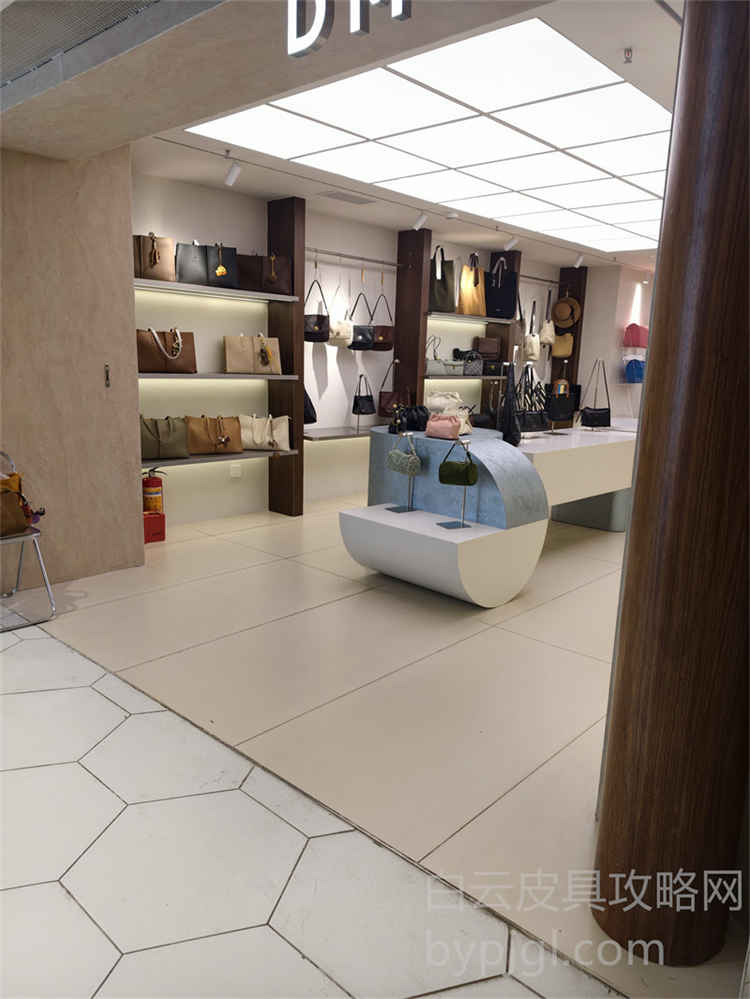
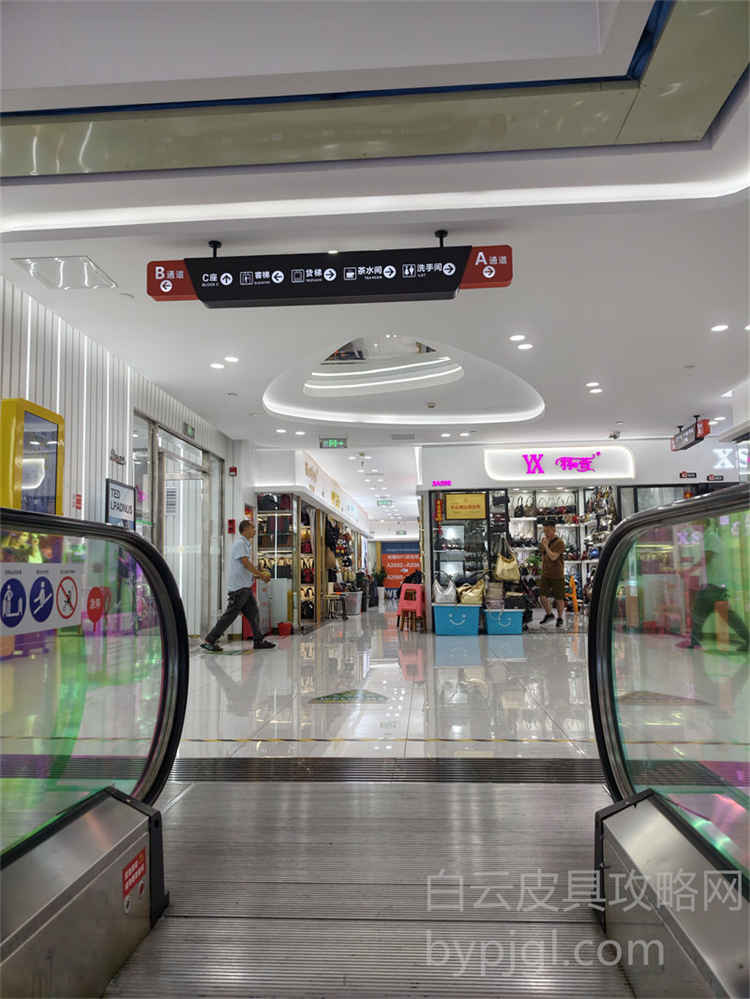
Most people think there is just one big market, but that is a mistake. The area around Baiyun International Leather City is a sprawling ecosystem. There is the main building with its polished floors and high-end showrooms, but right next door, you will find older structures wher the real wholesale action happens. These places are less glamorous but often hold better prices for bulk orders. When you arrive, do not get stuck in the lobby. Ask the security guard or a local vendor which building houses the specific style you need. Some buildings specialize in luxury-style leather goods, while others focus on canvas totes or backpacks. Knowing which building to enter saves you hours of walking.
Navigating the Stalls Without Getting Lost
once you step inside, the first thing you notice is the sheer density of inventory. Every stall is packed floor-to-ceiling with samples. This can be overwhelming if you do not know how to approach them. In my experience, the best way to start is to look at the quality of the stitching before you even speak. A good stall owner knows their craft. If the thread is loose or the glue is visible on the sample, move on immediately. Do not waste your time negotiating with someone who cannot produce decent work.
How to Talk to the Bosses
You will see many young assistants running around carrying boxes. They are not the decision-makers. To get the real price and the best advice, you need to find the person who owns the shop. Look for the older gentleman or woman sitting at the back of the store, often drinking tea or checking a ledger. Approach them politely and ask for the "wholesale catalog." Be clear that you are buying for resale. If you act like a casual shopper, they will give you retail prices, which are useless for your business. Use simple English terms like "MOQ" (Minimum Order Quantity) and "sample fee." Most owners here understand these concepts well because they deal with international clients daily.
Selecting the Right Products for Your Market
One of the biggest mistakes foreign buyers make is trying to copy exactly what they saw on social media. Trends change fast here. What was hot last month might be dead stock today. As a local seller, I advise you to look for versatility. Choose designs that fit multiple seasons and appeal to a broad demographic. The leather quality varies wildly across different stalls. Some use genuine cowhide, while others use high-grade PU that feels almost identical to the real thing. For a new buyer, I always suggest starting with a mixed order. Take five units of three different styles to test the market. This reduces your risk and helps you understand the supply chain better.
Checking the Details Before You Pay
Never pay for a full shipment without inspecting the goods yourself. When you are ready to buy, ask to see the "master sample." This is the final version that will be produced for your order. Check the zippers, the lining, and the hardware. Are the metal parts heavy or flimsy? Does the zipper glide smoothly? In Guangzhou, the difference between a $10 bag and a $50 bag often comes down to these small details. If the hardware tarnishes easily or the lining tears after one use, your customers will never return. Trust your hands more than your eyes. Touch the leather, smell the material, and pull on the straps. If it feels cheap, it is cheap.
The Art of Negotiation and Avoiding Scams
Negotiation is expected here, but it must be done respectfully. Start by asking for the best price for a large quantity. If they say no, offer to increase your order size slightly. The goal is to build a relationship, not to fight over a few dollars. Many scams happen when buyers try to pay via unsecured methods. Always insist on using a secure payment gateway or meet at a bank. Never transfer money directly to a personal WeChat account unless you have known the owner for years. Also, be wary of sellers who promise "top tier" quality at rock-bottom prices. If it sounds too good to be true, it usually is. The cost of materials does not lie.
Logistics and Shipping Out
once you have secured your goods, the next step is getting them out of China. Most stalls in Baiyun have relationships with freight forwarders who handle customs clearance and shipping to your country. Do not try to arrange this yourself unless you are an expert. Ask the stall owner for a recommendation. They know which companies are reliable and which ones might lose your package. Make sure you get a detailed packing list and a commercial invoice. This is crucial for clearing customs in your destination country. If the paperwork is wrong, your goods could get stuck at the border for weeks.
Building Long-Term Relationships
The secret to success in Guangzhou is not finding the cheapest bag once; it is finding a partner who grows with you. Return to the same stall owner every season. Show them your sales data and tell them what your customers liked or disliked. They will adjust their production accordingly. In this industry, loyalty pays off. A good supplier will hold stock for you during peak seasons and alert you to new trends before anyone else. Treat them with respect, bring them gifts occasionally, and treat them as friends, not just vendors. That is how you survive and thrive in the competitive world of leather goods sourcing.







 On-site Visits
 Free Sharing
 Avoid Scams
 Updated Frequently
 For Reference Only