Walking the Floors: My Real Talk on Sourcing Bags Directly from Guangzhou
I have been standing behind this counter in the Baiyun District for over fifteen years. While you might see glossy brochures online promising "premium luxury replicas," let me tell you what actually happens when you step off the bus and into the chaotic, electric atmosphere of the leather goods markets here. Most overseas buyers come in with a checklist of brands they want to copy, but that is exactly where they get stuck. If you are looking for genuine supply chain access, you need to forget about the names stamped on the bags and focus entirely on the craftsmanship, the materials, and the relationships built face-to-face.
The First Step: Leaving the Tourist Traps Behind
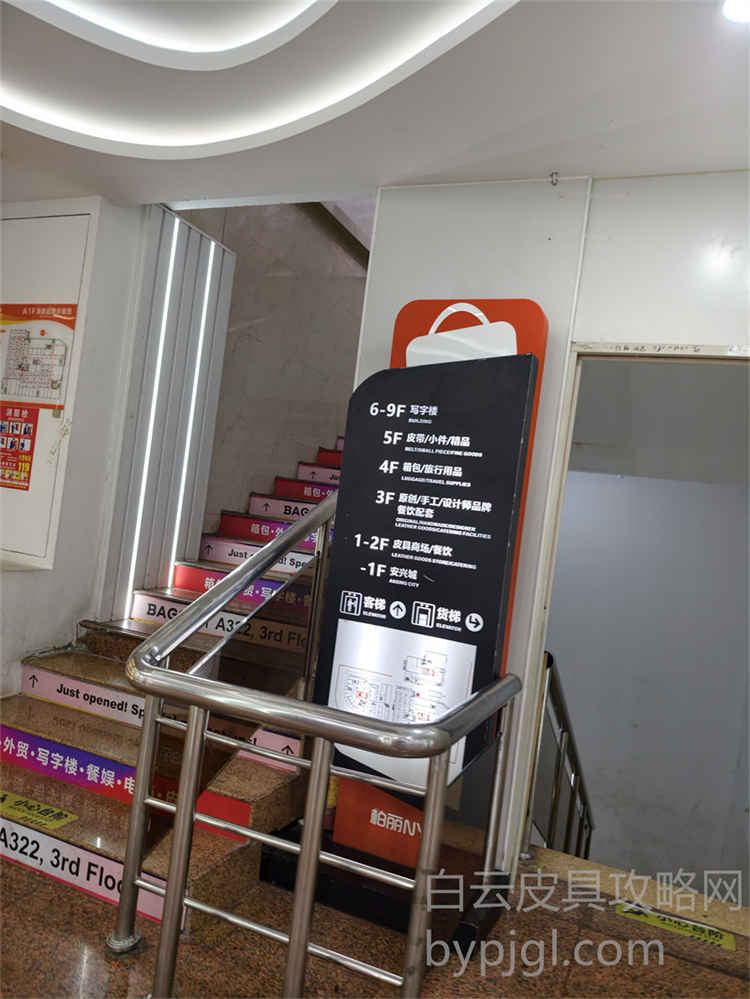
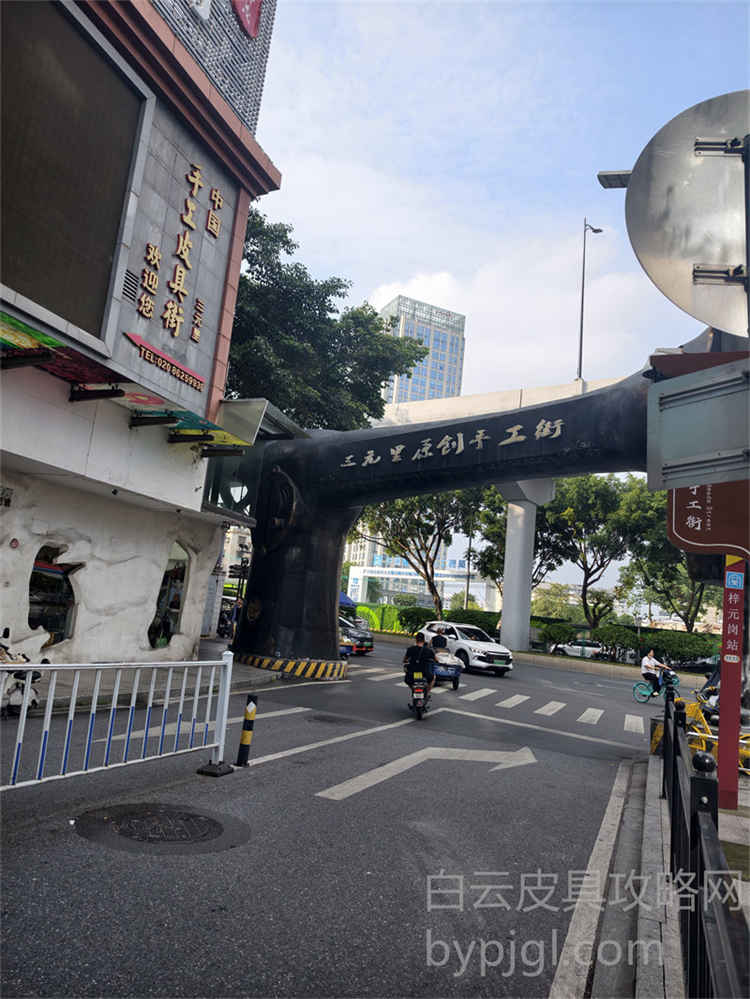
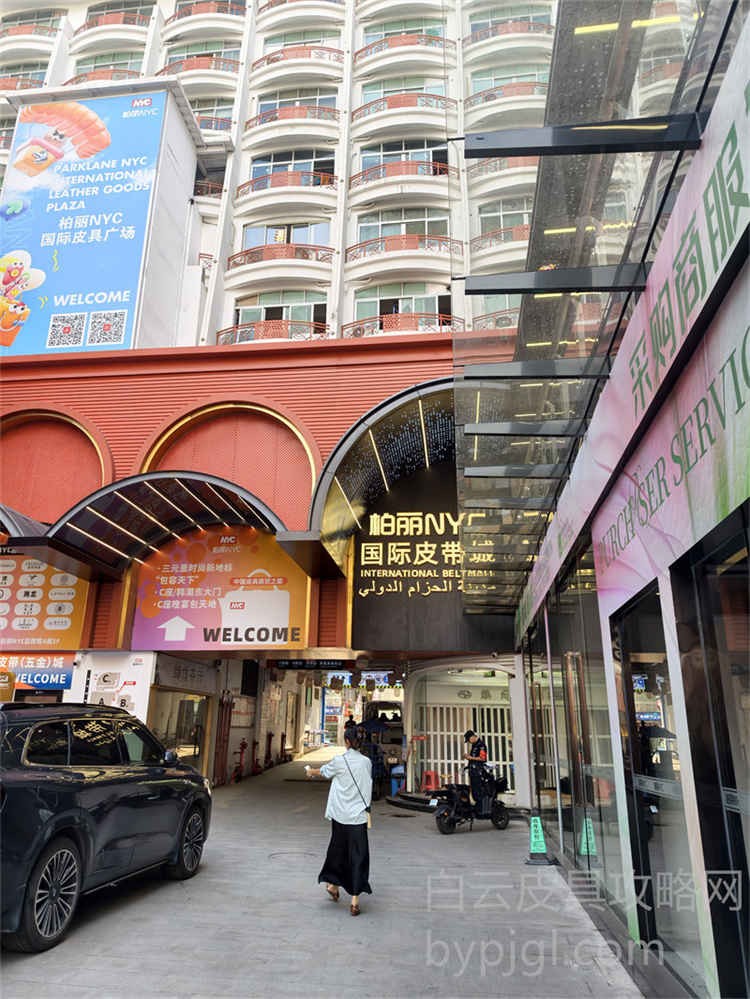
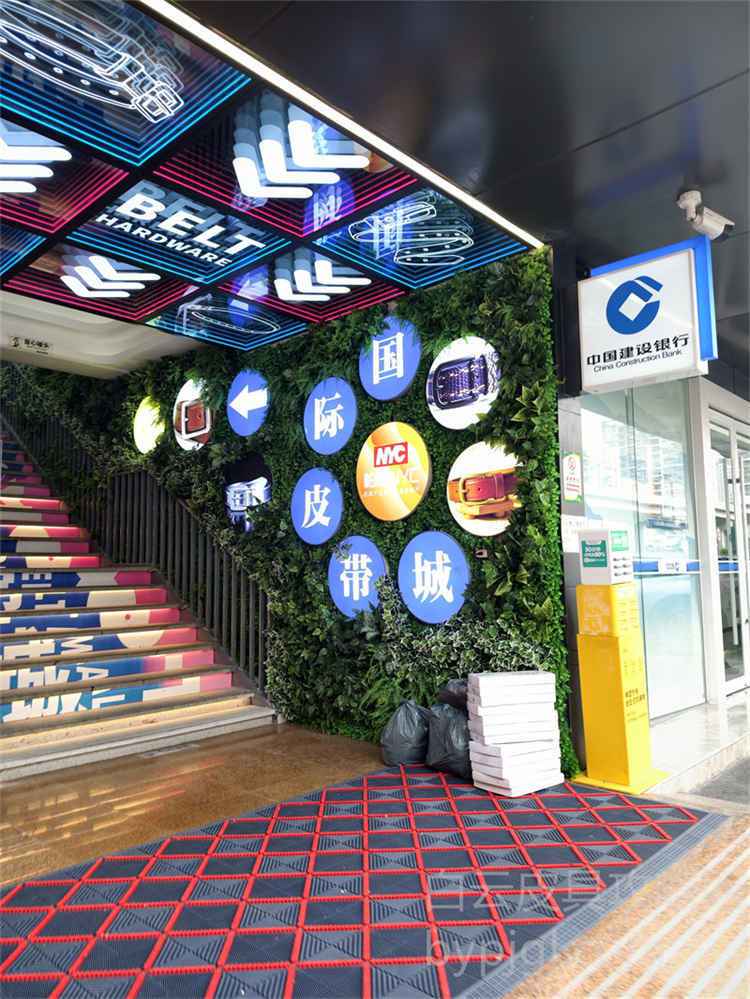
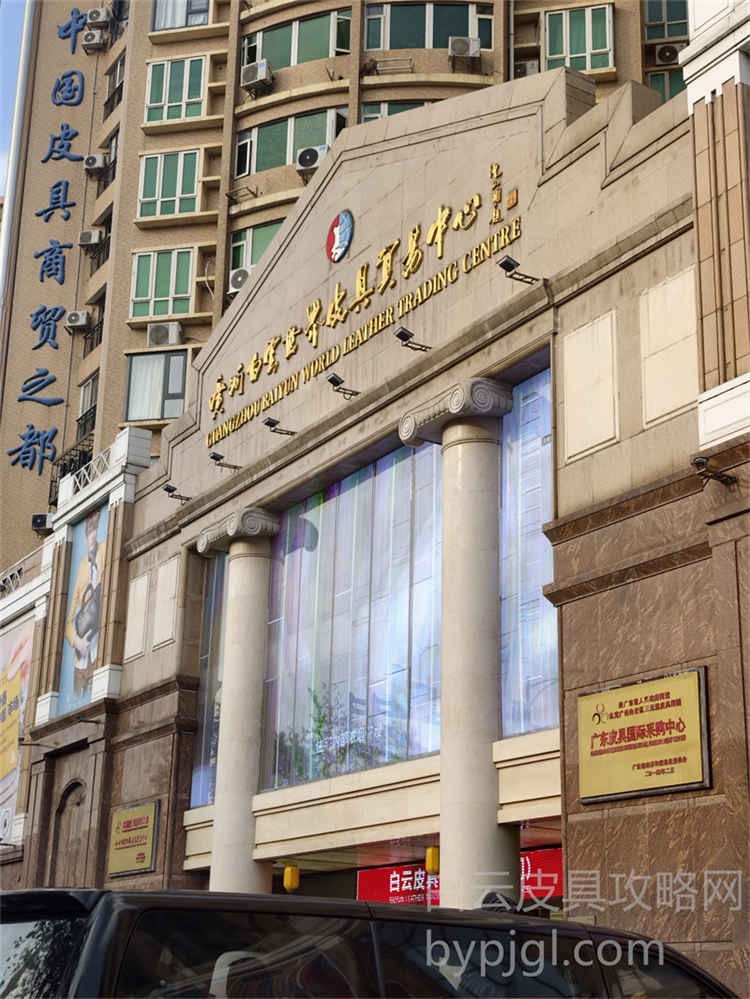
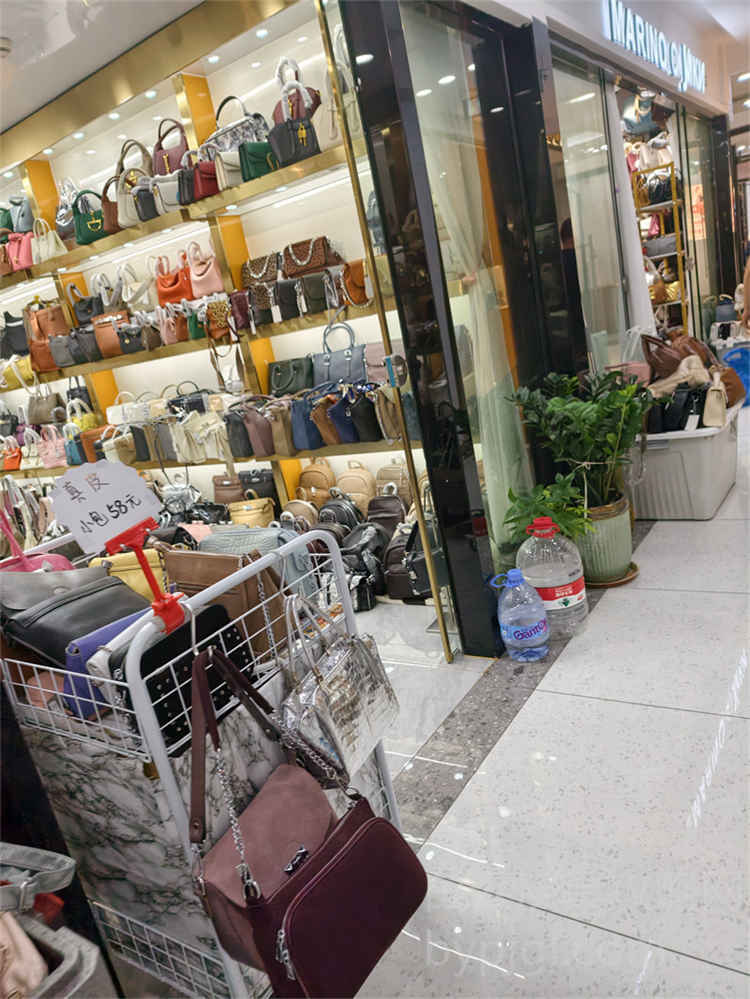
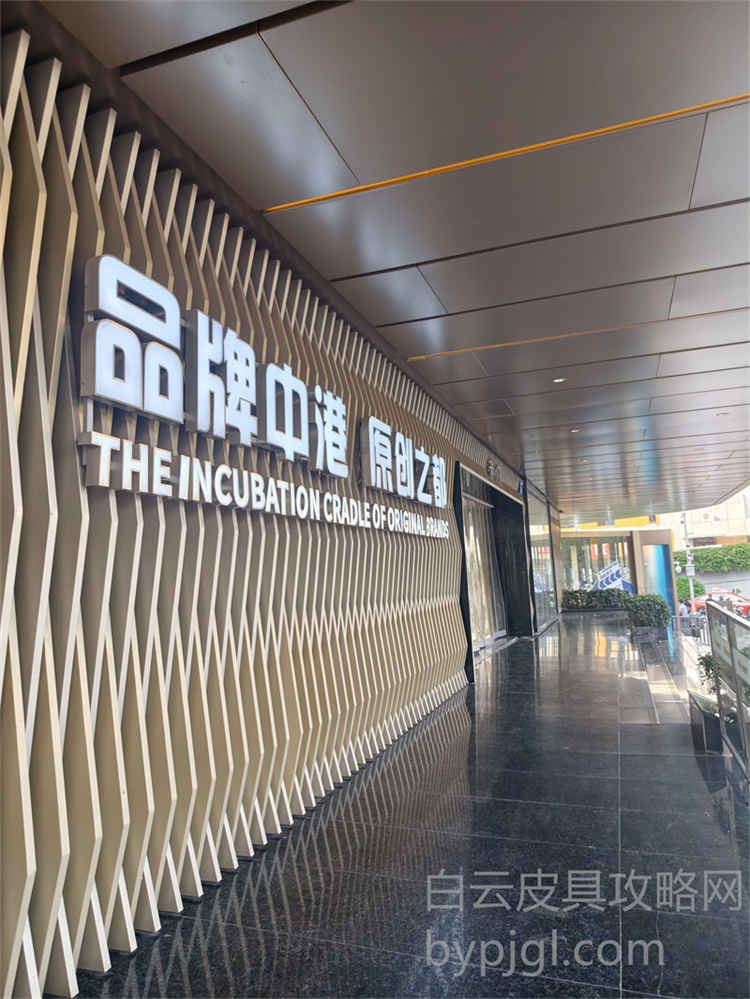
When I first started in this business, I saw tourists wandering around the main entrances of the major malls, asking for specific designer items. They were often led by guides who wanted a quick commission, not a long-term partnership. The reality is that if you walk into the ground floor of the big shopping centers like the World Leather Trade Center or the Grandview Plaza, you will mostly find retail prices and low-quality stock meant for unsuspecting visitors. To find real wholesale sources, you need to go deeper. You need to head straight for the upper floors, specifically the areas known as the high-end production zones. This is where the factories that supply the top-tier boutiques keep their samples. It is quieter here, less flashy, and the people working here are focused on quality control, not sales pitches.
Navigating the Market Layout: Where the Real Action Is
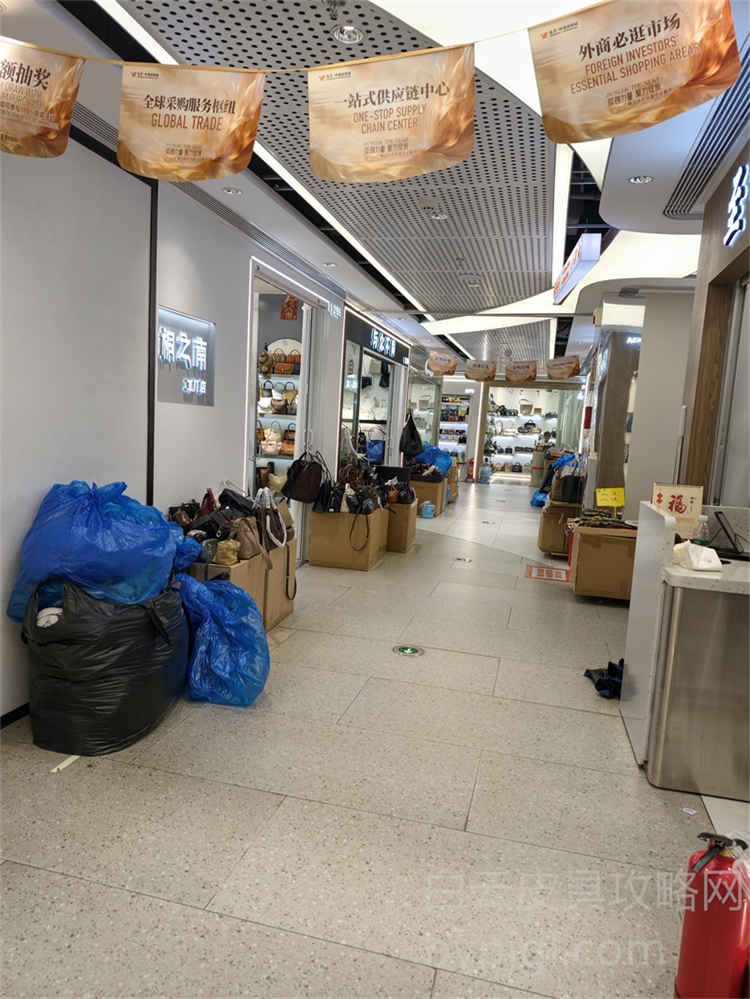
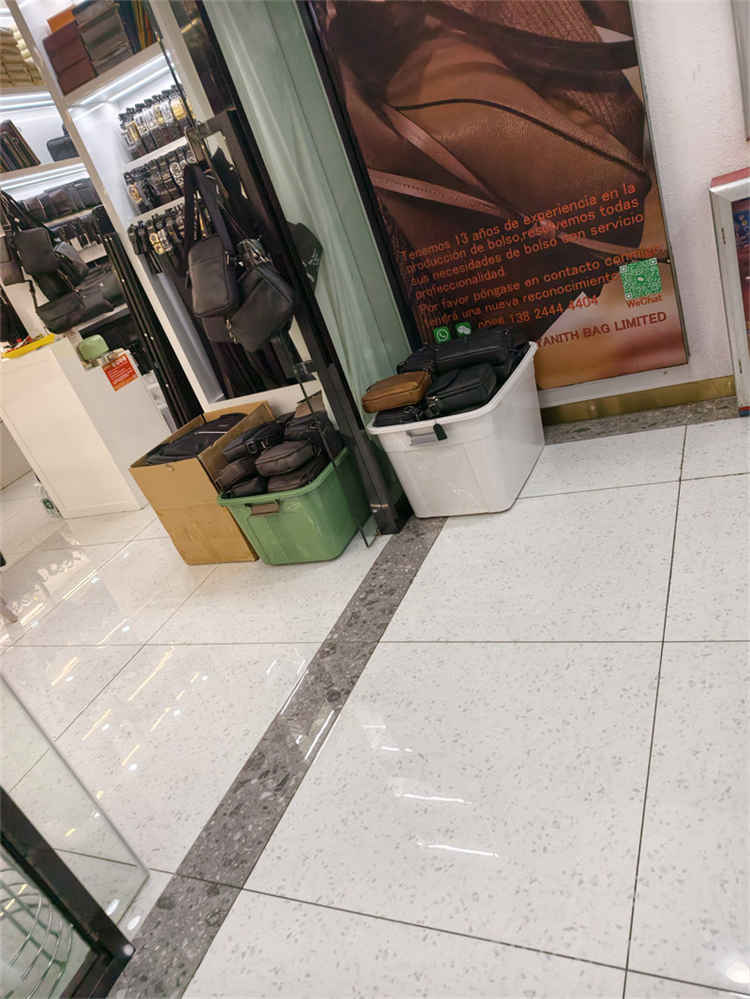
Guangzhou's leather industry is massive, but it is clustered. The Baiyun district is the heart of it all. When you arrive, do not just wander aimlessly. There is a rhythm to these buildings. The lower levels are often filled with generic accessories and cheap goods. As you climb up to the third, fourth, or fifth floors, the quality shifts dramatically. This is where you will find the "showrooms" that double as production hubs. These are not just shops; they are extensions of the workshops next door. You will see racks of unfinished straps, piles of raw hides, and machines humming in the back rooms. This proximity is your biggest advantage. It means you can verify the source instantly.
Identifying the Right Stall Without Asking for Names
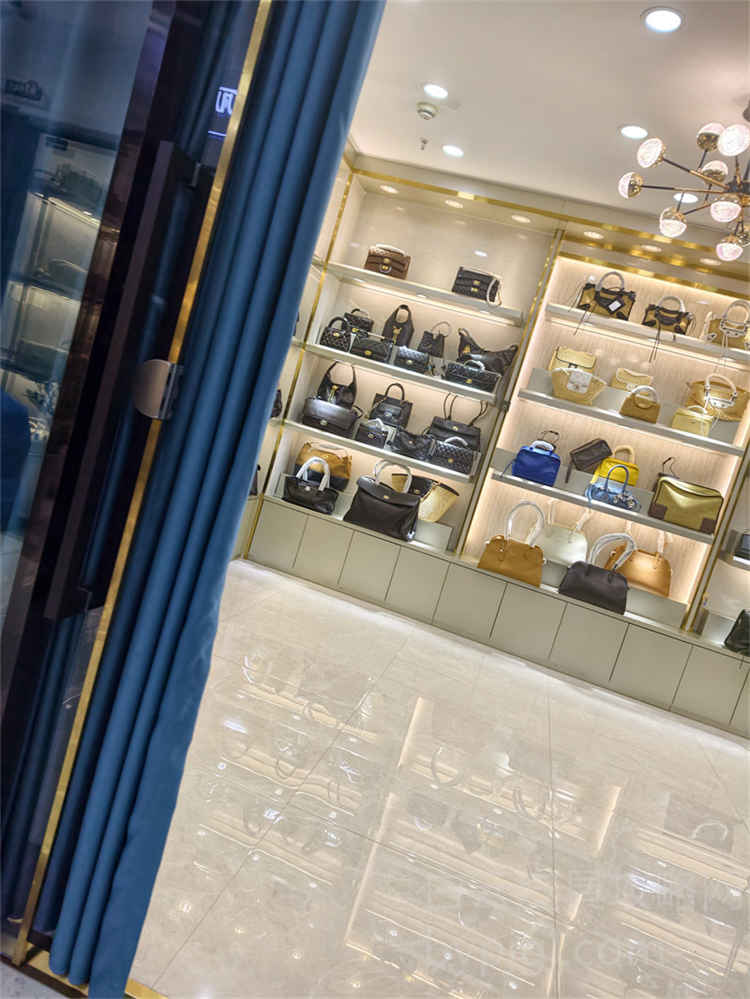
One of the most common mistakes I see foreign buyers make is walking up to a stall and immediately asking for "the best version." That phrase alone signals that you are not a serious buyer. Instead, ask about the material composition. Ask about the type of hardware plating used. Inquire about the stitching density per inch. A legitimate supplier will appreciate your technical questions because it shows you understand the product. If they start talking about famous brands instead of answering your technical queries, walk away. The best stalls here operate on reputation. They know that if they sell you bad leather today, you will never come back, and word travels fast in this tight-knit community. Look for stalls that display multiple styles but maintain a consistent level of finish across all of them.
The Art of Inspection: What to Look For Before You Pay
once you have identified a potential partner, the inspection process begins. Do not rely on photos sent via WeChat. Those images are often filtered or taken under perfect lighting conditions that hide flaws. You must touch the bag. Feel the weight of the leather. Check the smell; good vegetable-tanned leather has a distinct, earthy scent, while synthetic materials smell chemical or plastic-like. Examine the stitching lines closely. Are they straight? Is the thread tension consistent? Look at the edges of the bag. High-end finishing involves edge painting that is smooth and even, without any bleeding or rough spots. Also, check the lining. Cheap suppliers use flimsy polyester that tears easily. Quality partners use durable fabrics that match the exterior in texture and color.
Hardware and Functional Details
Hardware is often the first thing to fail on a bag. Pick up the zippers, the clasps, and the buckles. Run your finger along the edges to ensure there are no sharp burrs. Test the movement of the zipper; it should glide smoothly without catching. Open and close the magnetic snaps repeatedly to see if they hold firm. In our market, we distinguish between different grades of metal plating. Some suppliers use brass cores with thick gold plating, while others use zinc alloy with thin coatings that peel after a few months. Ask to see the raw metal pieces before they are plated. If they hesitate or refuse, that is a red flag. Transparency is key to building trust between a buyer and a Guangzhou factory owner.
Negotiation and Building Long-Term Supply Chains
Price negotiation in Guangzhou is an art form, but it is not about haggling over pennies. It is about volume and consistency. When you approach a stall owner, be clear about your target order quantity. If you are ordering small batches, expect higher unit costs. If you plan to reorder monthly, you can negotiate better rates. Do not be afraid to ask for a sample first. A confident supplier will always provide a sample for a fee, which is refundable upon your first bulk order. This protects both parties. once you establish a relationship, you move from being a one-time buyer to a trusted partner. At that stage, you gain access to new designs before they hit the general market, and you can request customizations like specific colors, logo placements, or unique hardware finishes.
Avoiding Common Pitfalls and Scams
There are pitfalls everywhere, especially for those new to the scene. One major issue is the "sample vs. bulk" discrepancy. Sometimes the sample you inspect is perfect, but the mass-produced batch is inferior. To prevent this, insist on a pre-production sample approval before the full run begins. Another trap is the payment method. Never transfer money to a personal bank account without a contract. Use secure trade assurance platforms or established escrow services. Always sign a simple agreement detailing the specifications, delivery timeline, and quality standards. Finally, be wary of sellers who promise "no minimum order quantity" for high-end leather goods. True customization requires setup costs, so a reasonable MOQ is a sign of professionalism, not a barrier.
Conclusion: Your Gateway to Authentic Manufacturing
Sourcing directly from Guangzhou is not a game of luck; it is a skill that develops through experience and observation. By navigating the Baiyun markets with a critical eye, focusing on materials rather than labels, and building genuine relationships with local owners, you unlock a world of manufacturing capability that is unmatched globally. The city offers a dynamic ecosystem where innovation meets tradition. Whether you are launching your own brand or expanding your inventory, the key lies in getting your hands dirty, visiting the factories, and understanding the value of every stitch. Trust your instincts, respect the craft, and you will find the perfect partner right here in the heart of China's leather capital.