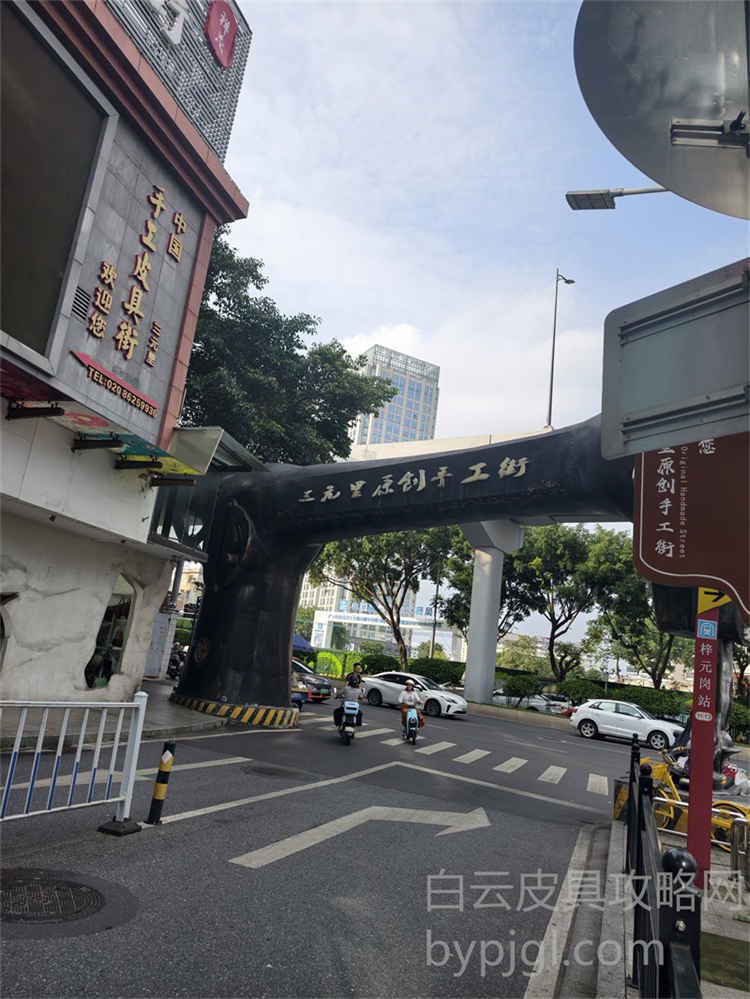
Walking the Floors: My Real Talk on Sourcing Bags in Guangzhou
I have been standing behind this counter for over fifteen years, watching the dust settle and rise again in the bustling corridors of Baiyun. If you are reading this from overseas, thinking you can just hop on a plane and walk into a factory to get "the best," let me stop you right there. The world of second-hand luxury sourcing here is not what you see in movies or read on glossy blogs. It is gritty, it is loud, and it is entirely about relationships. When I talk about Guangzhou second-hand source bags, I am talking about the specific ecosystem that exists within these concrete buildings where the air smells like leather glue and old money.
The Myth of the "Factory" vs. Reality of the Market
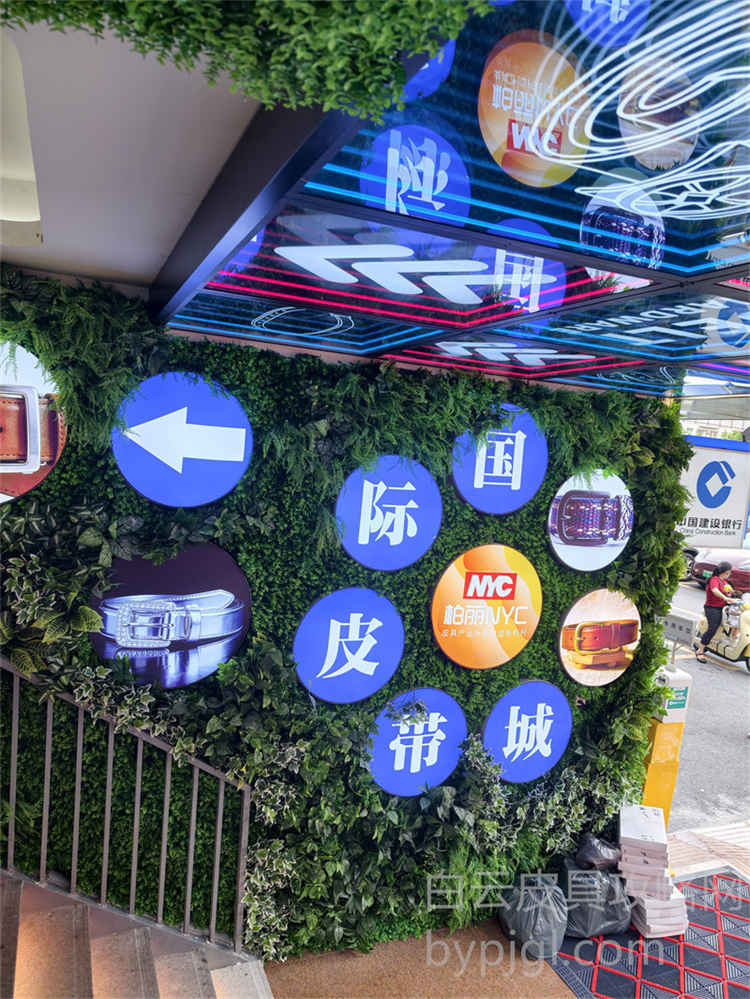
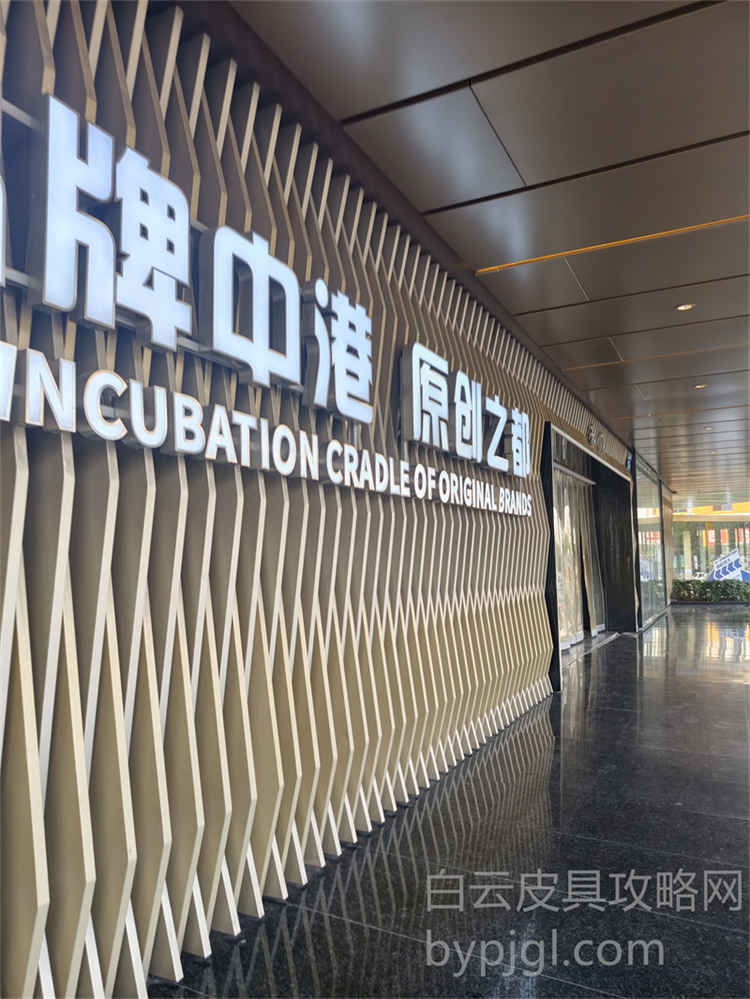
Most people think they need to find a factory to get good stock. In my experience, the real action happens in the wholesale markets, specifically around the Baiyun Leather City area. You will see signs everywhere claiming to be factories, but ninety percent of them are just showrooms attached to small workshops. The actual heavy lifting happens between the stalls. When I meet with buyers from Europe or America, I always tell them to forget about the word "factory." Instead, focus on finding the "source stall." These are the places where the inventory turns over fastest. They are the ones who know exactly which styles are moving out of the city and which ones are sitting on the racks gathering dust.
Navigating the Labyrinth: Where to Actually Look
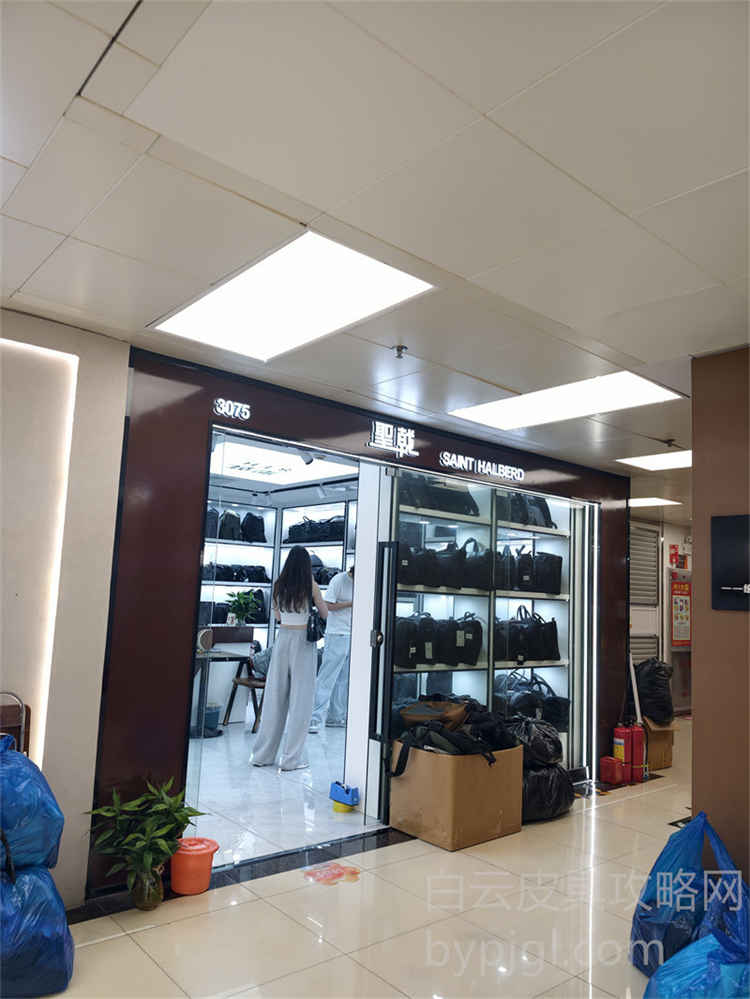
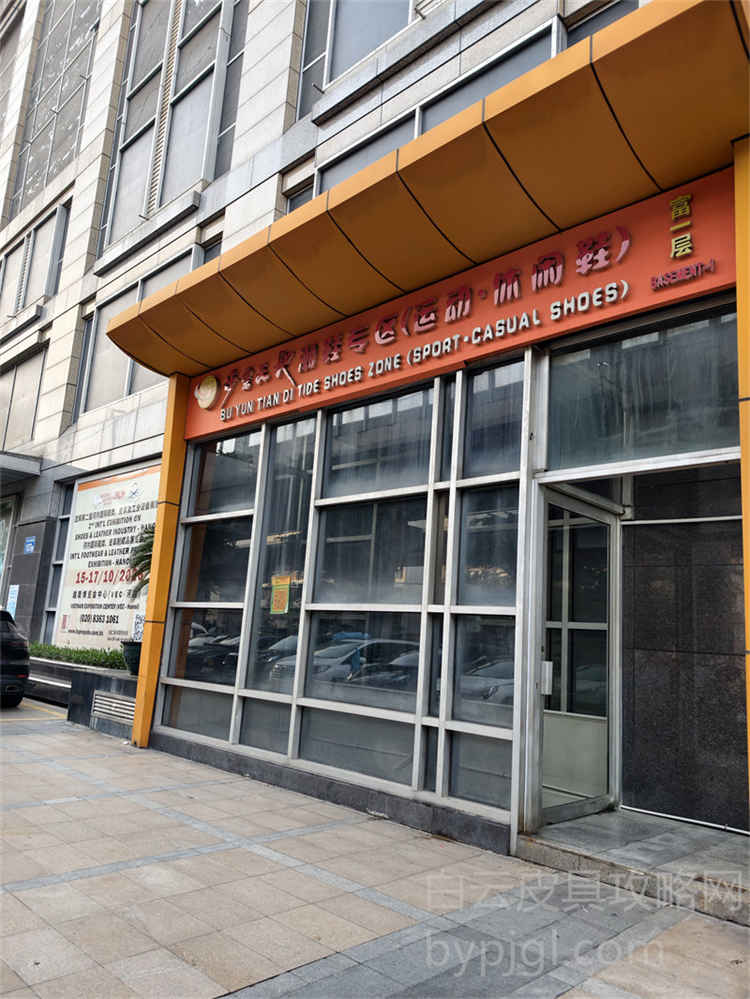
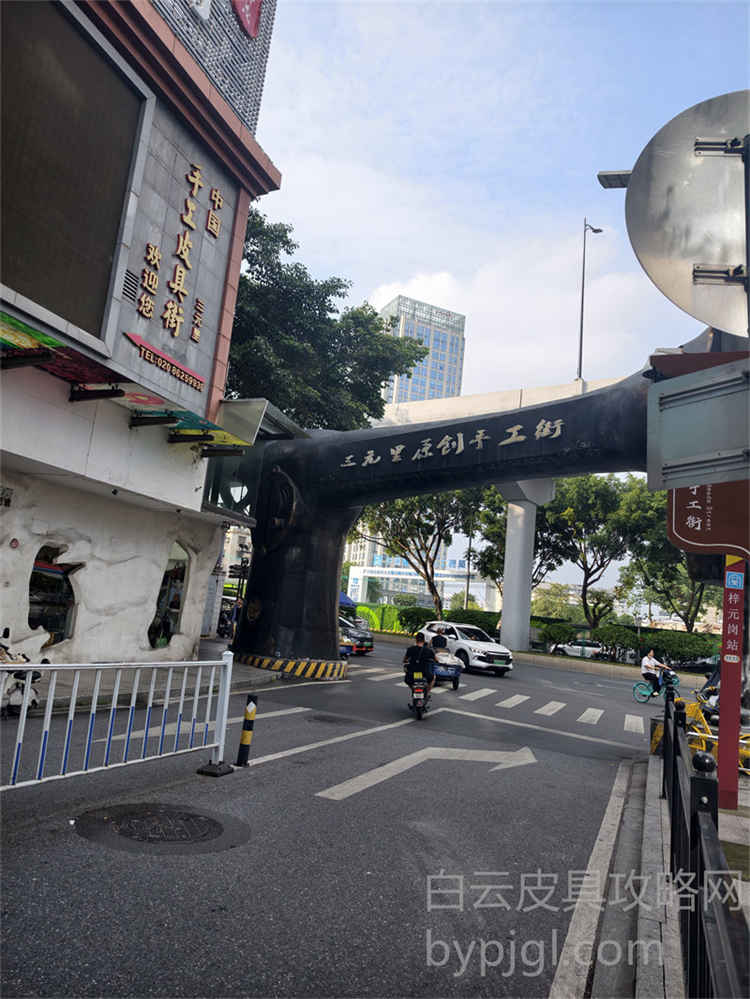
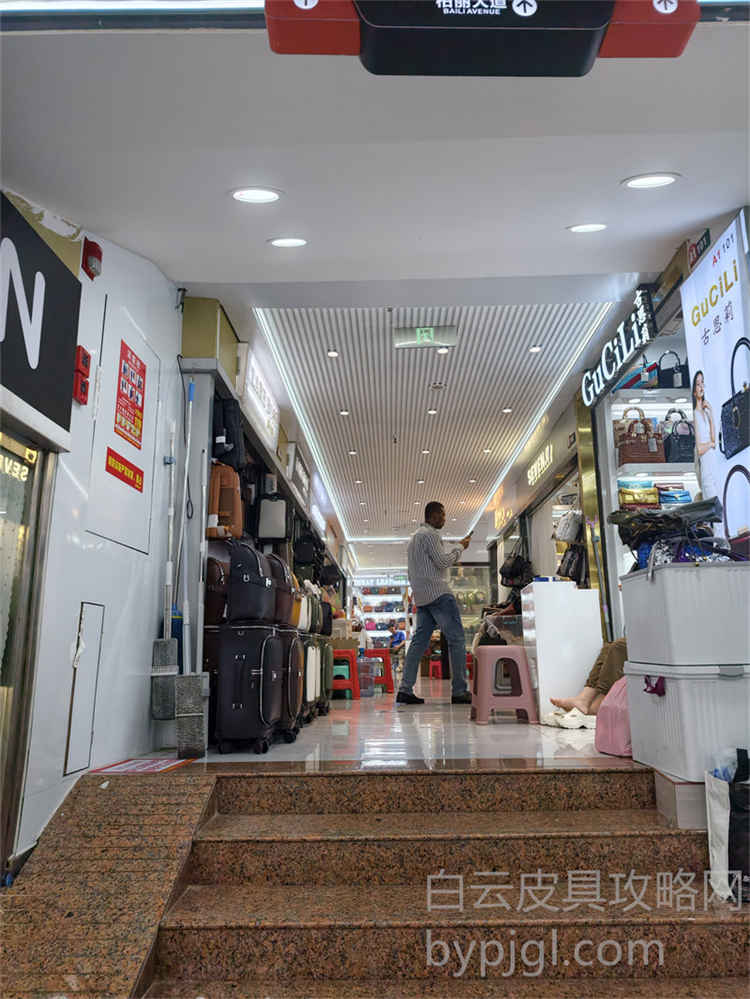
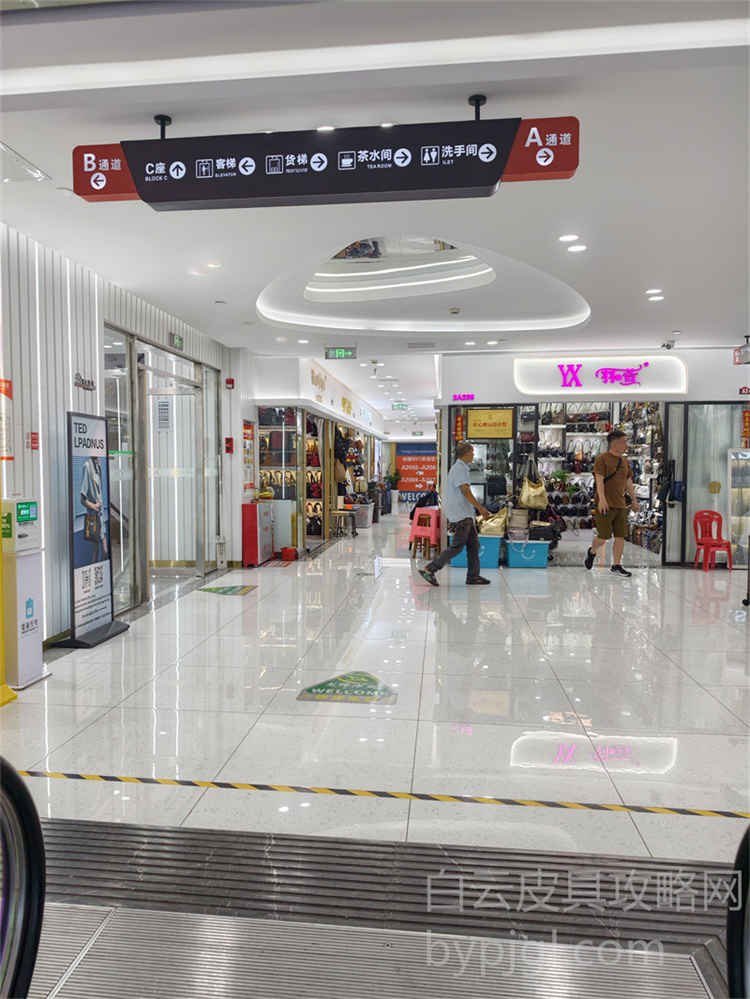
If you step off the bus at the Baiyun station, do not look at the main street. That is for tourists and first-timers. The real goods are tucked away in the older sections of the market, the ones that haven't been renovated yet. The newer buildings are too clean; they lack the history. I take my clients to the back alleys of the district where the lighting is dimmer and the floors are scarred. This is where the serious traders operate. You will see stacks of boxes piled high, some open, some sealed. This is the visual language of volume. If a stall looks too neat, the prices will be too high. If it looks chaotic, that is usually where the deals are hidden.
Reading the Room Before You Speak
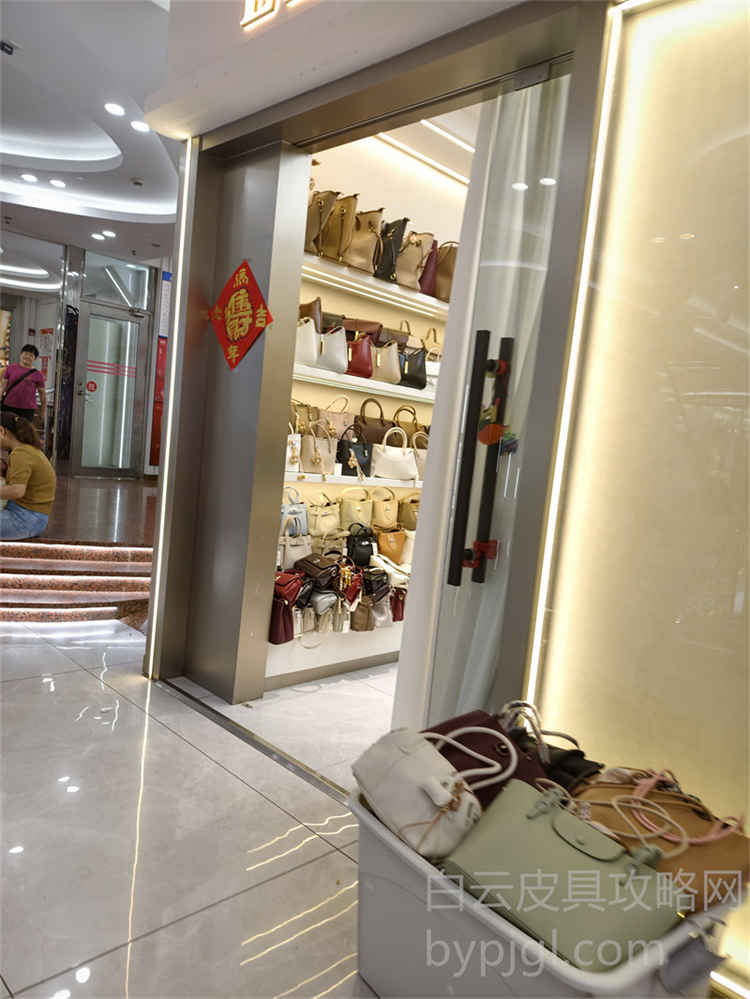
When you enter a stall, your eyes should be doing the work before your mouth does. Do not ask for the catalog immediately. Catalogs are often outdated or filled with items that are no longer available. Instead, scan the shelves. Look at the condition of the handles, the way the zippers sit, and the dust on the display models. A seasoned seller knows that if the display bags are pristine, the stock inside is likely brand new and expensive. If the display bags show wear, the stock might be pre-loved or returned items, which is exactly what we are hunting for. This subtle observation tells me everything I need to know about the quality tier and the price point before I even say hello.
The Art of Inspection: Touch, Smell, and Feel
Here is the part that separates the amateurs from the pros. online photos lie. They always lie. In Guangzhou, you cannot buy anything without touching it. When I inspect a bag, I do not just look at the stitching. I feel the weight of the hardware. Is it cold? Does it feel solid or hollow? I run my fingers along the edges to check for uneven gluing. I smell the leather. Real leather has a distinct scent that synthetic materials simply cannot mimic, no matter how hard they try. If it smells like chemicals or plastic, walk away. Even if the seller claims it is top-tier, the nose never lies.
Checking the Interior and the Hardware
once the exterior passes my test, I flip the bag inside out. I check the lining for any stains, loose threads, or signs of previous repairs. In the second-hand market, a bag might look perfect from the outside but have a torn strap inside or a broken zipper mechanism. I also tap the metal clasps. A dull thud means cheap alloy; a sharp ring indicates brass or steel. I pay close attention to the serial numbers and authenticity cards, not because I trust them blindly, but because their presence (or absence) tells me the story of the bag. If the card is missing but the bag is flawless, I know it was likely a return or a sample. If the card is present but the bag is damaged, I know it was a customer return due to a defect. Both scenarios require negotiation.
Negotiation and Building Trust
This is where the magic happens. In the West, you negotiate based on price. Here, you negotiate based on relationship. I do not start by asking for the lowest price. I start by asking about the history of the item. How long has it been in the shop? Who bought it last? Why is it being sold now? This shows the seller that I am a professional, not a tourist looking for a bargain. once they realize I understand the product, the conversation shifts. We talk about volume, about repeat orders, and about building a pipeline. The best deals are not found in the initial quote; they are found after three or four rounds of discussion when the seller realizes you are going to come back next month.
Handling the Payment and Logistics
Never pay cash unless you are holding the bag in your hand. In this market, trust is currency, but it must be earned through process. I always insist on a deposit followed by a balance payment upon final inspection. For international buyers, we use secure transfer methods that offer protection. Shipping is another beast entirely. Many sellers claim they can ship anywhere, but the reality is that customs regulations vary wildly. I always advise my clients to check their local laws regarding imported leather goods before we finalize the deal. We pack the bags carefully, using bubble wrap and sturdy boxes, ensuring they survive the journey across the ocean without getting crushed or wet.
Avoiding the Traps: What to Watch Out For
There are traps everywhere in Baiyun. One common trick is the "bait and switch." You pick a beautiful bag, agree on a price, and then the seller says, "Oh, this one is sold, but I have a similar one." That similar one is usually inferior. Another trap is the "rush job." Sellers will pressure you to buy quickly, claiming a special discount that expires in an hour. Never fall for this. Take your time. Walk out of the stall if you feel pressured. There are hundreds of other stalls down the hall. The market is vast, and patience is your greatest weapon.
Building Your Own Network
Finally, do not rely on a single contact. The market changes daily. Styles go out, suppliers disappear, and new trends emerge. I maintain a network of five or six trusted contacts in different sections of the market. Some specialize in vintage pieces, others in modern classics. By diversifying my sources, I ensure that I always have fresh inventory to offer my clients. This is the secret to staying in business for fifteen years. It is not about knowing one person; it is about knowing the pulse of the entire district.
So, if you are planning your trip to Guangzhou to source bags, leave your preconceived notions at home. Come with an open mind, sharp eyes, and a willingness to learn. The streets of Baiyun are full of stories, and if you listen closely, they will guide you to the best deals. This is not just a transaction; it is an immersion into a culture of craftsmanship and commerce that has existed for decades. Go out there, touch the leather, and make your own connections.