Walking the Floors: My Real Talk on Sourcing from Guangzhou
I've been standing behind a counter in Baiyun since before the subway lines even reached this district. While you might see flashy ads online promising "perfect quality" or "top tier," those are just marketing fluff designed to get clicks. I'm not here to sell you a dream; I'm here to tell you what actually happens when you walk into the wholesale markets of Guangzhou. If you are an overseas buyer looking for high-end leather goods, you need to understand that the real value isn't in the brand name you can't use, but in the craftsmanship, the leather grade, and the relationship you build with the stall owner.
The First Step: Getting Your Bearings in Baiyun
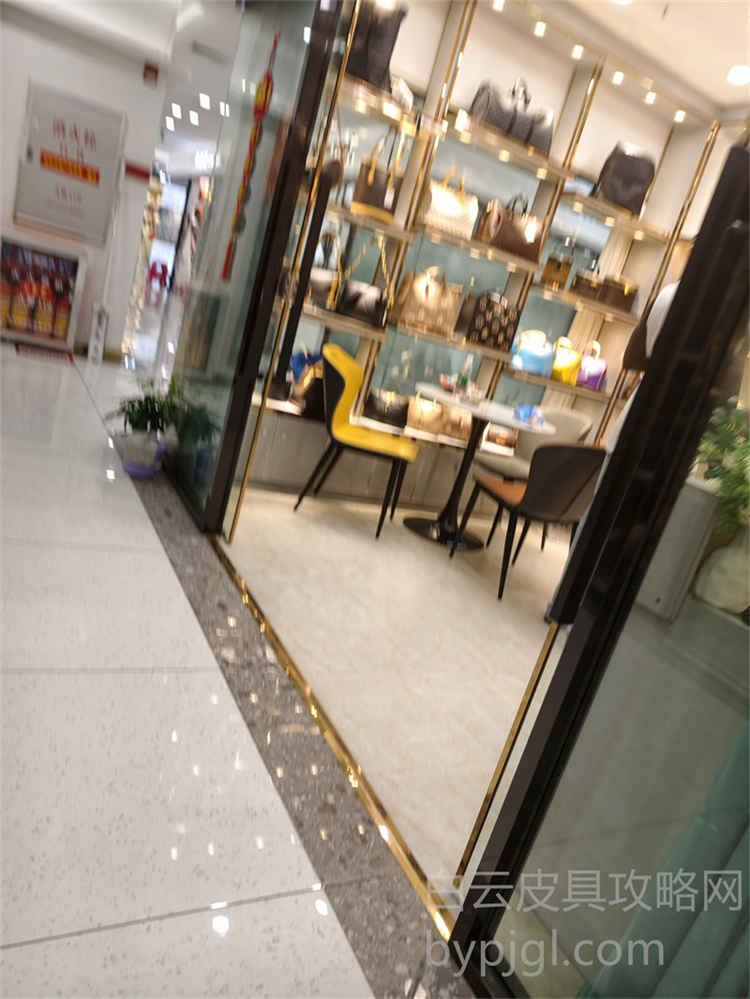
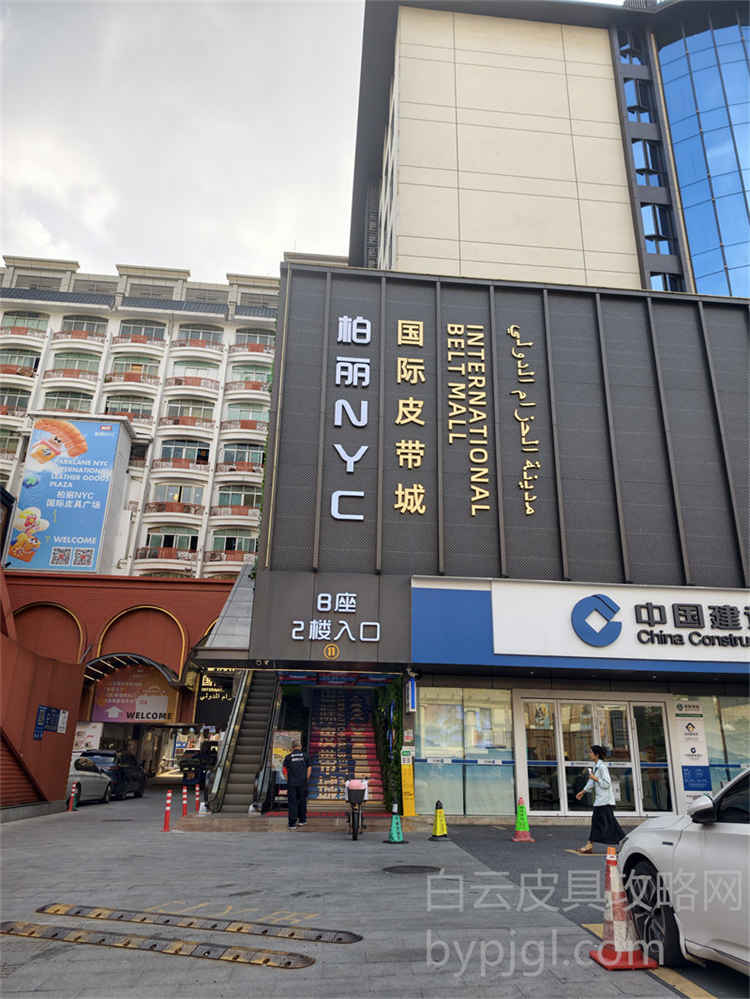
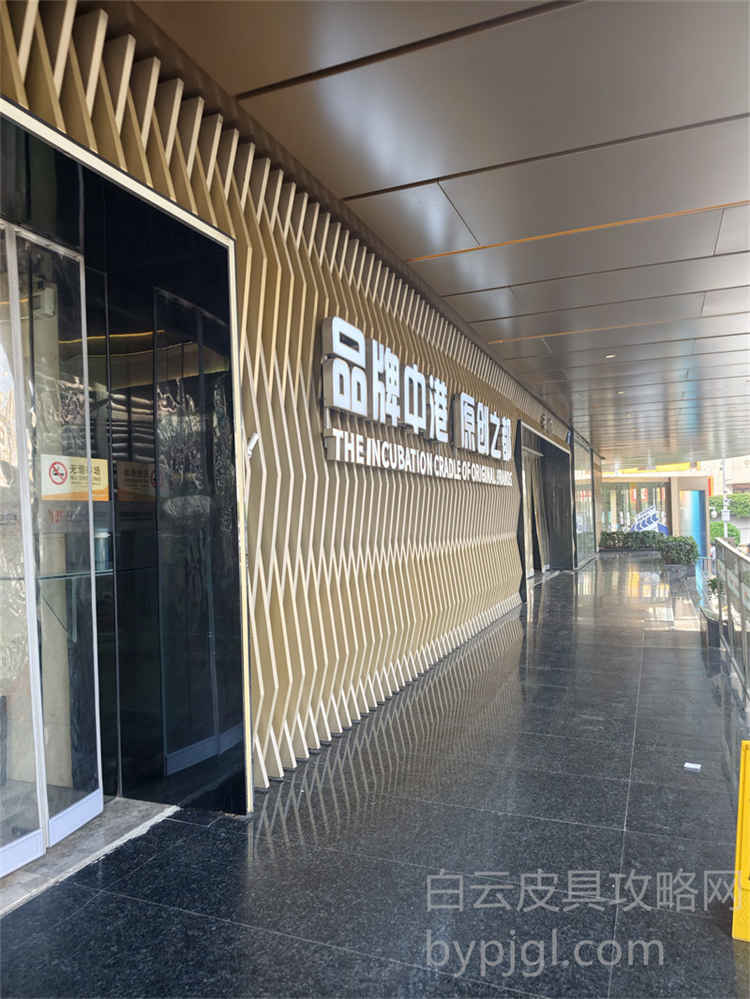
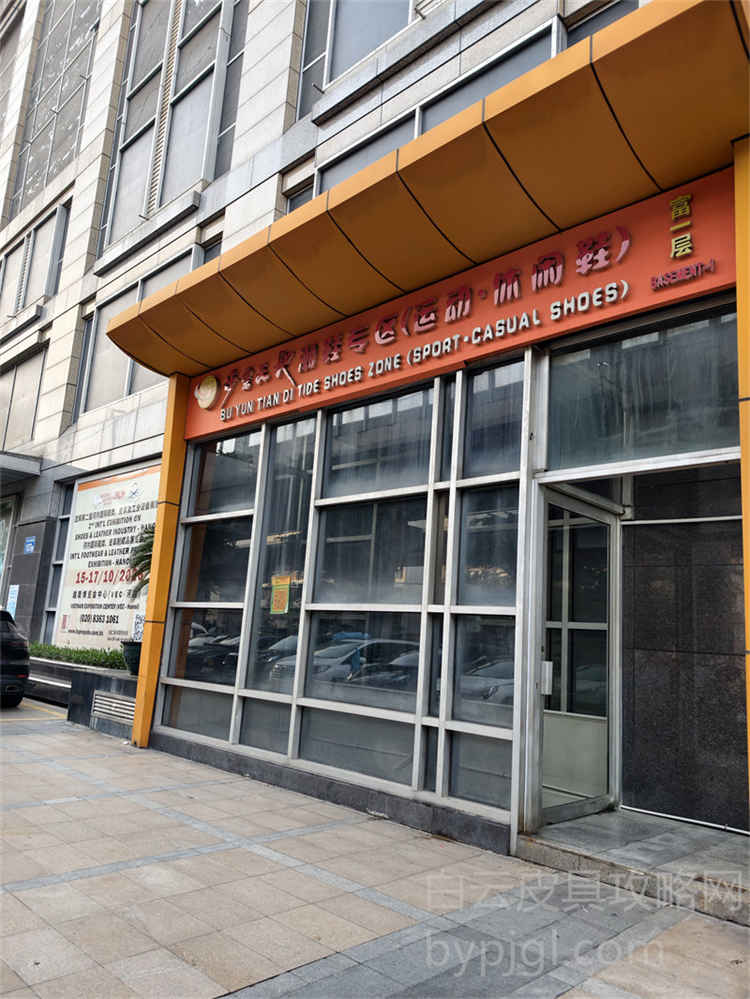
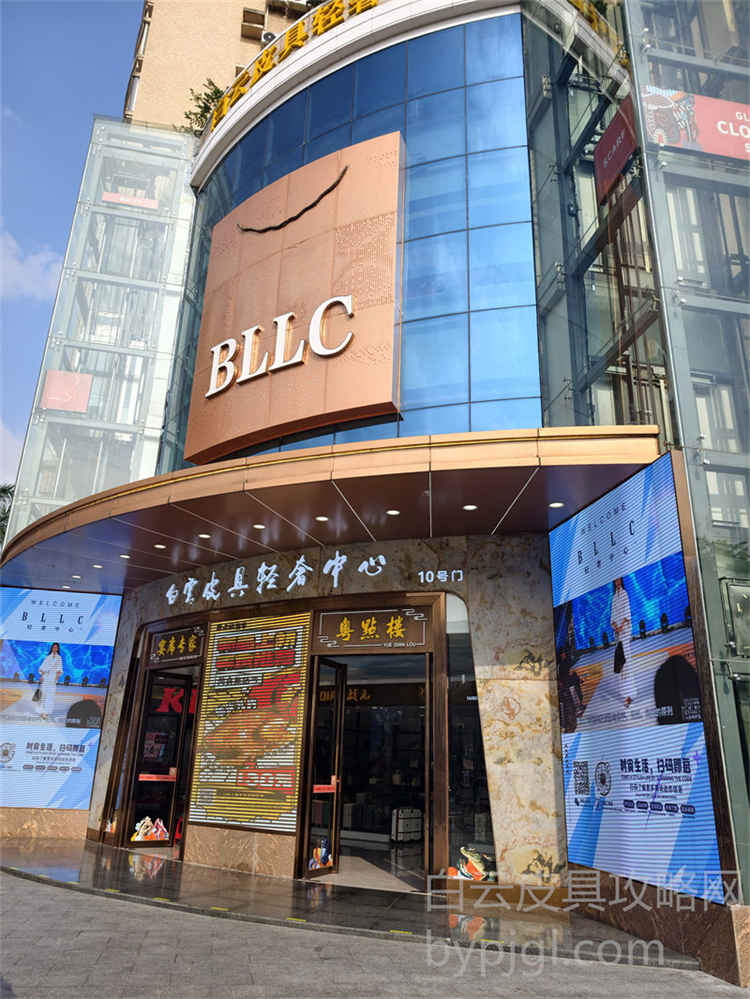
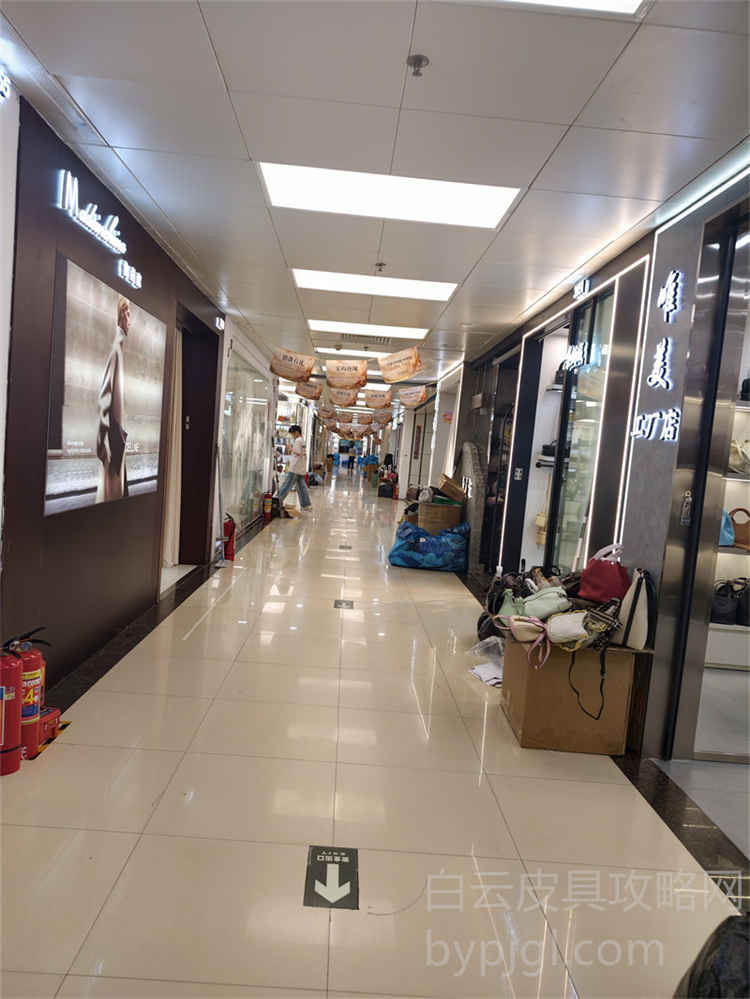
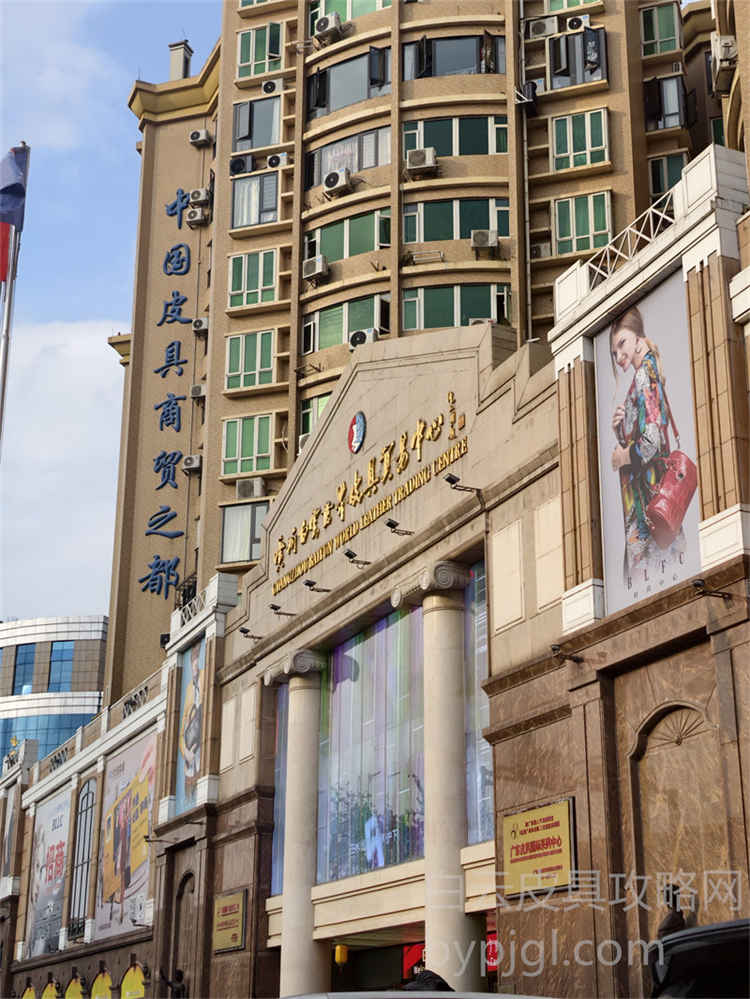
Most people think they can just walk into any building and find the best stuff. That is a mistake. The market is a maze of buildings like World Trade Center, Zhongda, and Jiuhua. Each has its own vibe and price point. When I first started, I wasted weeks wandering around the lower-quality stalls just to learn where the serious manufacturers were hiding. You want to go straight to the upper floors of the major complexes. The ground floor is often filled with tourists and low-end knockoffs meant for street vendors. The real action, the heavy hitters who supply the big boutiques globally, operate on the second, third, or fourth floors. They don't advertise loudly; they wait for you to know where to look.
Navigating the Selection Process Without Brand Names
You cannot walk up to a stall and ask for a specific luxury bag by its famous initials. That will get you laughed out of the room or worse, ignored completely. In my decades of experience, I've learned that communication is key. We talk about the style code, the hardware weight, the stitching count per inch, and the type of calfskin used. A good stall owner knows exactly which mold corresponds to the design you are describing without needing a logo. This is how we keep things professional and safe for everyone involved.
Reading the Leather and Hardware
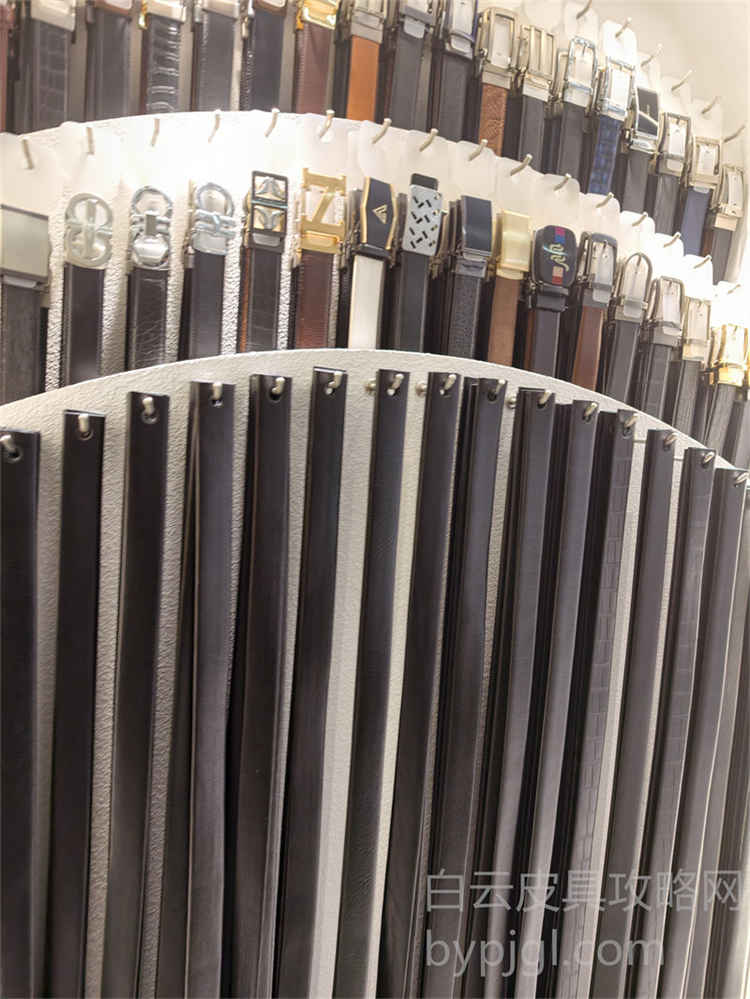
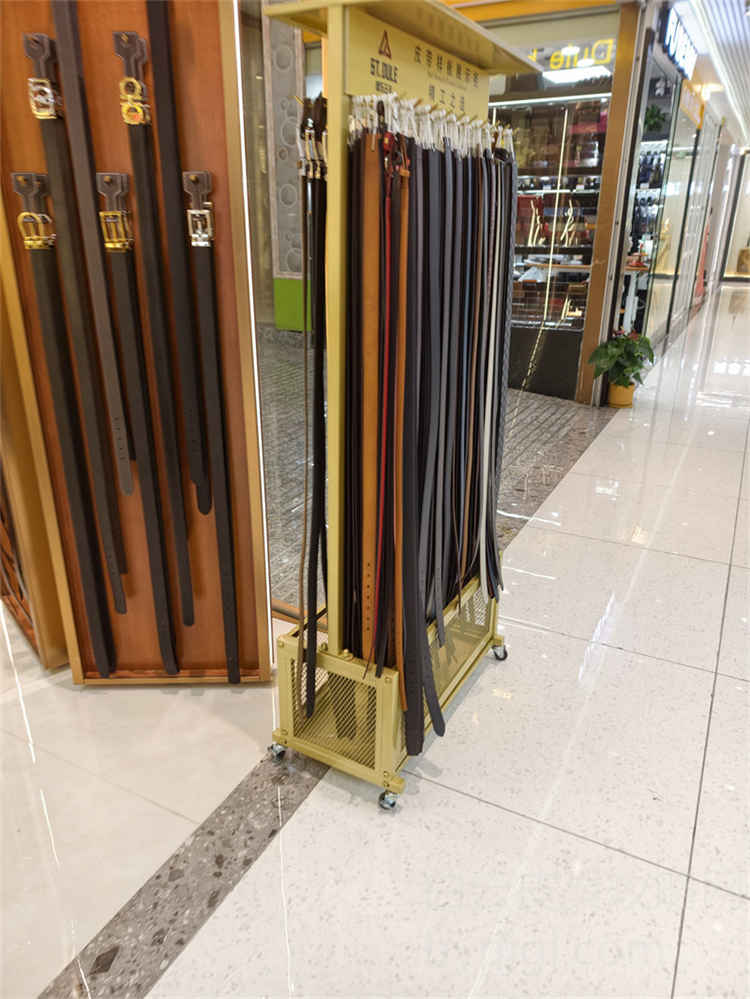
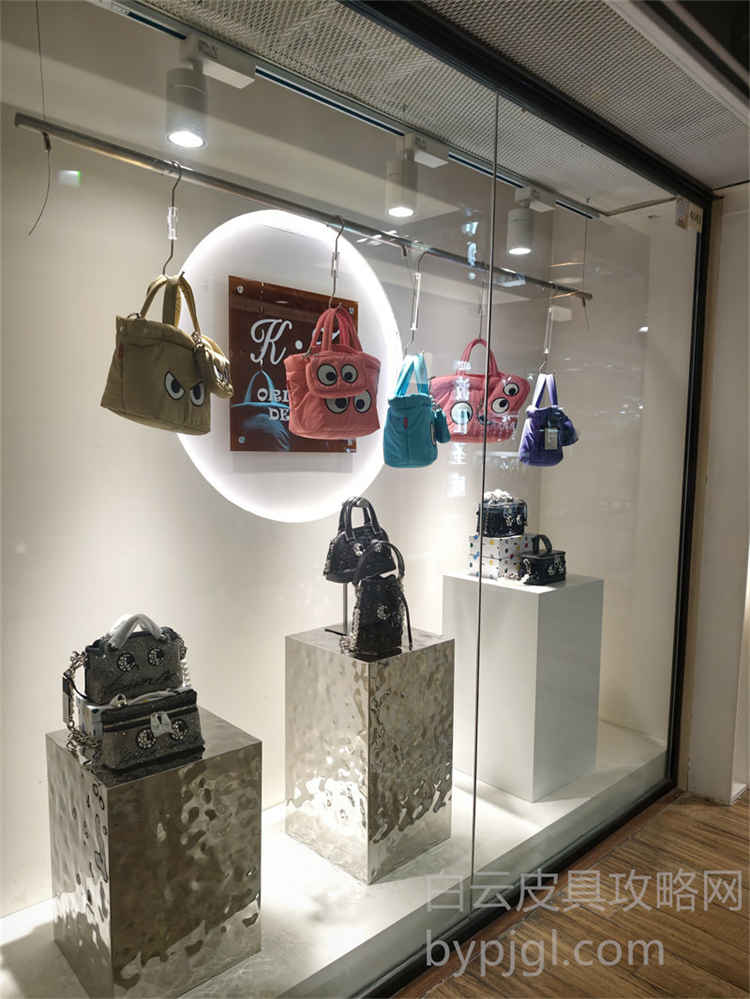
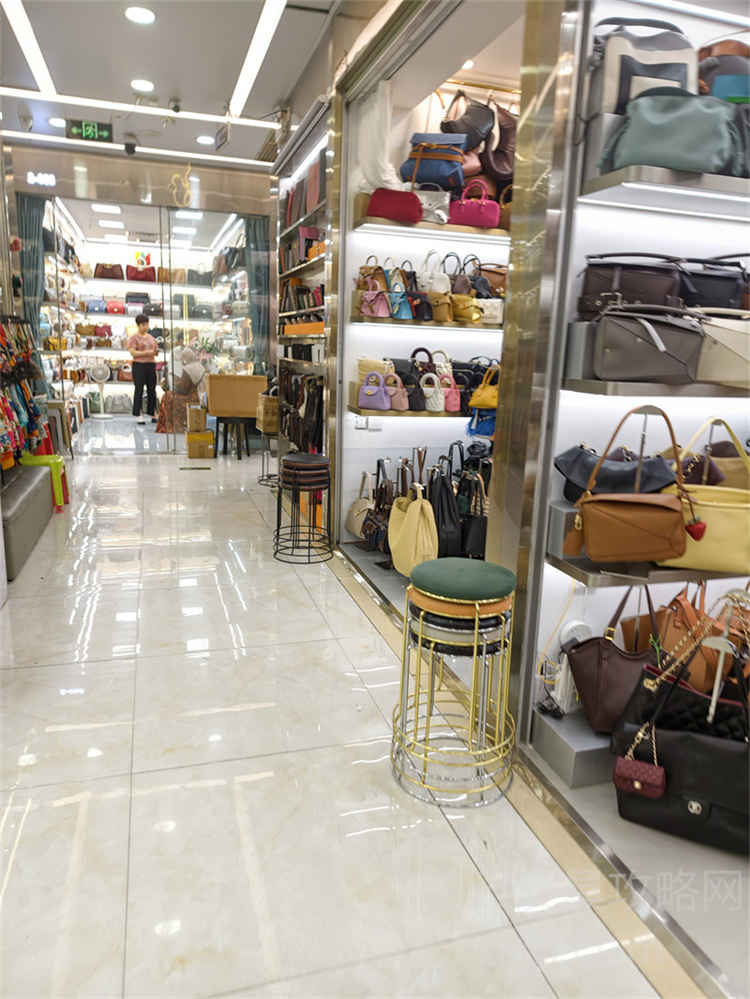
When you are standing at a booth, your eyes should be on the material, not the label. High-grade leather feels cool to the touch and has a distinct, natural smell. Cheap synthetic materials feel sticky or have a chemical odor. I always tell my buyers to run their fingers along the grain. If it looks too perfect and uniform, it's likely a printed surface rather than genuine hide. Then there is the hardware. Zippers should glide smoothly, and clasps should have a solid, heavy weight. If the metal feels light and hollow, it will tarnish within months. We source our zippers from top-tier suppliers, ensuring they match the durability of the leather itself.
The Art of Negotiation and Building Trust
Price is never fixed in these markets. It depends entirely on your volume and your relationship with the vendor. If you walk in as a one-time buyer asking for a single piece, you will pay the retail markup. But if you show up with knowledge, speak confidently about the specifications, and indicate you are looking to build a long-term partnership, the game changes. I treat every customer like a potential partner. We discuss the MOQ (Minimum Order Quantity), the lead time, and the payment terms. Transparency is the only way to survive in this industry.
Understanding the Tier System
One thing that confuses many overseas buyers is the concept of different quality tiers. In Baiyun, we categorize products based on the precision of the workmanship and the cost of materials. There is the standard version, which is good for everyday use, and then there is the ultra-premium version that uses the exact same leather suppliers and molds as the original factories. When you are negotiating, be clear about which tier you need. Don't try to buy the premium version at the standard price; no honest seller will give you that. Instead, focus on getting the best value for your budget. Ask to see samples of both tiers so you can feel the difference yourself.
Inspection and Quality Control Before Shipping
This is where most people fail. They order online based on photos, receive the goods, and realize the stitching is off or the color is wrong. As a local veteran, I insist on a strict inspection process before anything leaves the warehouse. For large orders, we recommend hiring a third-party inspector or visiting the factory personally. If you are buying directly from a stall, ask to see the finished product under bright lights. Check the symmetry of the handles, the alignment of the pattern, and the cleanliness of the interior lining. Any defect, no matter how small, should be addressed immediately. We stand behind our products because we know that a bad reputation spreads faster than good news in this city.
Logistics and Shipping Considerations
once the goods pass inspection, the next challenge is getting them to you safely. Shipping from Guangzhou to international destinations requires careful packaging to prevent damage during transit. We use reinforced boxes and protective wrapping for the bags. Customs regulations vary by country, so it is crucial to understand the import laws of your destination. Many buyers make the mistake of declaring the wrong value or mislabeling the contents, which leads to seizures. Work with a reliable freight forwarder who specializes in leather goods. They will help you navigate the paperwork and ensure your shipment arrives without issues.
Final Thoughts on Sourcing Locally
Buying from Guangzhou is not a quick fix; it is a process that requires patience, research, and a bit of luck. The market is vast, and the competition is fierce, but the opportunities are endless for those who know how to navigate it. By focusing on the quality of the materials, the skill of the artisans, and the integrity of the business relationships, you can find incredible products that rival anything found in high-end department stores. Remember, the best deals aren't found in the flashiest ads, but in the quiet corners of the market where the real work gets done. Come down, walk the floors, and trust your instincts. That is the only way to succeed in the world of leather sourcing.