Walking the Floors: What I Actually See When Buyers Ask about "Hidden" Markets
Look, I've been standing behind this counter in Guangzhou for over fifteen years. You think you can just walk into a secret warehouse and find the "best stuff" without knowing the rules? That's a movie plot, not reality. When people ask me about "undercover investigations" into high-end leather goods here, they usually have a very specific, often romanticized idea of what happens. They imagine sneaking around back alleys with hidden cameras. But the truth is way more interesting, and honestly, way more practical if you want to build a real business.
The biggest myth is that there is some magical, illegal zone where the quality is perfect and the prices are dirt cheap. In my experience, the "high-quality" market isn't hidden; it's just layered. If you come here looking for a shortcut, you will get ripped off. The real game is understanding the ecosystem of Baiyun District. This isn't about finding a single shop; it's about navigating a massive network of showrooms, factories, and trading floors. Let me tell you how we actually operate when serious buyers from overseas come to visit.
The Real Ground Zero: Beyond the Main Showroom Floor
Navigating the Hierarchy of Wholesale Centers
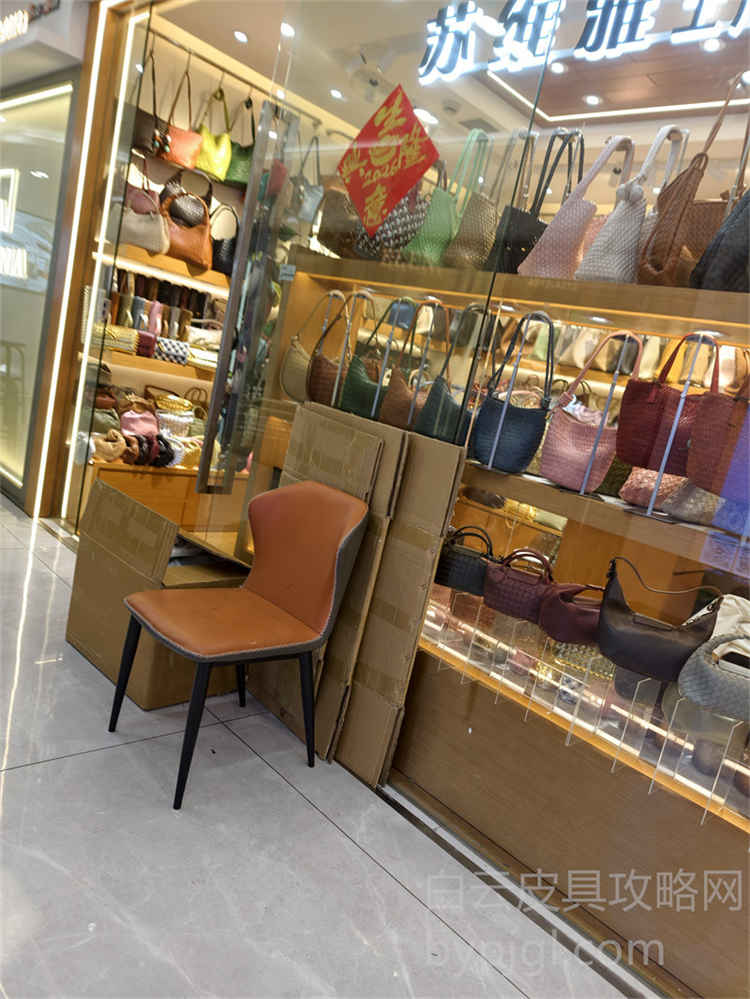
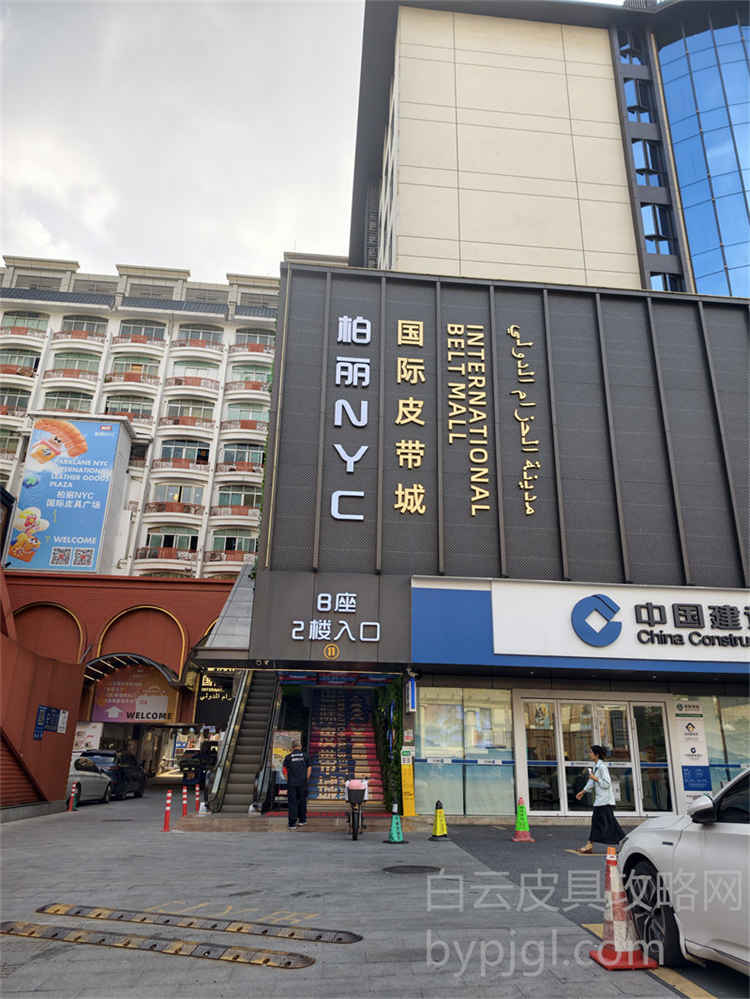
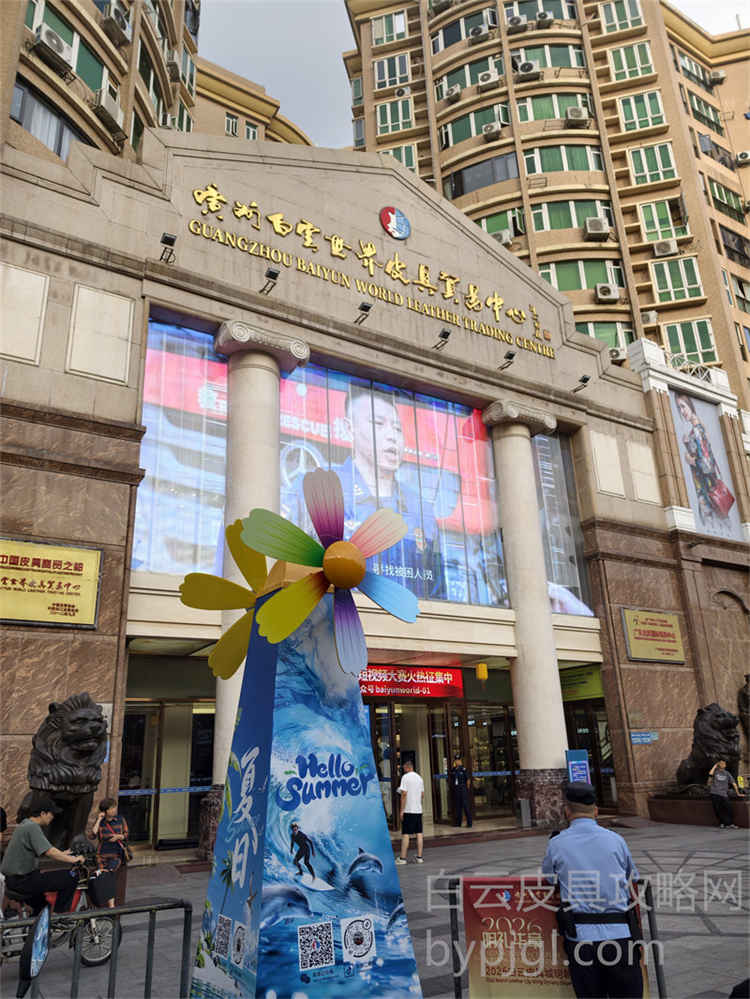
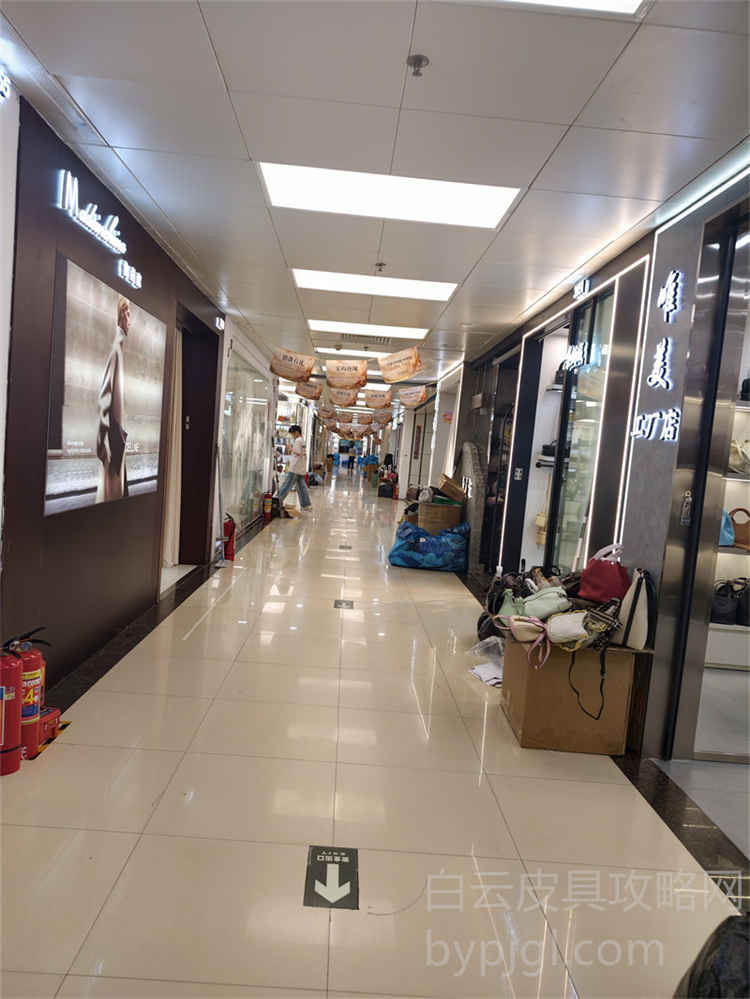
First things first, forget about the fancy malls on the main streets. Those are for tourists and small-time resellers who pay retail prices disguised as wholesale. When I take a client to see the actual production lines, we head straight for the deeper sections of the Baiyun Leather City complex. There are buildings here that look like ordinary office blocks from the outside, but inside, they are packed floor-to-ceiling with samples.
You need to know which building holds which tier of product. Some floors are dedicated to mass-market items, while others house the top-tier craftsmanship. A seasoned buyer knows that the best pieces aren't always on the front display racks. We go to the back rooms, the ones with the heavy steel doors. These are the private showrooms where the real deals happen. You don't just walk in; you need an introduction or a reputation. That's why having a local partner like me is crucial. We don't hide anything; we just filter out the noise so you can focus on the quality.
Reading the Room: How to Spot the Serious Sellers
When you step into these back offices, the vibe changes immediately. The air smells like leather and glue, not perfume. The staff won't try to upsell you on a $50 bag. They will ask you direct questions: Who is your target market? What volume do you move monthly? Are you looking for consistency or one-off novelty?
If a seller starts talking about "designer names" or tries to use buzzwords to impress you, run. The real manufacturers here are proud of their stitching, their hardware, and their leather sourcing. They talk about the weight of the zipper pull, the grain of the calfskin, and the durability of the lining. They don't care about copying logos; they care about replicating the construction techniques that make a bag last ten years. This distinction is vital. If you are looking for ethical manufacturing that respects intellectual property while delivering premium quality, you will find it here, but only if you speak the language of craftsmanship, not copycats.
The Art of Selection: From Sample to Shipment
Touching the Material: The only Way to Verify Quality
There is no substitute for physical inspection. Photos can be edited, lighting can be manipulated, but you cannot fake the feel of genuine Italian or French leather. When we sit down at the table, I teach my clients to run their hands over the surface. Is it soft? Does it smell right? Does the color bleed when you rub it?
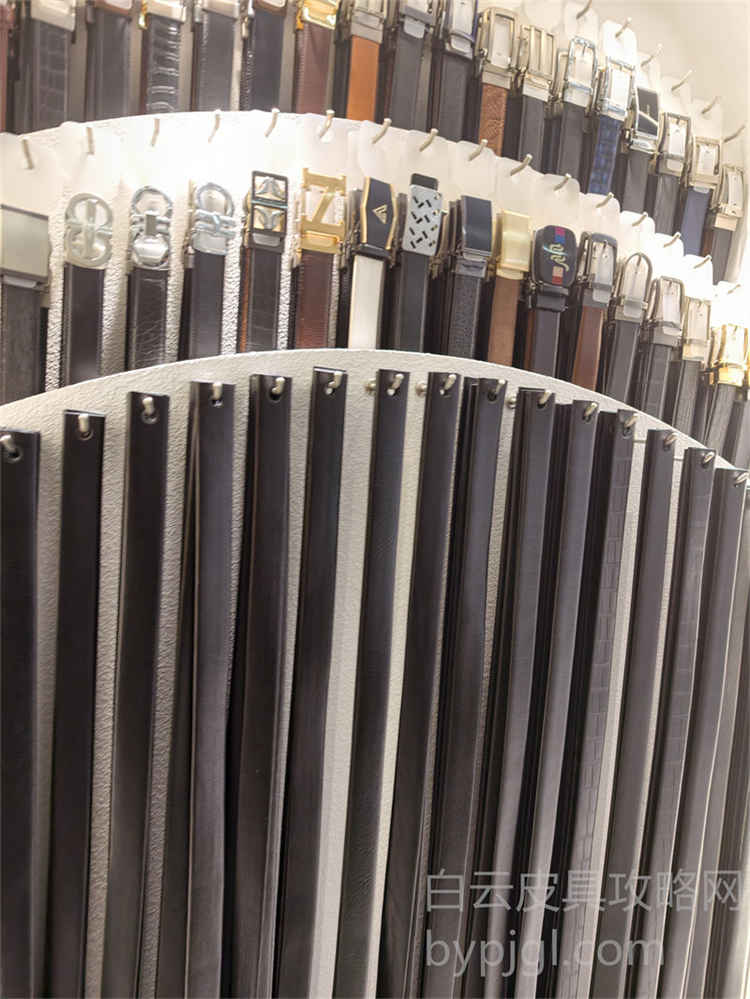
We also check the hardware. Cheap plating peels after a month. Good hardware has weight, a smooth finish, and precise engraving. In the Baiyun markets, you will find suppliers who source their metal from specialized foundries in Dongguan. They test the salt spray resistance before it even leaves the factory. When you are selecting your inventory, don't settle for the first sample you see. Ask to see the "master sample," the one that represents the absolute peak of what this factory can produce. Then, compare it against the bulk order. Consistency is the hardest part of manufacturing, and that is where the pros separate themselves from the amateurs.
Negotiating Without Losing Your Edge
Talking price in Guangzhou is a dance. It's not about haggling over pennies; it's about establishing a long-term partnership. If you push too hard on the initial price, the supplier might cut corners on materials to meet your budget. Instead, focus on value. Tell them you plan to order 500 units next quarter. That kind of commitment gets you better pricing than any aggressive negotiation tactic.
We also discuss payment terms carefully. For new relationships, a deposit is standard, but the balance should only be released after a final inspection. Never ship without a third-party QC report. I have seen too many buyers lose money because they trusted a photo instead of a physical check. We work with independent inspectors who come to the factory floor, count every item, check the stitching density, and verify the packaging. This step is non-negotiable if you want to avoid headaches when the goods arrive in your country.
Protecting Yourself: Common Pitfalls and How to Avoid Them
Understanding the Legal Landscape
Let's be clear about something important. While the global market loves these products, the legal environment is strict. No reputable manufacturer here will openly advertise trademarked logos or claim to be selling "fake" goods. They sell based on design, material, and function. If a seller explicitly tells you they are making counterfeit items, that is a red flag. It means they are operating in the shadows, and if you get caught, you could face severe legal consequences.
The smart approach is to work with suppliers who create original designs or offer "inspired by" styles that are legally distinct. This protects your brand and ensures your supply chain remains stable. The Baiyun district has evolved significantly over the last decade. Many factories now invest heavily in R&D, creating their own unique patterns and silhouettes. This is the future of the industry, and it is where you should be focusing your energy.
Building Trust in a Sea of Scams
The biggest risk isn't the quality; it's the trust. There are middlemen everywhere claiming to be factory owners. They take your deposit and disappear, or they send you low-quality goods that look nothing like the sample. To avoid this, verify the business license, visit the factory in person, and check their social proof. Look for reviews from other international buyers. Ask for video calls during production runs. If they refuse, walk away.
My advice is simple: stay grounded. Don't let the excitement of a "great deal" cloud your judgment. Take your time, visit multiple locations, and build relationships slowly. The leather goods market in Guangzhou is vast, competitive, and incredibly rewarding if you play it right. It's not about finding a secret tunnel; it's about mastering the art of doing business in one of the world's most dynamic commercial hubs.