Walking the Floors: What I've Learned After Twenty Years in Baiyun
Look, if you are reading this from overseas, thinking that buying high-end leather goods here is just a matter of sending a WeChat message and waiting for a DHL box, you are missing the whole picture. I have been standing behind my counter in the Baiyun District for over two decades. I have seen thousands of tourists walk through the doors, some with big budgets, others with zero knowledge, and most of them leave empty-handed or with bags they later regret. The truth about sourcing premium leather goods in Guangzhou is not about finding a "secret factory" hidden in an alleyway; it is about understanding the ecosystem of the wholesale markets, building trust, and knowing exactly what to look for when the lights are dimmed.
The First Rule: Don't Trust the Street Vendors
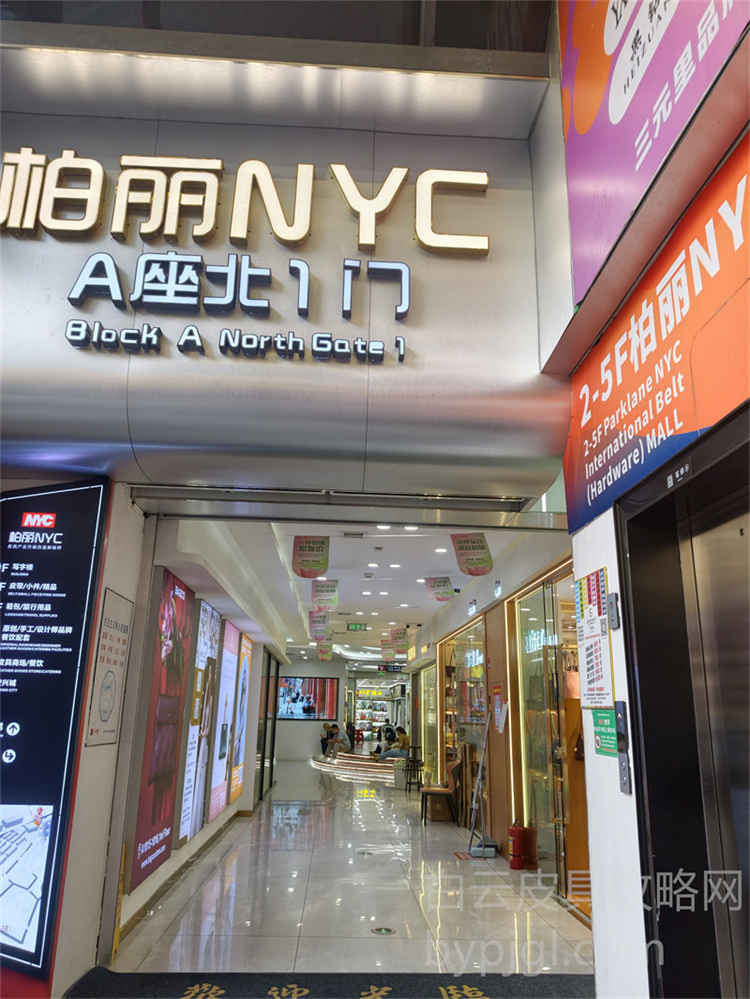
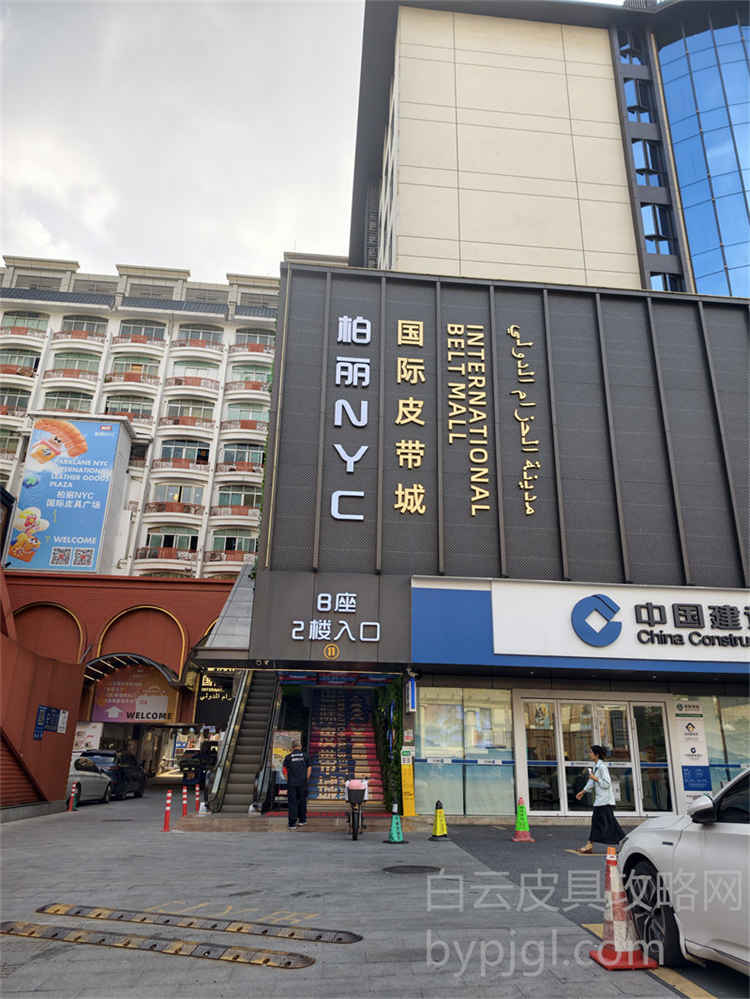
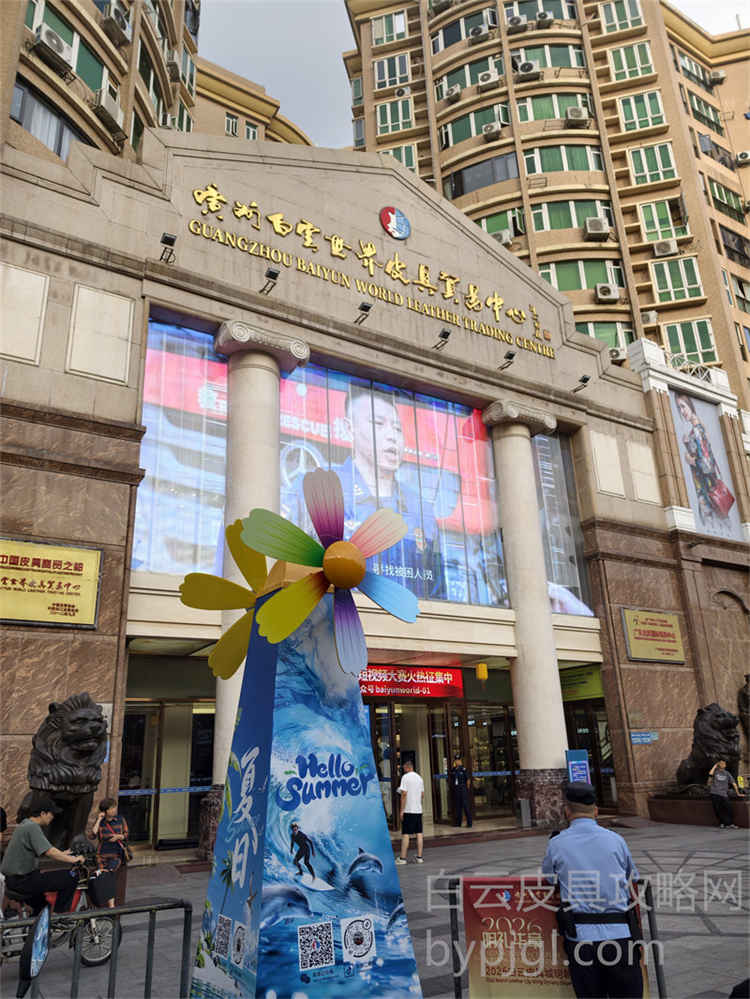
When you first arrive in Guangzhou, especially near the metro stations leading to the Baiyun Leather City complex, you will be approached by people whispering about "exclusive deals" or "factory direct prices." Stop right there. These are touts. They want your money before you even see the product. My advice? Ignore them completely. Walk straight into the main buildings. The real action happens inside the massive complexes like Qiulin and Baishiqiao. These are not retail stores for tourists; they are B2B hubs where business gets done. If you want to find the best quality, you need to go where the serious buyers go, not where the street scammers hang out.
Navigating the Market Labyrinth
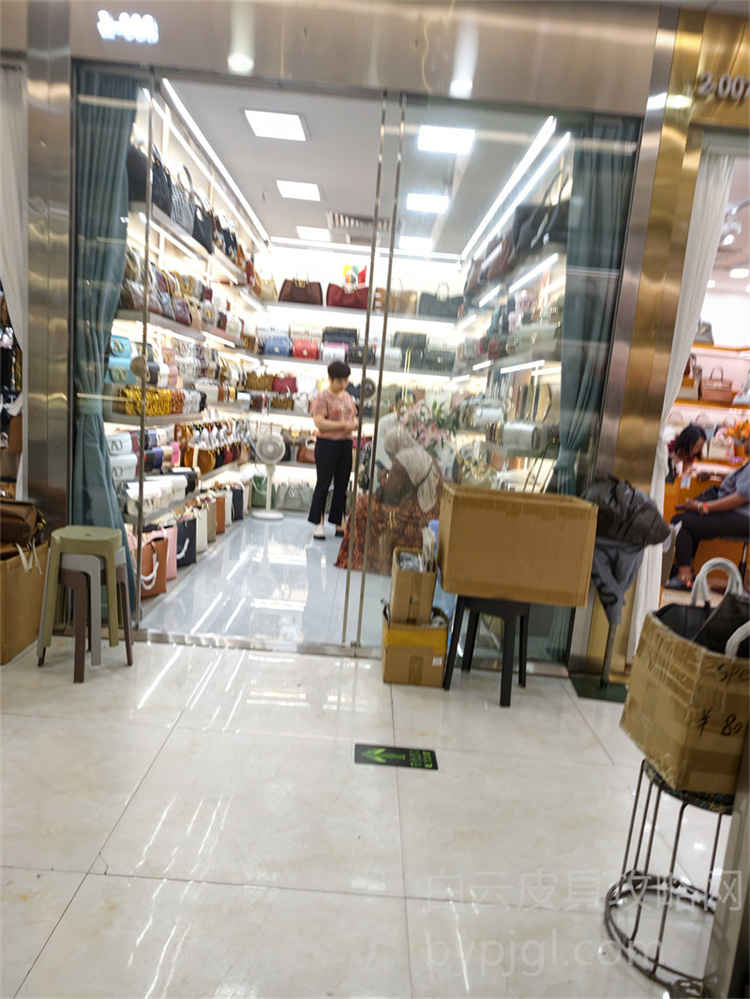
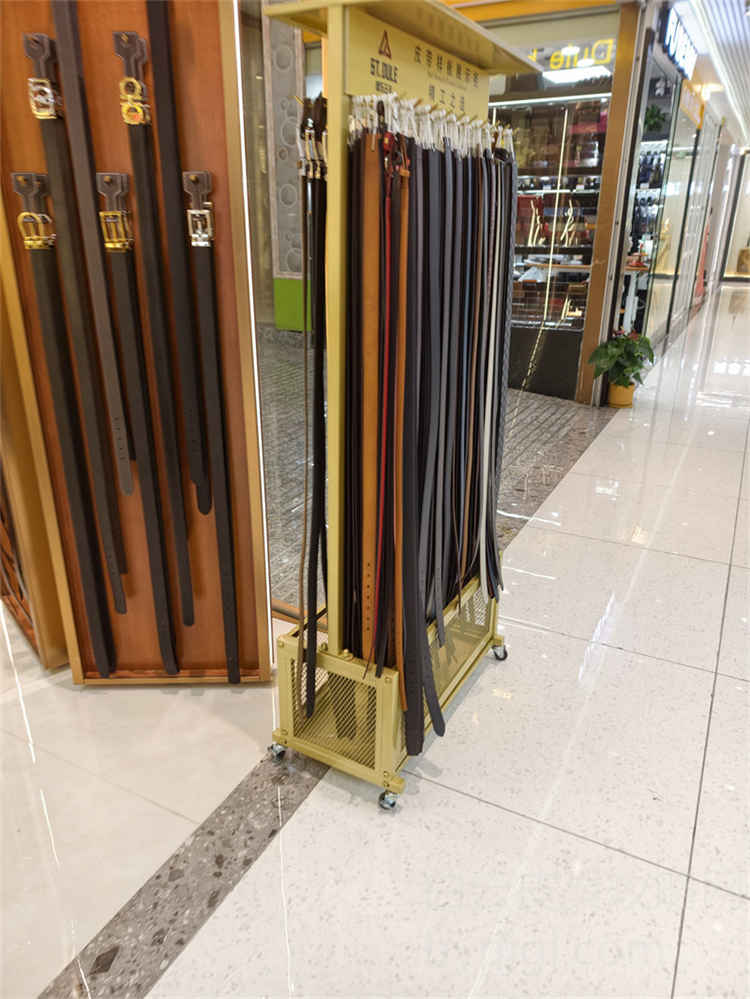
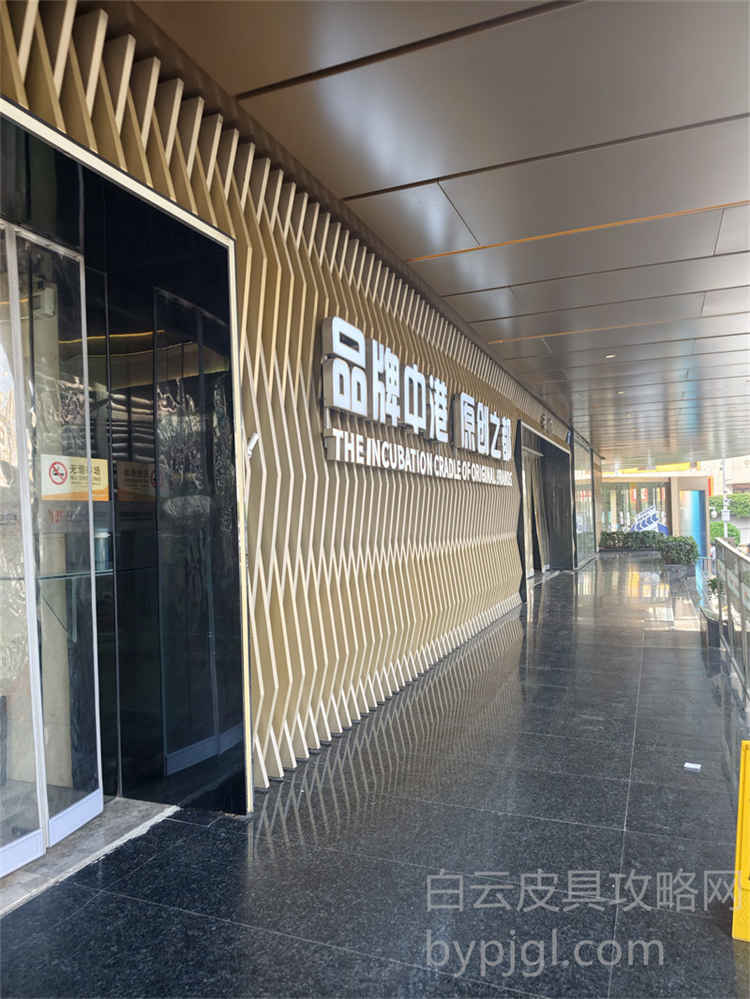
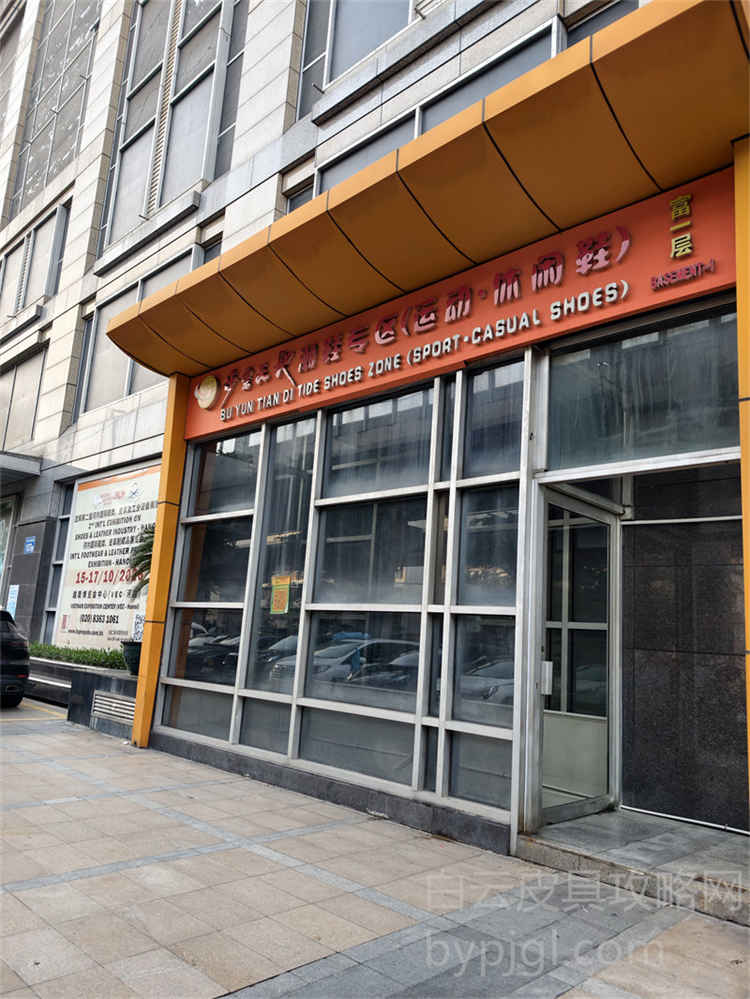
The Baiyun Leather City area is a maze of interconnected buildings. It can be overwhelming if you do not know which floor holds which type of goods. In the early days, I used to guide foreign clients who were lost, but now I tell them to do their homework before stepping off the plane. The lower floors often feature older styles or lower-grade materials, while the upper floors house the newer collections and higher-quality craftsmanship. Do not rush. Spend at least three days just walking around without buying anything. Observe how the shop owners talk to each other, how they handle the samples, and which stalls have the steady stream of local buyers coming in.
Reading the Room: Quality Indicators
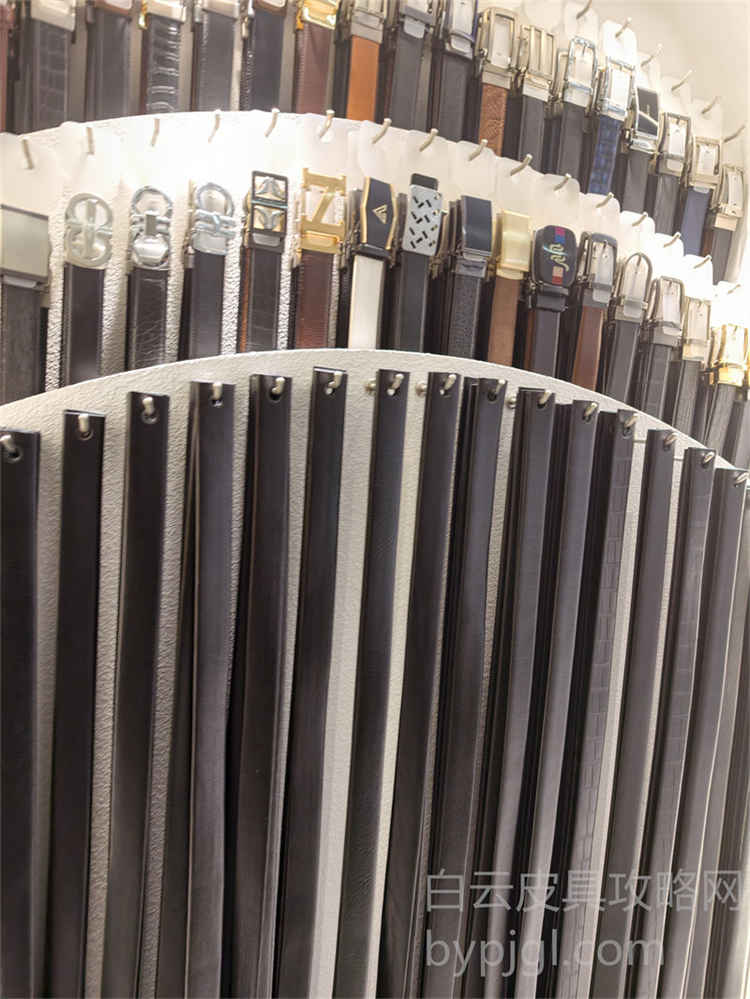
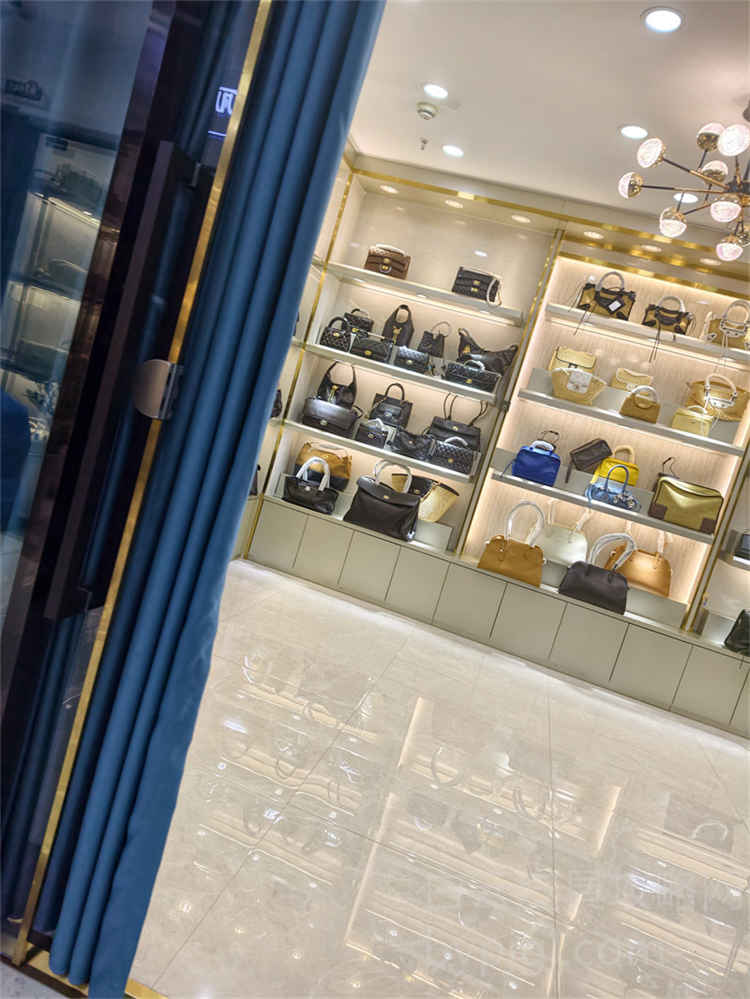
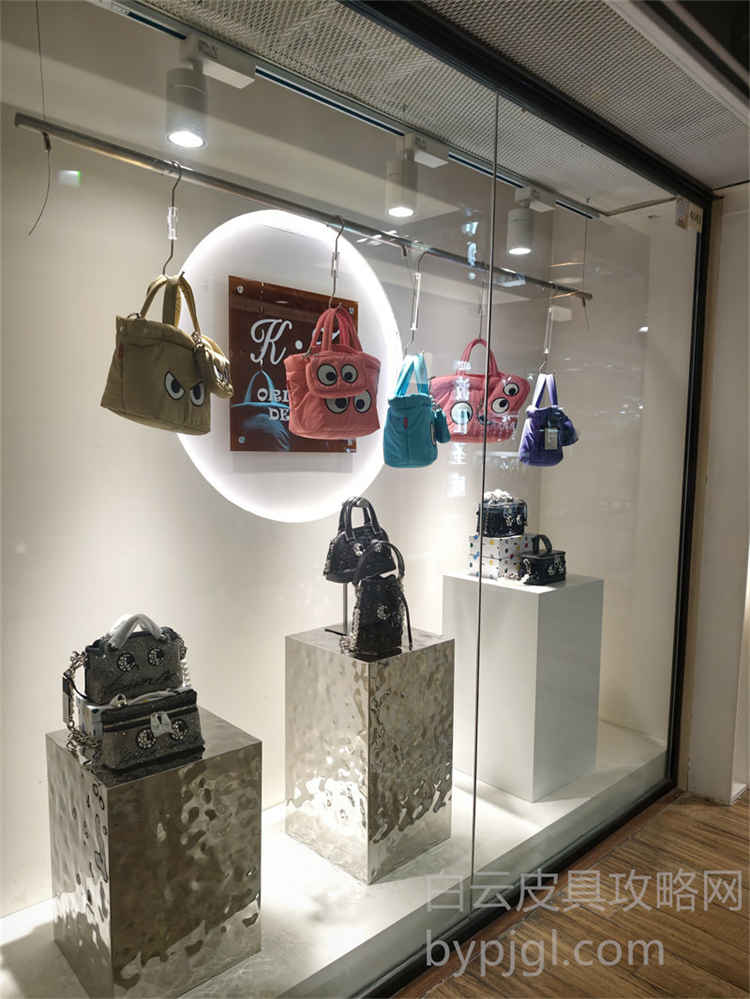
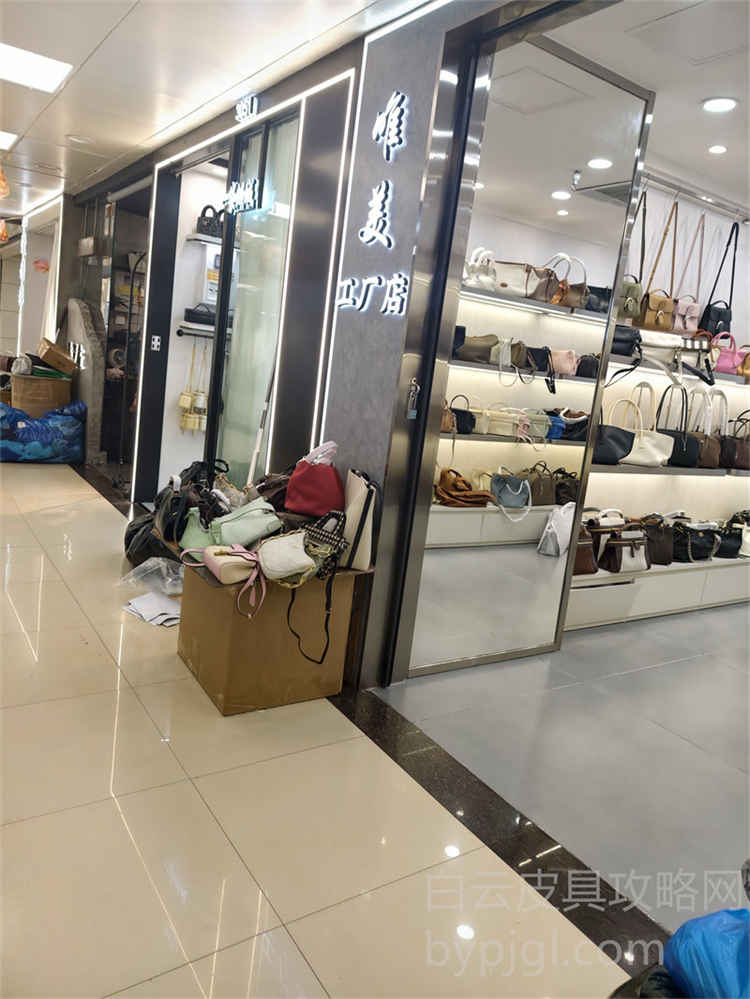
once you are inside a stall, the conversation starts. Many sellers will try to upsell you on "top tier" versions immediately. But as an old hand, I know that the term "top tier" means nothing without proof. When you are looking at a bag, ignore the logo for a second. Look at the stitching. Is it consistent? Are the threads tight? Check the hardware. Does it feel heavy, or does it feel like cheap plastic painted gold? The smell is another huge indicator. Real leather smells distinct; synthetic materials have a chemical odor that lingers. If the seller cannot let you touch the interior lining or open the zipper slowly to check the grain, move to the next stall. There are hundreds of shops here, so do not settle for the first one you visit.
The Art of Negotiation and Sourcing
Buying in Guangzhou is not like shopping in a department store where the price tag is final. This is a negotiation culture. However, do not think you can haggle down to pennies. If you ask for a price that is too low, the seller knows you are either a tourist or a scammer. They will show you a fake sample or give you a low-quality item. The key is to show that you are a serious buyer. Ask questions about the leather source, the origin of the hardware, and the production time. When you speak like someone who knows the industry, they treat you differently.
Building Relationships Over Transactions
In my experience, the best deals come from relationships, not one-off transactions. If you plan to buy regularly, start small. Buy one or two items to test the quality and the shipping process. once you establish trust with a specific vendor, they will show you their best stock, sometimes even items that are not displayed on the shelves. They might call you directly when new batches arrive. This is the real advantage of being a repeat customer. You get access to the "hidden inventory" that never makes it to the general market. Remember, these vendors are busy. They value reliability over a quick sale. Be honest about your budget and your timeline, and they will respect you for it.
Avoiding Pitfalls and Ensuring Safety
There are risks involved in any cross-border trade, and Guangzhou is no exception. One common mistake foreign buyers make is paying 100% upfront via bank transfer without any protection. Always insist on using a secure payment method or a platform that offers buyer protection. Another issue is the shipping. Some sellers promise fast delivery, but customs regulations vary wildly depending on your country. If you are importing large quantities, you need to understand the duties and taxes involved. Do not rely solely on the seller's word regarding shipping times. Have a backup plan.
Final Thoughts from the Counter
At the end of the day, sourcing in Guangzhou is about patience and observation. It is not a magic trick. The market is vast, and the quality varies from stall to stall. By walking the floors yourself, inspecting the details, and building genuine connections with the vendors, you can find products that meet your standards. Do not be afraid to say no. There is always another shop down the hall. The goal is to find a partner who understands your needs and delivers quality consistently. That is the secret that keeps me in business after all these years.