Why Guangzhou Remains the Global Hub for Luxury-Style Leather Goods
I have been standing behind my counter in the Baiyun District of Guangzhou for over twenty years. While the world talks about supply chains and logistics, I talk about the smell of leather, the sound of the bargaining, and the look in a buyer's eyes when they finally find the right piece. If you are looking for high-end leather goods sourced from China, specifically targeting the market that supplies top-tier boutiques globally, you need to understand one thing: this is not about "fake" bags. It is about craftsmanship, materials, and a supply chain that no other city on earth can replicate.
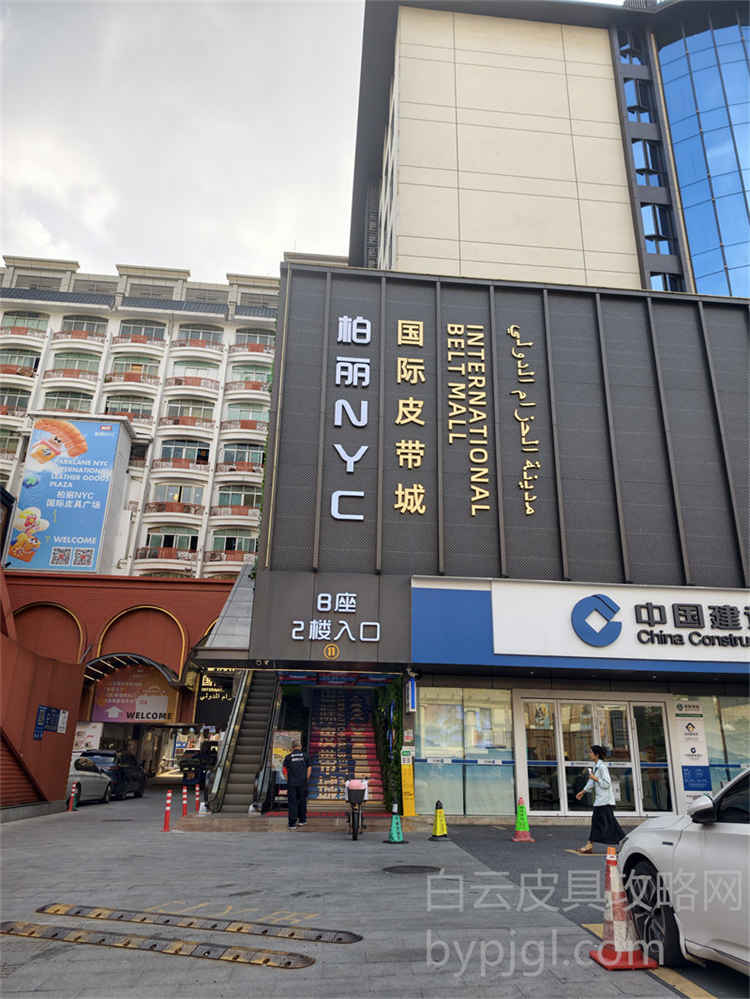
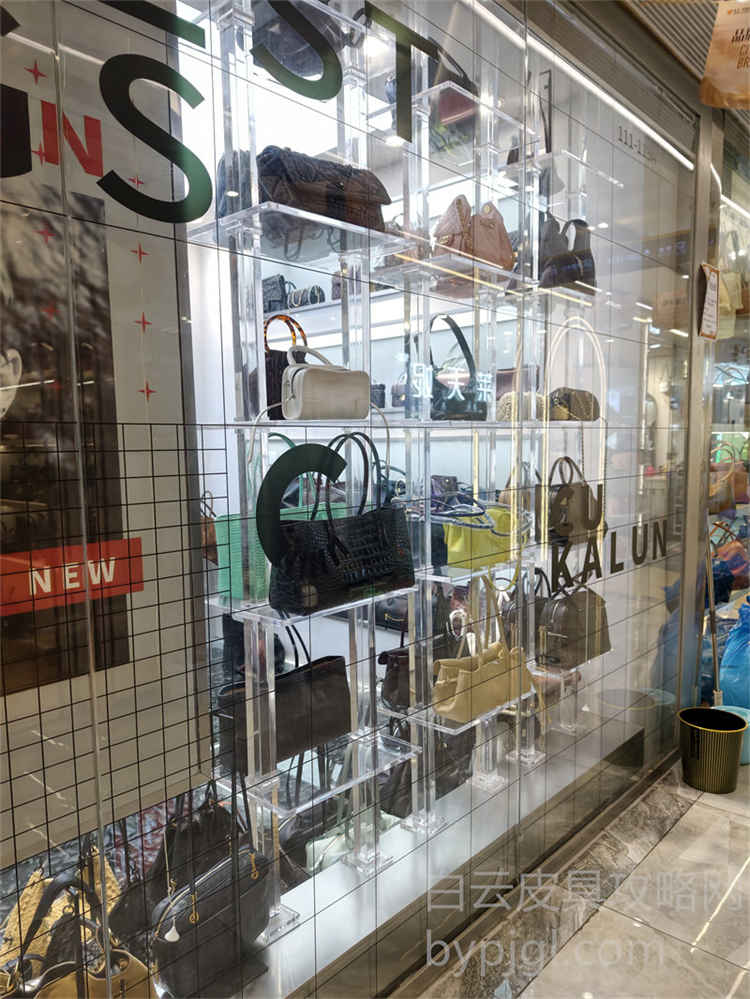
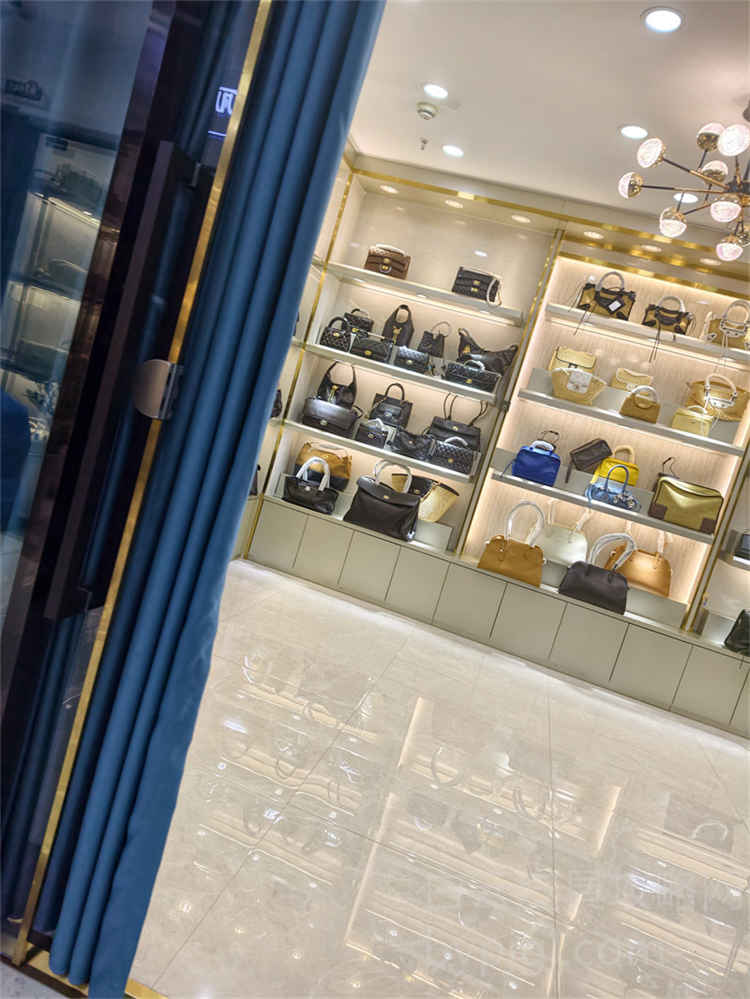
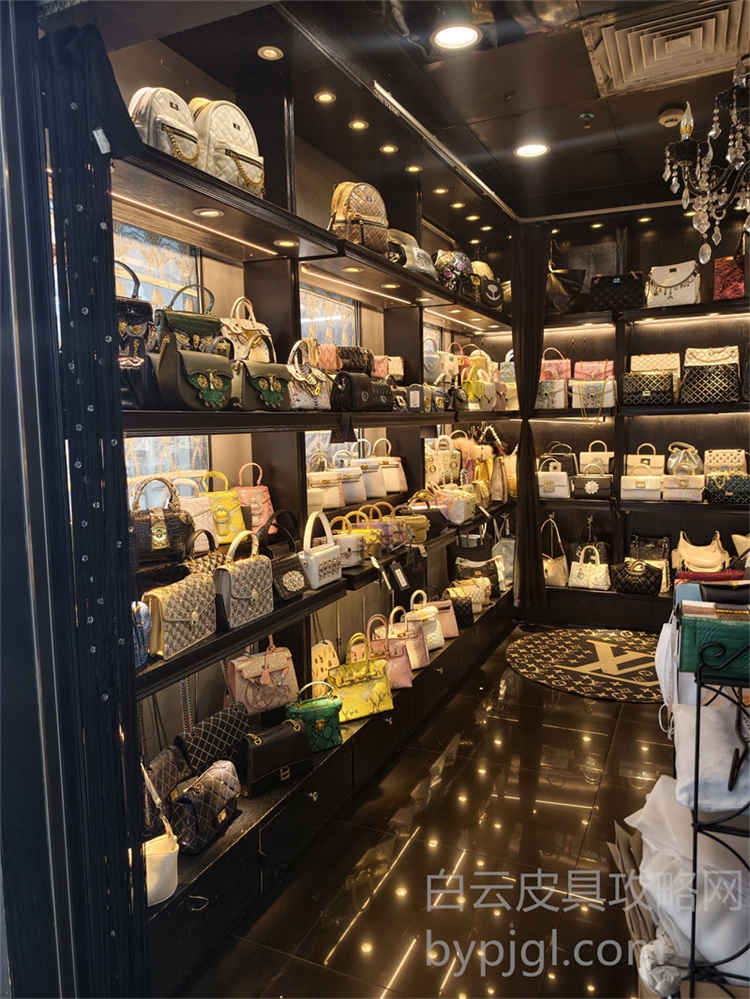
Many overseas buyers come here thinking they will find cheap knockoffs in a dark alley. They walk into the massive complexes like the Baoma Plaza or the Zhongda Market expecting chaos. Instead, they find organized showrooms, professional sales teams speaking multiple languages, and factories that produce for major international brands. The reality is that the quality here has evolved dramatically. We are talking about calfskin imported from Italy, hardware plated with real gold, and stitching done by artisans who have spent decades perfecting their craft. When you hear terms like Guangzhou Baiyun leather goods wholesale, it refers to this ecosystem where quality meets volume.
Navigating the Physical Markets: A Local's Guide to the Floor
The First Step: Entering the Right Building
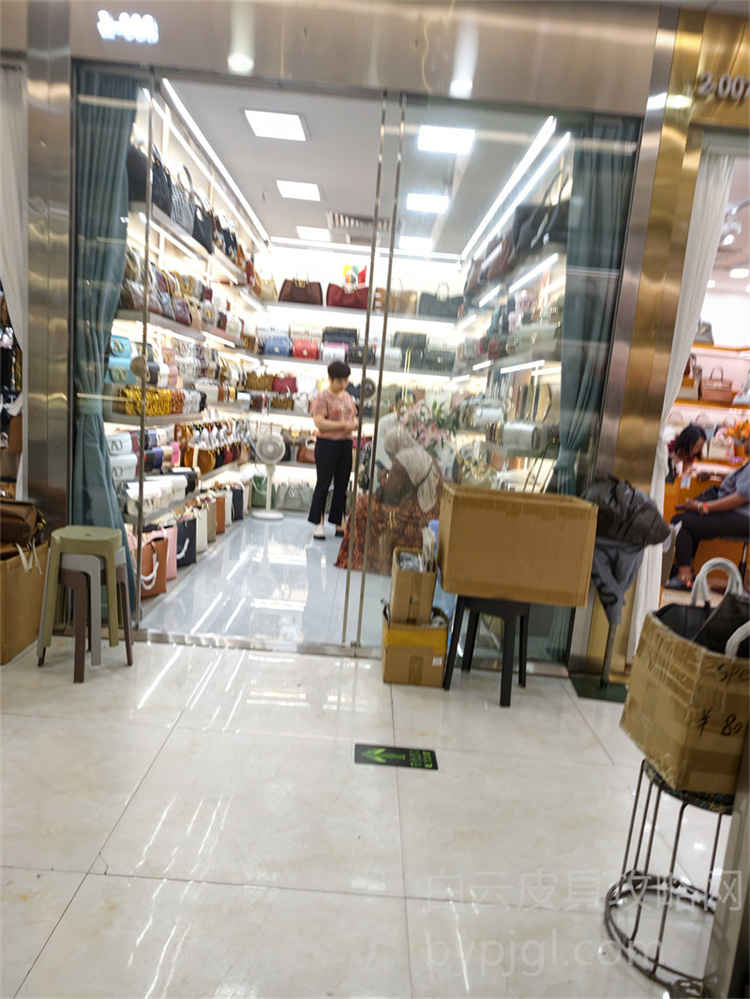
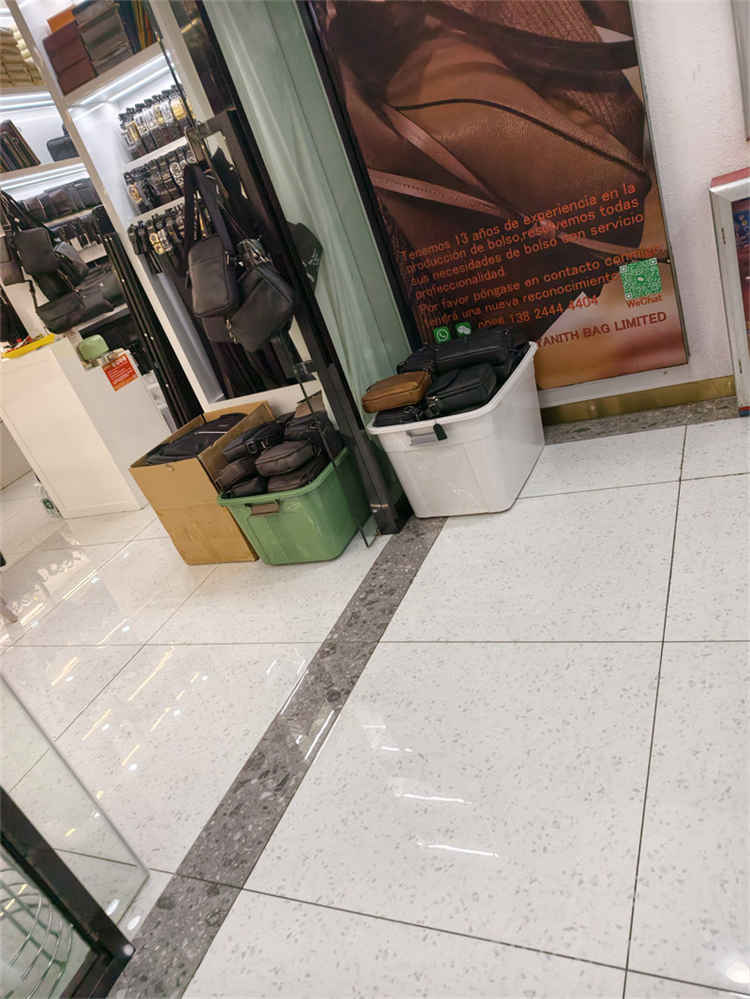
Do not just wander around randomly. The Baiyun district is a maze of interconnected buildings, each catering to a different tier of production. If you want the absolute best, you need to head straight to the flagship malls like Baoma or Tianjian. These places house the top-tier workshops. The ground floors are often filled with flashy displays meant to attract tourists, but the real action happens on the upper floors or in the back offices. You will see rows of tables covered in dust sheets, revealing the true inventory only when you ask to see the "sample room."
Reading the Room: How to Spot Serious Sellers
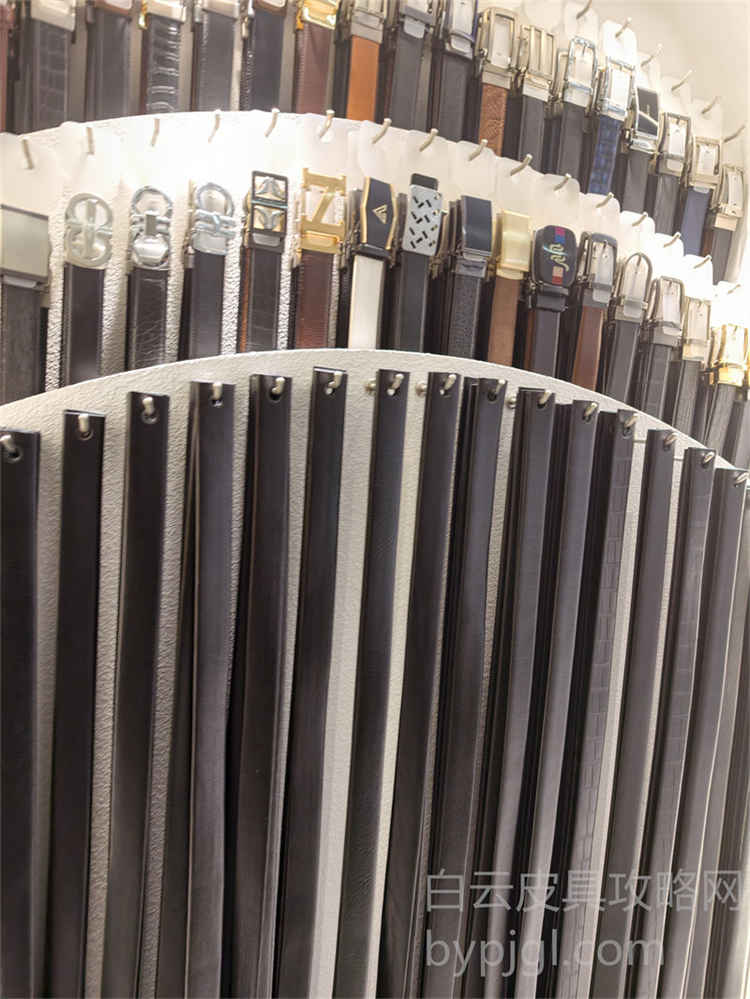
When you approach a stall, your demeanor matters. Do not act like a tourist taking photos. Walk with purpose. Look at the hardware first. In our industry, we know that the weight of a zipper pull or the finish of a clasp tells you everything about the factory's capability. A serious vendor will not push you to buy immediately. They will invite you to sit down, pour you tea, and ask what specific styles you are interested in. This is the moment to start the conversation. Ask them about the leather source. Are they using Togo, Epsom, or Calfskin? If they hesitate or give vague answers, move to the next stall. Trust your gut; after twenty years, I have learned that the best deals come from vendors who respect the process.
The Art of Selection and Quality Verification
Touch and Feel: The Non-Negotiables
You cannot judge these goods solely by pictures sent via WhatsApp or WeChat. You must touch them. Run your fingers over the grain. Check the edges for paint application; high-quality pieces have hand-painted edges that are smooth and even, not thick blobs of glue. Inspect the lining. Is it soft suede or rough canvas? Does the logo stamping inside the bag have the correct depth and clarity? In Guangzhou, we call this checking the "details." A good vendor will let you inspect every single stitch. They know that if the product is truly premium, there is nothing to hide. This transparency is what separates the top 10% of suppliers from the rest.
Understanding the Grading System
One of the biggest misconceptions among foreign buyers is the idea of a single standard. There isn't just one type of bag here. We have different grades based on the materials used and the level of detail. Some stalls specialize in mid-range items with synthetic blends, while others focus exclusively on full-grain leather and custom hardware. When you are sourcing for your own brand or boutique, be clear about your requirements. Tell the vendor exactly what you need. If you say you want Italian leather, they will bring out the Italian stock. If you accept lower-grade leather, the price drops significantly. Clarity prevents disappointment later.
Business Negotiation and Logistics for Overseas Buyers
Bridging the Language Gap Without Losing Value
Language barriers are real, but they are not insurmountable. Most of us in the Baiyun markets speak basic English, and many have staff who are fluent. However, do not rely solely on translation apps for complex negotiations. Bring a local contact if possible, or use simple, direct language. Focus on numbers. Discuss the minimum order quantity (MOQ), the unit price, and the lead time. Be firm but polite. We appreciate buyers who know what they want. Haggling is part of the culture, but it should be respectful. If you try to drive the price too low, you might end up with inferior quality. Remember, you get what you pay for. A fair price ensures the vendor puts effort into your order.
Shipping and Customs: What You Need to Know
once you have selected your goods, the next challenge is getting them home. Many buyers worry about customs seizures. This is why working with an experienced freight forwarder in Guangzhou is crucial. We have relationships with shipping agents who handle documentation carefully. They know how to pack the goods securely to prevent damage during transit. For smaller orders, express courier services are available, but for bulk purchases, sea freight is more cost-effective. Always discuss the shipping terms before finalizing the payment. Will you pay for the shipping separately, or is it included in the quote? Clear communication here saves headaches down the line.
Avoiding Pitfalls: Lessons Learned Over Two Decades
The Danger of Prepayment Scams
While most of us are legitimate business owners, the internet is full of scammers pretending to be Guangzhou suppliers. Never send money to a personal bank account without verifying the business license. Always meet in person if you can. If you must pay online, use secure platforms that offer buyer protection. Visit the physical shop first. If a seller refuses to meet you or insists on sending photos only, be extremely cautious. The best way to build trust is face-to-face interaction in our bustling markets.
Quality Control Before Departure
Never leave Guangzhou without doing a final inspection. Even if you have worked with a vendor for years, mistakes happen. Check every bag against your checklist. Count the zippers, test the clasps, and ensure the packaging is intact. If you find any defects, address them immediately. Do not assume the next batch will be better. Take photos of the issues and negotiate a solution on the spot. This is your leverage. once the goods leave the warehouse, it becomes much harder to resolve disputes. Being diligent at this stage protects your investment and your reputation.
Guangzhou is more than just a place to buy bags; it is a living, breathing ecosystem of commerce. The energy here is unmatched, and the opportunities for those willing to dig deep are endless. Whether you are a small boutique owner or a large retailer, the key is to immerse yourself in the experience. Come to Baiyun, walk the floors, talk to the people, and see the quality for yourself. That is the only way to truly understand the value of Chinese leather goods.