Walking the Floors: A Veteran's Guide to Sourcing in Guangzhou
Welcome to the real deal. I've been standing behind this counter in the Baiyun district for over fifteen years, watching the dust settle and rise with every new season. If you are reading this from overseas, thinking about flying here to pick up goods that look just like the big names but cost a fraction of the price, let me tell you something first: the internet is full of lies. You will see photos on WhatsApp or WeChat that look perfect, but when you actually get the box, it might be a disaster. That is why I am writing this. I want to walk you through what it really takes to source high-quality leather goods directly from the factories in Guangzhou without getting ripped off.
The Myth of the "Perfect" Photo
Most people think they can just order online. They send a message saying, "I need 50 pieces, best quality." Then they wait two weeks for a package that arrives looking nothing like the picture. In my shop, we see this all the time. The photos sent by middlemen are often taken under studio lights with heavy editing. They hide the stitching imperfections, the smell of cheap glue, or the wrong shade of leather. When you come here physically, you don't have to guess. You touch the material. You feel the weight. You check the hardware. This is the only way to know if a factory is actually good or just selling you a story.
Navigating the Baiyun Leather City Maze
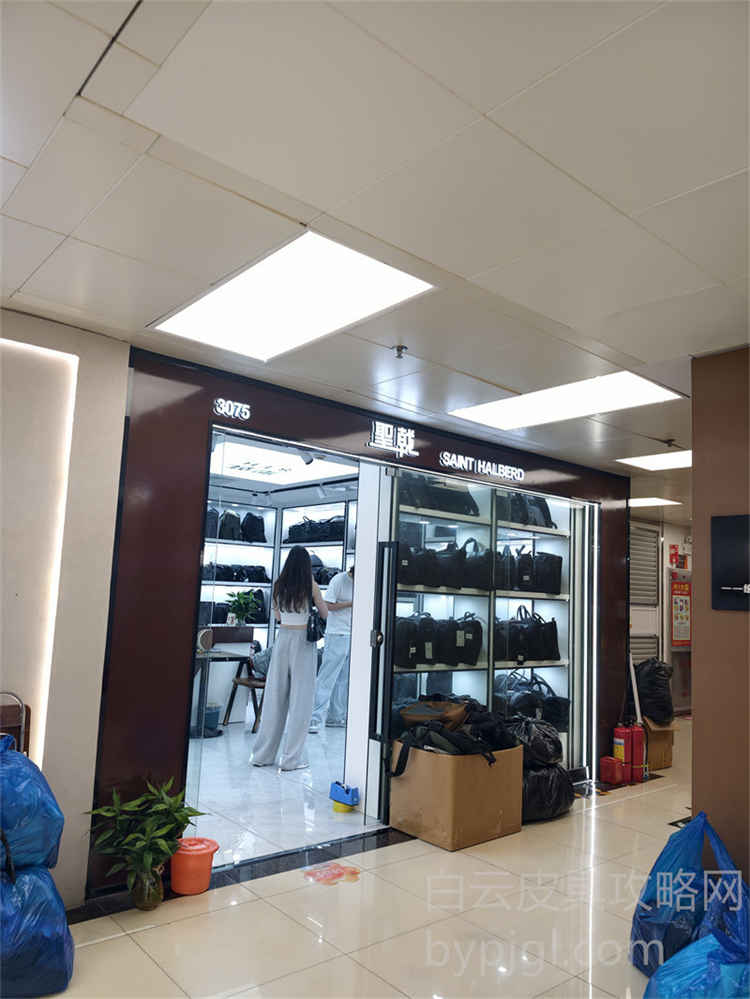
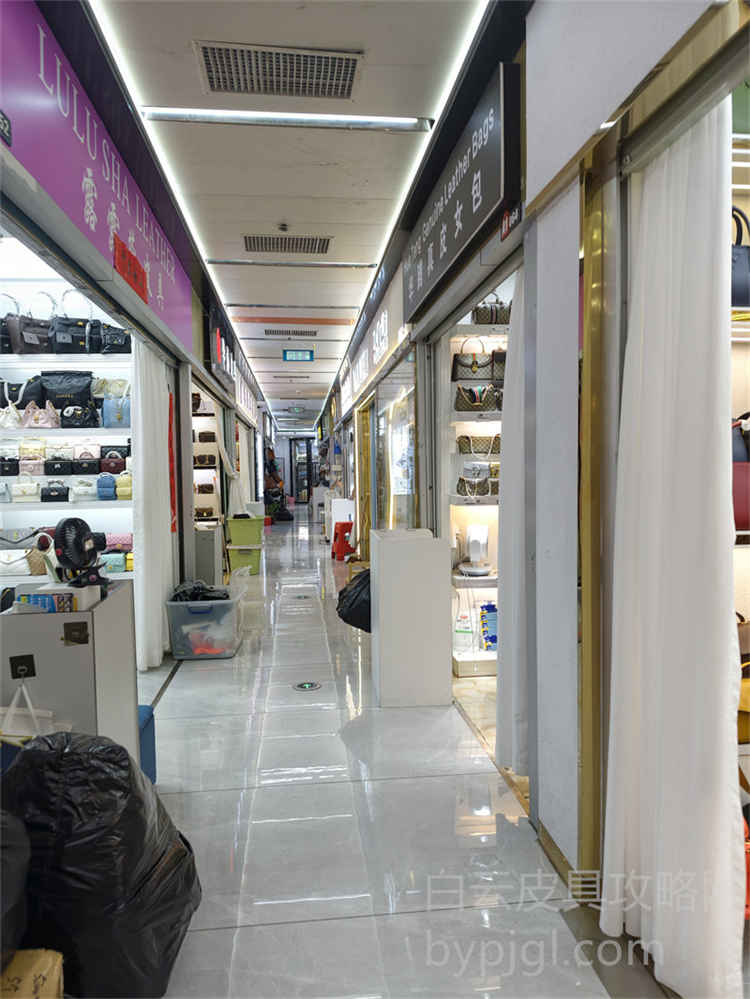
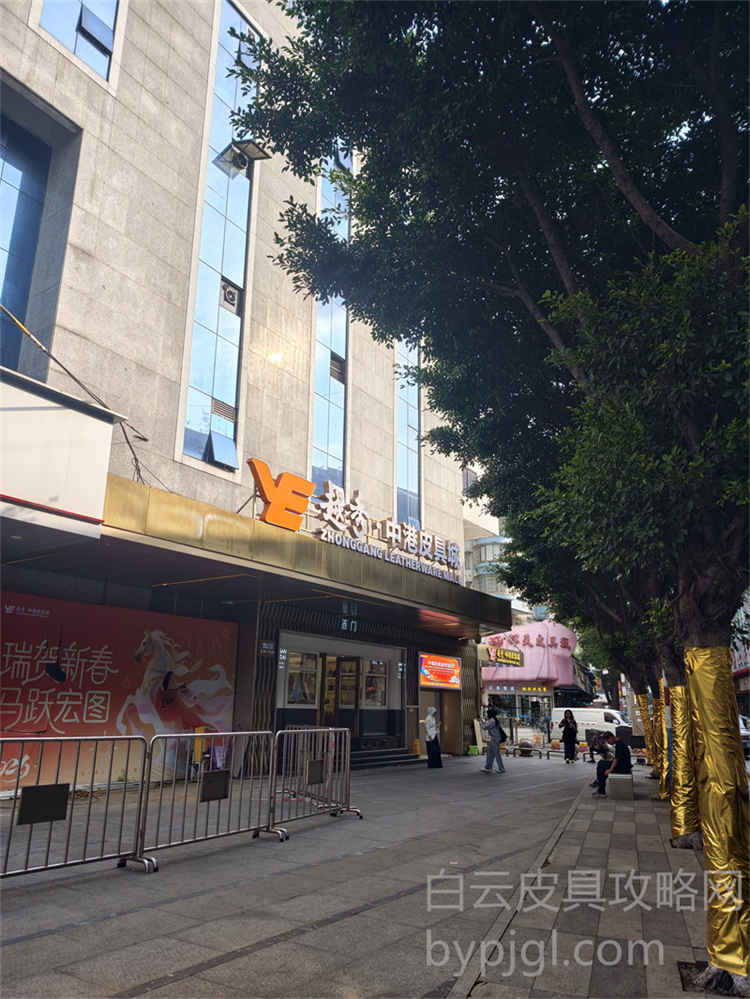
Guangzhou Baiyun Leather City is not just one building; it is a sprawling ecosystem of markets, workshops, and showrooms. If you arrive at the main entrance and just start walking, you will get lost in minutes. The layout changes slightly every year as renovations happen, but the core areas remain the same. You need to know where the serious manufacturers are versus where the small resellers hang out.
Finding the Right Showroom
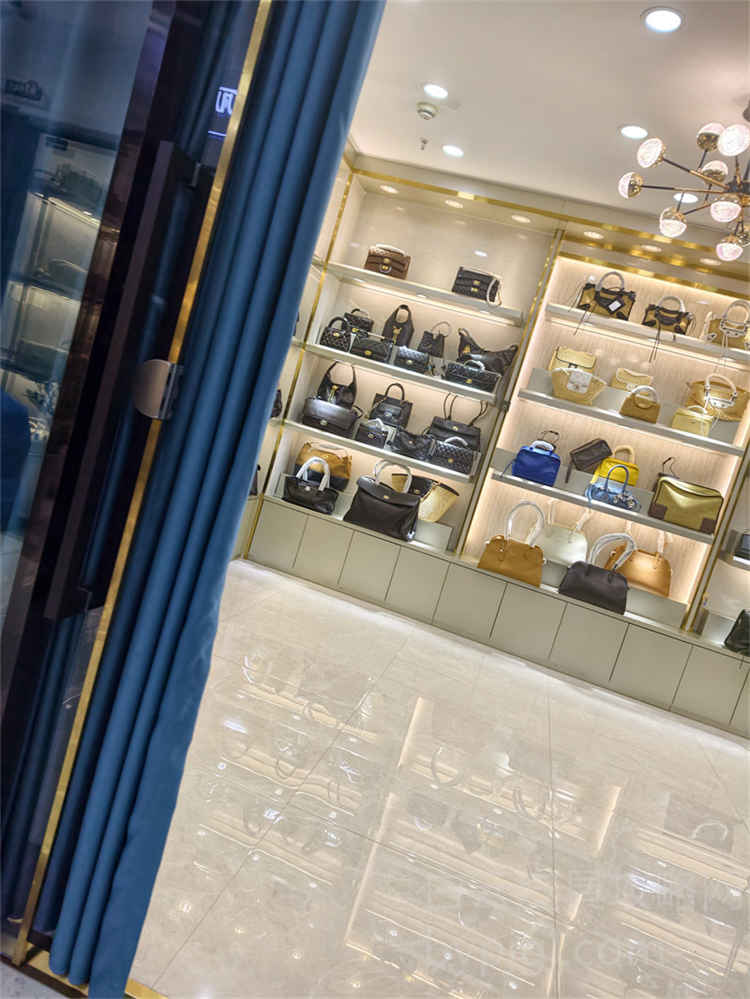
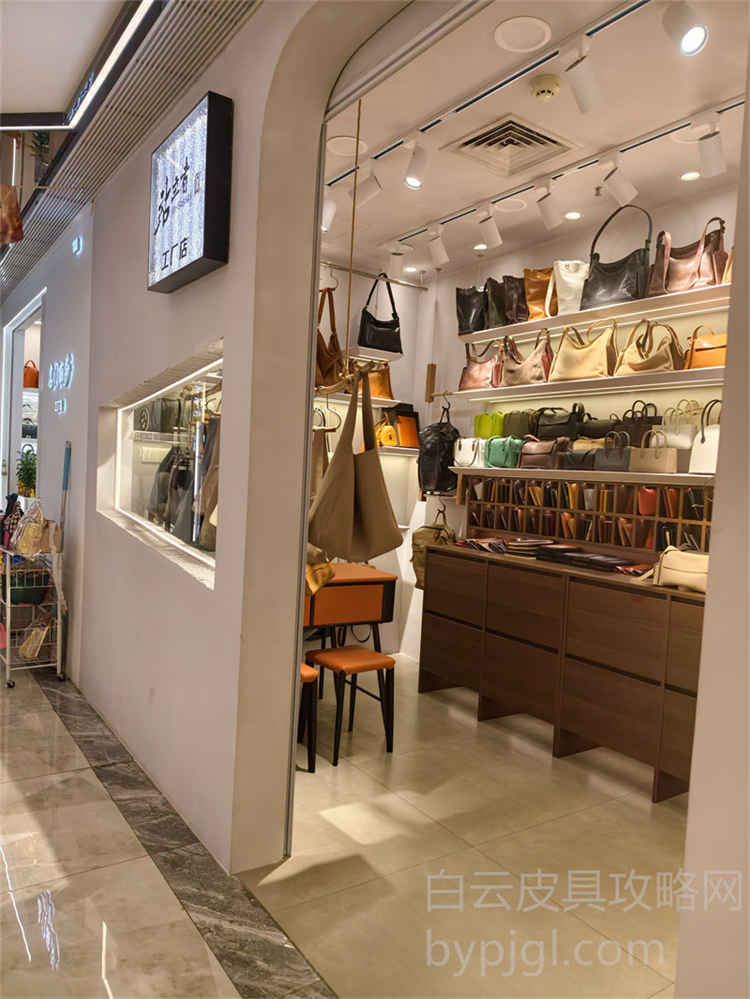
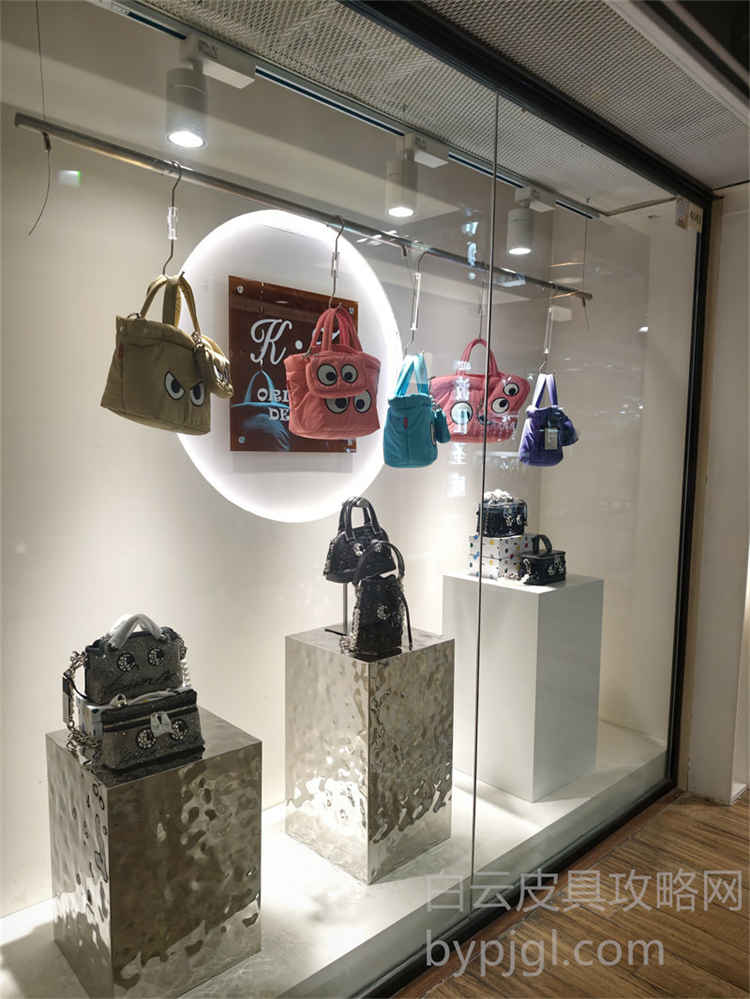
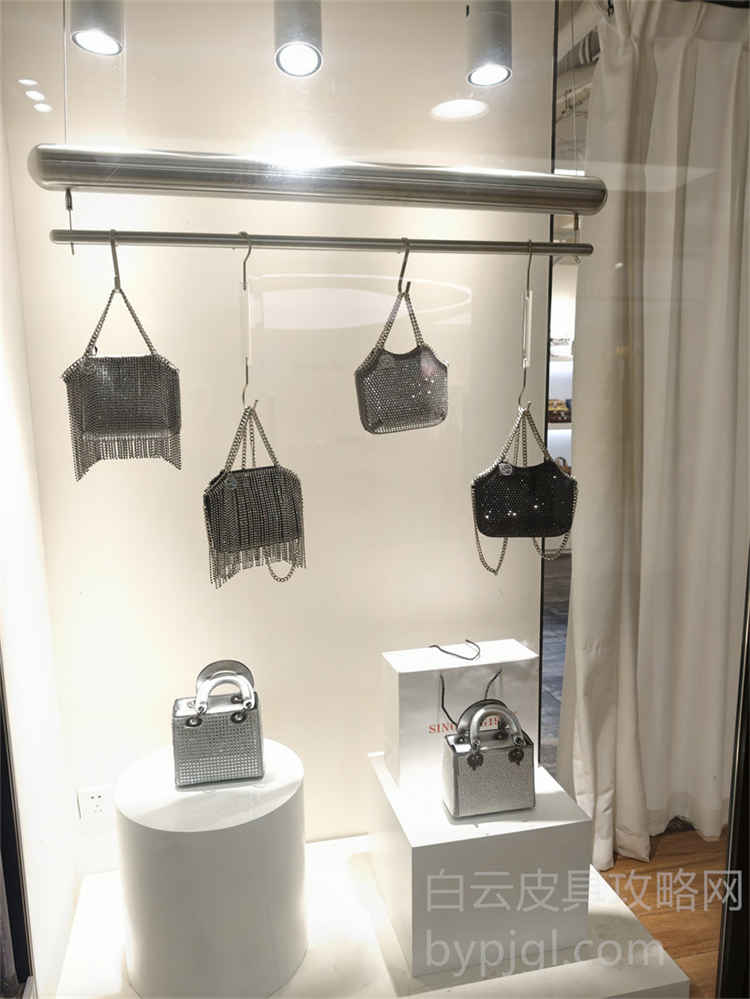
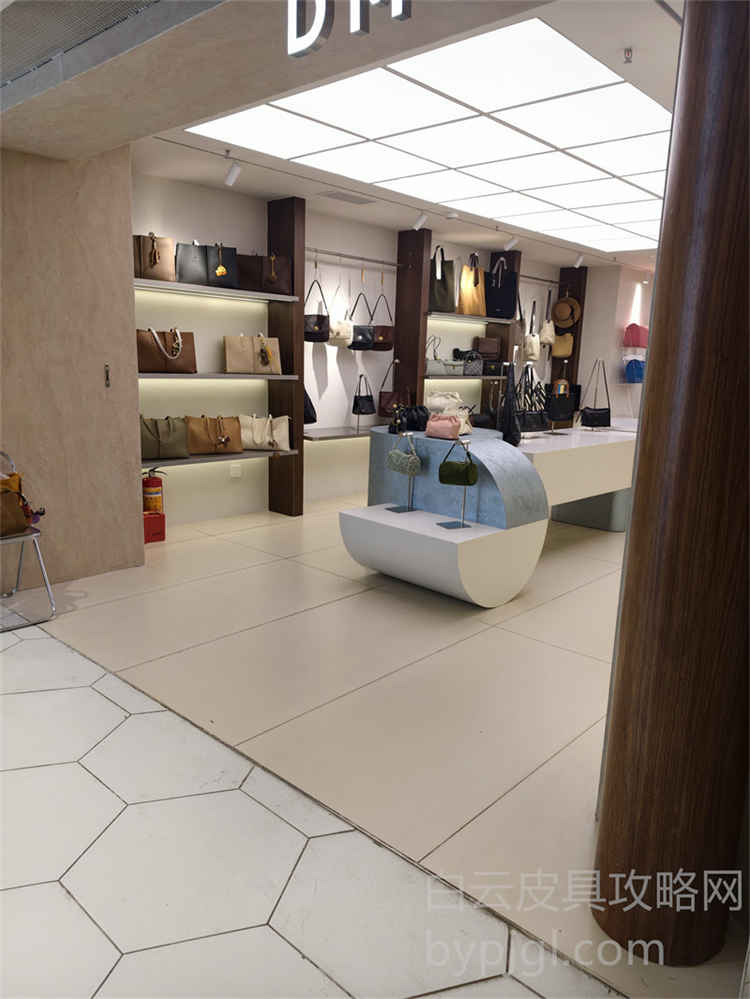
When you step inside, ignore the flashy signs on the ground floor that scream "Wholesale" in big English letters. Those are usually just front-facing shops for tourists or low-end bulk buyers. The real action happens on the upper floors, especially around the third and fourth levels. Look for shops that have a more professional setup, maybe some samples displayed on velvet stands rather than piled on tables. These are the places where the actual production managers sit. Ask them, "Do you have your own workshop?" If they hesitate, move on. You want to talk to someone who controls the supply chain, not just a guy moving boxes.
The Art of the Sample Room Visit
once you find a promising stall, ask to see their sample room. This is where the magic happens. Do not accept a photo on a phone screen. Demand to see the physical product. Hold the bag. Open the zipper. Smell the leather. High-grade materials have a distinct scent, unlike the chemical smell of synthetic substitutes. Check the lining. Is it smooth? Does it match the exterior color perfectly? Look at the stitching. Are the stitches even? Is there any loose thread? In my experience, a factory that cares about the details of the lining and the interior pockets is a factory that cares about the final product. If they are sloppy on the inside, they will be sloppy on the outside once you pay for a large order.
Building Trust and Negotiating Terms
Here is the hard truth: nobody gives you the best price on the first day. In Guangzhou, business is built on relationships. If you walk in acting like a tourist, you will pay tourist prices. You need to act like a partner. Start by asking questions about their production capacity. How long does it take to make a batch? What is their defect rate? Be honest about your volume. If you are ordering fifty pieces, say so. Don't lie and say you are ordering five hundred just to get a discount. Experienced owners can smell a lie from a mile away.
Understanding the Pricing Structure
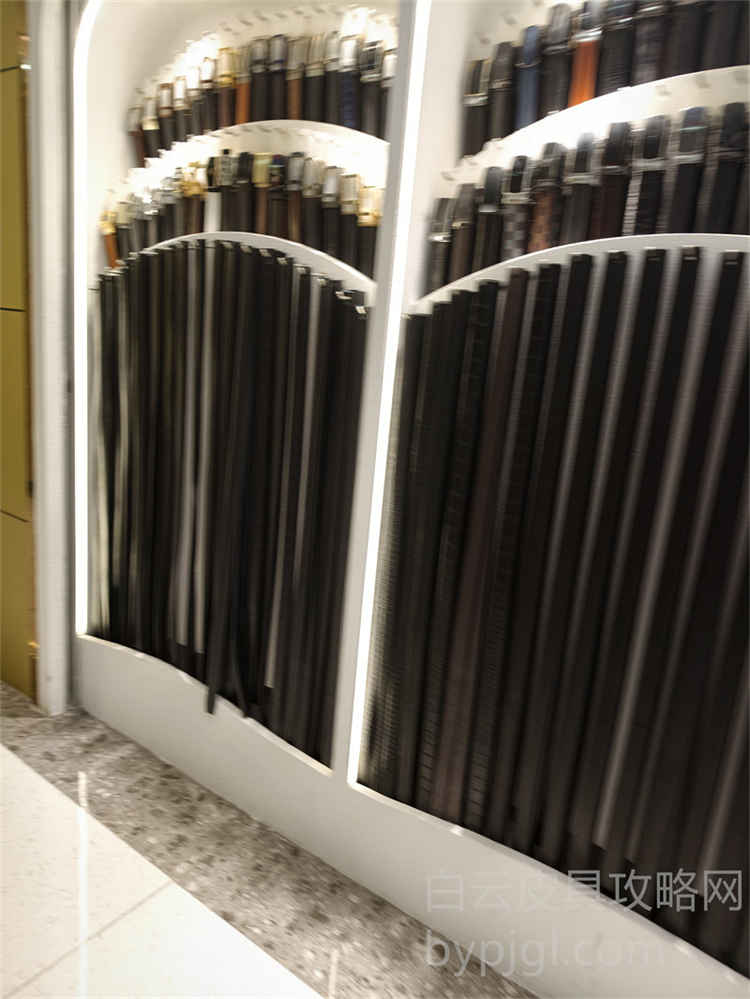
There is no single price tag in these markets. The price depends entirely on the grade of leather, the complexity of the design, and the quantity you order. There are different tiers of quality. Some factories specialize in the highest tier, using top-grain cowhide and solid brass hardware. Others focus on mid-range options that still look great but use better synthetic blends. Ask specifically about the materials. If they say "top quality," ask for proof. Show them a reference item and ask if they can match it exactly. once you agree on the specs, negotiate the unit price based on your total order value. Remember, shipping costs are separate. Make sure you understand Incoterms before you sign anything.
Avoiding Common Pitfalls and Scams
Even with all this knowledge, things can go wrong. The biggest mistake foreign buyers make is paying 100% upfront via Western Union or direct bank transfer before seeing the goods. Never do this. Always insist on a deposit, say 30%, and the rest upon inspection or after shipping. Another common trap is the "rush order." Many factories promise to deliver in three days. In reality, producing high-quality leather goods takes time. If they rush, the quality will suffer. Be patient. It is better to wait an extra week for a perfect product than to get a shipment of junk tomorrow.
The Inspection Protocol
Before you leave the market, do a final check. Count every single piece. Inspect the packaging. Are the dust bags included? Are the tags correct? If you are taking a large container, hire a third-party inspector to meet you at the warehouse. This is standard practice in international trade. Do not skip this step. It saves you thousands of dollars in returns and headaches later. Also, keep all communication records. Chat logs, emails, and contracts should be saved. If something goes wrong, you need evidence.
Why Coming Here Beats online Ordering
I know it sounds expensive to fly to China. But when you calculate the cost of shipping, customs duties, and the risk of receiving bad products, coming here is often cheaper in the long run. You build a relationship with a supplier who knows your taste. You can customize designs on the spot. You can solve problems face-to-face. In the digital age, personal connection is rare, which makes it valuable. When you stand in a Baiyun showroom and shake hands with the owner, you are part of the network. You become a regular customer, and that is when you get the real deals.
So, pack your bags. Come to Guangzhou. Walk the floors of Baiyun Leather City. Touch the leather. Talk to the people. If you follow these steps, you will find the best sources for premium leather goods right here in the heart of the industry. Just remember, trust is earned, not given. Good luck, and happy sourcing.